College of Veterinary Medicine, Hebei Agricultural University, Baoding 071001, Hebei, China.
College of Veterinary Medicine, Hebei Agricultural University, Baoding 071001, Hebei, China; Hebei Veterinary Biotechnology Innovation Center, Baoding 071001, Hebei, China.
Poult Sci. 2021 Sep;100(9):101320. doi: 10.1016/j.psj.2021.101320. Epub 2021 Jun 10.
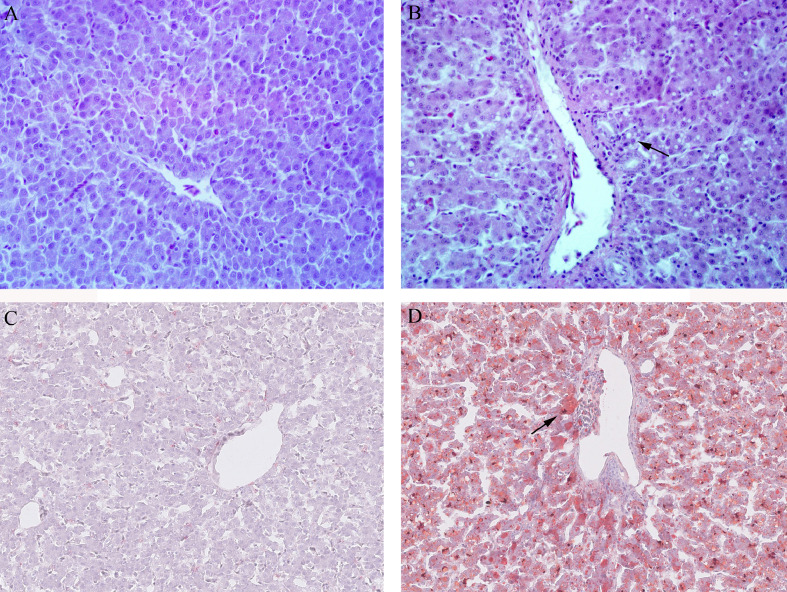
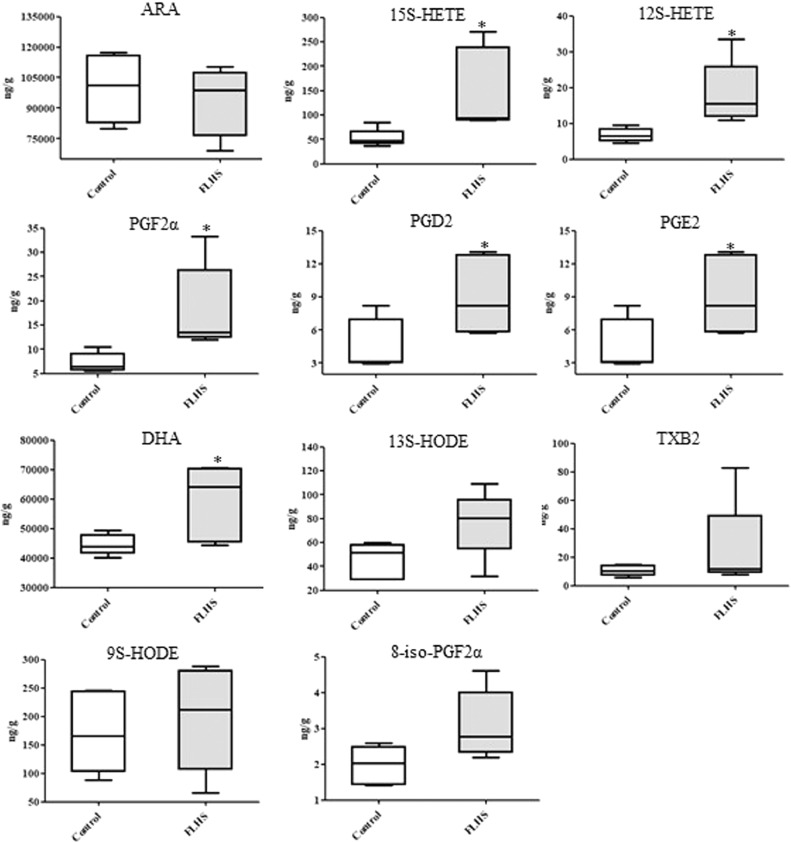
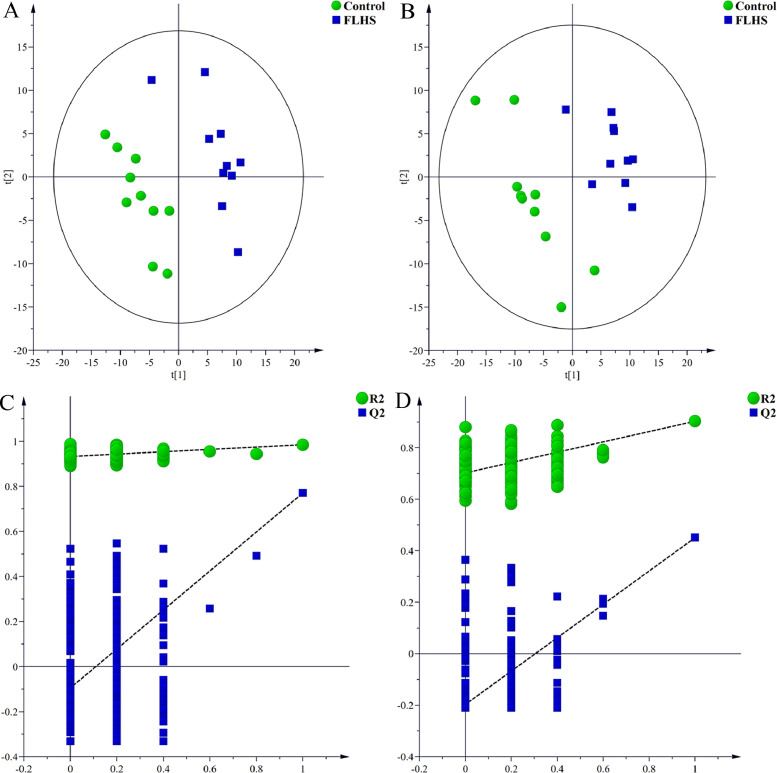
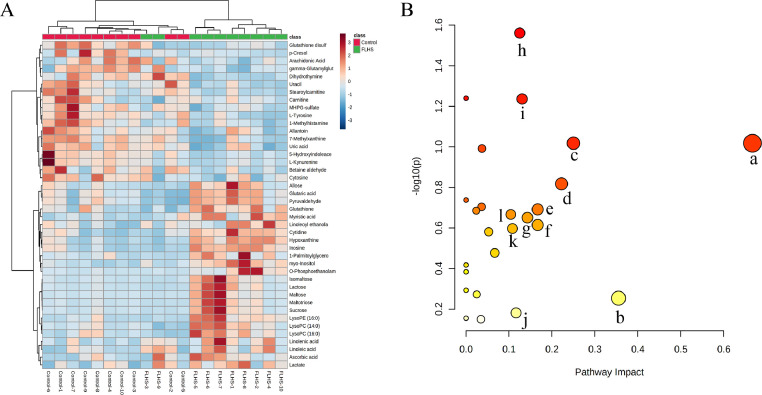
As a metabolic disease, fatty liver hemorrhagic syndrome (FLHS) has become the major factor responsible for the noninfectious cause of mortality in laying hens, which lead to huge economic losses to poultry industry. However, the pathogenesis of FLHS remains unclear. The aim of present study was to identify novel liver metabolites associated with FLHS. Twenty healthy Chinese commercial Jing Fen laying hens aged 90 d were used in present study. After acclimatization for 2 wk, the hens were divided into 2 treatments (n = 10): control group (normal diet) and FLHS group (high-energy low-protein diet). The experiment lasted for 48 d, and the laying hens were killed for blood and liver sampling at the end of the experiment. Blood biochemical indicators and liver pathological changes were examined. Meanwhile, the changes in liver metabolic profile were investigated with the application of metabolomics approach. Significant increased levels of alanine aminotransferase, aspartate aminotransferase, low density lipoprotein, total cholesterol and triglycerides, decreased high density lipoprotein (P < 0.01), and hepatic steatosis were observed in hens of FLHS group, which suggested FLHS was successfully established in this study. Distinct changes in metabolite patterns in liver between control and FLHS group were observed by partial least-squares discriminant analysis. In total, 42 liver metabolites including tyrosine, glutathione, carnitine, linoleic acid, uric acid, arachidonic acid (ARA), lactate and lysophosphatidylcholine (14: 0) were identified and considered to be related with pathogenesis of FLHS. Pathway analysis revealed that these metabolites were mainly involved in amino acid metabolism, fatty acid metabolism, ARA metabolism, glucose metabolism and glycerophospholipid metabolism. Furthermore, targeted metabolomics found that ARA metabolites such as prostaglandins and hydroxyeicosatetraenoic acids were significantly increased in FLHS group (P < 0.05). In conclusion, our data showed that liver metabolites and ARA metabolism were linked to the pathophysiology of FLHS, which provided a basis for understanding the pathogenesis of FLHS in laying hens.
作为一种代谢疾病,脂肪肝出血综合征(FLHS)已成为导致产蛋母鸡非传染性死亡的主要因素,给家禽业造成了巨大的经济损失。然而,FLHS 的发病机制尚不清楚。本研究旨在鉴定与 FLHS 相关的新型肝脏代谢物。本研究使用 20 只 90 日龄健康的中国商业荆粉产蛋母鸡。适应 2 周后,母鸡分为 2 个处理组(n = 10):对照组(正常饮食)和 FLHS 组(高能低蛋白饮食)。实验持续 48 天,实验结束时处死母鸡取血和肝脏样本。检查血液生化指标和肝脏病理变化。同时,应用代谢组学方法研究肝脏代谢谱的变化。FLHS 组母鸡的丙氨酸氨基转移酶、天冬氨酸氨基转移酶、低密度脂蛋白、总胆固醇和甘油三酯水平显著升高(P < 0.01),高密度脂蛋白水平降低,肝脏脂肪变性,表明本研究中成功建立了 FLHS。通过偏最小二乘判别分析观察到对照组和 FLHS 组肝脏代谢物图谱存在明显差异。共鉴定出 42 种肝脏代谢物,包括酪氨酸、谷胱甘肽、肉碱、亚油酸、尿酸、花生四烯酸(ARA)、乳酸和溶血磷脂酰胆碱(14:0),并认为与 FLHS 的发病机制有关。途径分析显示,这些代谢物主要涉及氨基酸代谢、脂肪酸代谢、ARA 代谢、葡萄糖代谢和甘油磷脂代谢。此外,靶向代谢组学发现,FLHS 组 ARA 代谢物如前列腺素和羟二十碳四烯酸显著增加(P < 0.05)。总之,我们的数据表明肝脏代谢物和 ARA 代谢与 FLHS 的病理生理学有关,为了解产蛋母鸡 FLHS 的发病机制提供了依据。