Li Wenju, Duan Aiping, Xing Yuexian, Xu Li, Yang Jingping
National Clinical Research Center of Kidney Diseases, Jinling Hospital, Medical School of Nanjing University, Nanjing, China.
Department of Otorhinolaryngology-Head and Neck Surgery, Jinling Hospital, Medical School of Nanjing University, Nanjing, China.
Front Cell Dev Biol. 2021 Jul 2;9:690079. doi: 10.3389/fcell.2021.690079. eCollection 2021.
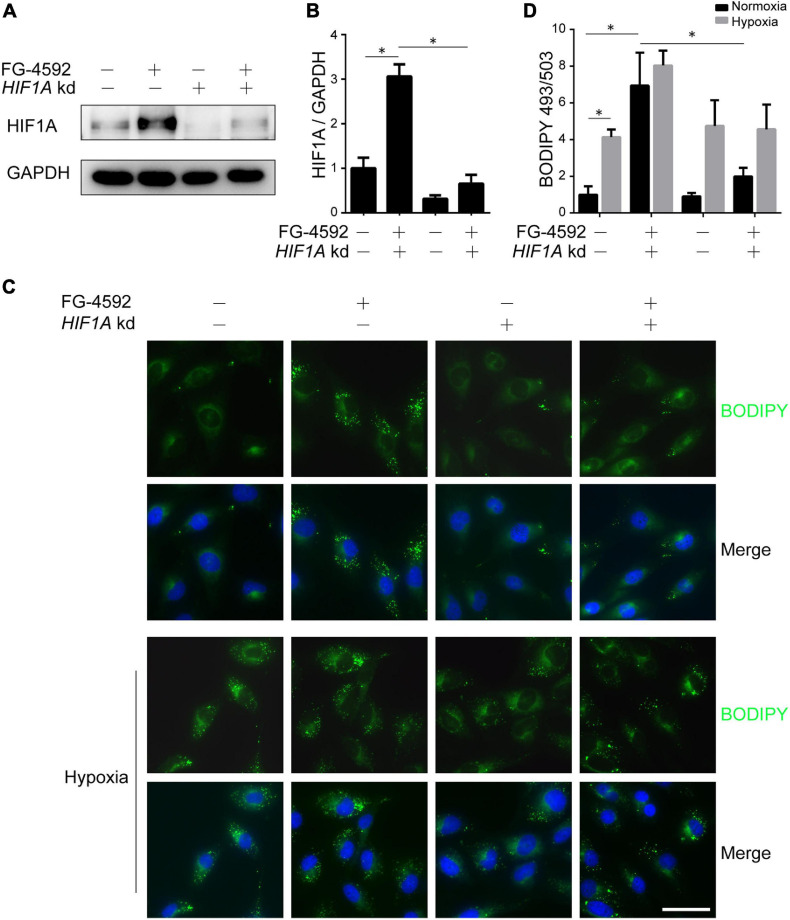
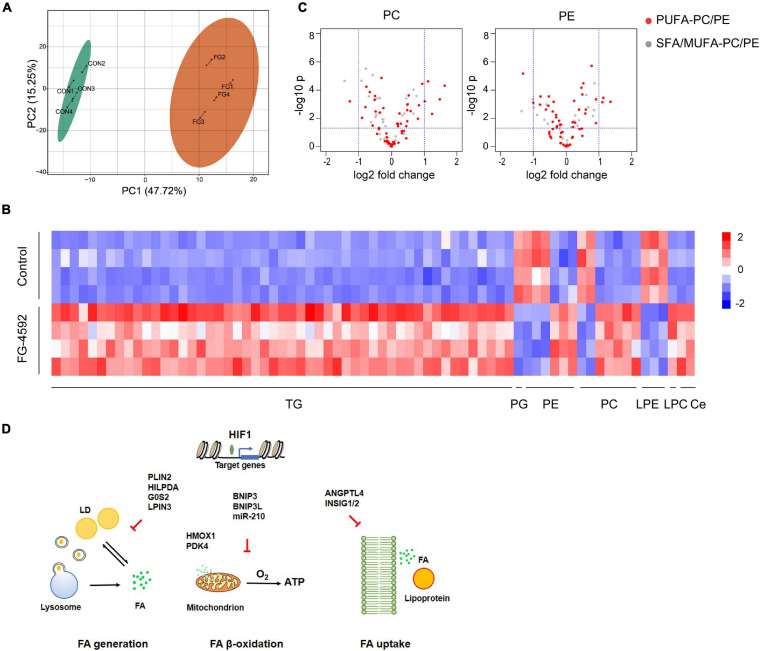
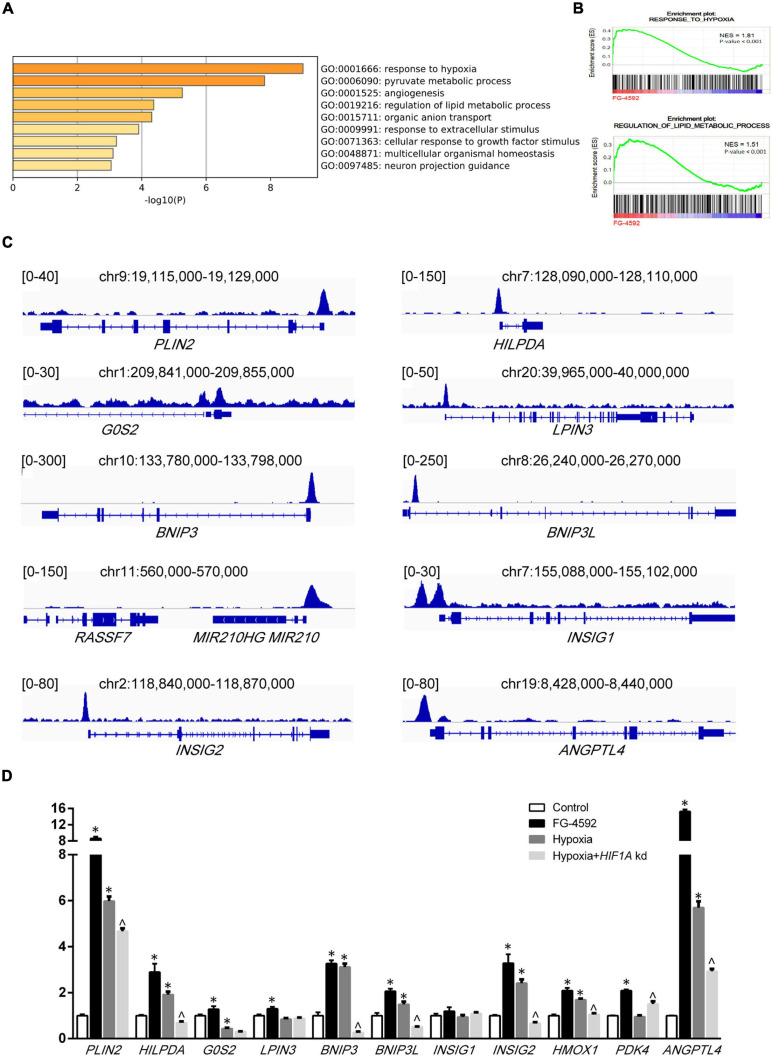
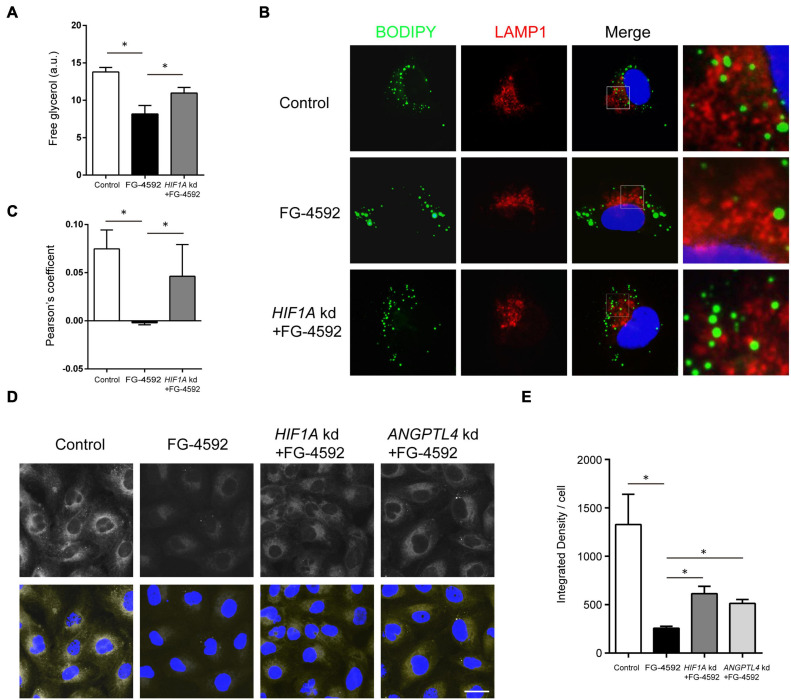
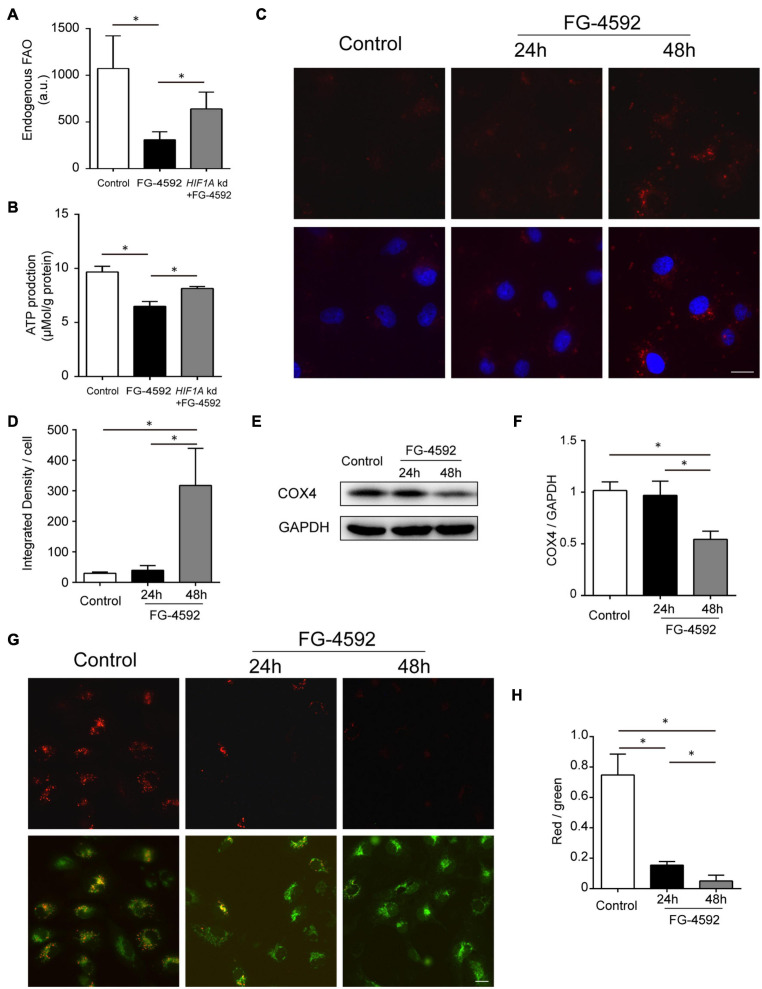
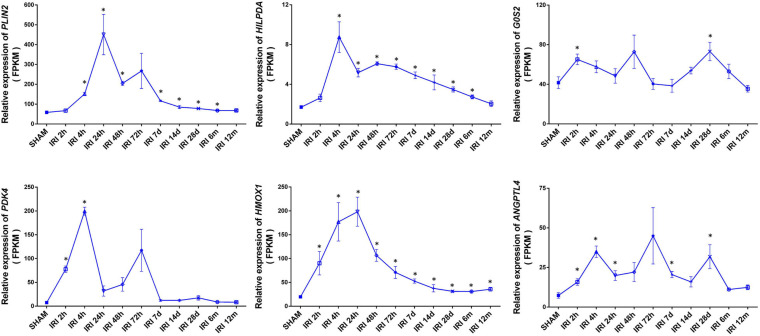
Lipid metabolism plays a basic role in renal physiology, especially in tubules. Hypoxia and hypoxia-induced factor (HIF) activation are common in renal diseases; however, the relationship between HIF and tubular lipid metabolism is poorly understood. Using prolyl hydroxylase inhibitor roxadustat (FG-4592), we verified and further explored the relationship between sustained HIF1α activation and lipid accumulation in cultured tubular cells. A transcriptome and chromatin immunoprecipitation sequencing analysis revealed that HIF1α directly regulates the expression of a number of genes possibly affecting lipid metabolism, including those associated with mitochondrial function. HIF1α activation suppressed fatty acid (FA) mobilization from lipid droplets (LDs) and extracellular FA uptake. Moreover, HIF1α decreased FA oxidation and ATP production. A lipidomics analysis showed that FG-4592 caused strong triglyceride (TG) accumulation and increased some types of phospholipids with polyunsaturated fatty acyl (PUFA) chains, as well as several proinflammatory lipids. Nevertheless, the overall FA level was maintained. Thus, our study indicated that HIF1α reduced the FA supply and utilization and reconstructed the composition of lipids in tubules, which is likely a part of hypoxic adaptation but could also be involved in pathological processes in the kidney.
脂质代谢在肾脏生理学中发挥着基础作用,尤其是在肾小管中。缺氧和缺氧诱导因子(HIF)激活在肾脏疾病中很常见;然而,HIF与肾小管脂质代谢之间的关系却知之甚少。我们使用脯氨酰羟化酶抑制剂罗沙司他(FG-4592),验证并进一步探究了在培养的肾小管细胞中持续的HIF1α激活与脂质积累之间的关系。转录组和染色质免疫沉淀测序分析表明,HIF1α直接调节许多可能影响脂质代谢的基因的表达,包括那些与线粒体功能相关的基因。HIF1α激活抑制了脂肪酸(FA)从脂滴(LDs)的动员以及细胞外FA的摄取。此外,HIF1α降低了FA氧化和ATP生成。脂质组学分析表明,FG-4592导致强烈的甘油三酯(TG)积累,并增加了一些带有多不饱和脂肪酰基(PUFA)链的磷脂类型以及几种促炎脂质。然而,总体FA水平得以维持。因此,我们的研究表明,HIF1α减少了FA的供应和利用,并重构了肾小管中的脂质组成,这可能是缺氧适应的一部分,但也可能参与了肾脏的病理过程。