Department of Pediatrics, Medical College of Georgia, Augusta University, Augusta, Georgia, United States of America.
Department of Chemistry, Chemical Instrumentation Center (CIC), Boston University, Boston Massachusetts, United States of America.
PLoS One. 2021 Jul 19;16(7):e0254116. doi: 10.1371/journal.pone.0254116. eCollection 2021.
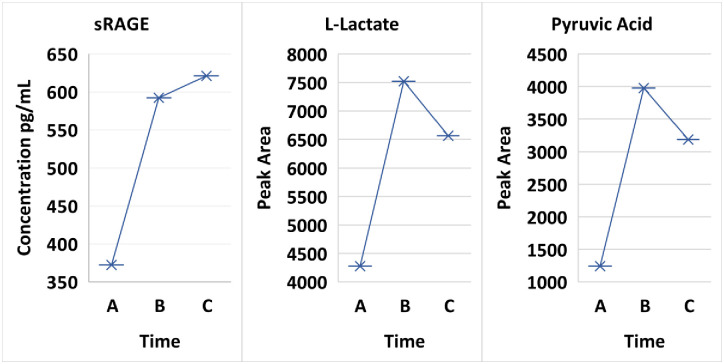
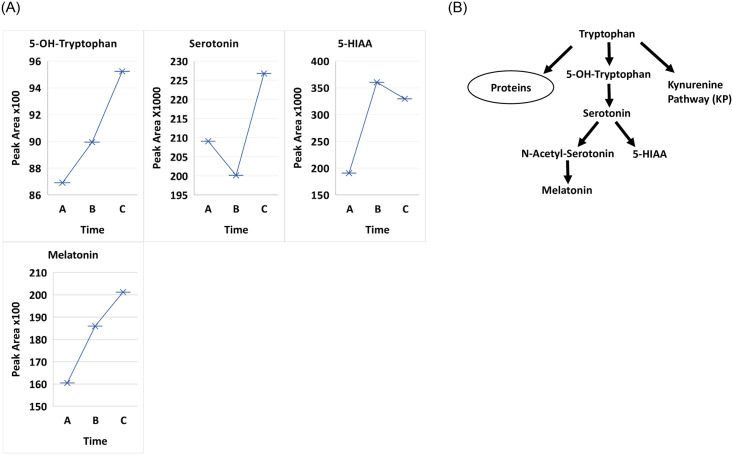
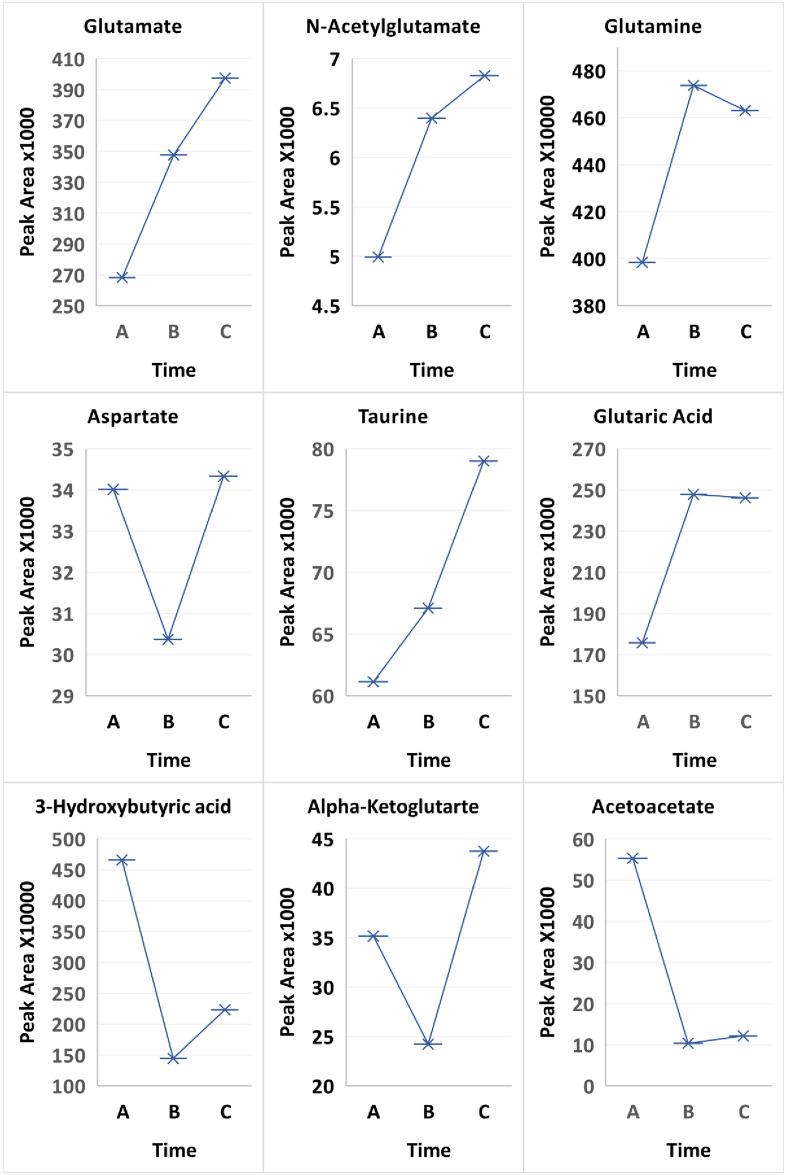
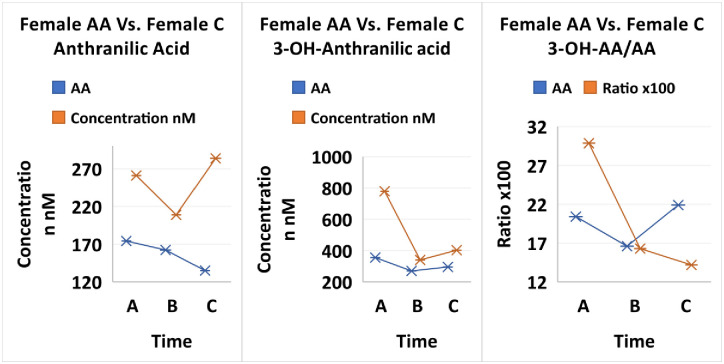
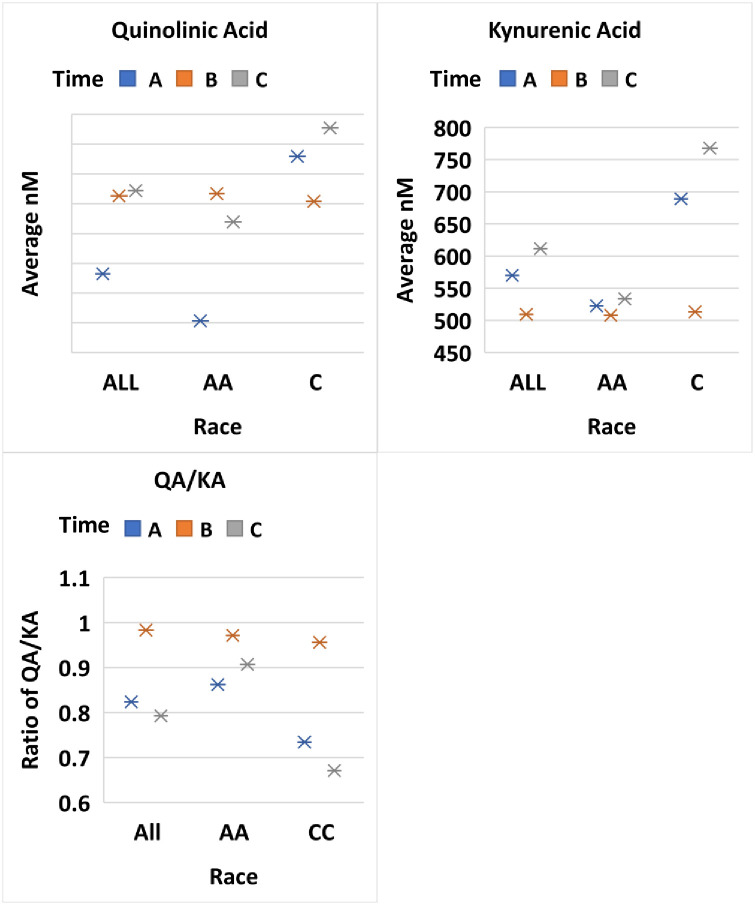
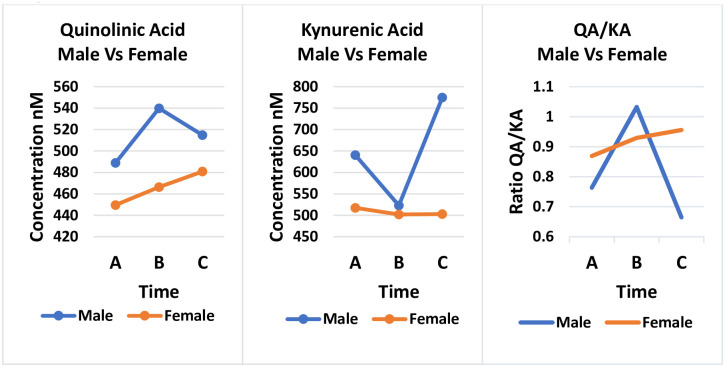
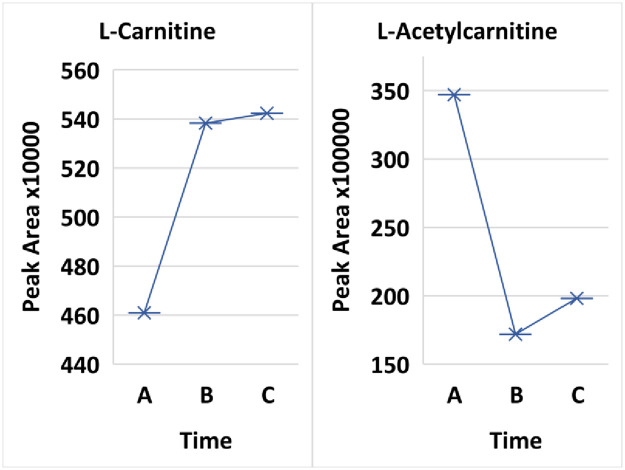
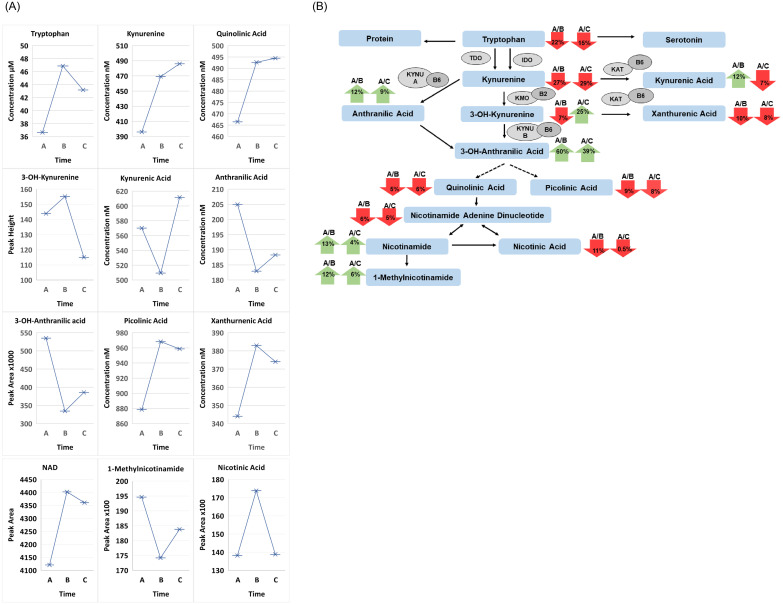
Diabetic ketoacidosis (DKA) is a serious complication of complete insulin deficiency and insulin resistance in Type 1 diabetes (T1D). This results in the body producing high levels of serum ketones in an attempt to compensate for the insulin deficiency and decreased glucose utilization. DKA's metabolic and immunologic dysregulation results in gradual increase of systemic and cerebral oxidative stress, along with low grade systemic and cerebral inflammation and the development of pretreatment subclinical BE. During treatment the early progression of oxidative stress and inflammation is hypothesized to advance the possibility of occurrence of crisis of clinical brain edema (BE), which is the most important cause of morbidity and mortality in pediatric DKA. Longitudinal neurocognitive studies after DKA treatment show progressive and latent deficits of cognition and emphasize the need for more effective DKA treatment of this long-standing conundrum of clinical BE, in the presence of systemic osmotic dehydration, metabolic acidosis and immune dysregulation. Candidate biomarkers of several systemic and neuroinflammatory pathways prior to treatment also progress during treatment, such as the neurotoxic and neuroprotective molecules in the well-recognized tryptophan (TRP)/kynurenine pathway (KP) that have not been investigated in DKA. We used LC-MS/MS targeted mass spectrometry analysis to determine the presence and initiation of the TRP/KP at three time points: A) 6-12 hours after initiation of treatment; B) 2 weeks; and C) 3 months following DKA treatment to determine if they might be involved in the pathogenesis of the acute vasogenic complication of DKA/BE. The Trp/KP metabolites TRP, KYN, quinolinic acid (QA), xanthurnenic acid (XA), and picolinic acid (PA) followed a similar pattern of lower levels in early treatment, with subsequent increases. Time point A compared to Time points B and C were similar to the pattern of sRAGE, lactate and pyruvic acid. The serotonin/melatonin metabolites also followed a similar pattern of lower quantities at the early stages of treatment compared to 3 months after treatment. In addition, glutamate, n-acetylglutamate, glutamine, and taurine were all lower at early treatment compared to 3 months, while the ketones 3-hydroxybutaric acid and acetoacetate were significantly higher in the early treatment compared to 3 months. The two major fat metabolites, L-carnitine and acetyl-L-carnitine (ALC) changed inversely, with ALC significantly decreasing at 2 weeks and 3 months compared to the early stages of treatment. Both anthranilic acid (AA) and 3-OH-anthranilic acid (3OH-AA) had overall higher levels in the early stages of treatment (A) compared to Time points (B and C). Interestingly, the levels of AA and 3OH-AA early in treatment were higher in Caucasian females compared to African American females. There were also differences in the metabolite levels of QA and kynurenic acid (KA) between genders and between races that may be important for further development of custom targeted treatments. We hypothesize that the TRP/KP, along with the other inflammatory pathways, is an active participant in the metabolic and immunologic pathogenesis of DKA's acute and chronic insults.
糖尿病酮症酸中毒(DKA)是 1 型糖尿病(T1D)中完全胰岛素缺乏和胰岛素抵抗的严重并发症。这导致身体产生高水平的血清酮,试图补偿胰岛素缺乏和葡萄糖利用减少。DKA 的代谢和免疫调节紊乱导致全身和大脑氧化应激逐渐增加,同时伴有低度全身和大脑炎症以及预处理亚临床 BE 的发展。在治疗过程中,氧化应激和炎症的早期进展被假设会增加发生临床脑水肿(BE)危机的可能性,这是儿科 DKA 发病率和死亡率的最重要原因。DKA 治疗后的纵向神经认知研究显示认知逐渐和潜在的缺陷,并强调需要更有效地治疗 DKA,以解决临床 BE 这一长期存在的难题,同时存在全身渗透性脱水、代谢性酸中毒和免疫调节紊乱。治疗前几个系统和神经炎症途径的候选生物标志物也在治疗过程中进展,例如众所周知的色氨酸(TRP)/犬尿氨酸途径(KP)中的神经毒性和神经保护分子,这些分子在 DKA 中尚未得到研究。我们使用 LC-MS/MS 靶向质谱分析来确定 TRP/KP 在三个时间点的存在和启动:A)治疗开始后 6-12 小时;B)2 周;C)DKA 治疗后 3 个月,以确定它们是否可能参与 DKA/BE 的急性血管源性并发症的发病机制。色氨酸/犬尿氨酸途径的代谢物色氨酸(TRP)、犬尿氨酸(KYN)、喹啉酸(QA)、黄尿酸(XA)和吡啶甲酸(PA)在早期治疗中表现出相似的低水平模式,随后增加。与时间点 B 和 C 相比,时间点 A 与 sRAGE、乳酸和丙酮酸的模式相似。5-羟色胺/褪黑素代谢物在治疗早期的数量也低于治疗 3 个月后的数量。此外,谷氨酸、N-乙酰谷氨酸、谷氨酰胺和牛磺酸在早期治疗时均低于 3 个月,而 3-羟基丁酸和乙酰乙酸在早期治疗时明显高于 3 个月。两种主要的脂肪代谢物肉碱和乙酰肉碱(ALC)呈相反变化,与早期治疗相比,2 周和 3 个月时 ALC 明显降低。与时间点(B 和 C)相比,在早期治疗(A)时,均苯三甲酸(AA)和 3-羟基均苯三甲酸(3OH-AA)的水平总体较高。有趣的是,与非裔美国女性相比,在治疗早期(A)时,AA 和 3OH-AA 的水平在白种女性中更高。QA 和犬尿氨酸(KA)的代谢物水平在性别和种族之间也存在差异,这可能对进一步开发定制靶向治疗很重要。我们假设 TRP/KP 与其他炎症途径一起,是 DKA 急性和慢性损伤代谢和免疫发病机制的积极参与者。