Fang Yan, Huang Sihao, Han Lei, Wang Shuyi, Xiong Bin
Department of Gastrointestinal Surgery & Department of Gastric and Colorectal Surgical Oncology, Zhongnan Hospital of Wuhan University, Wuhan, 430071, People's Republic of China.
Hubei Key Laboratory of Tumor Biological Behaviors, Zhongnan Hospital of Wuhan university, Wuhan, 430071, People's Republic of China.
Cancer Manag Res. 2021 Jul 12;13:5599-5611. doi: 10.2147/CMAR.S318704. eCollection 2021.
Gastric cancer peritoneal metastasis has high mortality. At present, there is no effective way to cure the patients diagnosed with gastric cancer peritoneal metastasis due to its indistinct molecular mechanism. Therefore, to understand the pathogenesis and help for further target therapy, we conduct comprehensive analysis of peritoneal metastasis by bioinformatics in gastric cancer.
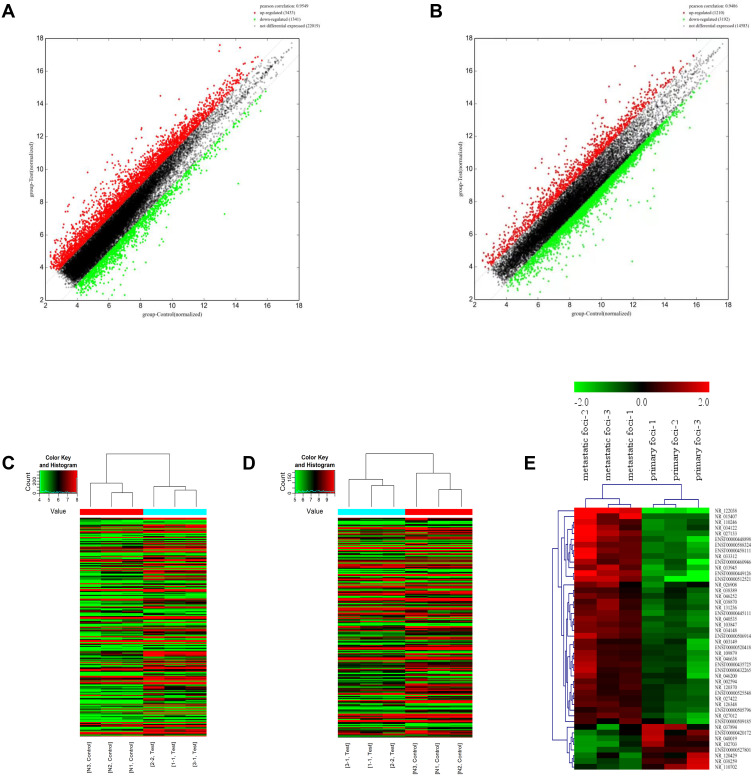
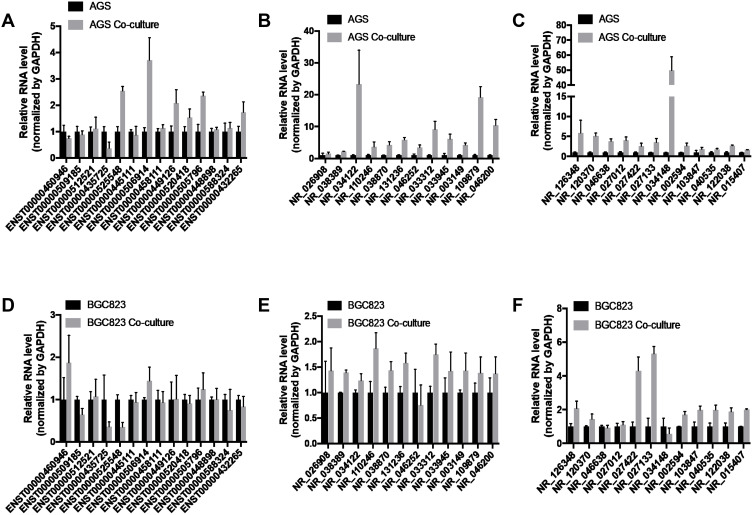
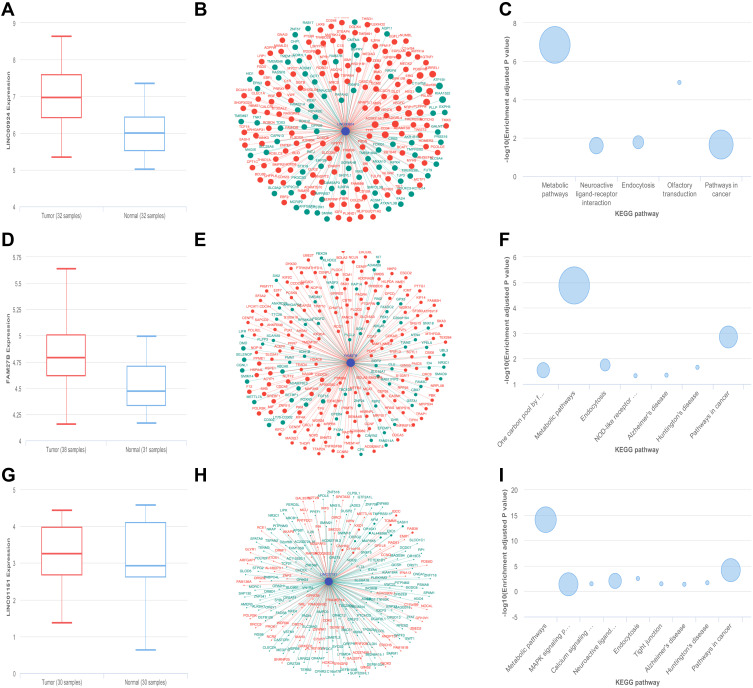
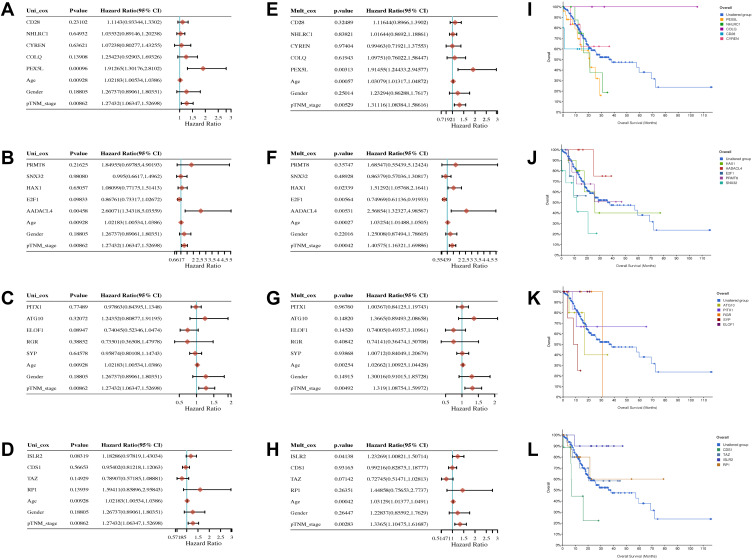
Microarray sequencing was used to find differential mRNAs and long non-coding RNAs (lncRNAs) expression between primary foci and peritoneal metastases lesion in gastric cancer. RT-qPCR was used to verify the expression levels of lncRNAs in gastric cancer cells after co-culture with adipocytes. TCGA, Cytoscape, lnCAR, cBioPoratal and R packages (ggrisk, survival, survminer, timeROC, forestplot, immunedeconv, ggplot2, pheatmap and ggpubr) were applied in this work.
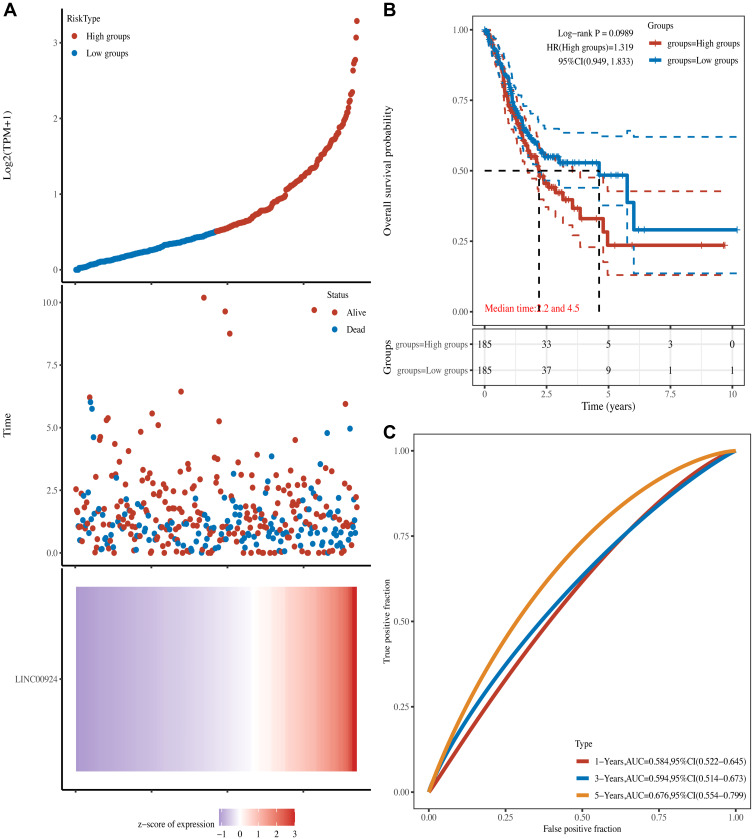
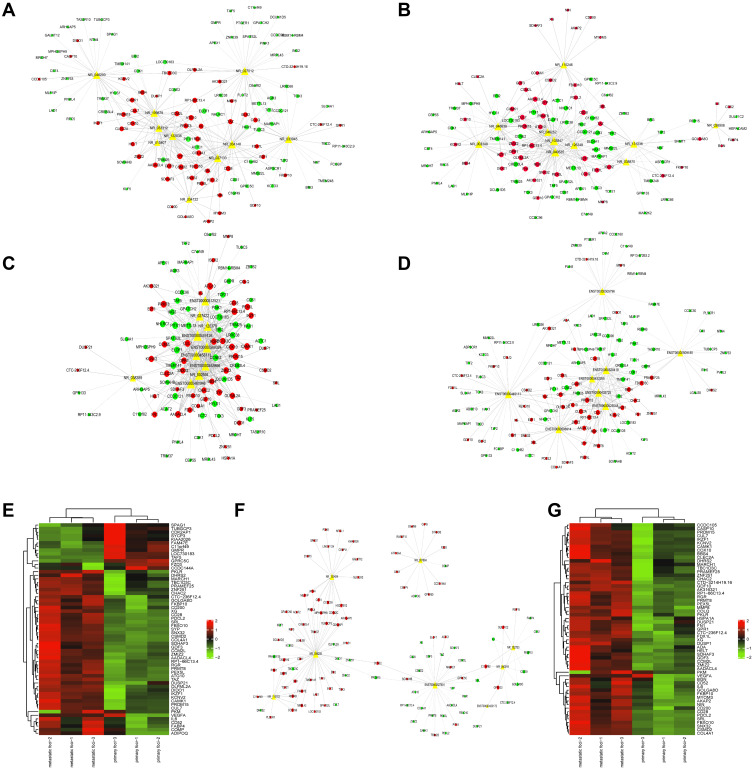
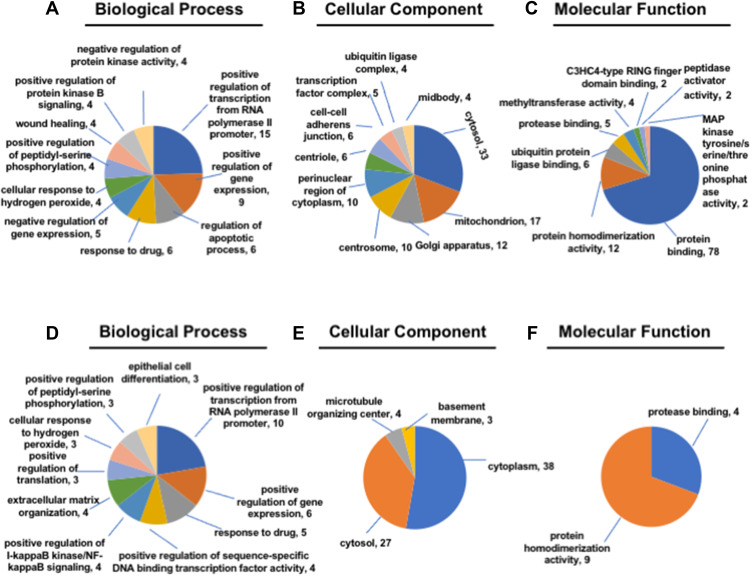
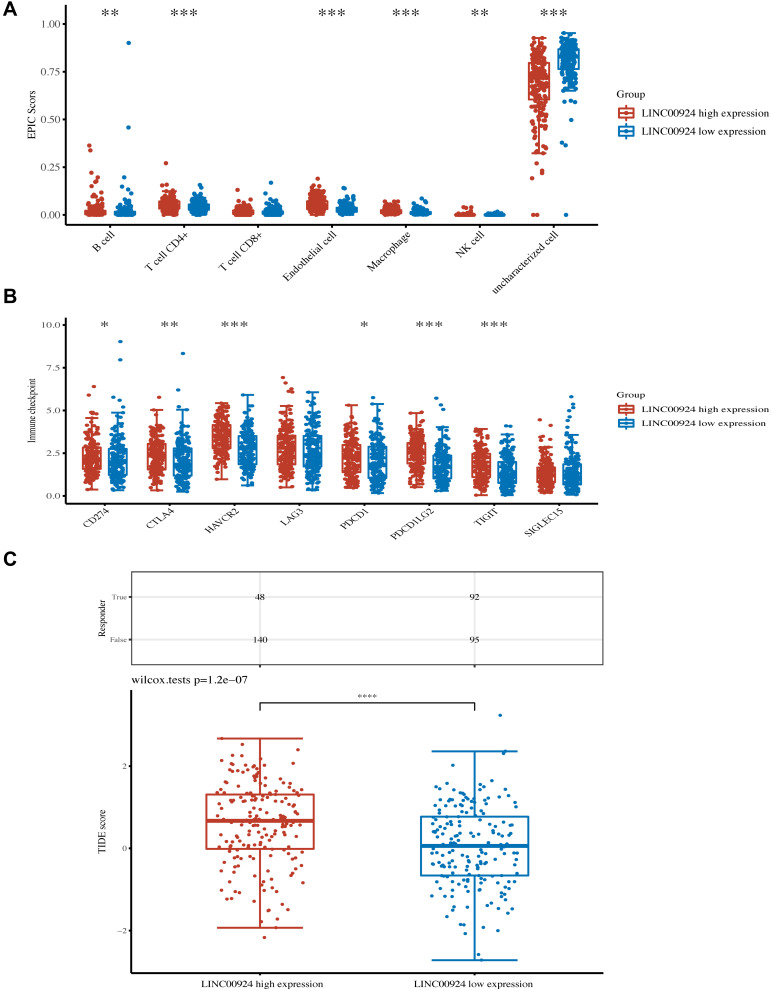
Adipocytes co-culture model was used to mimic the peritoneal microenvironment and found that LINC01151 (NR_126348), FAM27B (NR_027422) and LINC00924 (NR_027133) were up-regulated in co-culture group. Increased LINC00924 expression was significantly associated with reduced overall survival and up-regulated percentage abundance of tumor-infiltrating CD8 T, B, macrophage and NK immune cells; moreover, immune checkpoint blockers (ICBs) had a worse effect on the LINC00924 high expression group. Furthermore, through univariate and multivariate Cox regression analysis, we found that LINC00924-related PEX5L in CNC network was an independent prognostic factor in gastric cancer progression.
LINC00924 expression was associated with poor survival, immune infiltrations and worse response to ICBs. LINC00924 might be immunotherapeutic targets of advanced gastric cancer.
胃癌腹膜转移死亡率高。目前,由于其分子机制尚不明确,对于诊断为胃癌腹膜转移的患者尚无有效的治愈方法。因此,为了解其发病机制并有助于进一步的靶向治疗,我们通过生物信息学对胃癌腹膜转移进行综合分析。
采用微阵列测序来发现胃癌原发灶与腹膜转移灶之间差异mRNA和长链非编码RNA(lncRNA)的表达。采用RT-qPCR验证脂肪细胞共培养后胃癌细胞中lncRNA的表达水平。本研究应用了TCGA、Cytoscape、lnCAR、cBioPoratal和R包(ggrisk、survival、survminer、timeROC、forestplot、immunedeconv、ggplot2、pheatmap和ggpubr)。
采用脂肪细胞共培养模型模拟腹膜微环境,发现共培养组中LINC01151(NR_126348)、FAM27B(NR_027422)和LINC00924(NR_027133)上调。LINC00924表达增加与总生存期缩短及肿瘤浸润性CD8 T细胞、B细胞、巨噬细胞和NK免疫细胞的百分比丰度上调显著相关;此外,免疫检查点阻断剂(ICB)对LINC00924高表达组的疗效更差。此外,通过单因素和多因素Cox回归分析,我们发现CNC网络中与LINC00924相关的PEX5L是胃癌进展的独立预后因素。
LINC00924表达与不良生存、免疫浸润及对ICB的反应较差有关。LINC00924可能是晚期胃癌的免疫治疗靶点。