Niu Juan, Sun Zhimin, Shi Yaliang, Huang Kunyong, Zhong Yicheng, Chen Jing, Chen Jianhua, Luan Mingbao
Institute of Bast Fiber Crops, Chinese Academy of Agricultural Sciences, Ministry of Agriculture, Changsha, China.
Front Nutr. 2021 Jul 5;8:684271. doi: 10.3389/fnut.2021.684271. eCollection 2021.
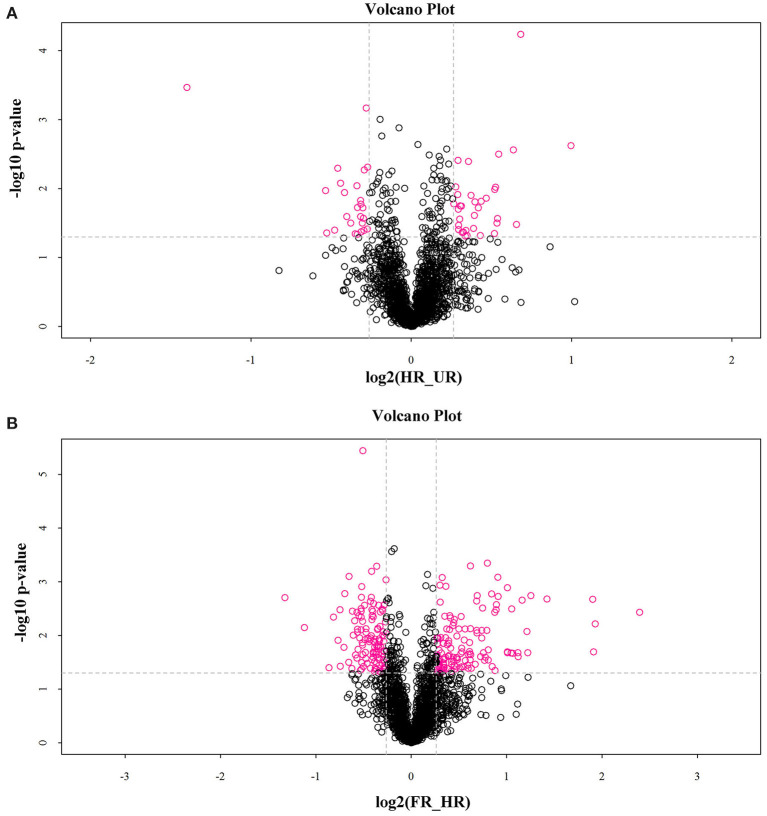
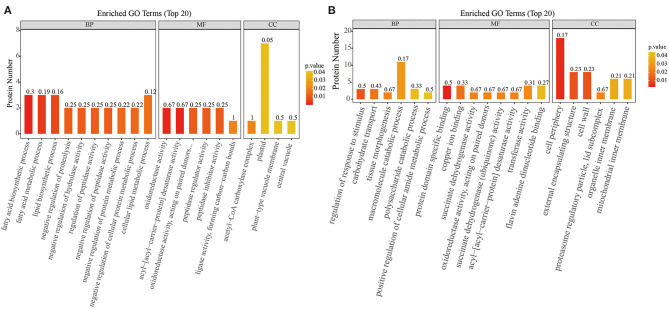
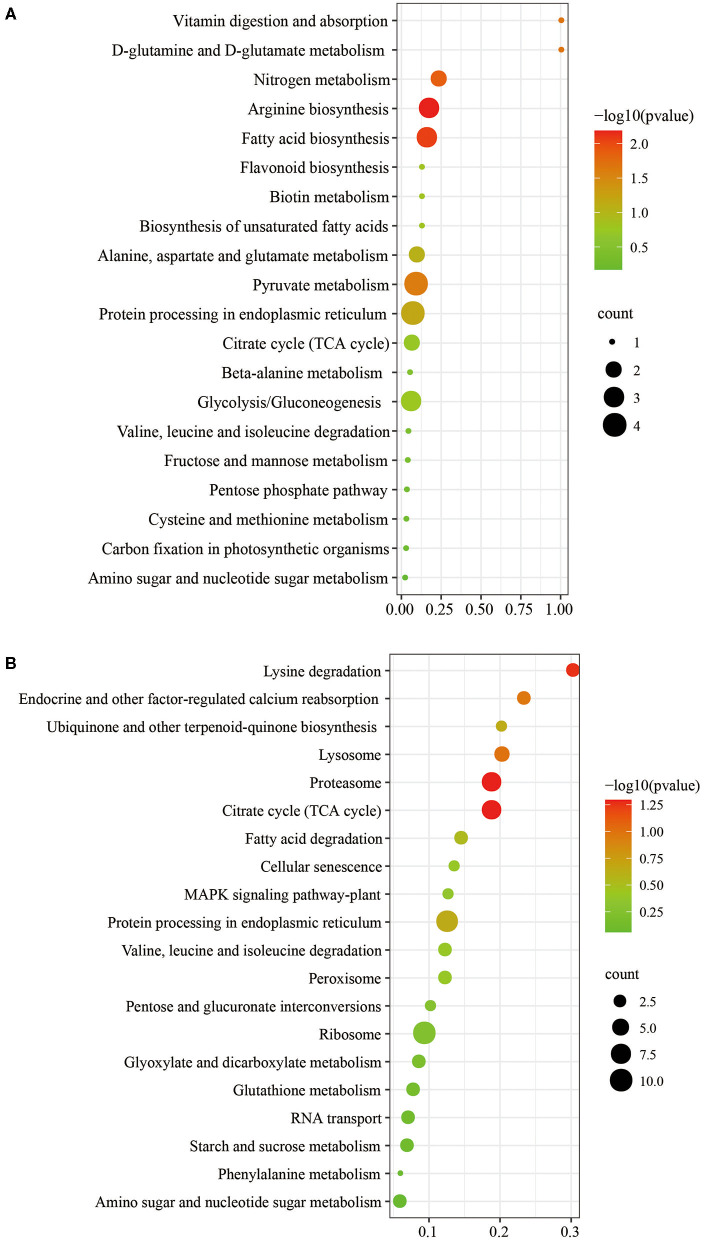
Owing to its medicinal and high nutritional values, can be considered as a new type of medicinal and edible homologous resources, and it has begun to be widely cultivated in many areas of China. Over-softening of fruit would affect the sensorial quality, utilization rate, and consumer acceptance of the fruit postharvest. However, fruit softening has not been characterized and the molecular mechanism underlying fruit softening during ripening remains unclear. A comparative proteomic analysis was performed on the fruit at three developmental stages using tandem mass tag technology. In total, 2,839 proteins and 302 differentially abundant proteins (DAPs) were identified. Bioinformatics analysis indicated that most DAPs were implicated in oxidoreductase activity, protein domain-specific binding and pyruvate metabolism. Moreover, 29 DAPs associated with cell wall metabolism, plant hormone, and stress and defense response pathways were validated using quantitative PCR. Notably, pectinesterase, pectate lyase, and β-galactosidase, which are involved in cell wall degradation, as well as gibberellin regulated protein, cysteine protease, thaumatin-like protein and heat shock proteins which is involved in plant hormone, and stress and defense response, were significantly up-regulated in softening fruit compared with the levels in non-softening fruit. This indicated that they might play key roles in fruit softening. Our findings will provide new insights into potential genes influencing fruit softening traits of , which will help to develop strategies to improve fruit quality and reduce softening-related losses.
由于其药用和高营养价值,可被视为一种新型药食同源资源,并且已开始在中国许多地区广泛种植。果实过度软化会影响采后果实的感官品质、利用率和消费者接受度。然而,果实软化尚未得到表征,其成熟过程中果实软化的分子机制仍不清楚。利用串联质谱标签技术对果实三个发育阶段进行了比较蛋白质组学分析。总共鉴定出2839种蛋白质和302种差异丰富蛋白质(DAPs)。生物信息学分析表明,大多数DAPs与氧化还原酶活性、蛋白质结构域特异性结合和丙酮酸代谢有关。此外,使用定量PCR验证了29种与细胞壁代谢、植物激素以及应激和防御反应途径相关的DAPs。值得注意的是,参与细胞壁降解的果胶酯酶、果胶酸裂解酶和β-半乳糖苷酶,以及参与植物激素、应激和防御反应的赤霉素调节蛋白、半胱氨酸蛋白酶、类thaumatin蛋白和热休克蛋白,在软化果实中的水平与未软化果实相比显著上调。这表明它们可能在果实软化中起关键作用。我们的研究结果将为影响果实软化性状的潜在基因提供新的见解,这将有助于制定提高果实品质和减少与软化相关损失的策略。