Research Center of Molecular Exercise Science, University of Physical Education, H-1123 Budapest, Hungary.
Department of Molecular Immunology and Toxicology, National Institute of Oncology, H-1122 Budapest, Hungary.
Int J Mol Sci. 2021 Jul 15;22(14):7588. doi: 10.3390/ijms22147588.
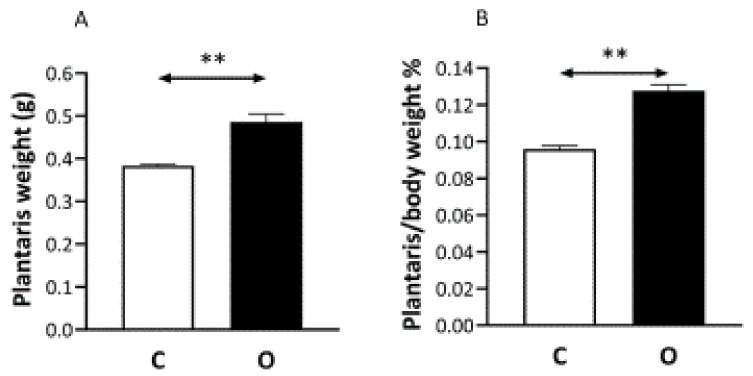
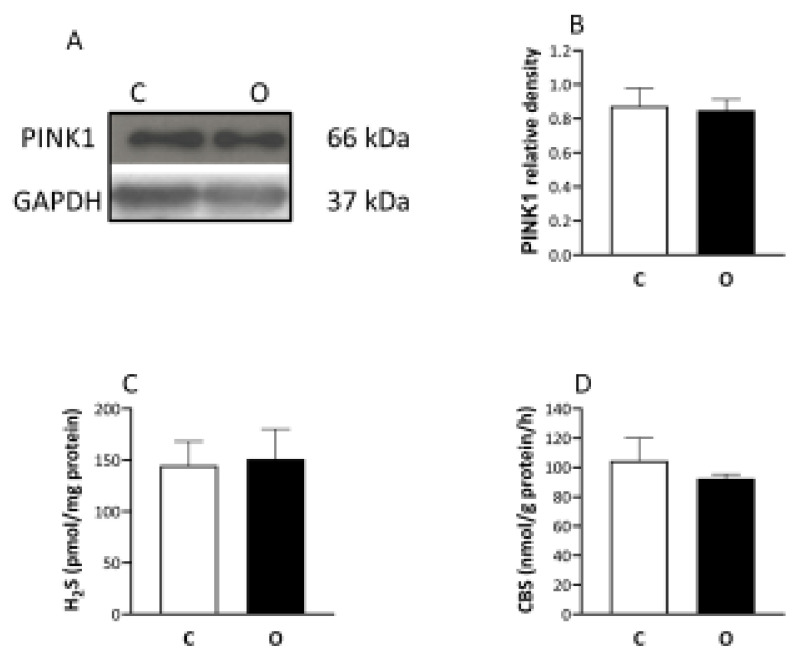
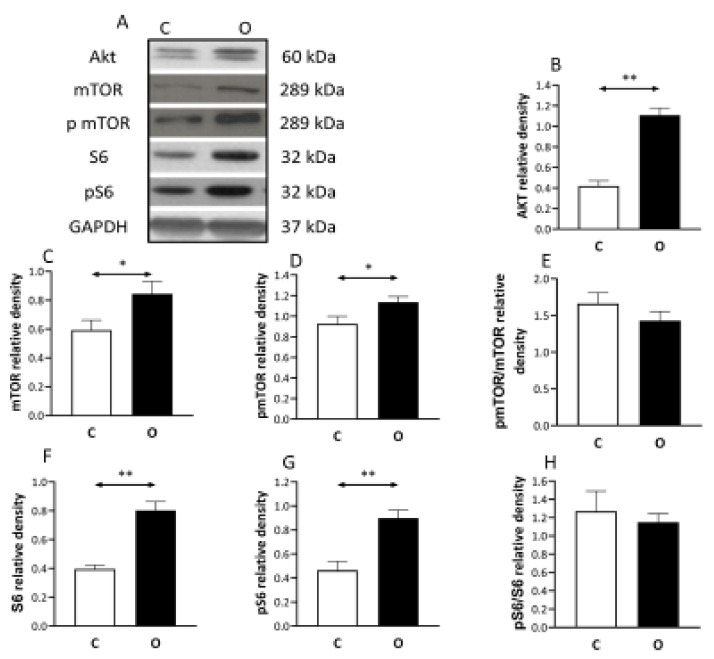
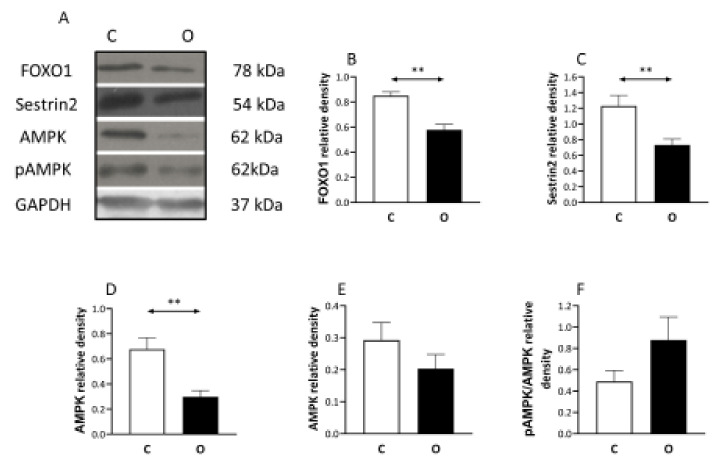
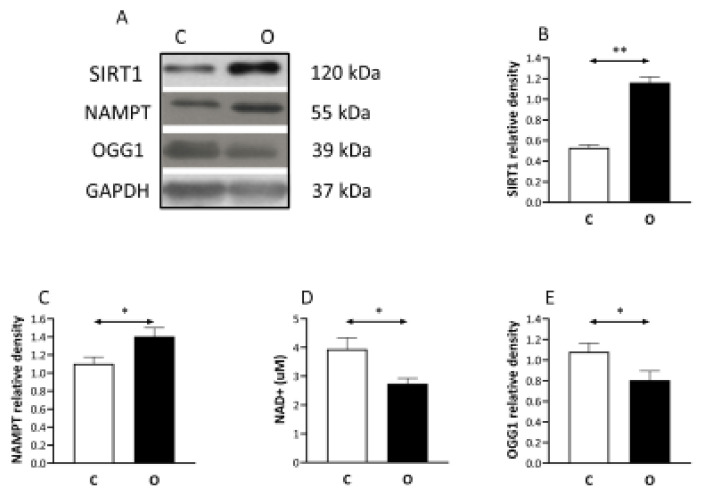
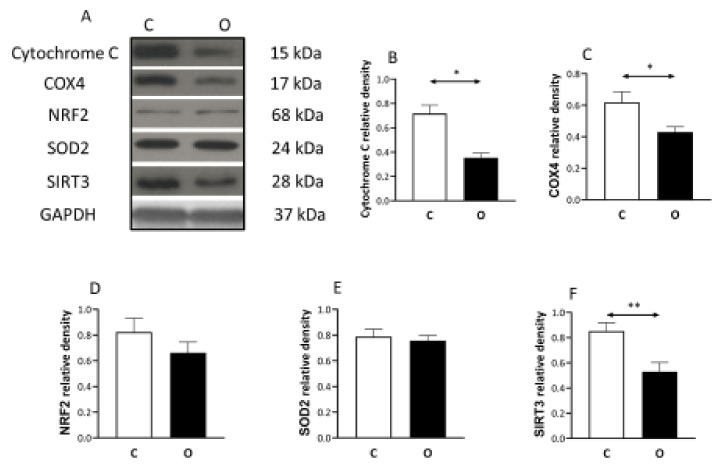
Despite the intensive investigation of the molecular mechanism of skeletal muscle hypertrophy, the underlying signaling processes are not completely understood. Therefore, we used an overload model, in which the main synergist muscles (gastrocnemius, soleus) of the plantaris muscle were surgically removed, to cause a significant overload in the remaining plantaris muscle of 8-month-old Wistar male rats. SIRT1-associated pro-anabolic, pro-catabolic molecular signaling pathways, NAD and HS levels of this overload-induced hypertrophy were studied. Fourteen days of overload resulted in a significant 43% ( < 0.01) increase in the mass of plantaris muscle compared to sham operated animals. Cystathionine-β-synthase (CBS) activities and bioavailable HS levels were not modified by overload. On the other hand, overload-induced hypertrophy of skeletal muscle was associated with increased SIRT1 ( < 0.01), Akt ( < 0.01), mTOR, S6 ( < 0.01) and suppressed sestrin 2 levels ( < 0.01), which are mostly responsible for anabolic signaling. Decreased FOXO1 and SIRT3 signaling ( < 0.01) suggest downregulation of protein breakdown and mitophagy. Decreased levels of NAD, sestrin2, OGG1 ( < 0.01) indicate that the redox milieu of skeletal muscle after 14 days of overloading is reduced. The present investigation revealed novel cellular interactions that regulate anabolic and catabolic processes in the hypertrophy of skeletal muscle.
尽管人们对骨骼肌肥大的分子机制进行了深入研究,但其中的信号转导过程仍未完全阐明。因此,我们使用了一种超负荷模型,即通过手术切除比目鱼肌的主要协同肌(腓肠肌、跖肌),以使植烷肌在 8 月龄 Wistar 雄性大鼠中产生显著的超负荷。我们研究了 SIRT1 相关的促合成代谢、促分解代谢的分子信号通路、NAD 和 HS 水平在这种超负荷诱导的肥大中的变化。与假手术组相比,14 天的超负荷导致植烷肌的质量显著增加了 43%(<0.01)。胱硫醚-β-合酶(CBS)活性和生物可利用的 HS 水平不受超负荷的影响。另一方面,骨骼肌的超负荷诱导肥大与 SIRT1(<0.01)、Akt(<0.01)、mTOR、S6(<0.01)的增加以及 sestrin 2 水平的抑制(<0.01)有关,这些都是合成代谢信号的主要原因。FOXO1 和 SIRT3 信号的降低(<0.01)表明蛋白质分解和线粒体自噬的下调。NAD、sestrin2 和 OGG1 水平的降低(<0.01)表明,超负荷 14 天后骨骼肌的氧化还原环境减弱。本研究揭示了调节骨骼肌肥大中合成代谢和分解代谢过程的新的细胞相互作用。