Zhang Jun, Liu Tang-Fen, Shan Hua, Wan Zhong-Yuan, Wang Zhe, Viswanath Omar, Paladini Antonella, Varrassi Giustino, Wang Hai-Qiang
Department of Orthopaedics, Baoji Central Hospital, Baoji, 721008, Shaanxi, China.
School of Public Health, Xi'an Jiaotong University Health Science Center, Xi'an, 710061, Shaanxi, China.
Pain Ther. 2021 Dec;10(2):941-959. doi: 10.1007/s40122-021-00293-6. Epub 2021 Jul 28.
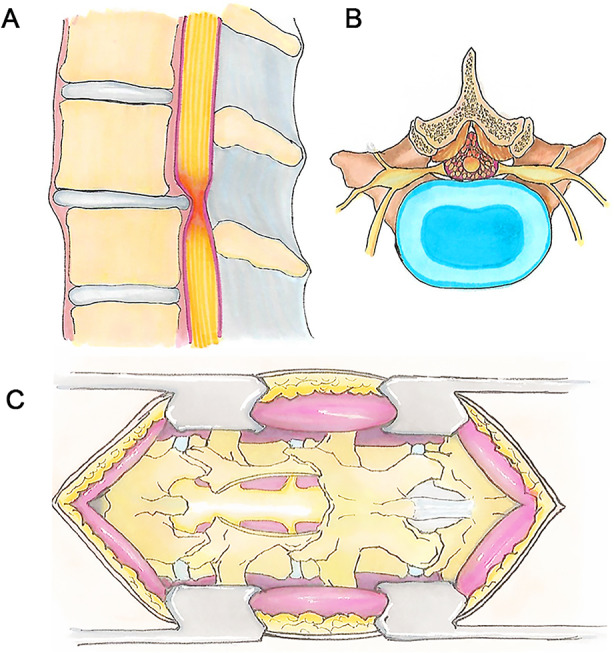
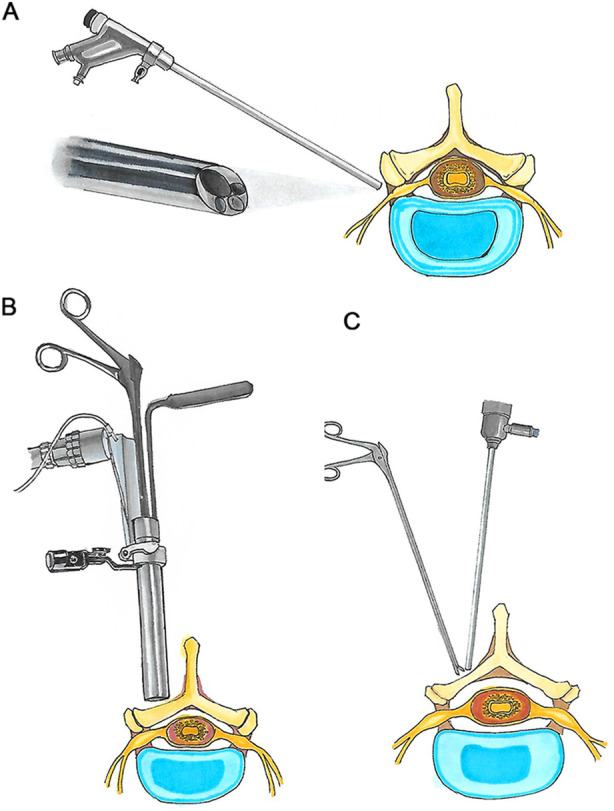
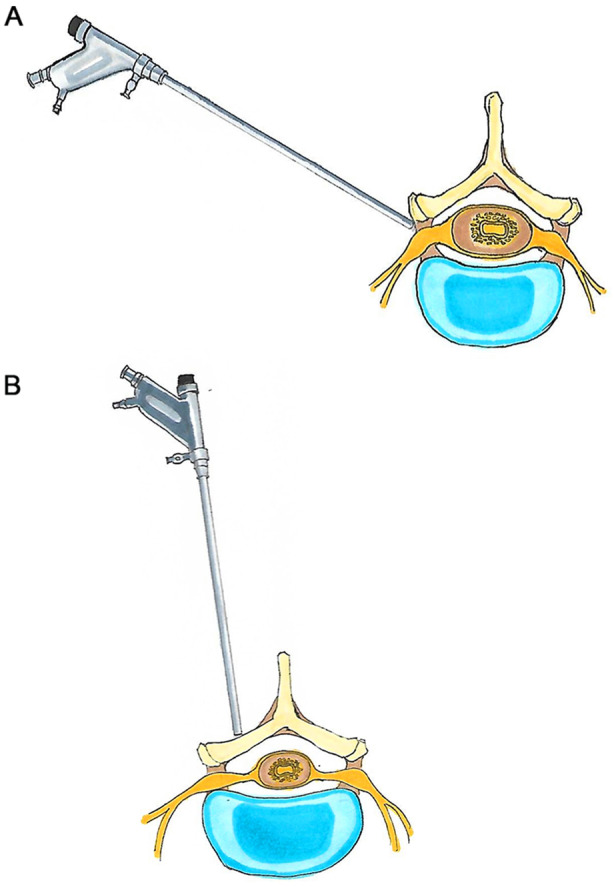
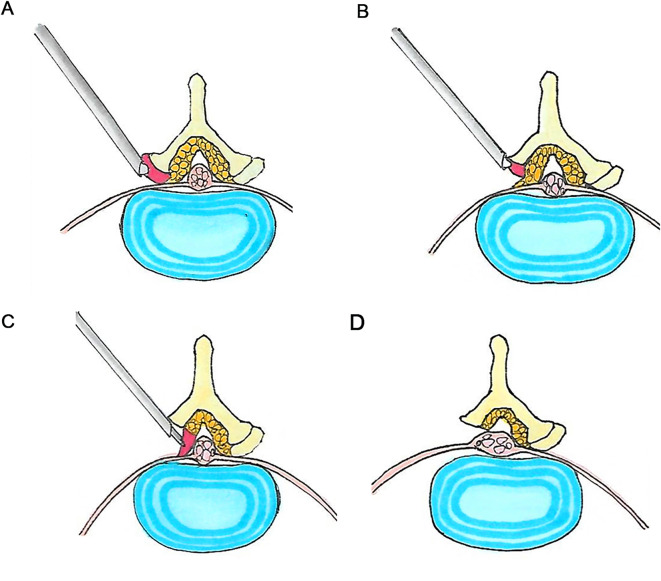
Lumbar spinal stenosis (LSS), which often occurs concurrently with degenerative spondylolisthesis (DS), is a common disease in the elderly population, affecting the quality of life of aged people significantly. Notwithstanding the frequently good effect of conservative therapy on LSS, a minority of the patients ultimately require surgery. Surgery for LSS aims to decompress the narrowed spinal canals with preservation of spinal stability. Traditional open surgery, either pure decompression or decompression with fusion, was considered effective for the treatment of LSS with or without DS. However, the long-term clinical outcomes of traditional open surgery are still unclear. Moreover, the disadvantages of conventional open surgery are extensive, examples including tissue injuries or secondary instability, with limited outcomes and significant reoperation rates. With the development and improvement of surgical tools, various minimally invasive spine surgery (MISS) methods, including indirect decompression techniques of interspinous process devices (IPDs) and direct decompression techniques such as microscopic spine surgery or endoscopic spine surgery (ESS), have been updated with enhancement. IPDs, such as Superion devices, were reported to behave with comparable physical function, disability, and symptoms outcomes to laminectomy decompression. As an emerging technique of MISS, ESS has beneficial hallmarks including minimal tissue injuries, reduced complication rates, and shortened recovery periods, thus gaining popularity in recent years. ESS can be classified in terms of endoscopic hallmarks and approaches. Predictably, with the continuous development and gradual maturity, MISS is expected to replace traditional open surgery widely in the surgical treatment of LSS associated with DS in the future.
腰椎管狭窄症(LSS)常与退变性腰椎滑脱(DS)同时发生,是老年人群中的常见疾病,严重影响老年人的生活质量。尽管保守治疗对LSS通常有较好效果,但仍有少数患者最终需要手术。LSS手术旨在减压狭窄的椎管并保持脊柱稳定性。传统的开放手术,无论是单纯减压还是减压融合,都被认为对伴有或不伴有DS的LSS治疗有效。然而,传统开放手术的长期临床结果仍不明确。此外,传统开放手术的缺点众多,包括组织损伤或继发性不稳定、疗效有限以及再手术率较高。随着手术工具的发展和改进,各种微创脊柱手术(MISS)方法不断更新,包括棘突间装置(IPD)的间接减压技术以及显微镜下脊柱手术或内镜下脊柱手术(ESS)等直接减压技术。据报道,Superion等IPD在身体功能、残疾程度和症状改善方面与椎板切除术减压效果相当。作为MISS的一种新兴技术,ESS具有组织损伤小、并发症发生率低、恢复时间短等优点,近年来越来越受欢迎。ESS可根据内镜特点和手术入路进行分类。可以预见,随着不断发展和逐渐成熟,MISS有望在未来广泛取代传统开放手术用于治疗与DS相关的LSS。