.
Acta Biomed. 2021 Jul 29;92(S2):e2021028. doi: 10.23750/abm.v92iS2.11945.
Understanding the patient's experience of mental illness can foster better support for this population and greater partnership with healthcare professionals. This study aims to explore the application of visual methods in the psychiatric field and, in particular, the experience of people suffering from psychotic disorders because it is still an open question that has not been only partially empirically examined.
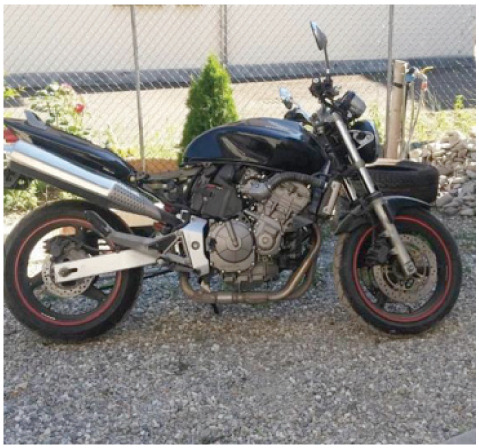
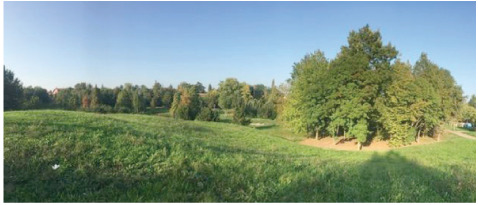
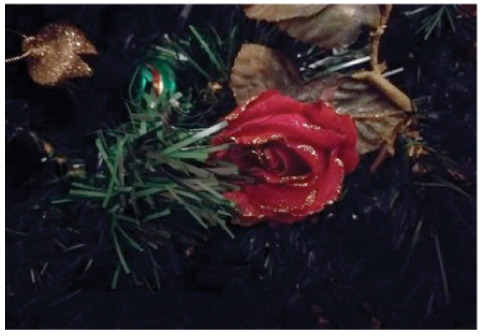
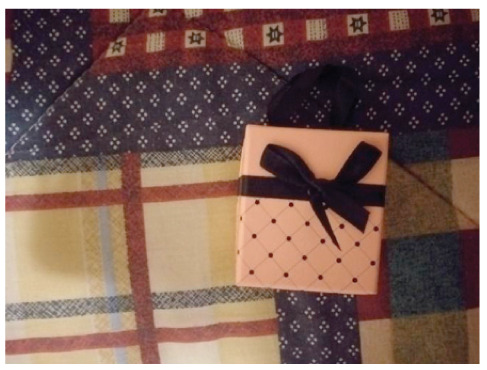
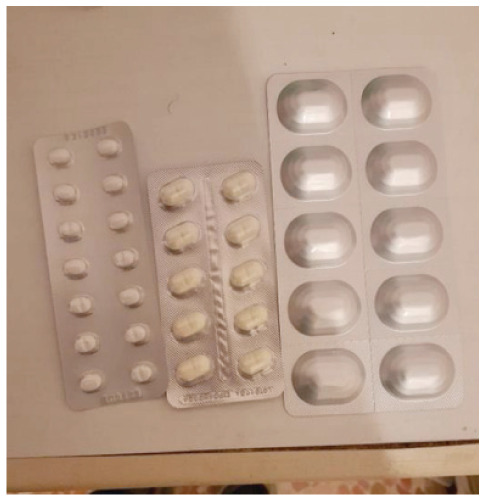
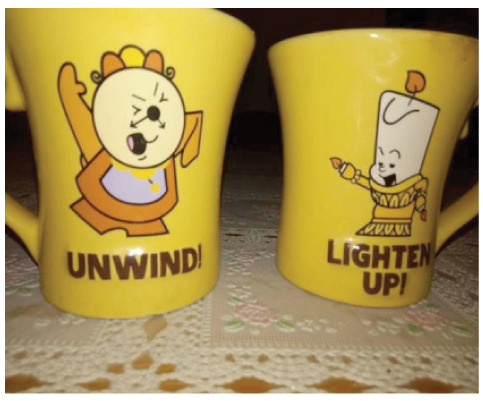
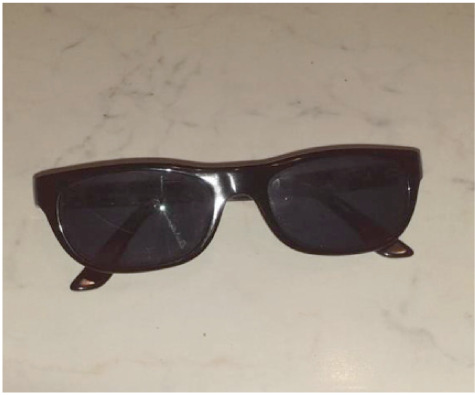
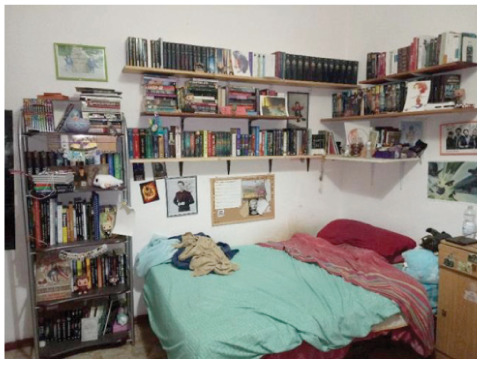
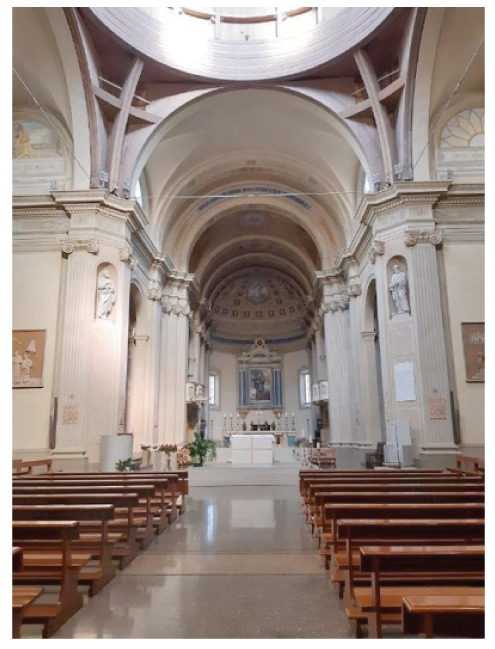
This qualitative study was conducted using two visual methods (auto-photography and photo-elicitation) associated with the narrative that emerged from an unstructured interview, in a clinical setting of adult Mental Health in Italy, between October 2019 and February 2020. A total of 5 patients and 5 corresponding referring healthcare professionals were identified and enrolled. Patients were asked to produce photographs following 4 thematic areas: "Fun", "Time", "Something indispensable", "Place where I feel good".
A total of 85 photographs were produced. Visual methods have proved to be a useful technique in qualitative research in the area of adult psychiatry. From the interviews, it emerged that visual methods have allowed psychotic patients to use a new language to be able to communicate their emotions.
The healthcare professionals involved also confirm the potential of this tool which, when combined with the traditional interview, is able to deepen the patient's knowledge by overcoming the verbal barriers that often make it difficult to reconstruct the individual experience of illness.
了解患者的精神疾病体验,可以为这一人群提供更好的支持,并与医疗保健专业人员建立更大的合作伙伴关系。本研究旨在探索视觉方法在精神科领域的应用,特别是患有精神病性障碍的患者的体验,因为这仍然是一个尚未得到充分经验检验的开放性问题。
本定性研究采用了两种视觉方法(自拍和照片诱发),并结合了 2019 年 10 月至 2020 年 2 月在意大利成人心理健康临床环境中进行的非结构化访谈中出现的叙述,共纳入 5 名患者和 5 名相应的转诊医疗保健专业人员。患者被要求按照 4 个主题领域拍摄照片:“乐趣”、“时间”、“不可或缺的东西”、“感觉良好的地方”。
共拍摄了 85 张照片。视觉方法已被证明是成人精神病学领域定性研究的一种有用技术。从访谈中可以看出,视觉方法使精神病患者能够使用一种新的语言来表达他们的情感。
参与的医疗保健专业人员也证实了该工具的潜力,当与传统访谈相结合时,它能够通过克服常常难以重建个体疾病体验的语言障碍,加深对患者的了解。