Division of Psychiatry, Imperial College London, W12 0NN, London, United Kingdom; West London NHS Trust, UB2 4SD, London, United Kingdom.
Oxleas NHS Foundation Trust, London, United Kingdom.
Sleep Med. 2022 Mar;91:237-245. doi: 10.1016/j.sleep.2021.07.009. Epub 2021 Jul 14.
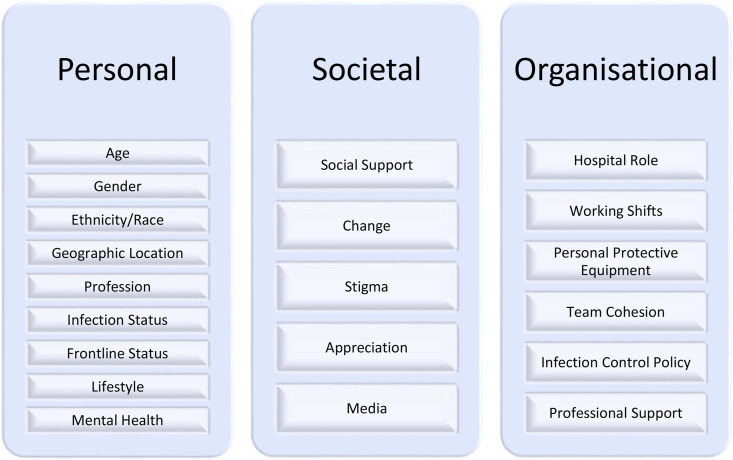
The Covid-19 outbreak has taken a substantial toll on the mental and physical wellbeing of healthcare workers (HCWs), impacting healthcare systems at a global scale. One year into the pandemic, the need to establish the prevalence of sleep dysfunction and psychological distress in the face of COVID-19, identify risk and protective factors and explore effective countermeasures remains of critical importance. Despite implicit limitations relating to the quality of available studies, a plethora of evidence to-date suggests that a considerable proportion of HCWs experience significant sleep disturbances (estimated to afflict every two in five HCWs) as well as mood symptoms (with more than one in five reporting high levels of depression or anxiety). Younger age, female gender, frontline status, fear or risk of infection, occupation, current or past mental health concerns, and a lower level of social support were all associated with a greater risk of disturbed sleep and adverse psychological outcomes. Furthermore, we discuss the link between sleep deprivation, susceptibility to viral infections and psychosocial wellbeing, in relevance to COVID-19 and summarize the existing evidence regarding the presence and predictors of traumatic stress/PTSD and burnout in HCWs. Finally, we highlight the role of resilience and tailored interventions in order to mitigate vulnerability and prevent long-term physical and psychological implications. Indeed, promoting psychological resilience through an enhanced social support network has proven crucial for HCWs in coping under these strenuous circumstances. Future research should aim to provide high quality information on the long-term consequences and the effectiveness of applied interventions.
新冠疫情对医护人员(HCWs)的身心健康造成了重大影响,在全球范围内对医疗系统造成了冲击。在疫情爆发一年后,确定 COVID-19 背景下睡眠功能障碍和心理困扰的流行程度、识别风险和保护因素以及探索有效对策仍然至关重要。尽管与现有研究质量相关的隐含限制,但迄今为止的大量证据表明,相当一部分 HCWs 经历了显著的睡眠障碍(估计每五名 HCWs 中就有两名)和情绪症状(超过五分之一的人报告有高度抑郁或焦虑)。年轻、女性、一线工作、对感染的恐惧或风险、职业、当前或过去的心理健康问题以及较低的社会支持与睡眠障碍和不良心理结果的风险增加有关。此外,我们讨论了睡眠剥夺、易感染病毒以及心理健康之间的联系,以与 COVID-19 相关,并总结了有关 HCWs 创伤性应激/创伤后应激障碍和倦怠的存在和预测因素的现有证据。最后,我们强调了韧性和针对性干预的作用,以减轻脆弱性并预防长期的身体和心理影响。事实上,通过增强社会支持网络来提高心理韧性已被证明对 HCWs 在这些艰苦环境下应对至关重要。未来的研究应旨在提供有关长期后果和应用干预措施有效性的高质量信息。