MRC-University of Glasgow Centre for Virus Research, Glasgow, United Kingdom.
Cambridge Institute for Medical Research, University of Cambridgegrid.5335.0, Cambridge, United Kingdom.
J Virol. 2021 Sep 27;95(20):e0069821. doi: 10.1128/JVI.00698-21. Epub 2021 Aug 4.
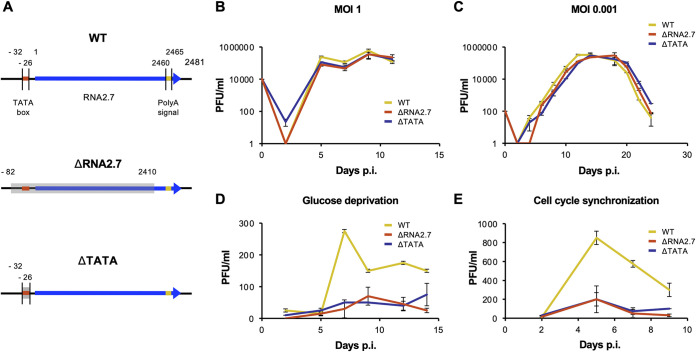
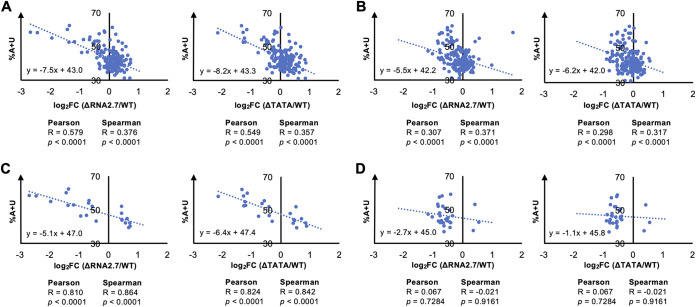
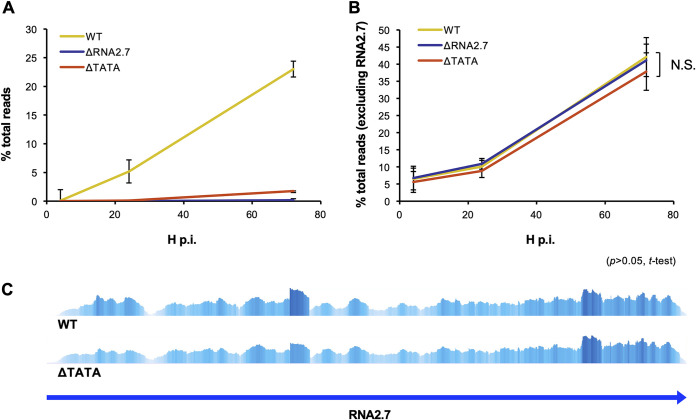
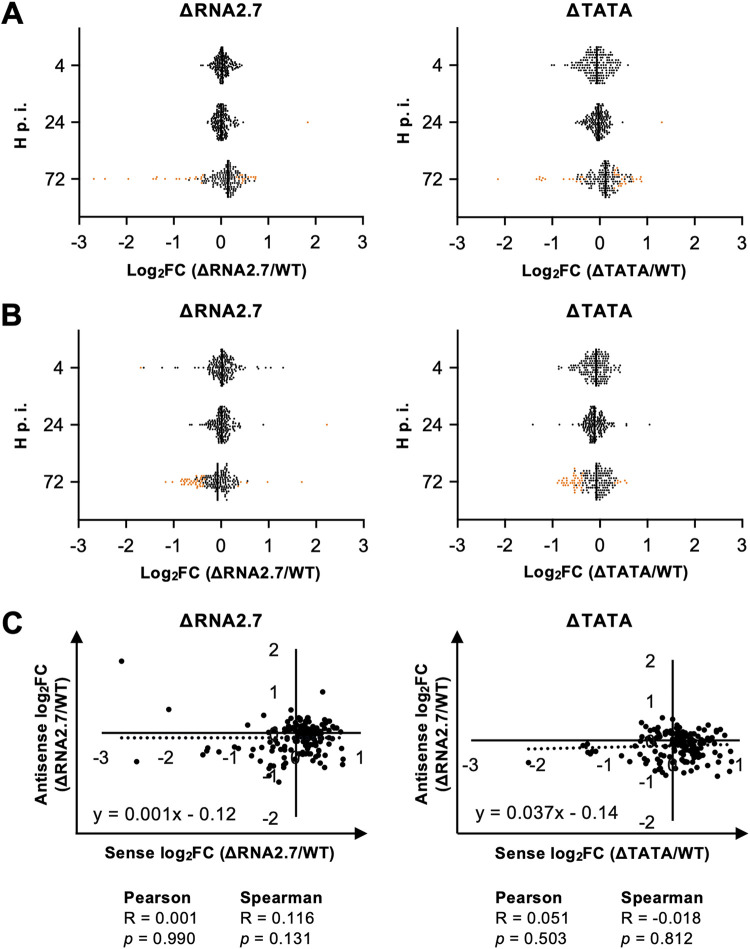
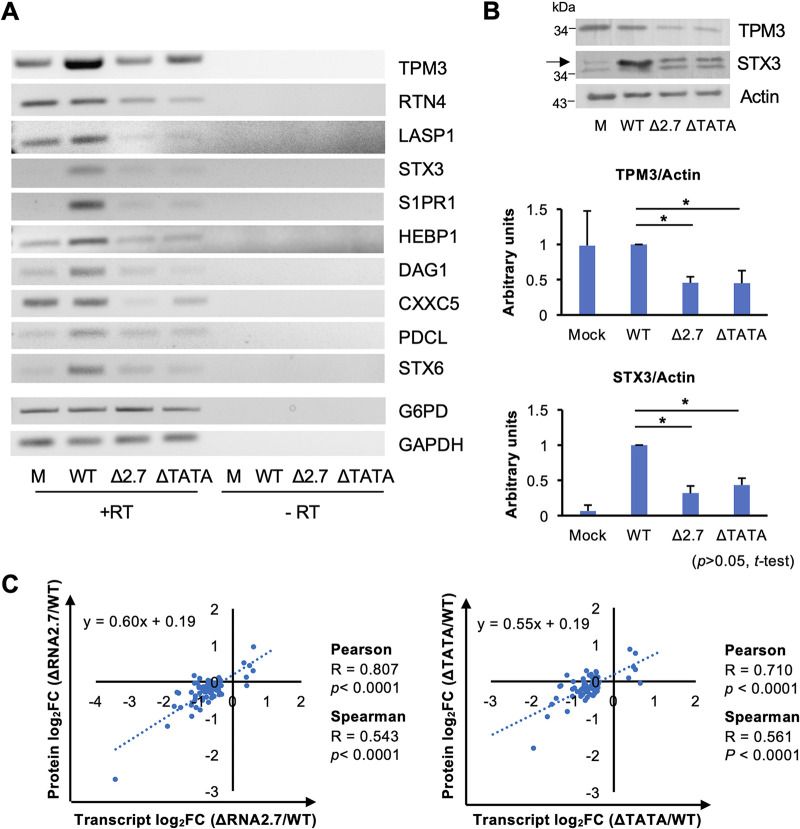
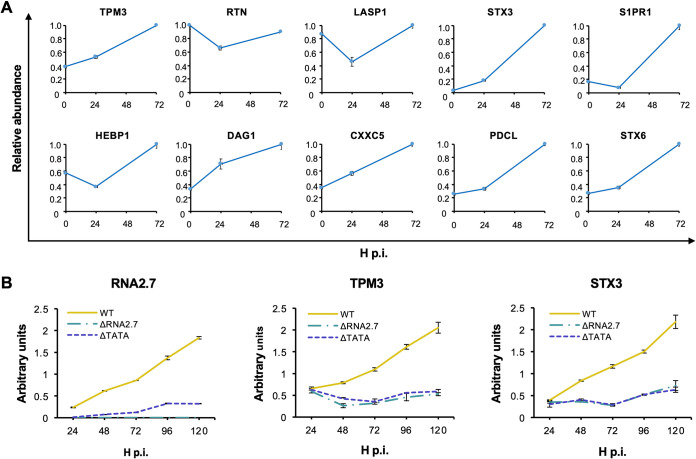
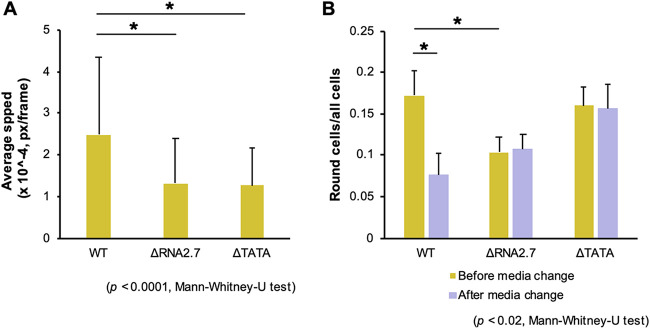
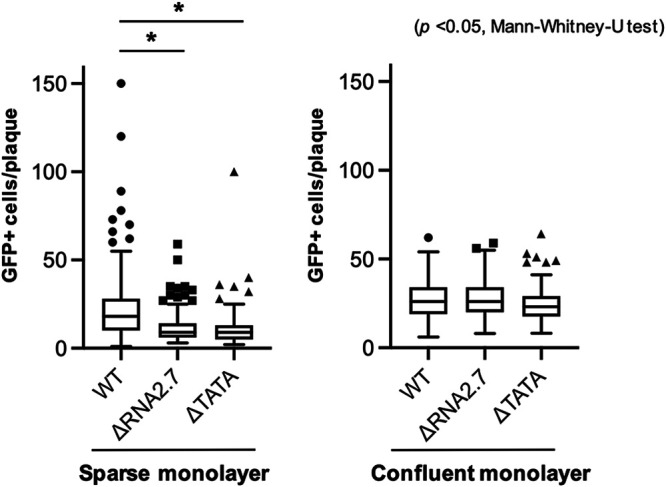
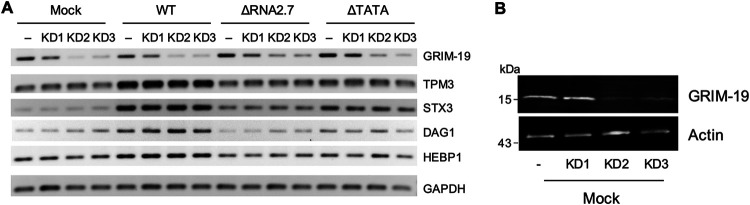
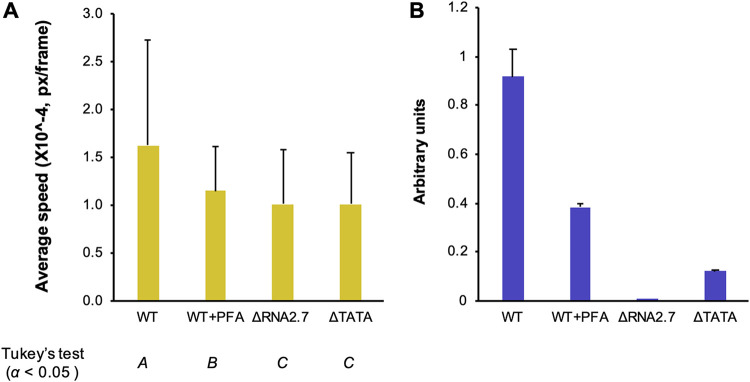
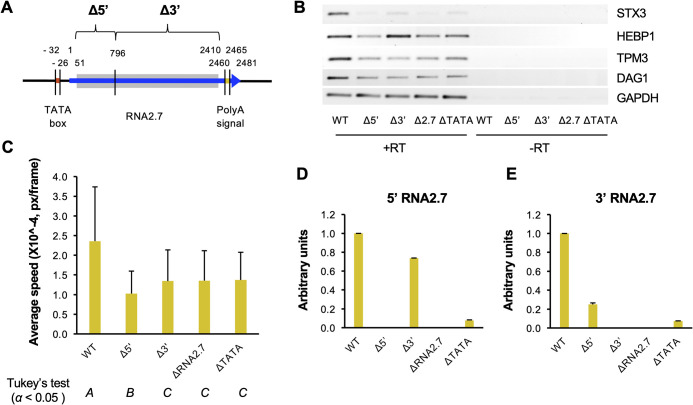
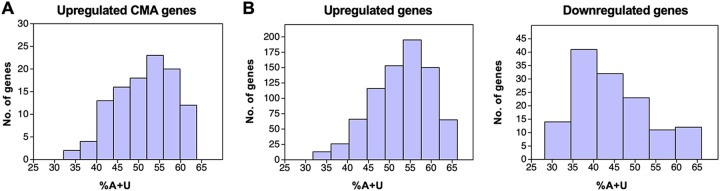
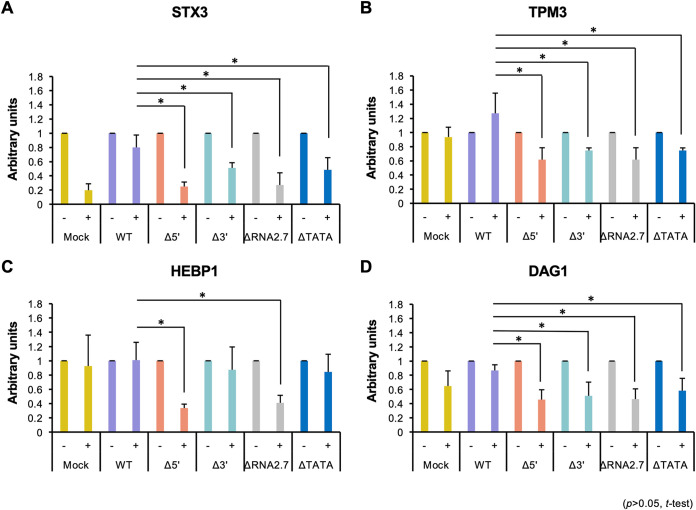
Long noncoding RNAs (lncRNAs) are frequently associated with broad modulation of gene expression and thus provide the cell with the ability to synchronize entire metabolic processes. We used transcriptomic approaches to investigate whether the most abundant human cytomegalovirus-encoded lncRNA, RNA2.7, has this characteristic. By comparing cells infected with wild-type virus (WT) to cells infected with RNA2.7 deletion mutants, RNA2.7 was implicated in regulating a large number of cellular genes late in lytic infection. Pathway analysis indicated that >100 of these genes are associated with promoting cell movement, and the 10 most highly regulated of these were validated in further experiments. Morphological analysis and live cell tracking of WT- and RNA2.7 mutant-infected cells indicated that RNA2.7 is involved in promoting the movement and detachment of infected cells late in infection, and plaque assays using sparse cell monolayers indicated that RNA2.7 is also involved in promoting cell-to-cell spread of virus. Consistent with the observation that upregulated mRNAs are relatively A+U-rich, which is a trait associated with transcript instability, and that they are also enriched in motifs associated with mRNA instability, transcriptional inhibition experiments on WT- and RNA2.7 mutant-infected cells showed that four upregulated transcripts lived longer in the presence of RNA2.7. These findings demonstrate that RNA2.7 is required for promoting cell movement and viral spread late in infection and suggest that this may be due to general stabilization of A+U-rich transcripts. In addition to messenger RNAs (mRNAs), the human genome encodes a large number of long noncoding RNAs (lncRNAs). Many lncRNAs that have been studied in detail are associated with broad modulation of gene expression and have important biological roles. Human cytomegalovirus, which is a large, clinically important DNA virus, specifies four lncRNAs, one of which (RNA2.7) is expressed at remarkably high levels during lytic infection. Our studies show that RNA2.7 is required for upregulating a large number of human genes, about 100 of which are associated with cell movement, and for promoting the movement of infected cells and the spread of virus from one cell to another. Further bioinformatic and experimental analyses indicated that RNA2.7 may exert these effects by stabilizing mRNAs that are relatively rich in A and U nucleotides. These findings increase our knowledge of how human cytomegalovirus regulates the infected cell to promote its own success.
长非编码 RNA(lncRNA)通常与广泛的基因表达调控有关,从而使细胞能够同步整个代谢过程。我们使用转录组学方法来研究最丰富的人类巨细胞病毒编码的 lncRNA RNA2.7 是否具有这种特征。通过比较野生型病毒(WT)感染的细胞和 RNA2.7 缺失突变体感染的细胞,发现 RNA2.7 参与调节大量细胞基因在裂解感染的晚期表达。通路分析表明,这些基因中有 >100 个与促进细胞运动有关,其中 10 个最受调节的基因在进一步的实验中得到了验证。对 WT 和 RNA2.7 突变体感染细胞的形态分析和活细胞跟踪表明,RNA2.7 参与促进感染细胞在感染晚期的运动和脱落,使用稀疏细胞单层的蚀斑测定表明,RNA2.7 也参与促进病毒在细胞间的传播。与上调的 mRNA 相对富含 A+U 的观察结果一致,这是与转录物不稳定性相关的特征,并且它们也富含与 mRNA 不稳定性相关的基序,WT 和 RNA2.7 突变体感染细胞的转录抑制实验表明,在 RNA2.7 存在的情况下,四个上调的转录物的寿命更长。这些发现表明,RNA2.7 在感染晚期促进细胞运动和病毒传播是必需的,这表明这可能是由于富含 A+U 的转录物的普遍稳定化。除了信使 RNA(mRNA)外,人类基因组还编码大量长非编码 RNA(lncRNA)。许多经过详细研究的 lncRNA 与广泛的基因表达调控有关,具有重要的生物学作用。人巨细胞病毒是一种大型、具有临床重要性的 DNA 病毒,它指定了四个 lncRNA,其中一个(RNA2.7)在裂解感染时以极高的水平表达。我们的研究表明,RNA2.7 上调了大量人类基因,其中约 100 个与细胞运动有关,并促进感染细胞的运动和病毒从一个细胞传播到另一个细胞。进一步的生物信息学和实验分析表明,RNA2.7 可能通过稳定富含 A 和 U 核苷酸的 mRNA 来发挥这些作用。这些发现增加了我们对人巨细胞病毒如何调节感染细胞以促进自身成功的认识。