Lai Queenie Wing Sze, Guo Maggie Sui Sui, Wu Kevin Qiyun, Liao Zhitao, Guan Dongshi, Dong Tina Tingxia, Tong Penger, Tsim Karl Wah Keung
Shenzhen Research Institute, The Hong Kong University of Science and Technology, Shenzhen, China.
Division of Life Science and Center for Chinese Medicine R and D, The Hong Kong University of Science and Technology, Hong Kong, China.
Front Pharmacol. 2021 Jul 20;12:685982. doi: 10.3389/fphar.2021.685982. eCollection 2021.
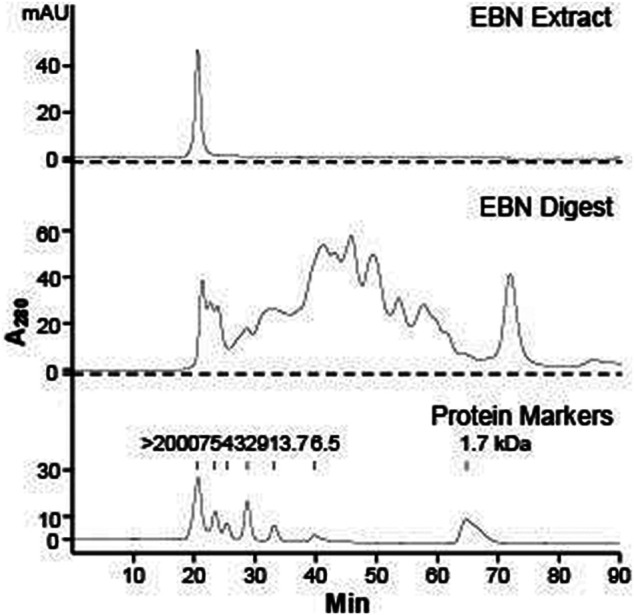
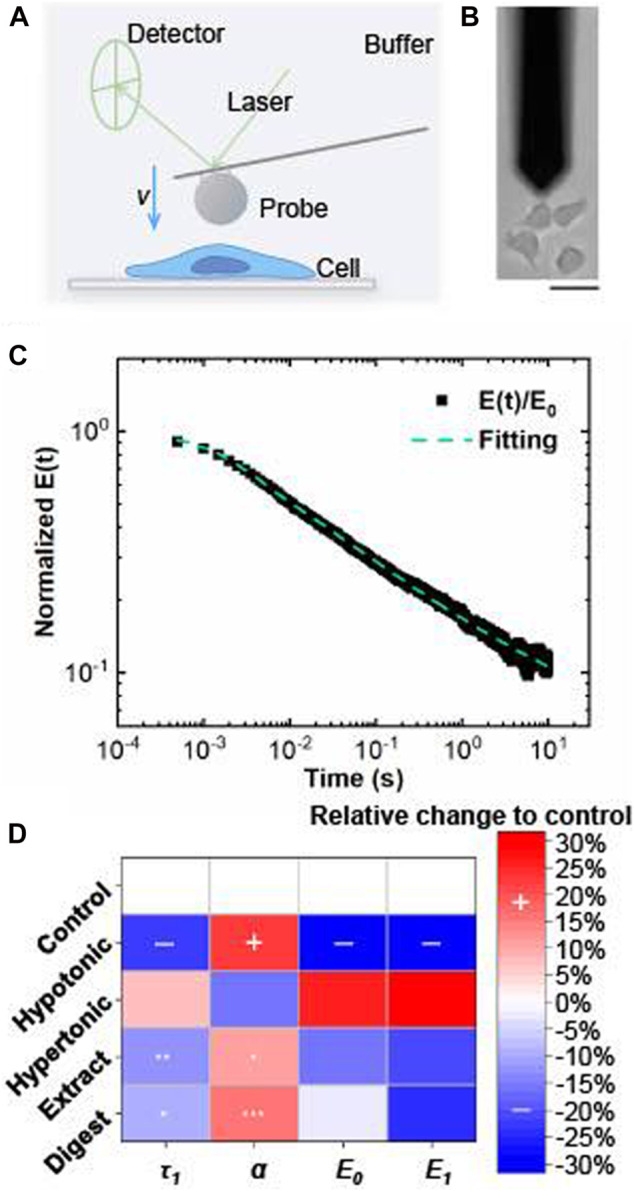
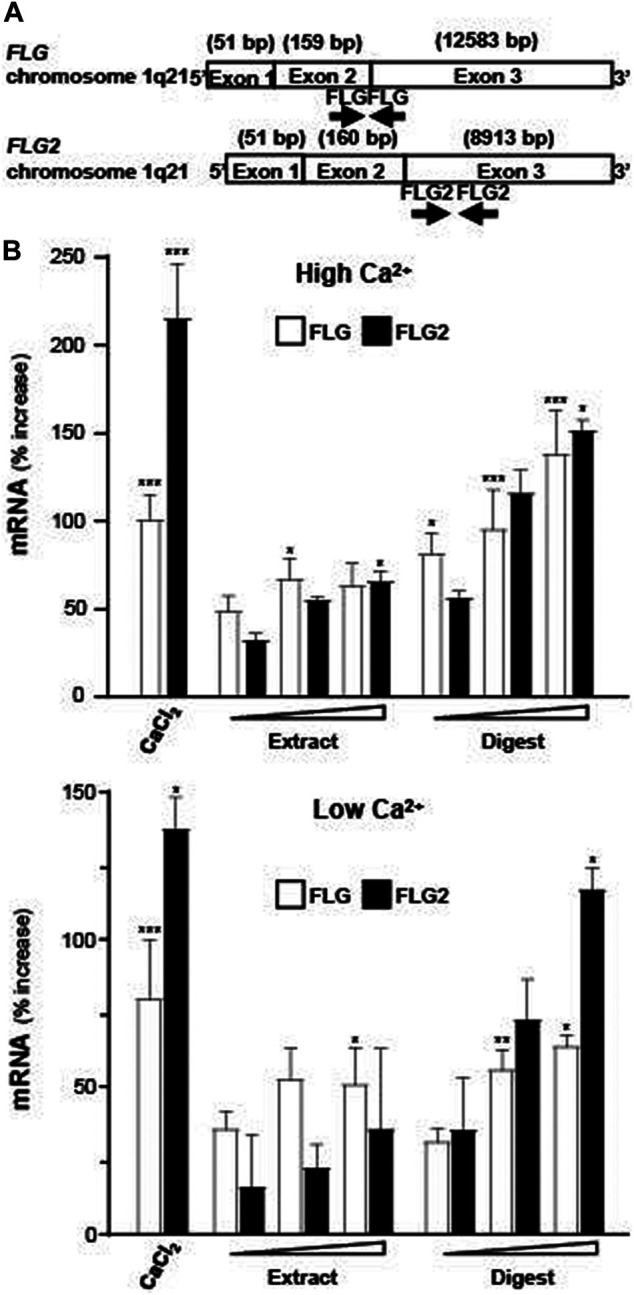
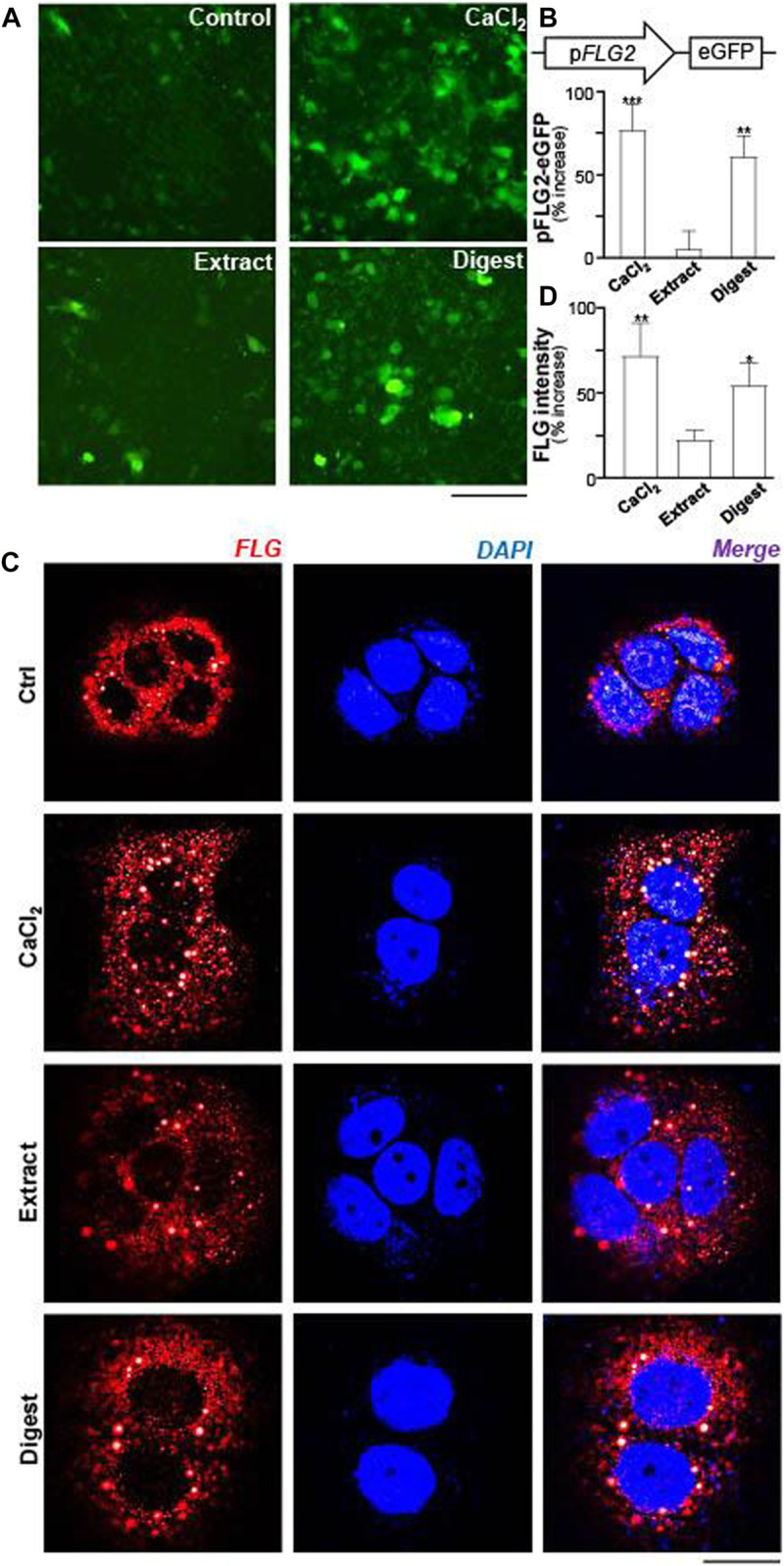
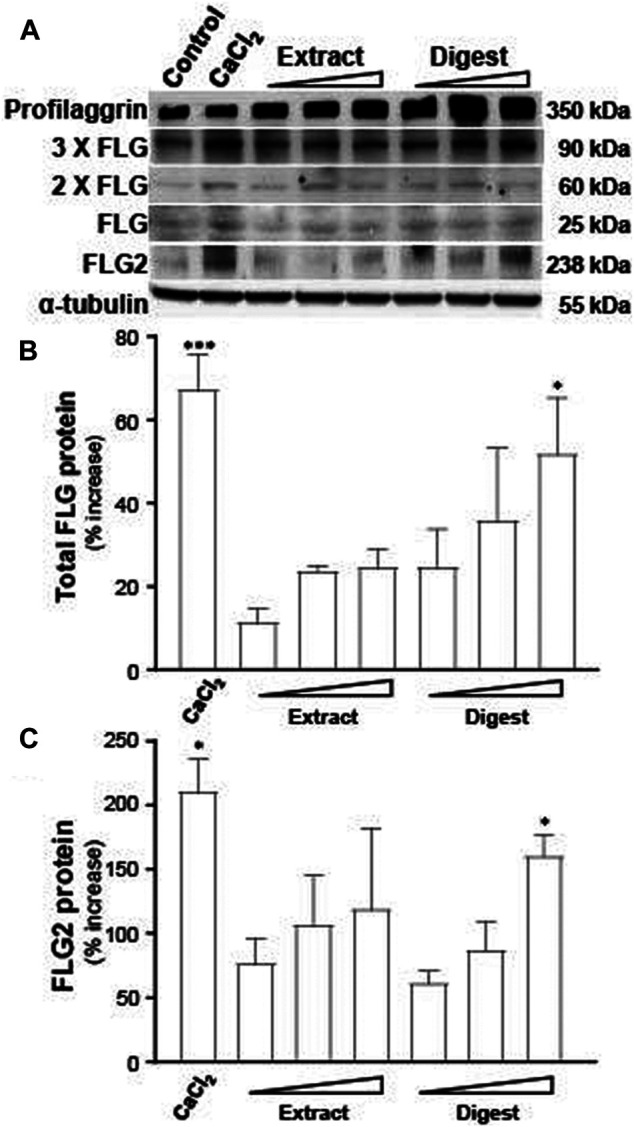
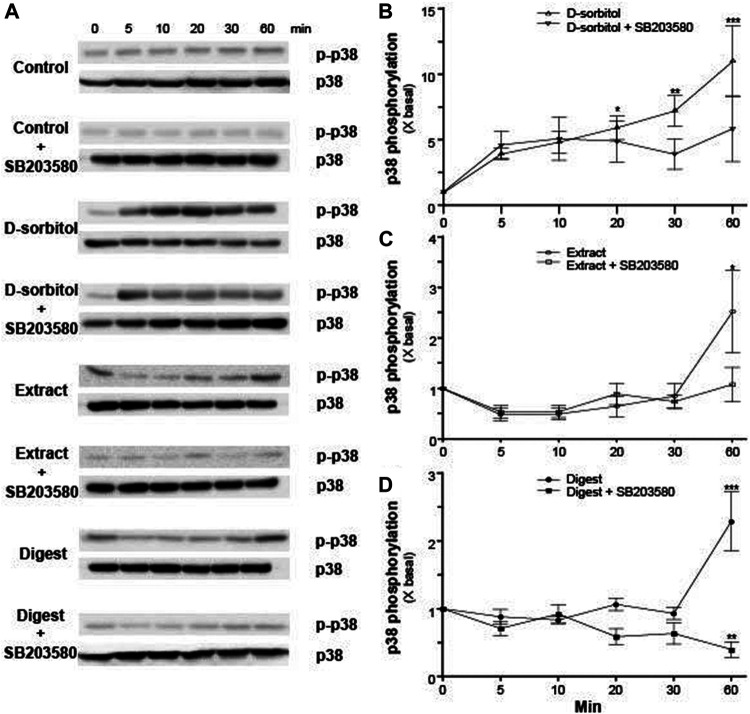
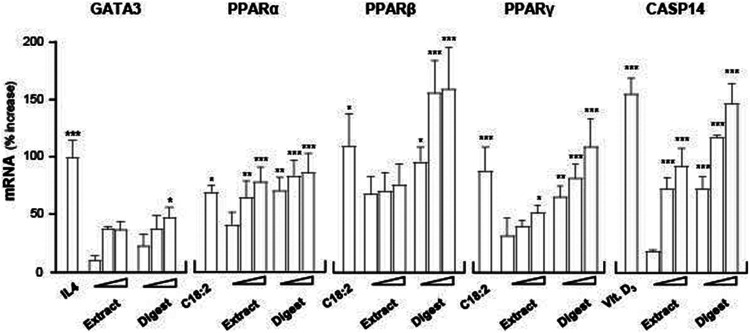
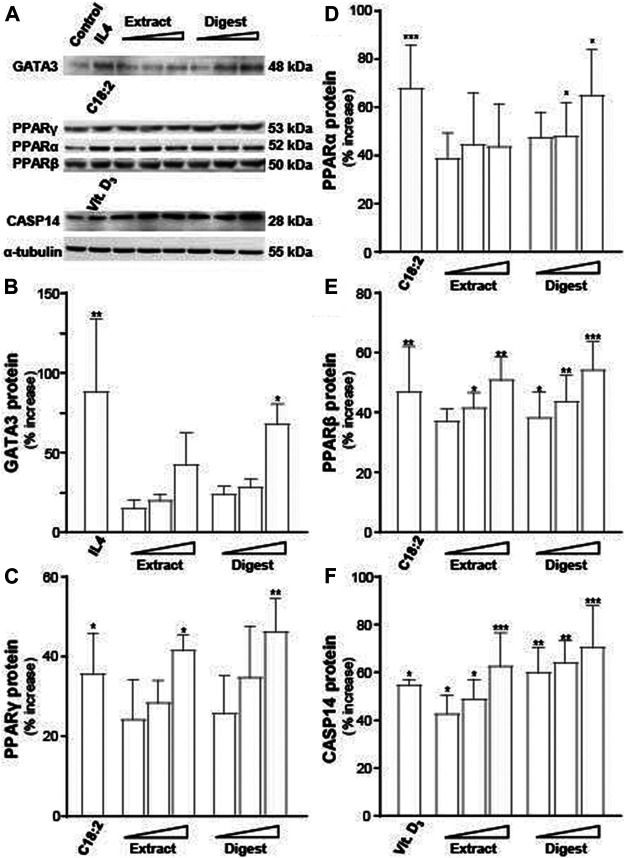
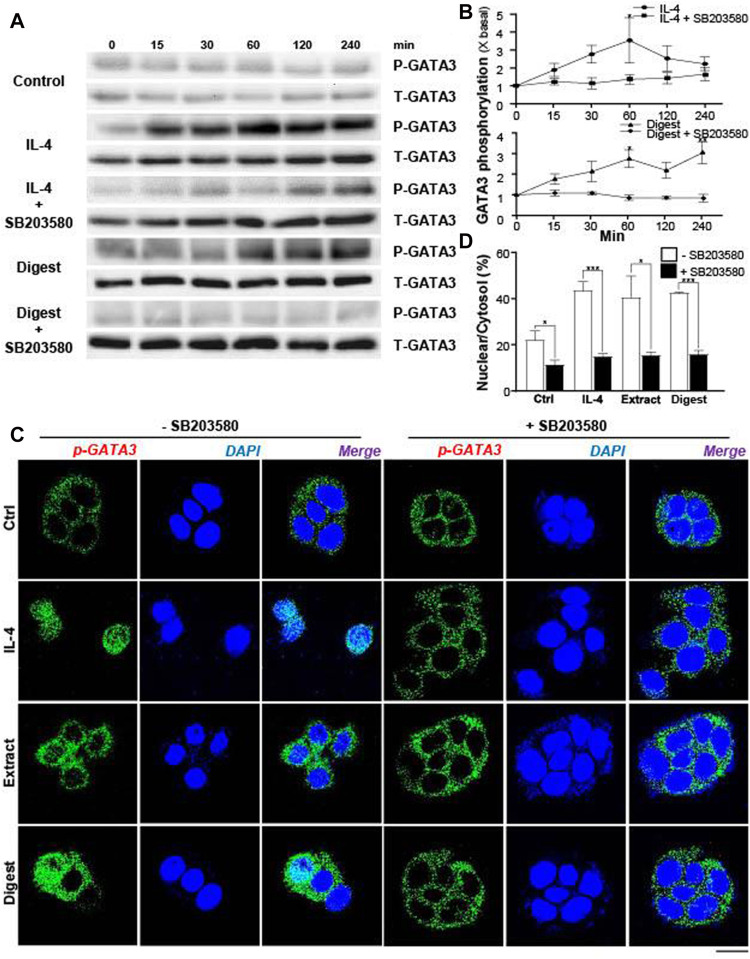
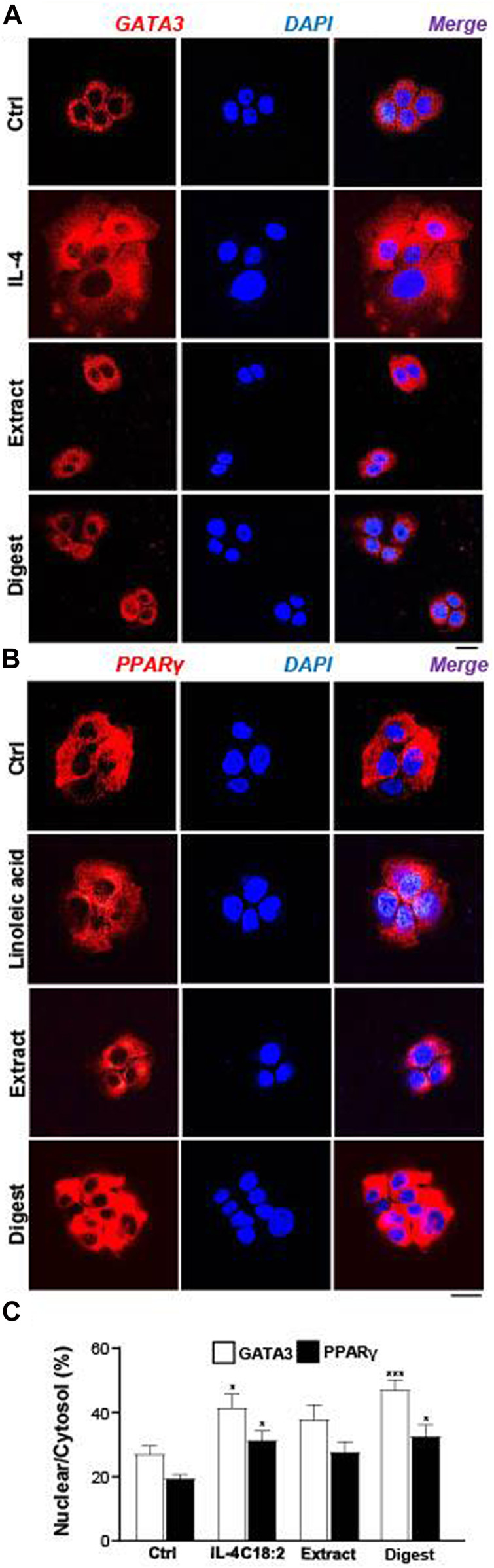
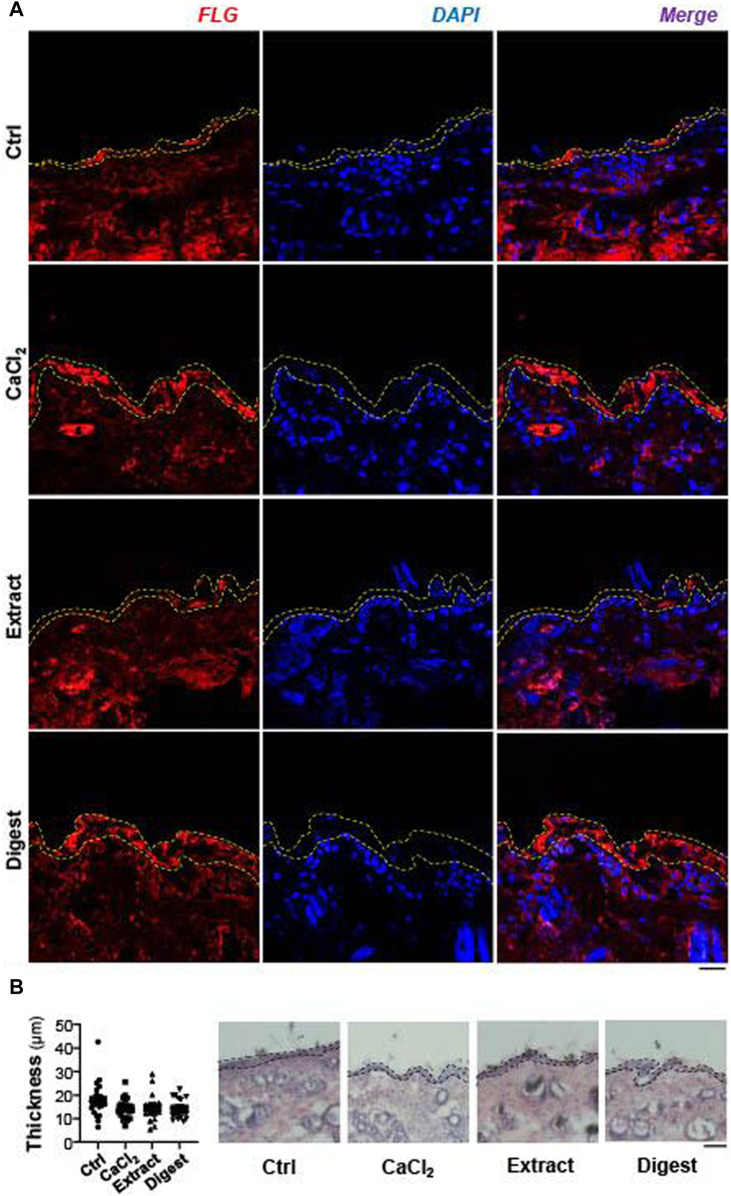
Edible bird's nest (EBN) has been consumed as a Chinese delicacy for hundreds of years; the functions of which have been proposed to prevent lung disease, strengthen immune response, and restore skin youthfulness. To support the skin function of EBN, the water extract and the enzymatic digest of EBN with enriched digested peptides were tested in cultured keratinocyte, HaCaT cell line. The effects of EBN extract and digest in inducing proteins crucial for skin moisturizing were determined in both and models. In cultured keratinocytes, the expressions of S100-fused type proteins contributing to skin barrier function in the stratum corneum, e.g. filaggrin and filaggrin-2, were determined in both mRNA and protein levels, which were markedly induced in the treatment of EBN extract or digest. The EBN-induced gene transcriptions of filaggrin and filaggrin-2 were mediated by activation of p38 MAPK pathway and various transcription factors, e.g. GATA3, PPARα, PPARβ, and PPARγ: these transcriptional factors were markedly activated by the digested products of EBN, as compared to the extract, in cultured keratinocytes. By using atomic force microscopy (AFM), the EBN-treated keratinocyte was shown to have more liquid-like morphology, as compared to a control cell. The EBN digest showed better induction on these moisturizing effects as compared to the extract. These lines of evidence therefore suggested the water moisturizing effect of EBN in skin function.
数百年来,食用燕窝一直是中国的一道美味佳肴;其功效被认为可以预防肺部疾病、增强免疫反应以及恢复皮肤的年轻状态。为了验证燕窝对皮肤的功效,我们对其水提取物以及富含消化肽的酶解产物在培养的角质形成细胞(HaCaT细胞系)中进行了测试。在体外和体内模型中均测定了燕窝提取物和酶解产物对诱导皮肤保湿关键蛋白的作用。在培养的角质形成细胞中,我们从mRNA和蛋白质水平测定了对角质层中有助于皮肤屏障功能的S100融合型蛋白(如丝聚蛋白和丝聚蛋白-2)的表达,结果显示在燕窝提取物或酶解产物处理后这些蛋白表达显著上调。燕窝诱导的丝聚蛋白和丝聚蛋白-2的基因转录是由p38丝裂原活化蛋白激酶(MAPK)信号通路以及多种转录因子(如GATA3、PPARα、PPARβ和PPARγ)的激活介导的:与提取物相比,燕窝的酶解产物在培养的角质形成细胞中能更显著地激活这些转录因子。通过原子力显微镜(AFM)观察发现,与对照细胞相比,经燕窝处理的角质形成细胞呈现出更类似液体的形态。与提取物相比,燕窝酶解产物对这些保湿效果的诱导作用更好。因此,这些证据表明燕窝在皮肤功能方面具有保湿作用。