Flow Chemistry Group, Van't Hoff Institute for Molecular Sciences (HIMS), University of Amsterdam, Science Park 904, 1098 XH Amsterdam, The Netherlands.
PhotoGreen Lab, Department of Chemistry, University of Pavia, Viale Taramelli 12, 27100 Pavia, Italy.
Chem Rev. 2022 Jan 26;122(2):1875-1924. doi: 10.1021/acs.chemrev.1c00263. Epub 2021 Aug 6.
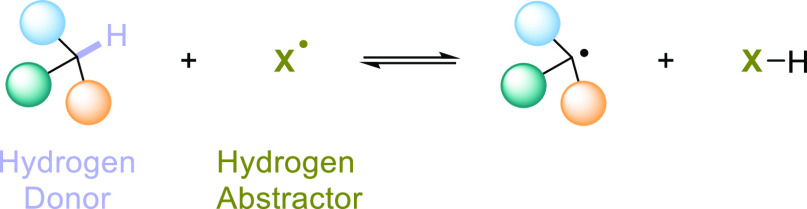
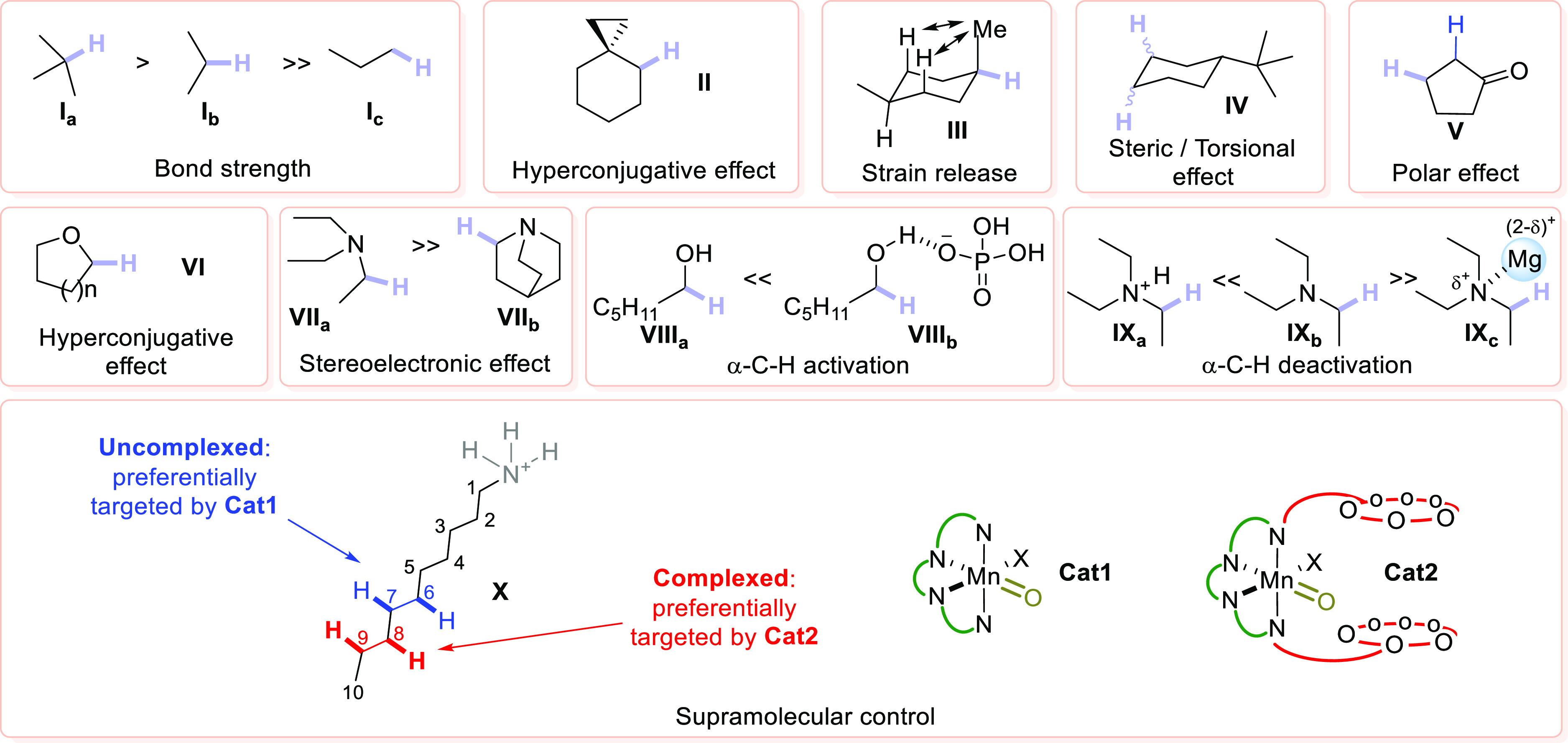
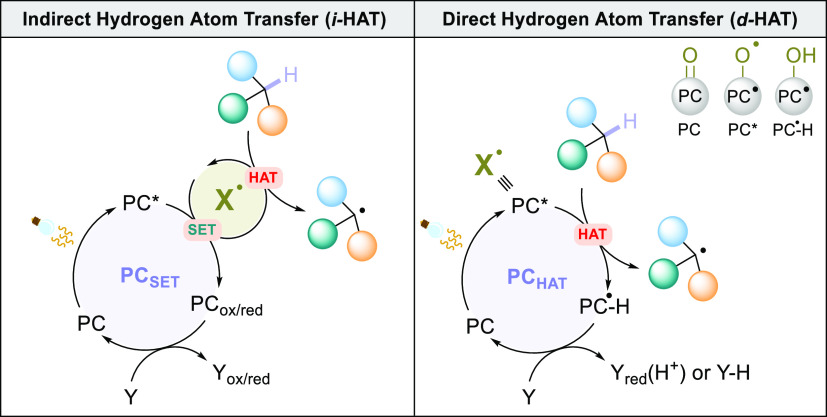
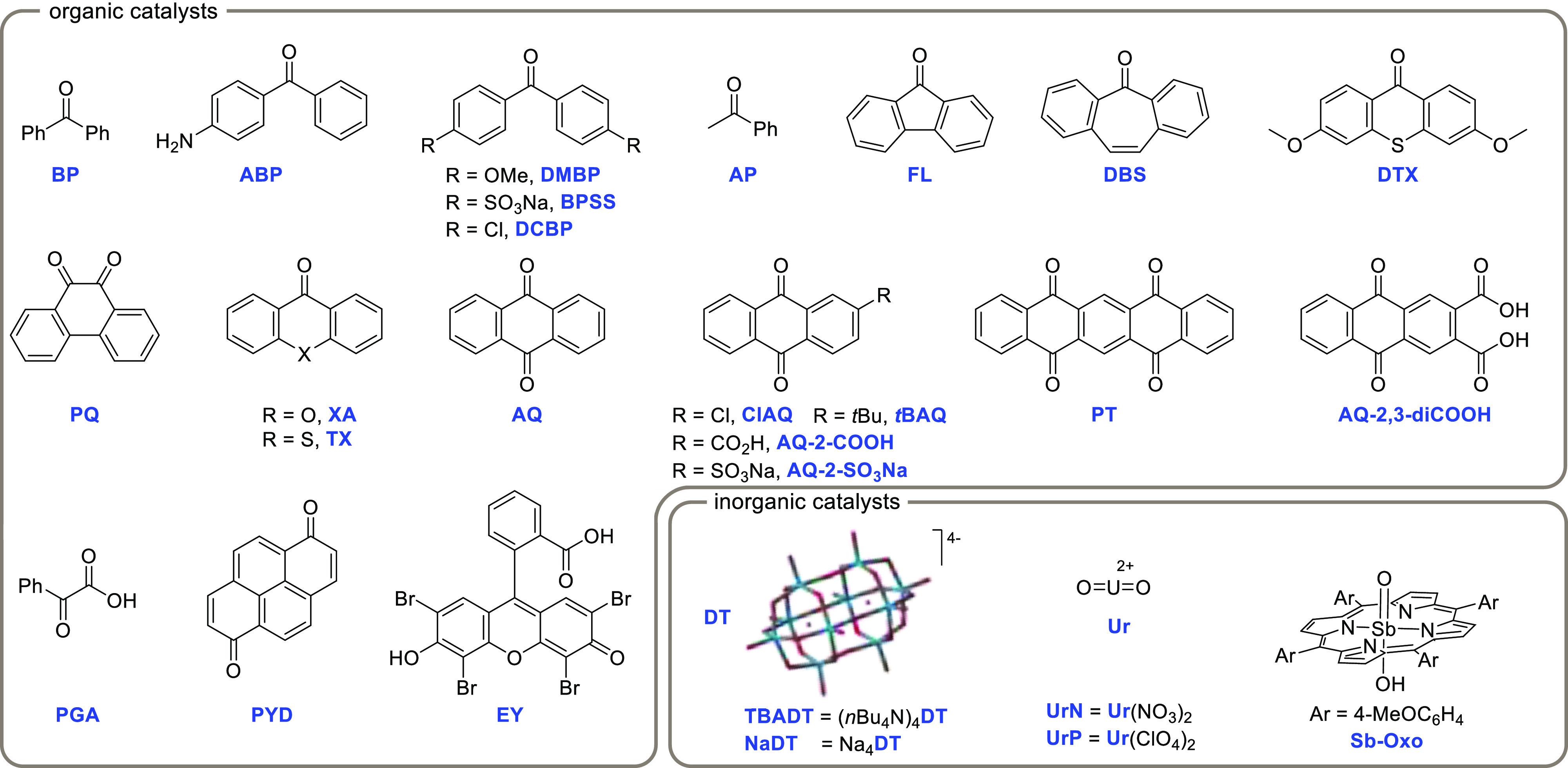
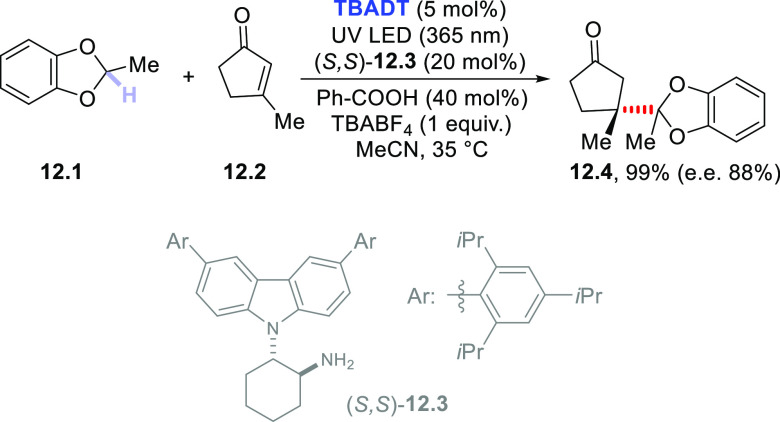
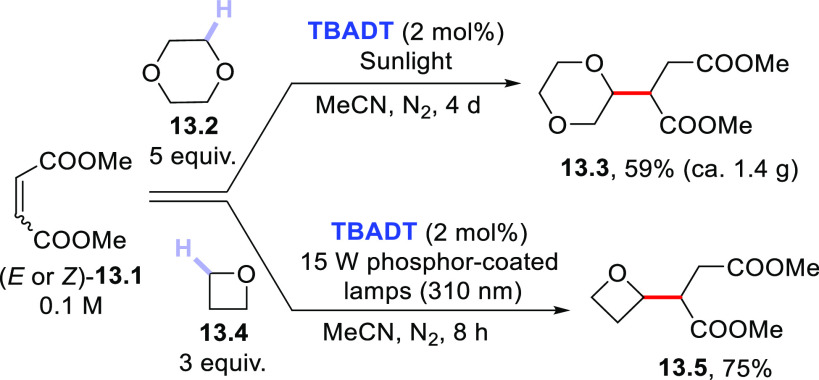
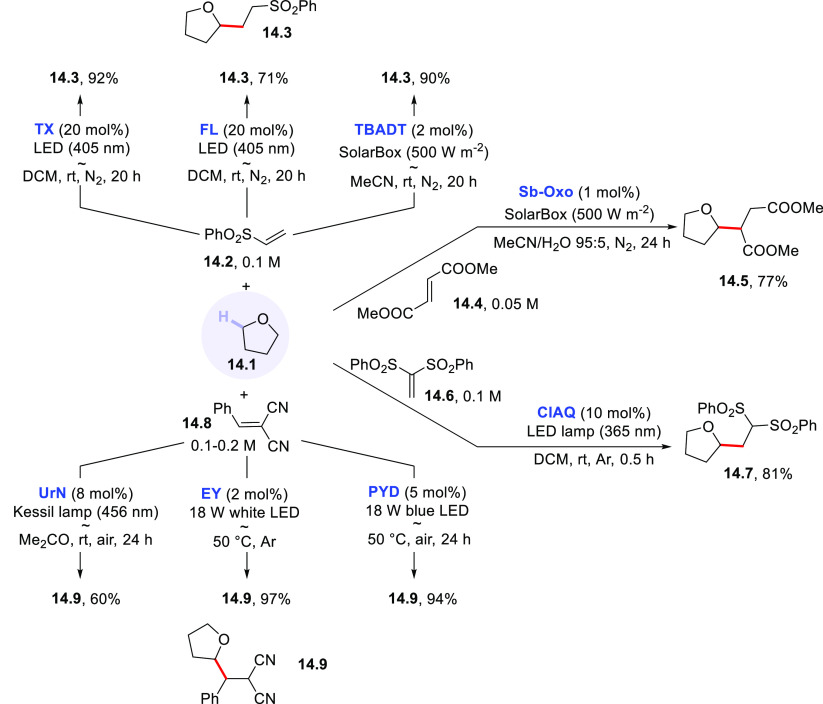
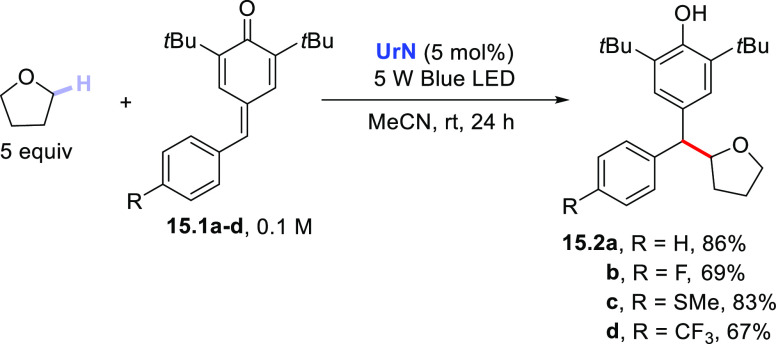
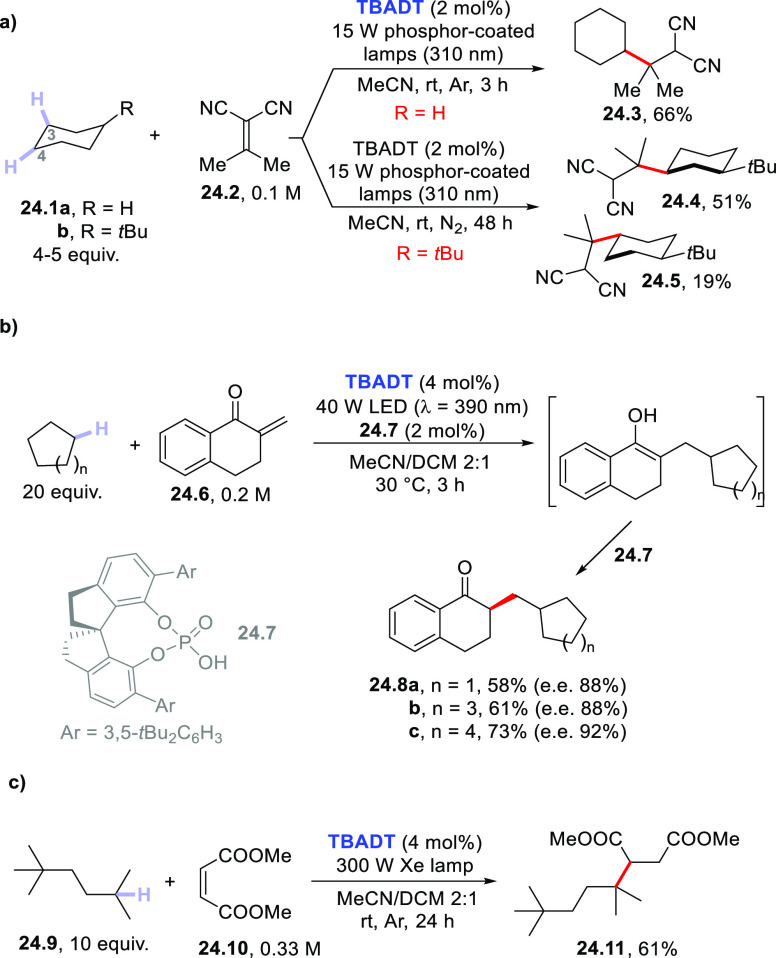
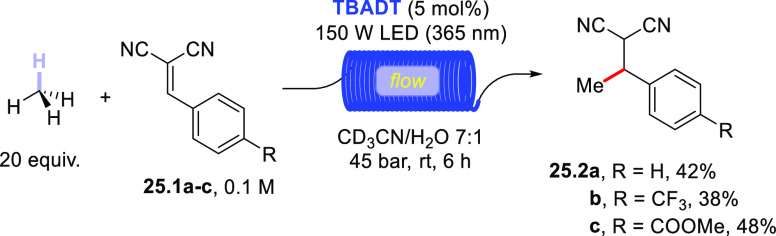
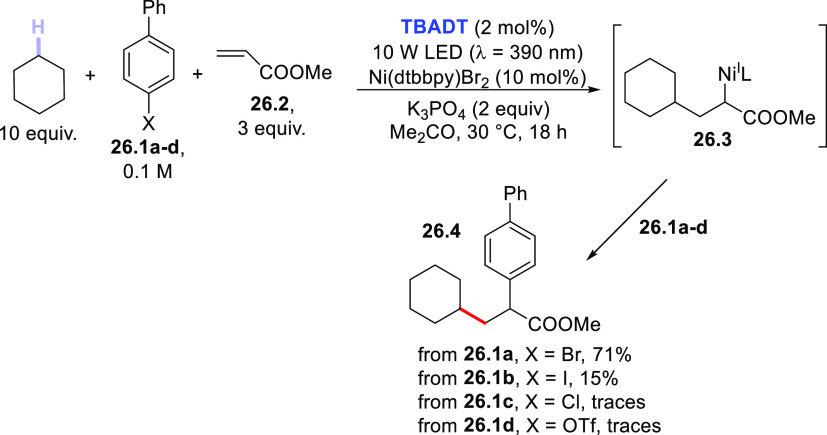
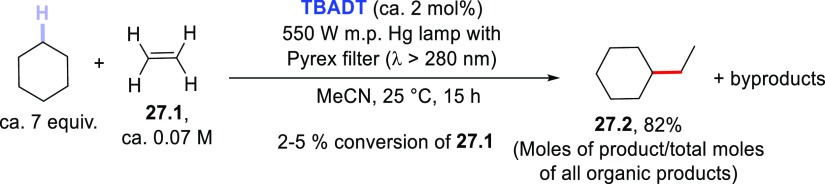
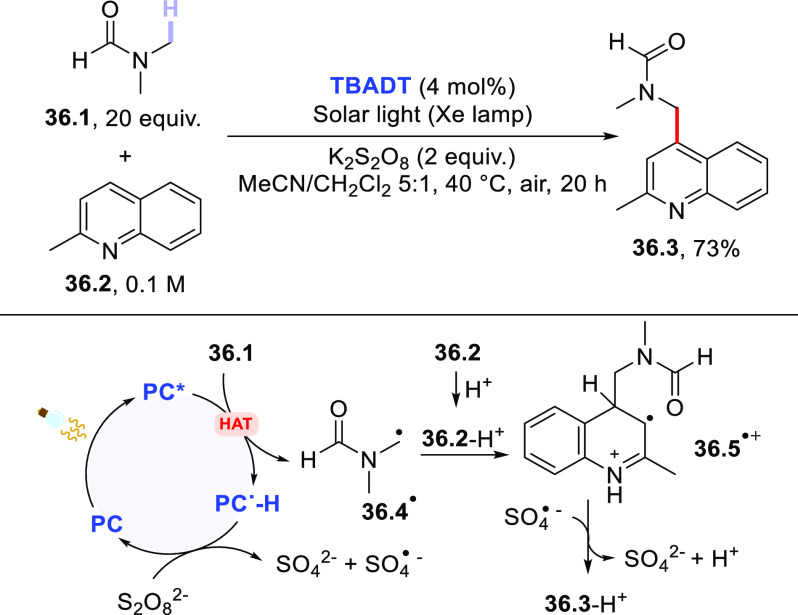
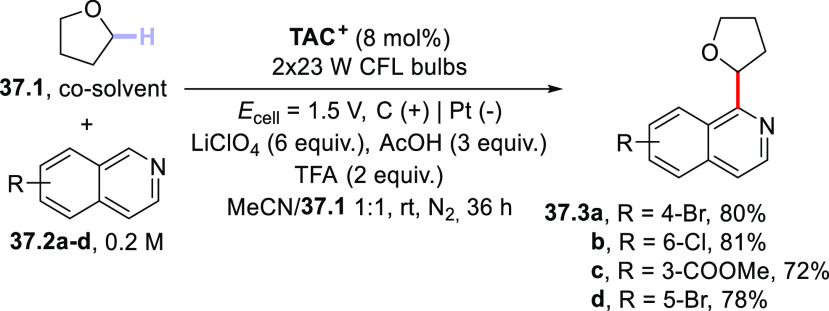
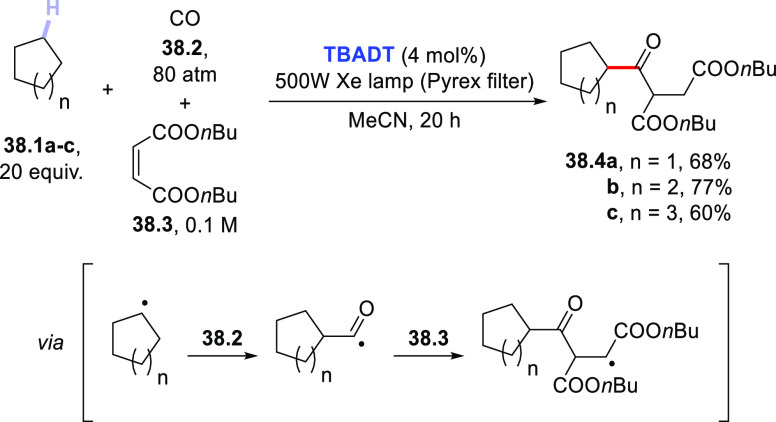
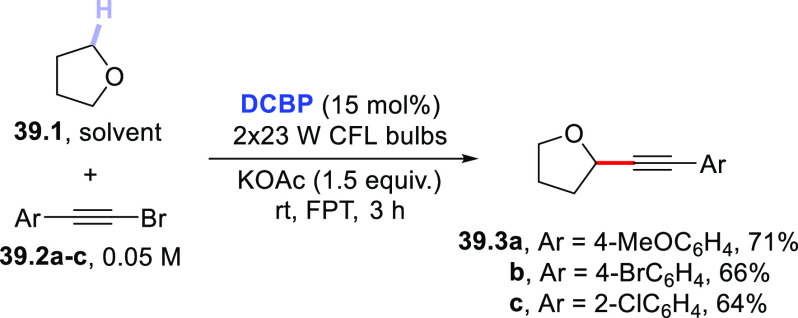
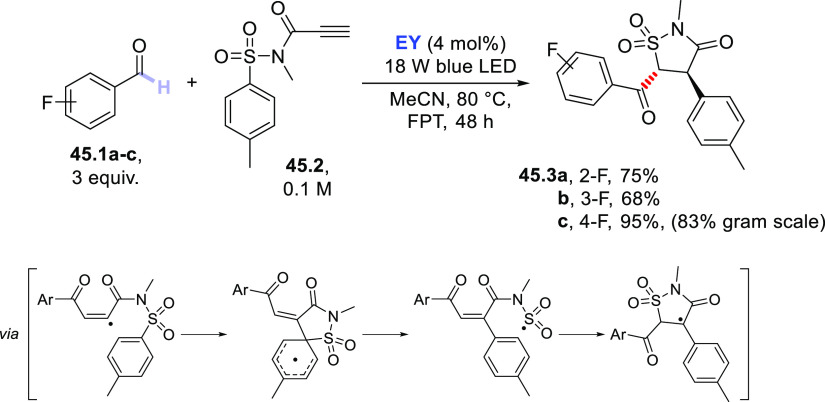
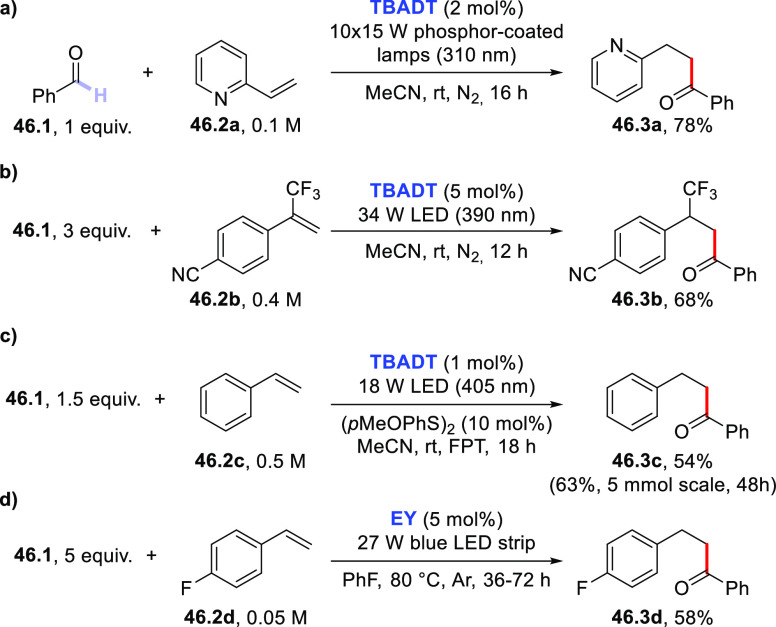
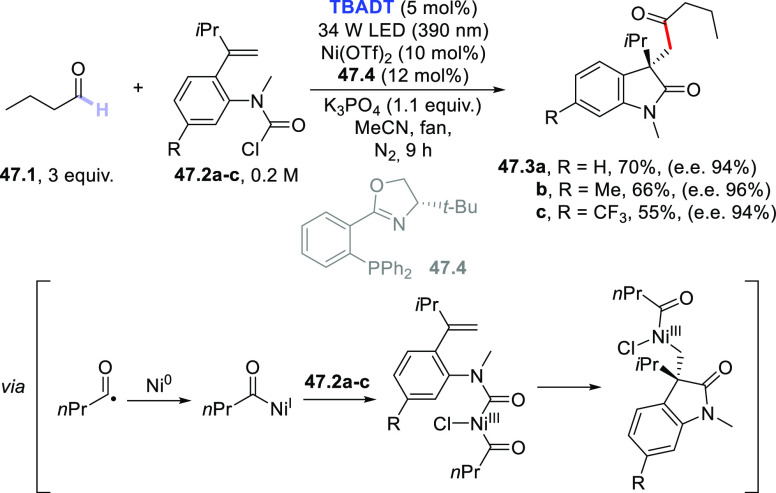
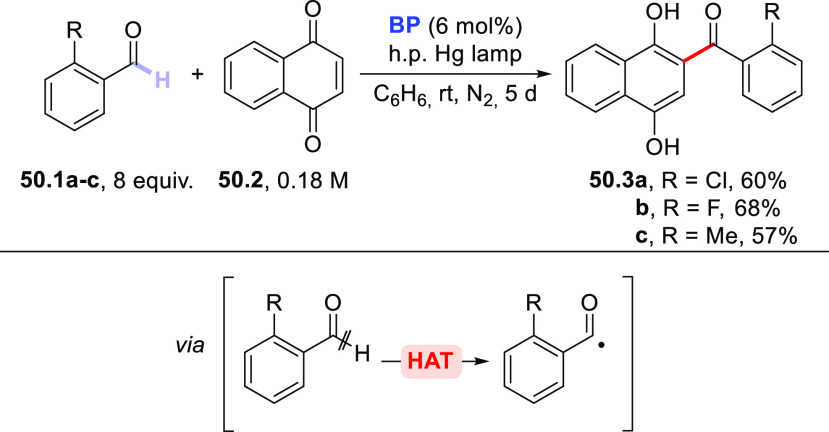
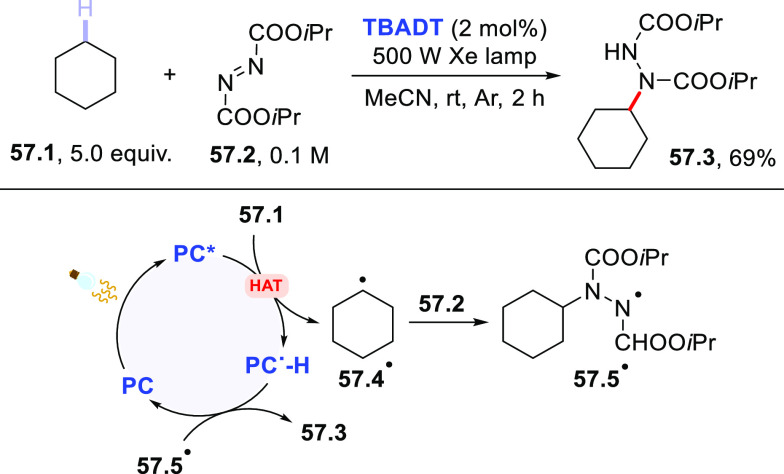
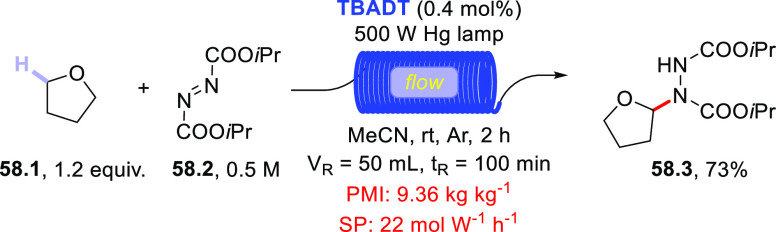
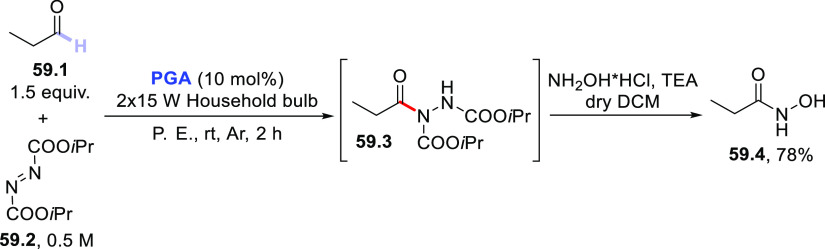
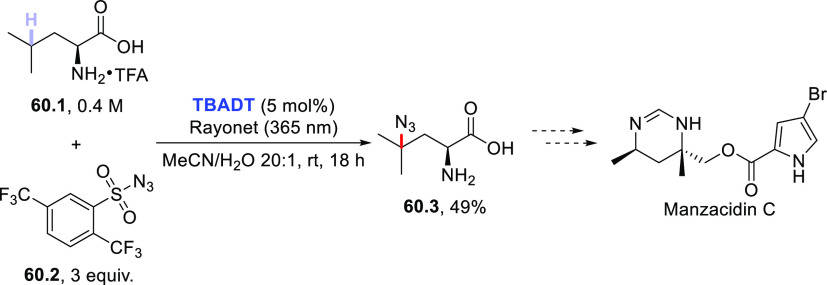
Direct photocatalyzed hydrogen atom transfer (-HAT) can be considered a method of choice for the elaboration of aliphatic C-H bonds. In this manifold, a photocatalyst (PC) exploits the energy of a photon to trigger the homolytic cleavage of such bonds in organic compounds. Selective C-H bond elaboration may be achieved by a judicious choice of the hydrogen abstractor (key parameters are the electronic character and the molecular structure), as well as reaction additives. Different are the classes of PCs available, including aromatic ketones, xanthene dyes (Eosin Y), polyoxometalates, uranyl salts, a metal-oxo porphyrin and a tris(amino)cyclopropenium radical dication. The processes (mainly C-C bond formation) are in most cases carried out under mild conditions with the help of visible light. The aim of this review is to offer a comprehensive survey of the synthetic applications of photocatalyzed -HAT.
直接光催化氢原子转移 (-HAT) 可以被认为是一种用于修饰脂肪族 C-H 键的首选方法。在这种情况下,光催化剂 (PC) 利用光子的能量触发有机化合物中此类键的均裂。通过明智地选择氢原子供体(关键参数是电子特性和分子结构)以及反应添加剂,可以实现选择性 C-H 键修饰。可用的 PC 包括芳香酮、呫吨染料(曙红 Y)、多金属氧酸盐、铀盐、金属氧代卟啉和三(氨基)环丙烯鎓二阳离子。这些过程(主要是 C-C 键形成)在大多数情况下在可见光的帮助下在温和条件下进行。本综述的目的是提供对光催化 -HAT 的合成应用的全面调查。