Wang Yaping, Fu Yuhang, He Yuanyuan, Kulyar Muhammad Fakhar-E-Alam, Iqbal Mudassar, Li Kun, Liu Jiaguo
Institute of Traditional Chinese Veterinary Medicine, College of Veterinary Medicine, Nanjing Agricultural University, Nanjing 210095, China.
MOE Joint International Research Laboratory of Animal Health and Food Safety, College of Veterinary Medicine, Nanjing Agricultural University, Nanjing 210095, China.
J Fungi (Basel). 2021 Jul 14;7(7):559. doi: 10.3390/jof7070559.
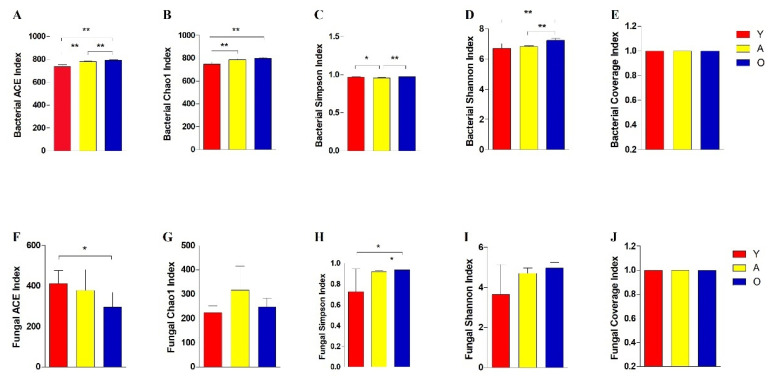
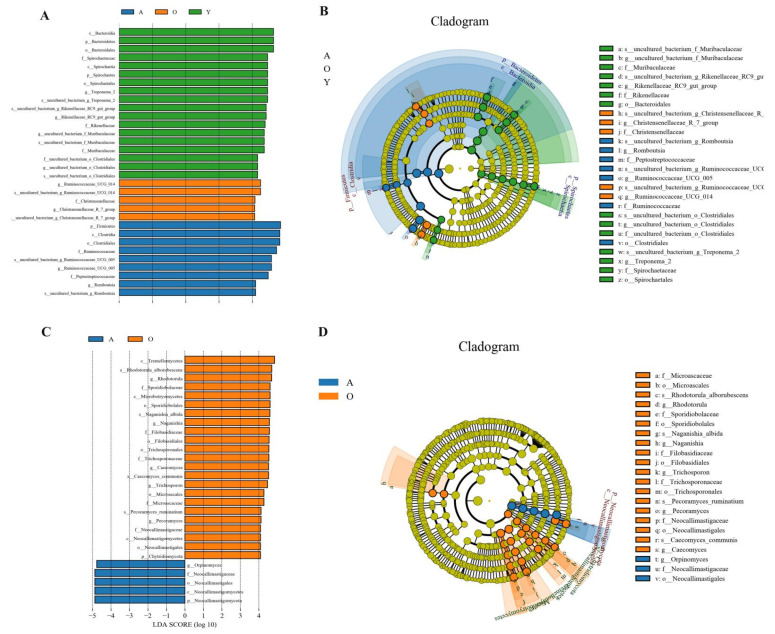
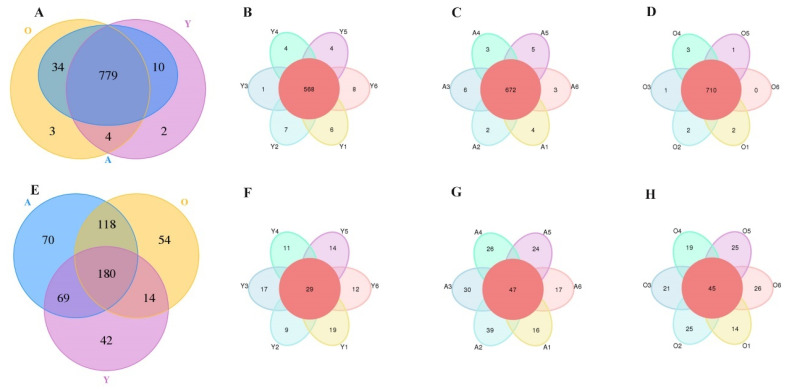
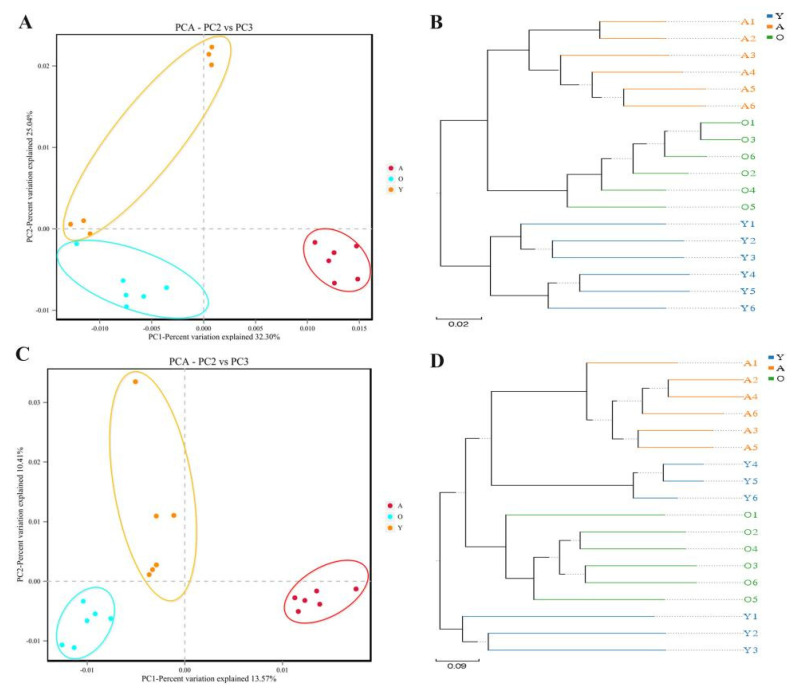
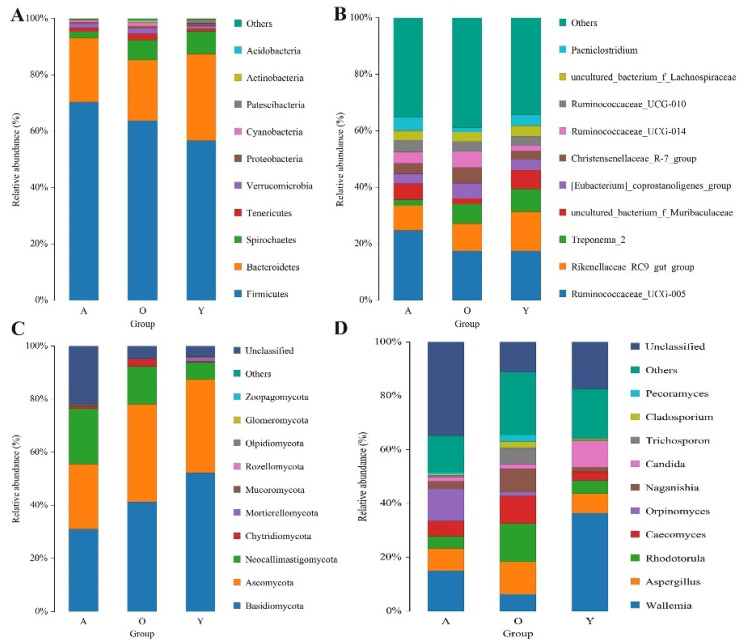
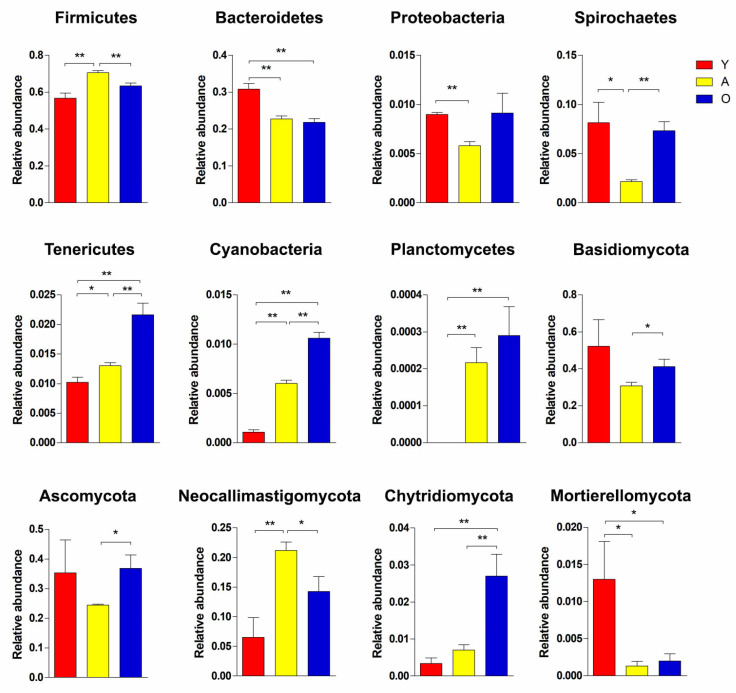
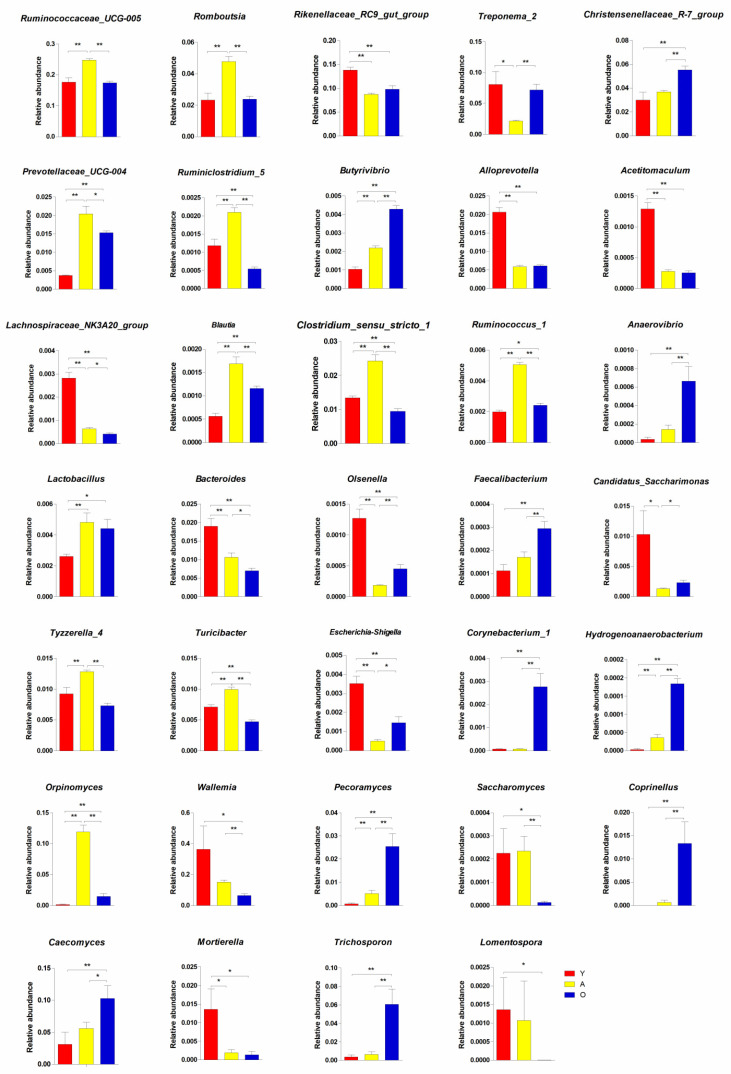
Development phases are important in maturing immune systems, intestinal functions, and metabolism for the construction, structure, and diversity of microbiome in the intestine during the entire life. Characterizing the gut microbiota colonization and succession based on age-dependent effects might be crucial if a microbiota-based therapeutic or disease prevention strategy is adopted. The purpose of this study was to reveal the dynamic distribution of intestinal bacterial and fungal communities across all development stages in yaks. Dynamic changes (a substantial difference) in the structure and composition ratio of the microbial community were observed in yaks that matched the natural aging process from juvenile to natural aging. This study included a significant shift in the abundance and proportion of bacterial phyla (Planctomycetes, Firmicutes, Bacteroidetes, Spirochaetes, Tenericutes, Proteobacteria, and Cyanobacteria) and fungal phyla (Chytridiomycota, Mortierellomycota, Neocallimastigomycota, Ascomycota, and Basidiomycota) across all development stages in yaks. As yaks grew older, variation reduced, and diversity increased as compared to young yaks. In addition, the intestine was colonized by a succession of microbiomes that coalesced into a more mature adult, including , , , , , , , , , , , , , , , , and fungal communities , , , and . In addition, microorganisms that threaten health, such as , , and , , , and , were enriched in young and old yaks, respectively, although all yaks were healthy. The significant shifts in microflora composition and structure might reflect adaptation of gut microbiome, which is associated with physicochemical conditions changes and substrate availability in the gut across all development periods of yaks.
发育阶段对于整个生命过程中免疫系统、肠道功能的成熟以及肠道微生物群的构建、结构和多样性的代谢至关重要。如果采用基于微生物群的治疗或疾病预防策略,基于年龄依赖性效应来表征肠道微生物群的定殖和演替可能至关重要。本研究的目的是揭示牦牛在所有发育阶段肠道细菌和真菌群落的动态分布。在与从幼年到自然衰老的自然衰老过程相匹配的牦牛中,观察到微生物群落的结构和组成比例发生了动态变化(显著差异)。本研究包括牦牛在所有发育阶段细菌门(浮霉菌门、厚壁菌门、拟杆菌门、螺旋体门、柔膜菌门、变形菌门和蓝细菌门)和真菌门(壶菌门、被孢霉门、新美鞭菌门、子囊菌门和担子菌门)的丰度和比例发生了显著变化。随着牦牛年龄的增长,与幼年牦牛相比,变化减少,多样性增加。此外,肠道被一系列微生物群落定殖,这些群落合并成一个更成熟的成年群落,包括细菌群落和真菌群落。此外,尽管所有牦牛都很健康,但威胁健康的微生物,如分别在幼年和老年牦牛中富集。微生物群落组成和结构的显著变化可能反映了肠道微生物群的适应性,这与牦牛所有发育时期肠道中的理化条件变化和底物可用性有关。