Department of Biochemistry and Molecular Biology, The University of Chicago, Chicago, IL.
Department of BioMolecular Sciences, Division of Medicinal Chemistry, School of Pharmacy, University of Mississippi, Oxford, MS.
J Gen Physiol. 2021 Sep 6;153(9). doi: 10.1085/jgp.202112875. Epub 2021 Aug 6.
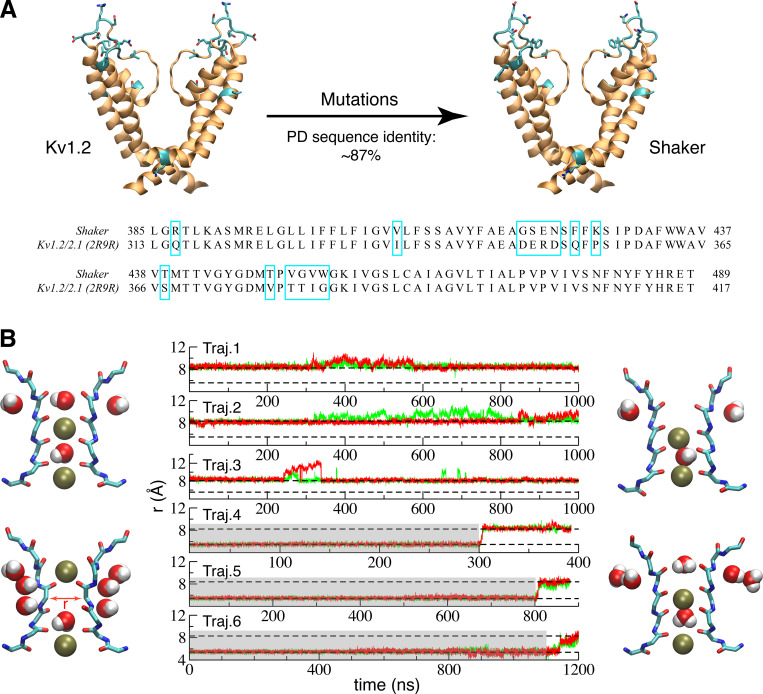
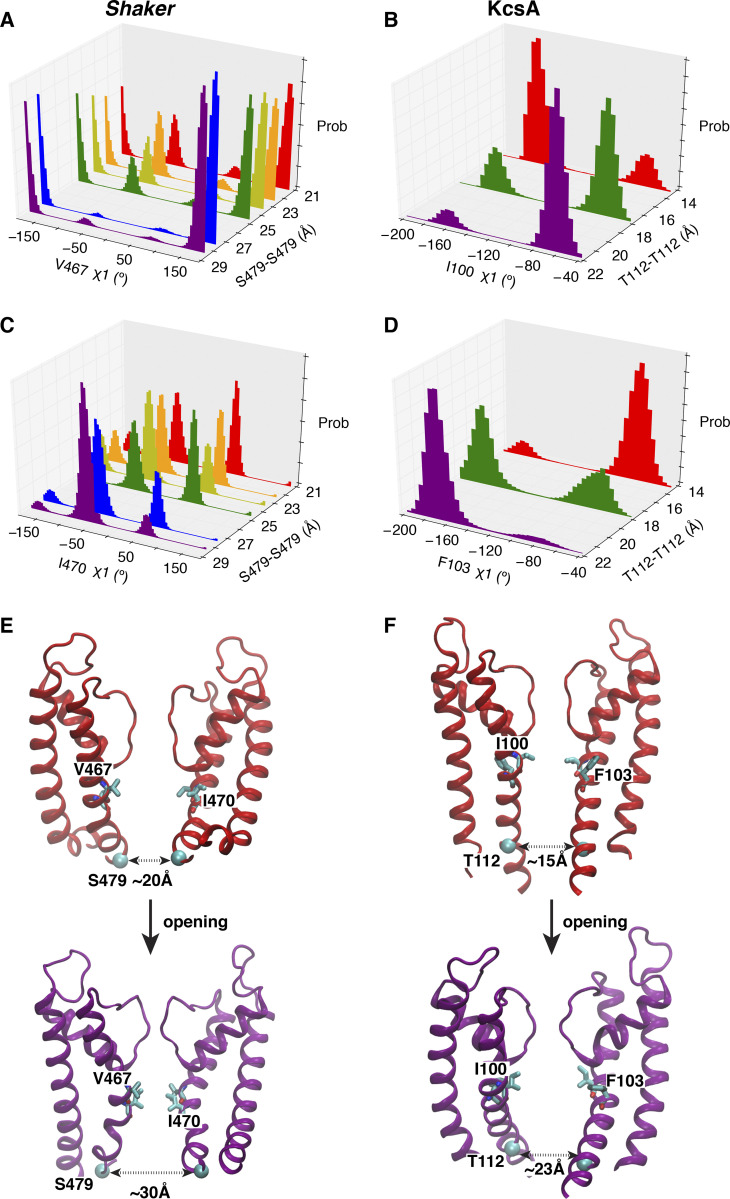
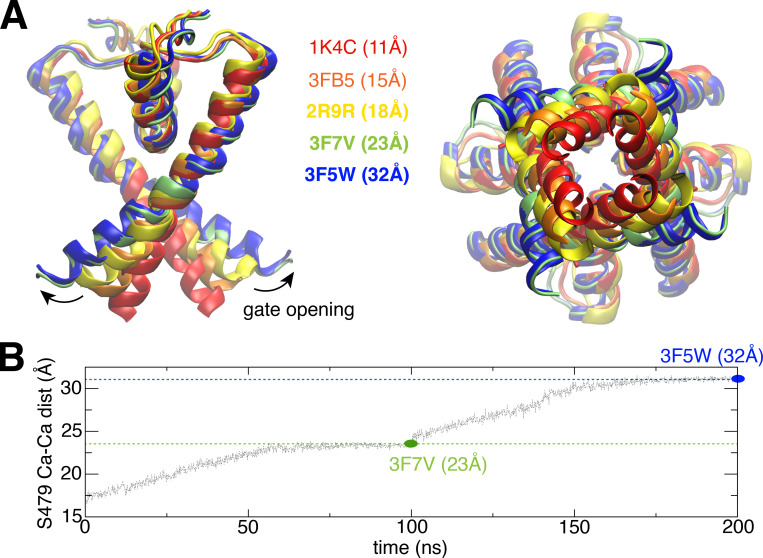
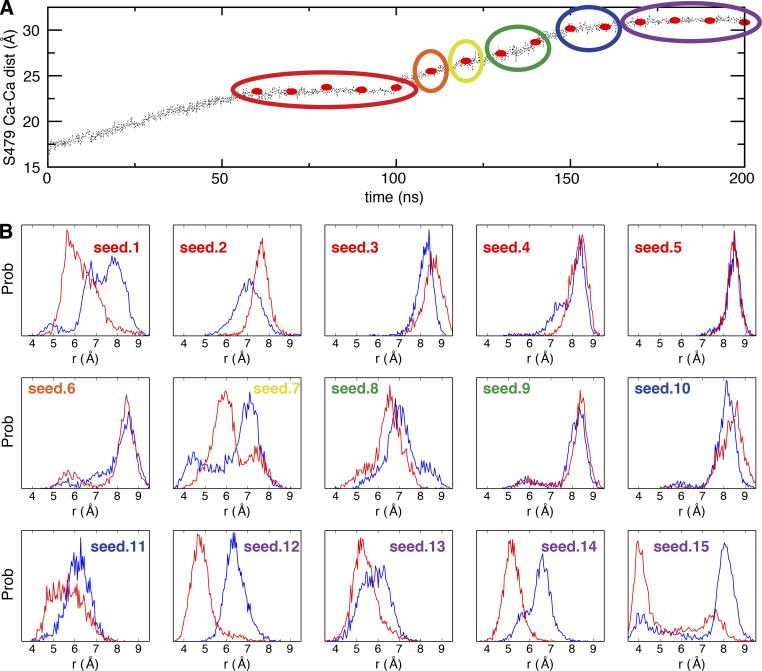
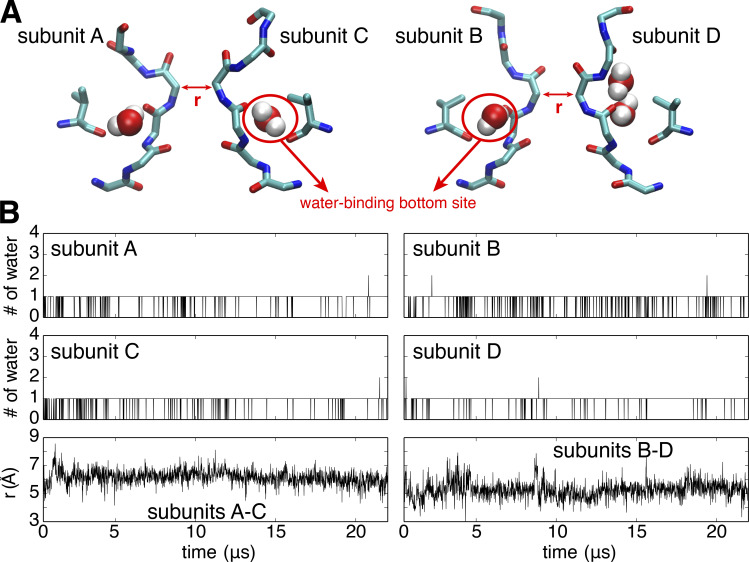
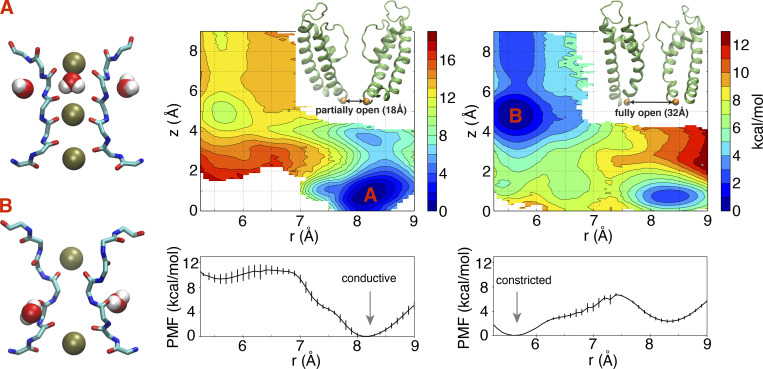
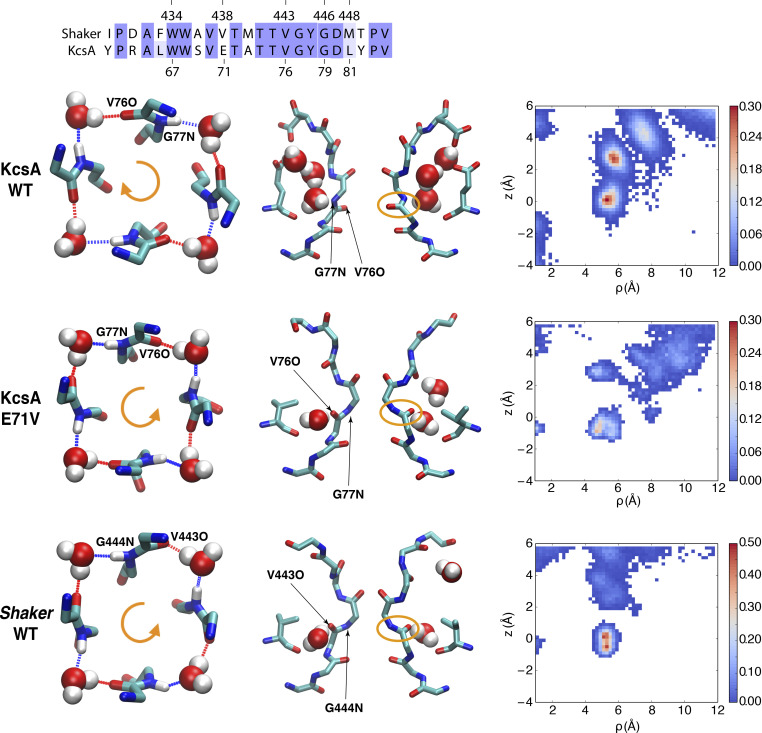
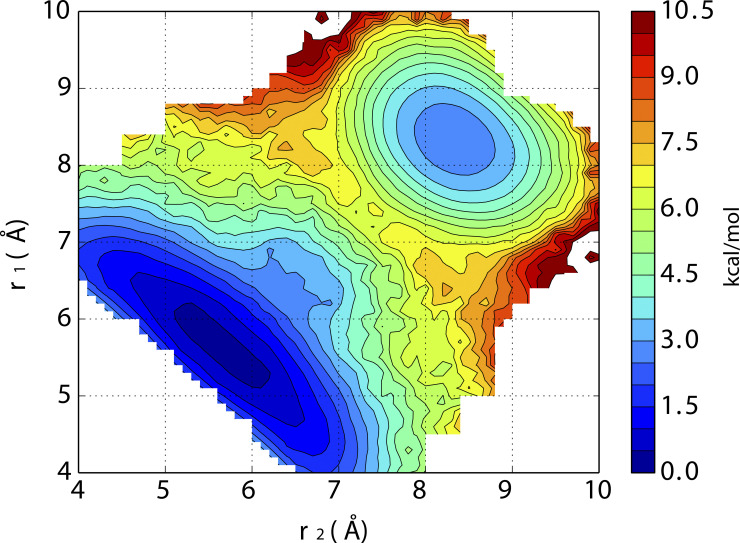
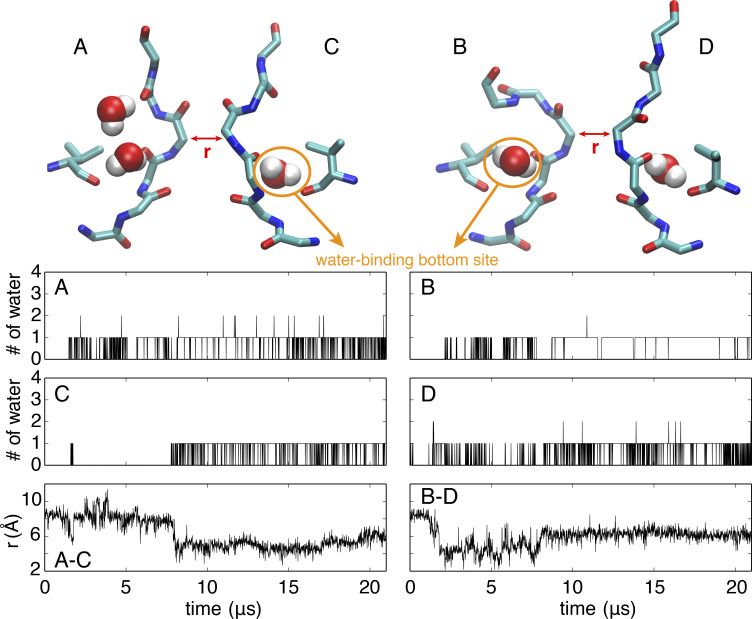
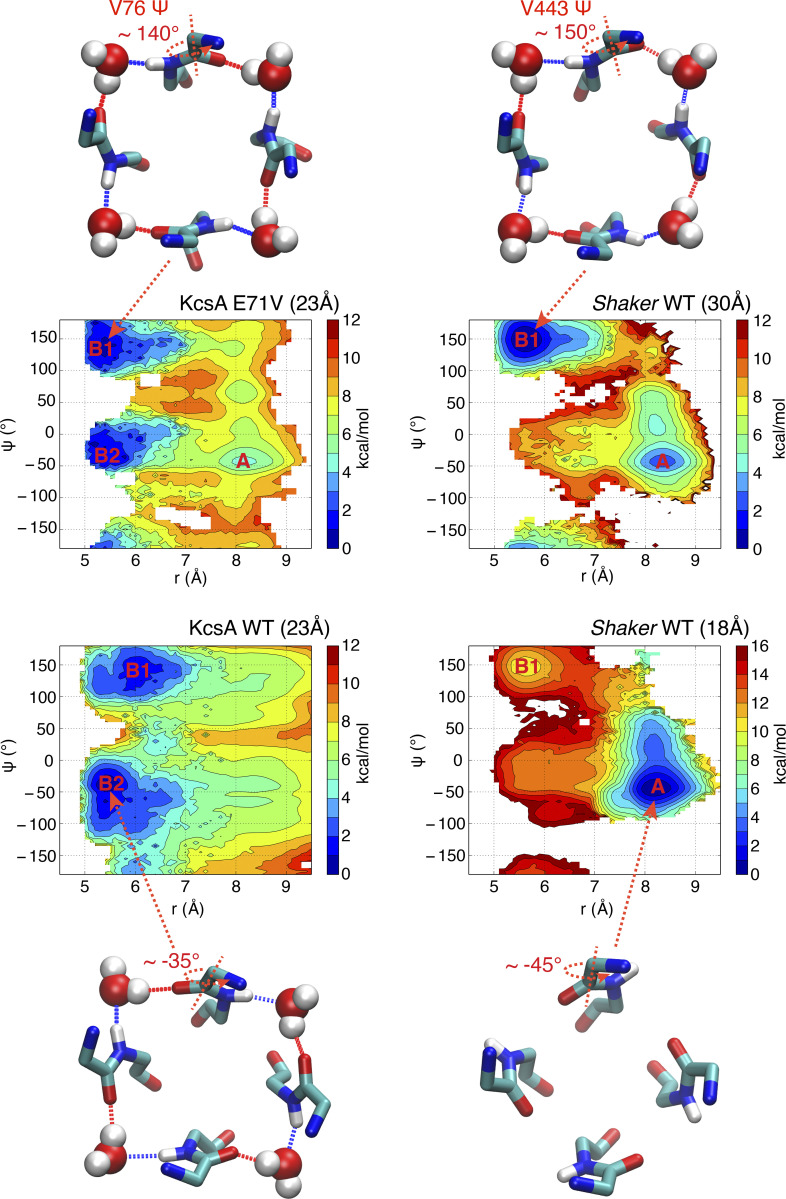
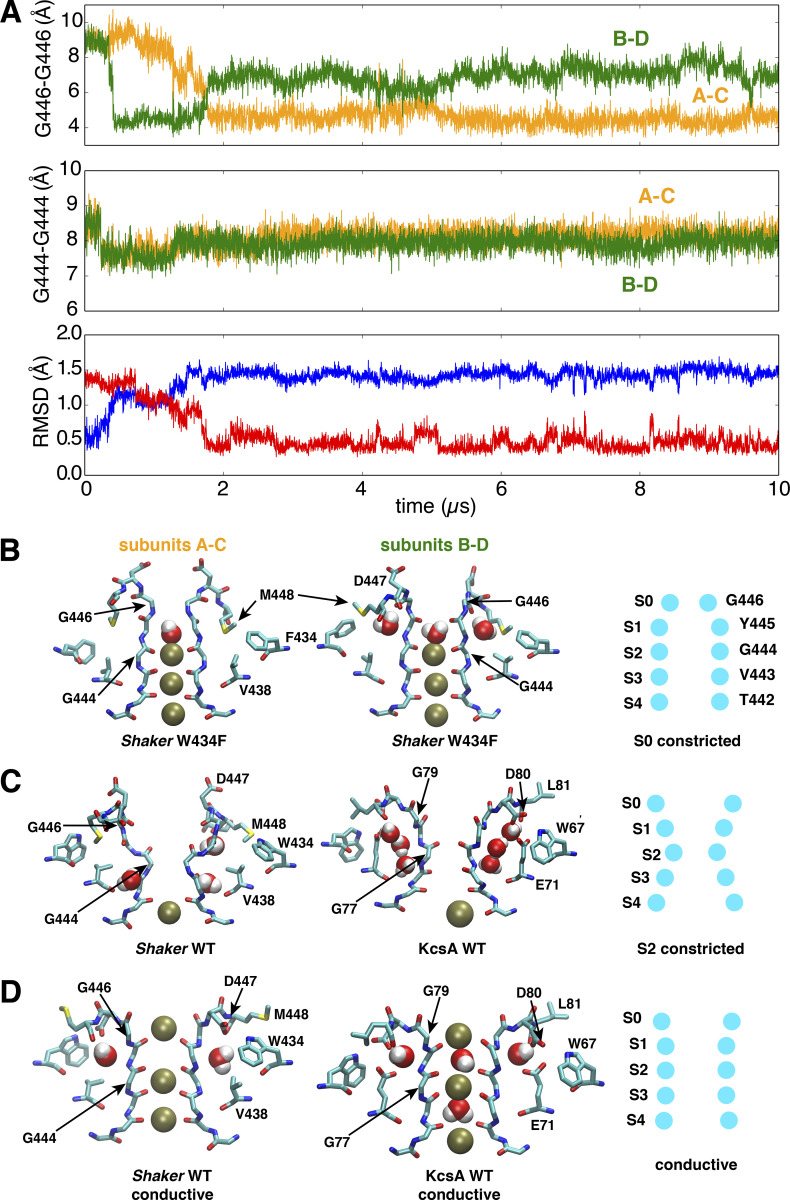
C-type inactivation is a time-dependent process of great physiological significance that is observed in a large class of K+ channels. Experimental and computational studies of the pH-activated KcsA channel show that the functional C-type inactivated state, for this channel, is associated with a structural constriction of the selectivity filter at the level of the central glycine residue in the signature sequence, TTV(G)YGD. The structural constriction is allosterically promoted by the wide opening of the intracellular activation gate. However, whether this is a universal mechanism for C-type inactivation has not been established with certainty because similar constricted structures have not been observed for other K+ channels. Seeking to ascertain the general plausibility of the constricted filter conformation, molecular dynamics simulations of a homology model of the pore domain of the voltage-gated potassium channel Shaker were performed. Simulations performed with an open intracellular gate spontaneously resulted in a stable constricted-like filter conformation, providing a plausible nonconductive state responsible for C-type inactivation in the Shaker channel. While there are broad similarities with the constricted structure of KcsA, the hypothetical constricted-like conformation of Shaker also displays some subtle differences. Interestingly, those are recapitulated by the Shaker-like E71V KcsA mutant, suggesting that the residue at this position along the pore helix plays a pivotal role in determining the C-type inactivation behavior. Free energy landscape calculations show that the conductive-to-constricted transition in Shaker is allosterically controlled by the degree of opening of the intracellular activation gate, as observed with the KcsA channel. The behavior of the classic inactivating W434F Shaker mutant is also characterized from a 10-μs MD simulation, revealing that the selectivity filter spontaneously adopts a nonconductive conformation that is constricted at the level of the second glycine in the signature sequence, TTVGY(G)D.
C 型失活是一种具有重要生理意义的时间依赖性过程,在一大类 K+通道中都有观察到。对 pH 激活的 KcsA 通道的实验和计算研究表明,对于该通道,功能上的 C 型失活状态与特征序列中中央甘氨酸残基处的选择性滤器的结构收缩有关,TTV(G)YGD。结构收缩是由细胞内激活门的宽打开来变构促进的。然而,这种机制是否普遍适用于 C 型失活尚未得到肯定,因为尚未观察到其他 K+通道具有类似的收缩结构。为了确定这种收缩滤器构象的一般合理性,对电压门控钾通道 Shaker 的孔域同源模型进行了分子动力学模拟。在开放的细胞内门的情况下进行的模拟自发地导致了稳定的类似收缩的滤器构象,为 Shaker 通道中的 C 型失活提供了一个合理的非传导状态。虽然与 KcsA 的收缩结构有广泛的相似之处,但 Shaker 的假设的收缩样构象也显示出一些细微的差异。有趣的是,这些差异在 Shaker 样 E71V KcsA 突变体中得到了再现,这表明该位置的残基在沿孔螺旋的位置在确定 C 型失活行为方面起着关键作用。自由能景观计算表明,Shaker 中的传导-收缩转变是由细胞内激活门的打开程度变构控制的,这与 KcsA 通道观察到的情况一样。对经典失活的 W434F Shaker 突变体的 10 μs MD 模拟也进行了表征,结果表明,选择性滤器自发地采用非传导构象,在特征序列的第二个甘氨酸处收缩,TTVGY(G)D。