Koebele Stephanie V, Hiroi Ryoko, Plumley Zachary M T, Melikian Ryan, Prakapenka Alesia V, Patel Shruti, Carson Catherine, Kirby Destiney, Mennenga Sarah E, Mayer Loretta P, Dyer Cheryl A, Bimonte-Nelson Heather A
Department of Psychology, Arizona State University, Tempe, AZ, United States.
Arizona Alzheimer's Consortium, Phoenix, AZ, United States.
Front Behav Neurosci. 2021 Jul 21;15:696838. doi: 10.3389/fnbeh.2021.696838. eCollection 2021.
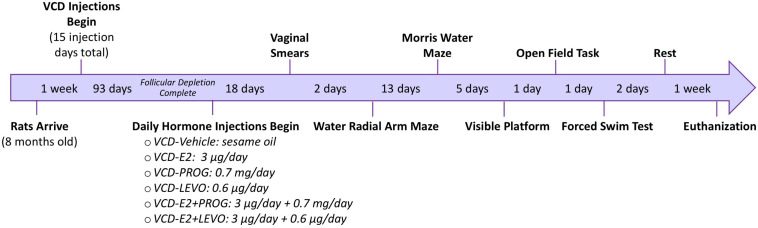
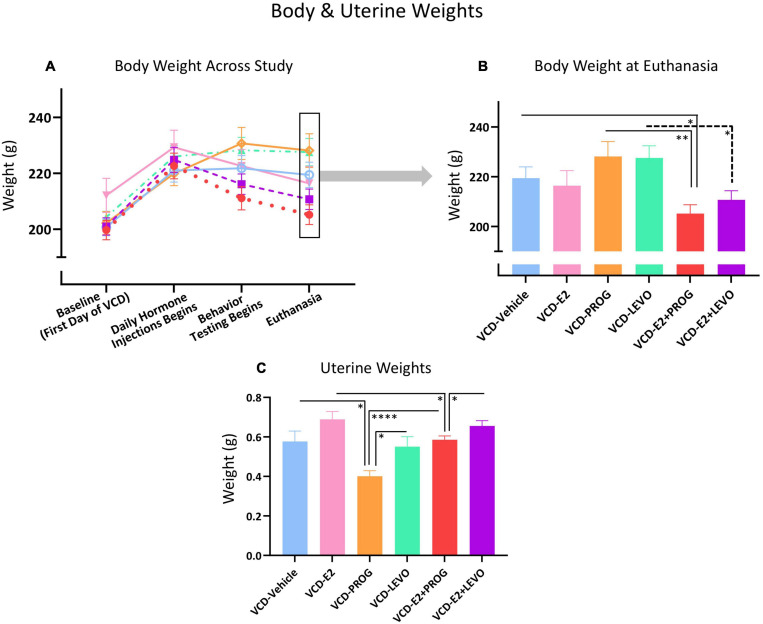
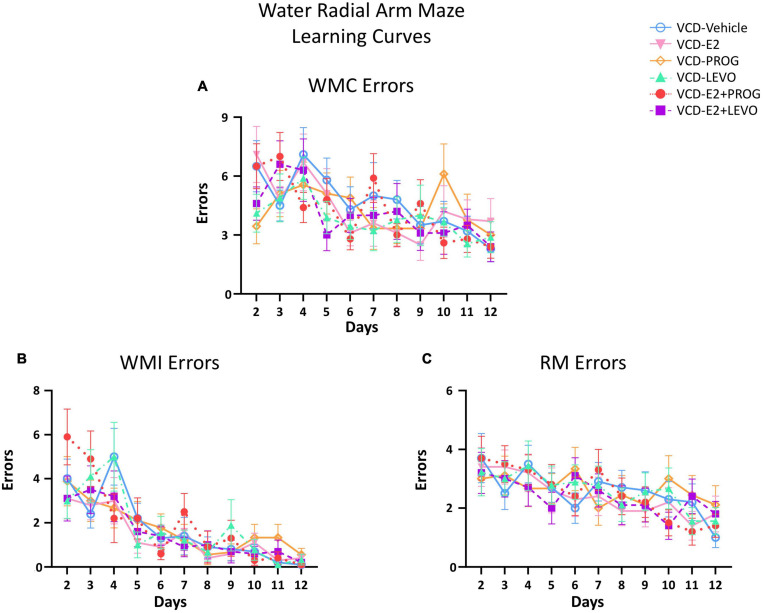
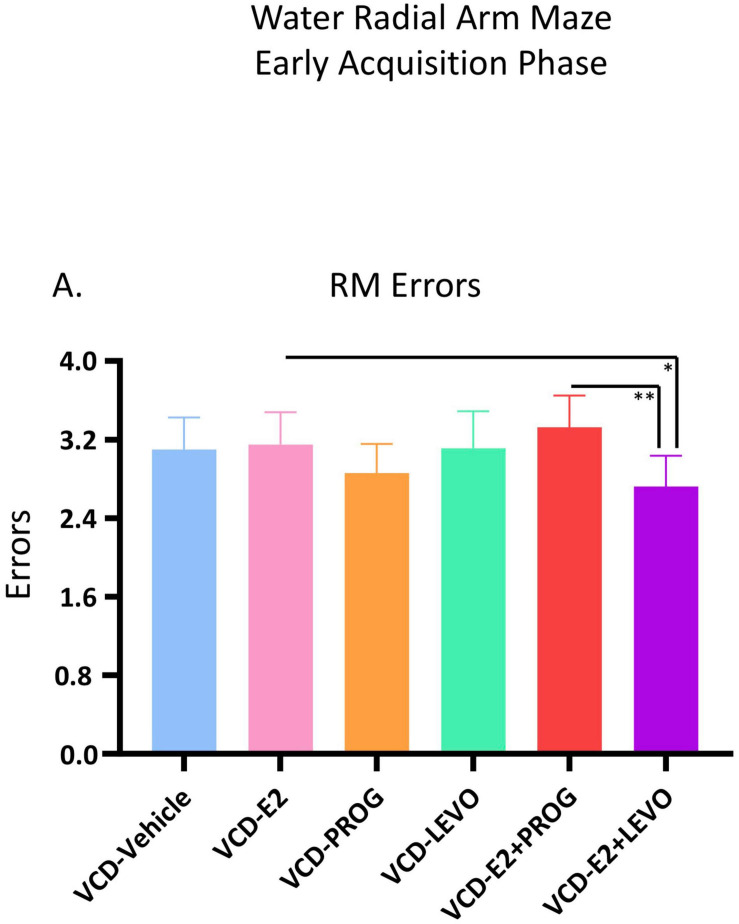
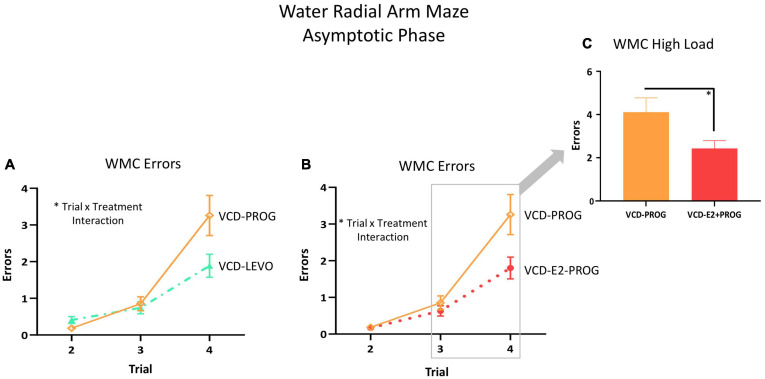
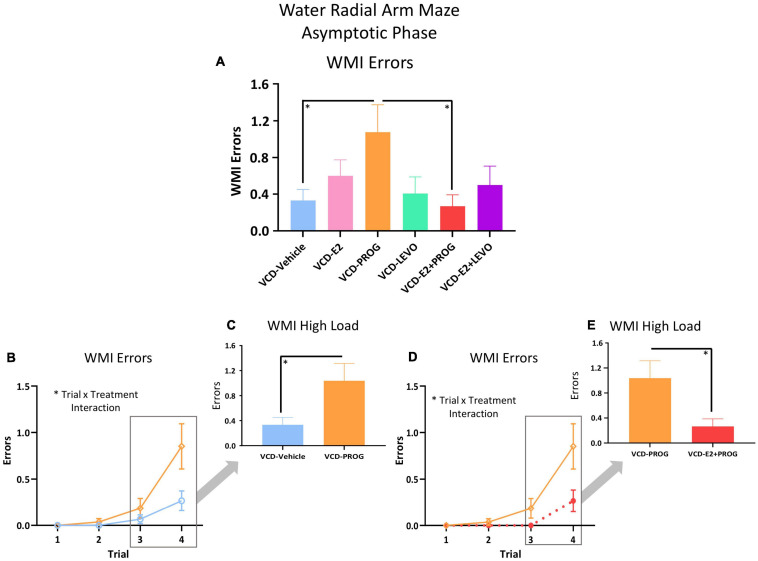
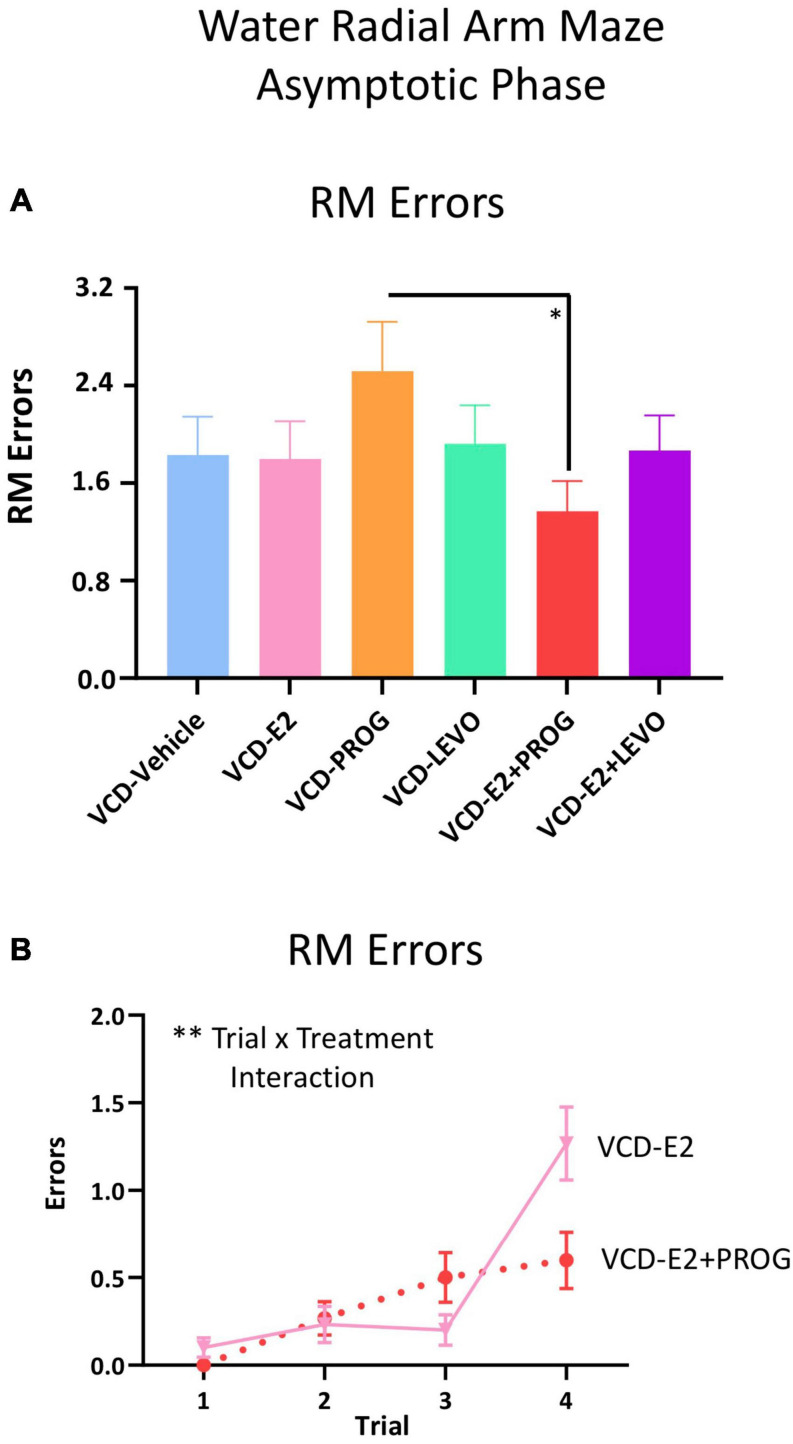
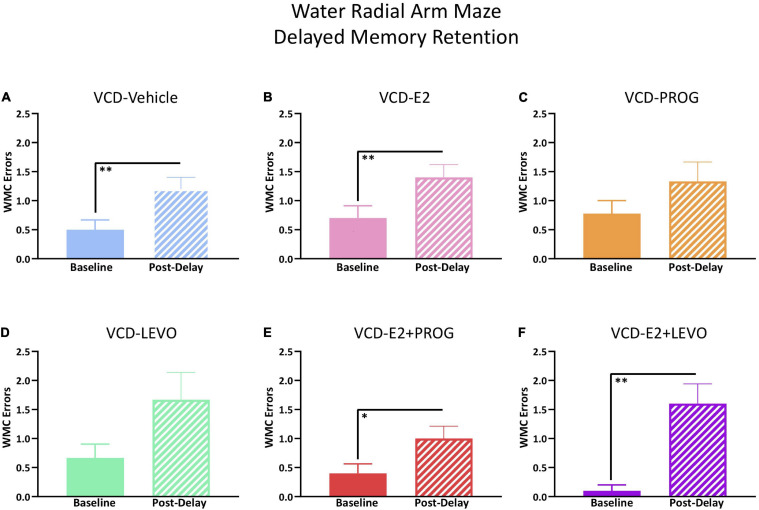
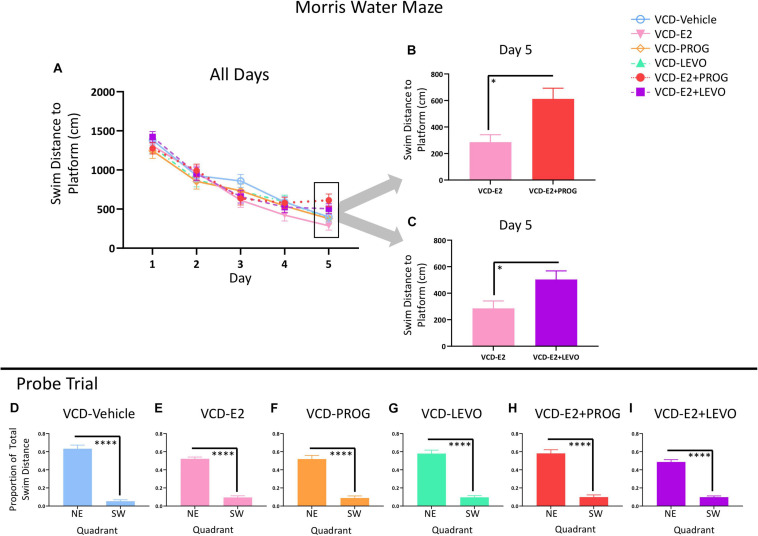
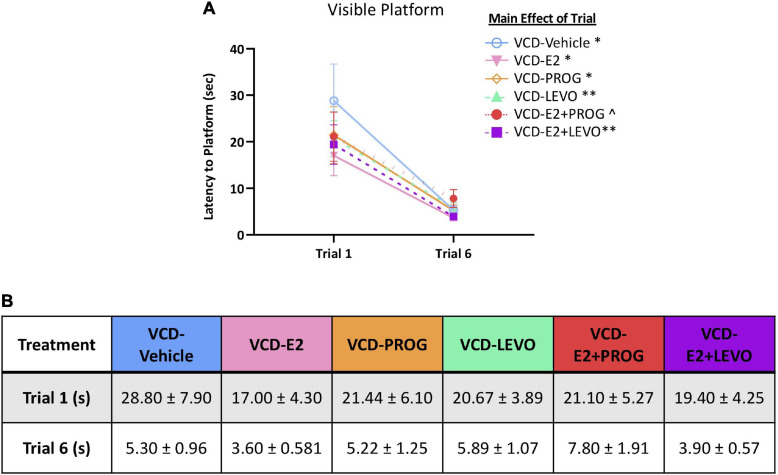
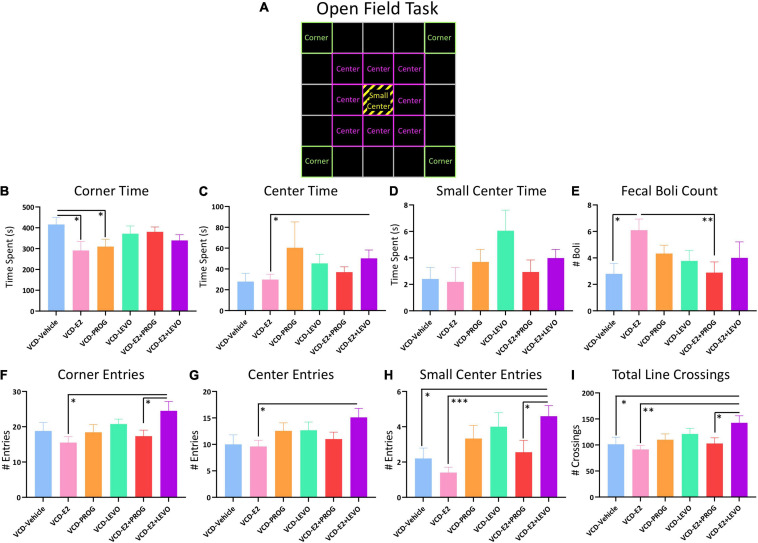
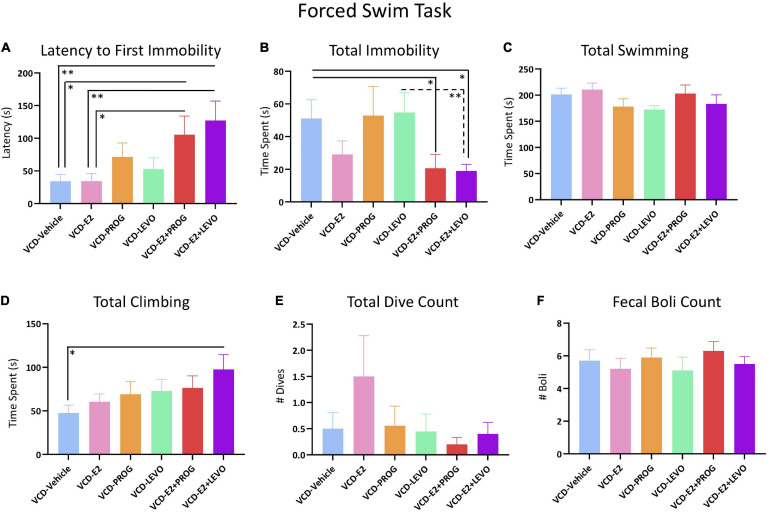
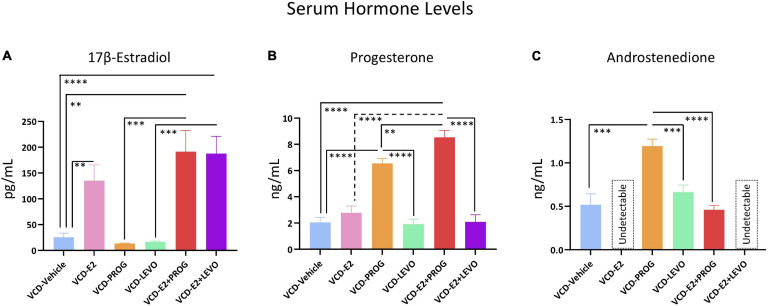
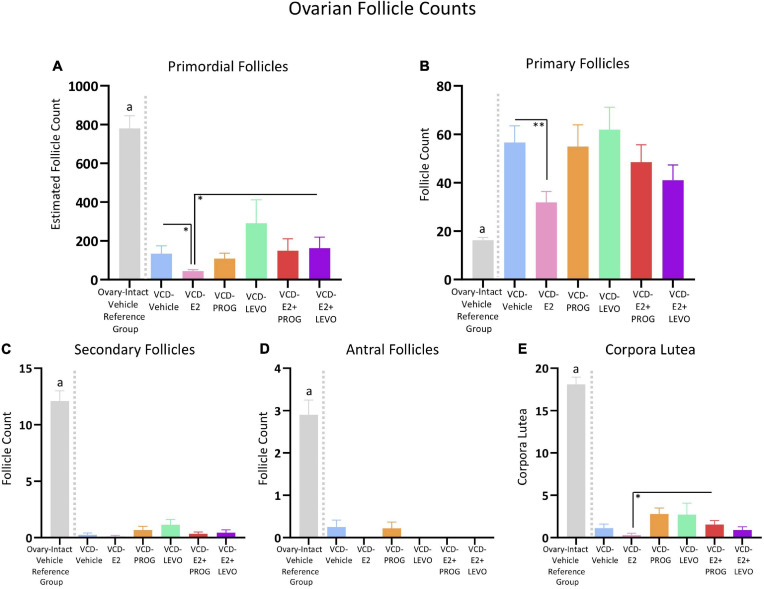
A variety of U.S. Food and Drug Administration-approved hormone therapy options are currently used to successfully alleviate unwanted symptoms associated with the changing endogenous hormonal milieu that occurs in midlife with menopause. Depending on the primary indication for treatment, different hormone therapy formulations are utilized, including estrogen-only, progestogen-only, or combined estrogen plus progestogen options. There is little known about how these formulations, or their unique pharmacodynamics, impact neurobiological processes. Seemingly disparate pre-clinical and clinical findings regarding the cognitive effects of hormone therapies, such as the negative effects associated with conjugated equine estrogens and medroxyprogesterone acetate vs. naturally circulating 17β-estradiol (E2) and progesterone, signal a critical need to further investigate the neuro-cognitive impact of hormone therapy formulations. Here, utilizing a rat model of transitional menopause, we administered either E2, progesterone, levonorgestrel, or combinations of E2 with progesterone or with levonorgestrel daily to follicle-depleted, middle-aged rats. A battery of assessments, including spatial memory, anxiety-like behaviors, and depressive-like behaviors, as well as endocrine status and ovarian follicle complement, were evaluated. Results indicate divergent outcomes for memory, anxiety, and depression, as well as unique physiological profiles, that were dependent upon the hormone regimen administered. Overall, the combination hormone treatments had the most consistently favorable profile for the domains evaluated in rats that had undergone experimentally induced transitional menopause and remained ovary-intact. The collective results underscore the importance of investigating variations in hormone therapy formulation as well as the menopause background upon which these formulations are delivered.
目前,美国食品药品监督管理局批准的多种激素疗法可成功缓解与中年绝经时内源性激素环境变化相关的不良症状。根据治疗的主要适应症,会使用不同的激素疗法制剂,包括仅含雌激素、仅含孕激素或雌激素加孕激素联合制剂。关于这些制剂或其独特的药效学如何影响神经生物学过程,目前所知甚少。关于激素疗法认知效果的临床前和临床研究结果看似不同,例如结合马雌激素和醋酸甲羟孕酮与天然循环的17β-雌二醇(E2)和孕酮相比的负面影响,这表明迫切需要进一步研究激素疗法制剂对神经认知的影响。在此,我们利用过渡性绝经大鼠模型,每天给卵泡耗竭的中年大鼠施用E2、孕酮、左炔诺孕酮,或E2与孕酮或左炔诺孕酮的组合。评估了一系列指标,包括空间记忆、焦虑样行为、抑郁样行为,以及内分泌状态和卵巢卵泡情况。结果表明,记忆、焦虑和抑郁的结果不同,生理特征也不同,这取决于所施用的激素方案。总体而言,在经历实验性诱导的过渡性绝经且卵巢完整的大鼠中,联合激素治疗在所评估的各项指标上表现出最一致的有利特征。这些综合结果强调了研究激素疗法制剂差异以及这些制剂所适用的绝经背景的重要性。