
新冠危机中的分析性思维与政治倾向
Analytic Thinking and Political Orientation in the Corona Crisis.
作者信息
Maglić Marina, Pavlović Tomislav, Franc Renata
机构信息
Institute of Social Sciences Ivo Pilar (IPI), Zagreb, Croatia.
出版信息
Front Psychol. 2021 Jul 22;12:631800. doi: 10.3389/fpsyg.2021.631800. eCollection 2021.
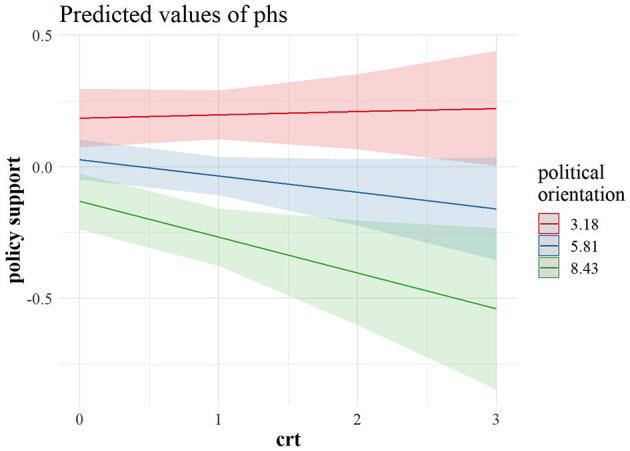
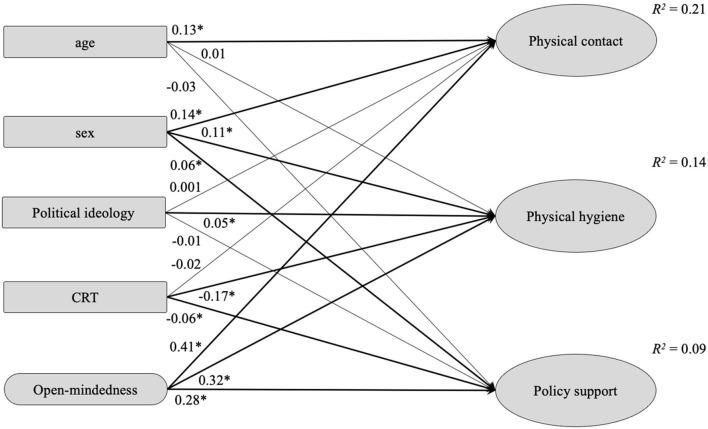
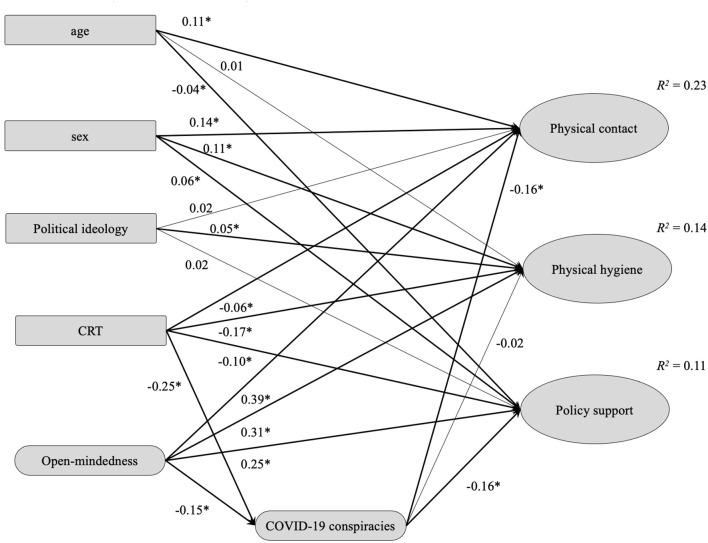
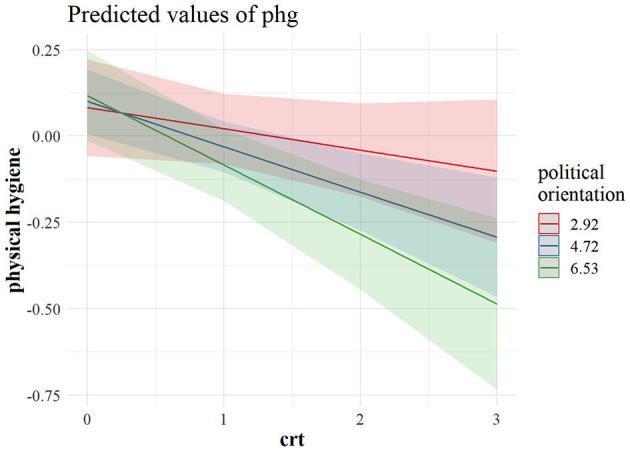
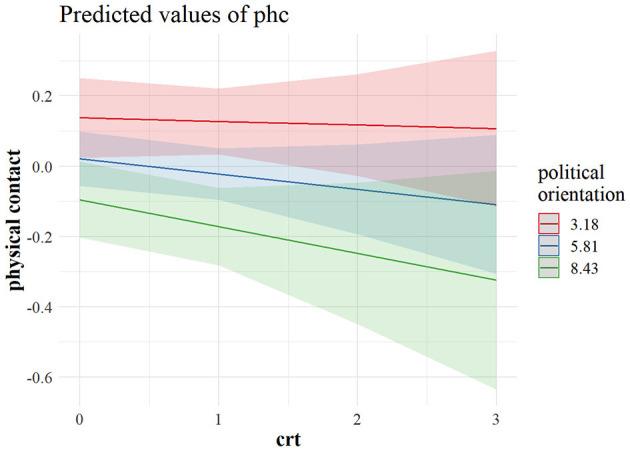
With much unknown about the new coronavirus, the scientific consensus is that human hosts are crucial to its spread and reproduction-the more people behave like regular socializing beings they are, the more likely it is that the virus will propagate. Hence, many nations worldwide have mandated physical-distancing measures. In the current preregistered research, we focus on examining two factors that may help explain differences in adherence to COVID-19 preventive behaviors and policy support across different countries-political orientation and analytic thinking. We positioned our research within the dual-process framework of human reasoning and investigated the role of cognitive reflection, open-minded thinking, and political ideology in determining COVID-19 responsible behavior (physical distancing and maintaining hygiene) and support for restrictive COVID-19 policies on a sample of 12,490 participants from 17 countries. We have not been able to detect substantial relationships of political orientation with preventive behaviors and policy support, and overall found no reliable evidence of politicization, nor polarization regarding the issue. The results of structural equation modeling showed that the inclination towards COVID-19 preventive measures and their endorsement were defined primarily by the tendency of open-minded thinking. Specifically, open-minded thinking was shown to be a predictor of all three criteria-avoiding physical contact, maintaining physical hygiene, and supporting COVID-19 restrictive mitigation policies. Cognitive reflection was predictive of lesser adherence to stricter hygiene and only very weakly predictive of lesser policy support. Furthermore, there was no evidence of these effects varying across political contexts. The mediation analysis suggested a partial mediation effect of COVID-19 conspiracy beliefs on the relationships of open-mindedness and cognitive reflection with physical distancing (but not adherence to stricter hygiene) and COVID-19 policy support, albeit very small and significant primarily due to sample size. There was also no evidence of these effects varying across political contexts. Finally, we have not been able to find strong evidence of political orientation modifying the relationship between analytical thinking and COVID-19 behaviors and policy support, although we explored the pattern of these effects in the US and Canadian samples for exploratory purposes and comparison with other similar studies.
由于对新型冠状病毒仍有诸多未知,科学界的共识是人类宿主对其传播和繁殖至关重要——人们越是像正常社交的个体那样行事,病毒传播的可能性就越大。因此,全球许多国家都强制实施了保持社交距离的措施。在当前这项预先注册的研究中,我们着重考察两个因素,它们或许有助于解释不同国家在遵守新冠疫情预防行为和政策支持方面存在差异的原因——政治倾向和分析性思维。我们将研究置于人类推理的双过程框架内,以来自17个国家的12490名参与者为样本,调查了认知反思、开放思维和政治意识形态在决定新冠疫情责任行为(保持社交距离和保持卫生)以及对限制性新冠疫情政策的支持方面所起的作用。我们未能发现政治倾向与预防行为及政策支持之间存在实质性关联,总体上也未找到关于该问题政治化或两极分化的可靠证据。结构方程模型的结果表明,对新冠疫情预防措施的倾向及其认可主要由开放思维的倾向所决定。具体而言,开放思维被证明是所有三个标准的预测指标——避免身体接触、保持身体卫生以及支持新冠疫情限制性缓解政策。认知反思预示着对更严格卫生措施的遵守程度较低,且对政策支持较低的预测作用非常微弱。此外,没有证据表明这些影响在不同政治背景下存在差异。中介分析表明,新冠疫情阴谋论信念对开放思维和认知反思与保持社交距离(但不包括对更严格卫生措施的遵守)以及新冠疫情政策支持之间的关系存在部分中介效应,尽管这一效应非常小且主要因样本量而显著。同样没有证据表明这些影响在不同政治背景下存在差异。最后,尽管我们出于探索目的并与其他类似研究进行比较,在美国和加拿大样本中探究了这些影响的模式,但我们未能找到有力证据证明政治倾向会改变分析性思维与新冠疫情行为及政策支持之间的关系。

 Zotero 插件