Díaz-Rullo Jorge, Rodríguez-Valdecantos Gustavo, Torres-Rojas Felipe, Cid Luis, Vargas Ignacio T, González Bernardo, González-Pastor José Eduardo
Department of Molecular Evolution, Centro de Astrobiología (CSIC-INTA), Madrid, Spain.
Polytechnic School, University of Alcalá, Alcalá de Henares, Spain.
Front Microbiol. 2021 Jul 23;12:723874. doi: 10.3389/fmicb.2021.723874. eCollection 2021.
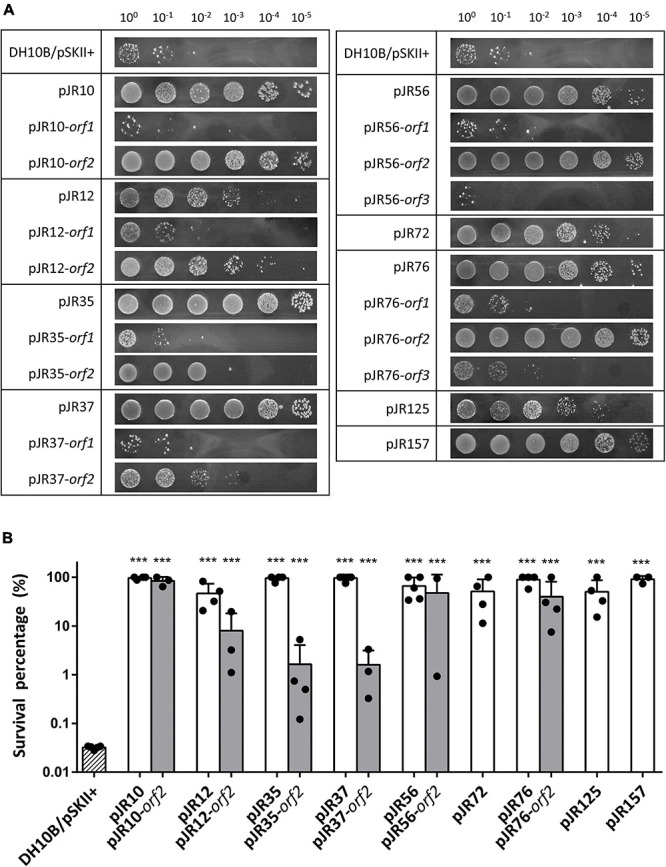
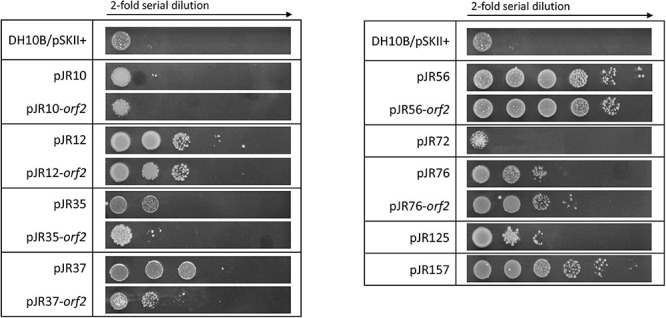
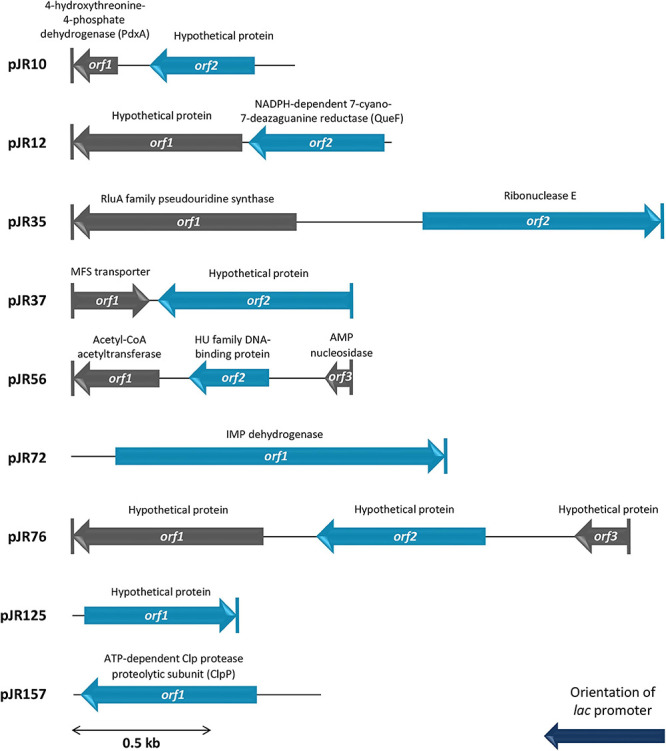
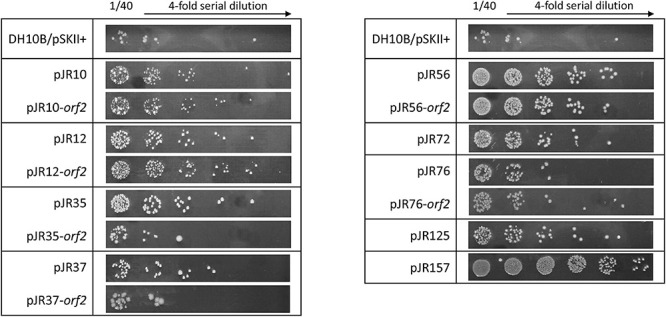
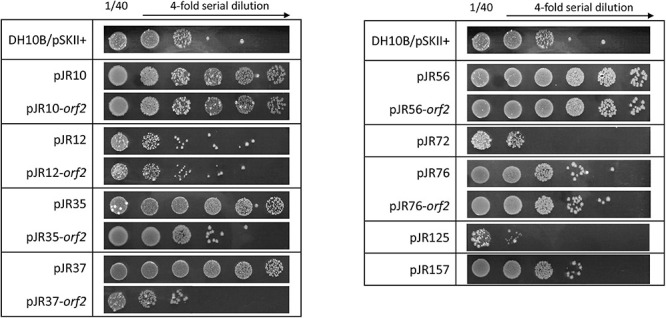
Perchlorate is an oxidative pollutant toxic to most of terrestrial life by promoting denaturation of macromolecules, oxidative stress, and DNA damage. However, several microorganisms, especially hyperhalophiles, are able to tolerate high levels of this compound. Furthermore, relatively high quantities of perchlorate salts were detected on the Martian surface, and due to its strong hygroscopicity and its ability to substantially decrease the freezing point of water, perchlorate is thought to increase the availability of liquid brine water in hyper-arid and cold environments, such as the Martian regolith. Therefore, perchlorate has been proposed as a compound worth studying to better understanding the habitability of the Martian surface. In the present work, to study the molecular mechanisms of perchlorate resistance, a functional metagenomic approach was used, and for that, a small-insert library was constructed with DNA isolated from microorganisms exposed to perchlorate in sediments of a hypersaline pond in the Atacama Desert, Chile (Salar de Maricunga), one of the regions with the highest levels of perchlorate on Earth. The metagenomic library was hosted in DH10B strain and exposed to sodium perchlorate. This technique allowed the identification of nine perchlorate-resistant clones and their environmental DNA fragments were sequenced. A total of seventeen ORFs were predicted, individually cloned, and nine of them increased perchlorate resistance when expressed in DH10B cells. These genes encoded hypothetical conserved proteins of unknown functions and proteins similar to other not previously reported to be involved in perchlorate resistance that were related to different cellular processes such as RNA processing, tRNA modification, DNA protection and repair, metabolism, and protein degradation. Furthermore, these genes also conferred resistance to UV-radiation, 4-nitroquinoline-N-oxide (4-NQO) and/or hydrogen peroxide (HO), other stress conditions that induce oxidative stress, and damage in proteins and nucleic acids. Therefore, the novel genes identified will help us to better understand the molecular strategies of microorganisms to survive in the presence of perchlorate and may be used in Mars exploration for creating perchlorate-resistance strains interesting for developing Bioregenerative Life Support Systems (BLSS) based on resource utilization (ISRU).
高氯酸盐是一种氧化性污染物,通过促使大分子变性、引发氧化应激和造成DNA损伤,对大多数陆地生物有毒害作用。然而,一些微生物,尤其是嗜盐菌,能够耐受高浓度的这种化合物。此外,在火星表面检测到了相对大量的高氯酸盐,由于其强大的吸湿性以及大幅降低水冰点的能力,高氯酸盐被认为能增加极端干旱和寒冷环境(如火星风化层)中液态卤水的可利用性。因此,高氯酸盐被提议作为一种值得研究的化合物,以更好地了解火星表面的宜居性。在本研究中,为了探究微生物抗高氯酸盐的分子机制,采用了功能宏基因组学方法,为此,构建了一个小片段文库,其DNA取自智利阿塔卡马沙漠(马里昆加盐沼)一个高盐池塘沉积物中接触过高氯酸盐的微生物,该地区是地球上高氯酸盐含量最高的地区之一。宏基因组文库搭载于DH10B菌株中,并使其暴露于高氯酸钠环境下。该技术鉴定出了9个抗高氯酸盐的克隆,并对其环境DNA片段进行了测序。总共预测出17个开放阅读框(ORF),将它们单独克隆后,其中9个在DH10B细胞中表达时提高了对高氯酸盐的抗性。这些基因编码功能未知的假定保守蛋白以及与其他先前未报道参与高氯酸盐抗性的蛋白相似的蛋白,这些蛋白与不同的细胞过程相关,如RNA加工、tRNA修饰、DNA保护与修复、代谢以及蛋白质降解。此外,这些基因还赋予了对紫外线辐射、4-硝基喹啉-N-氧化物(4-NQO)和/或过氧化氢(HO)的抗性,这些都是诱导氧化应激以及造成蛋白质和核酸损伤的其他应激条件。因此,鉴定出的这些新基因将有助于我们更好地理解微生物在高氯酸盐存在下生存的分子策略,并且可用于火星探索,以创建对开发基于原位资源利用(ISRU)的生物再生生命支持系统(BLSS)有意义的抗高氯酸盐菌株。