Department of Microbial Infection and Immunity, The Ohio State University, Columbus, OH, United States.
Department of Microbiology, The Ohio State University, Columbus, OH, United States.
Front Immunol. 2021 Jul 23;12:709466. doi: 10.3389/fimmu.2021.709466. eCollection 2021.
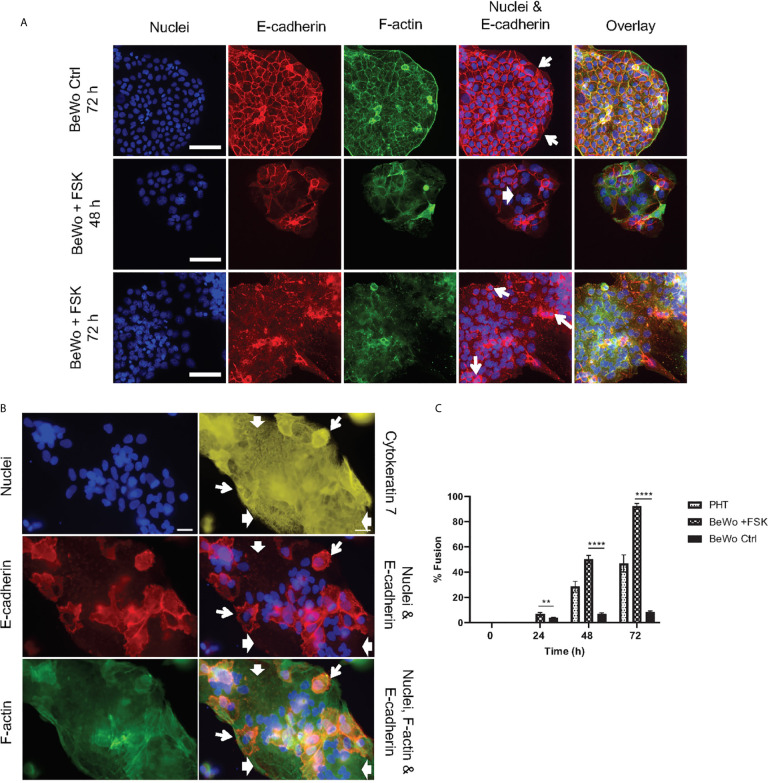
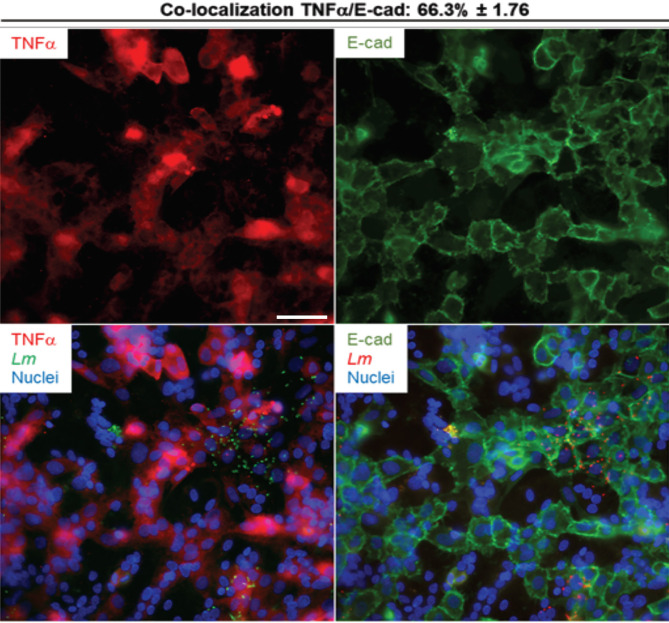
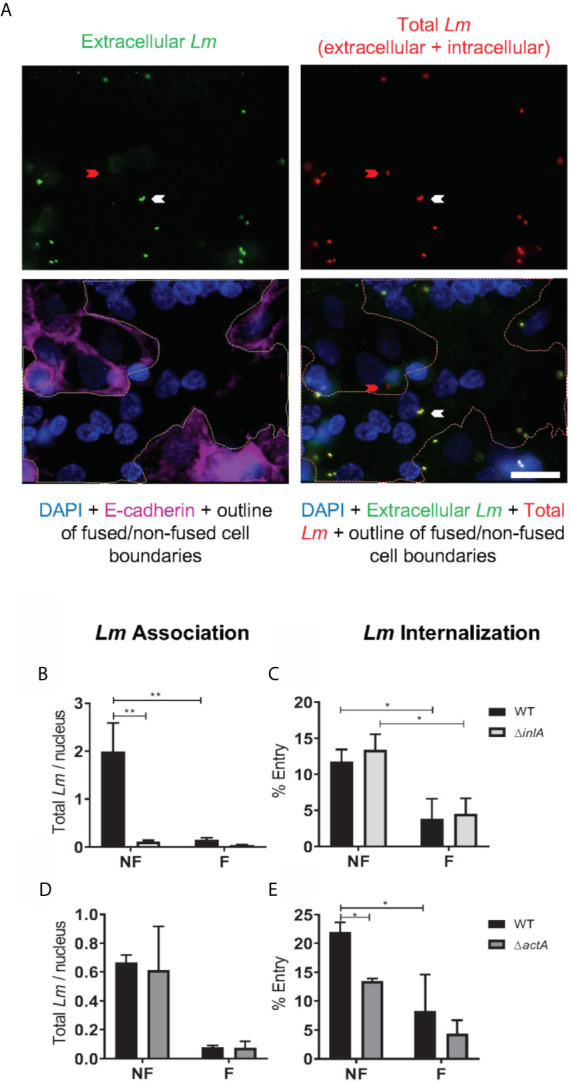
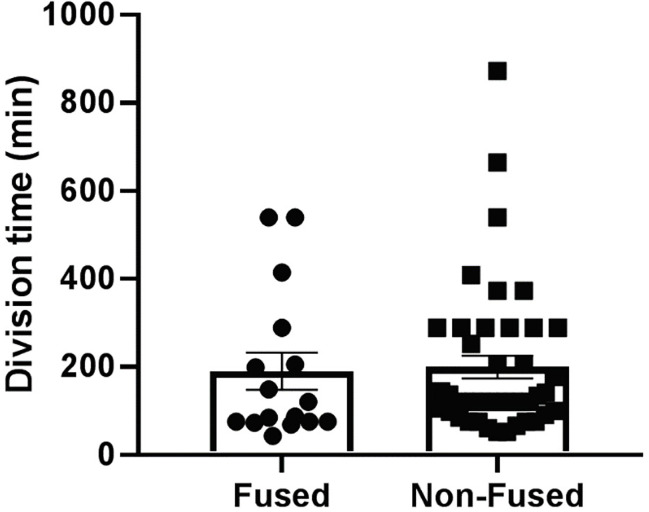
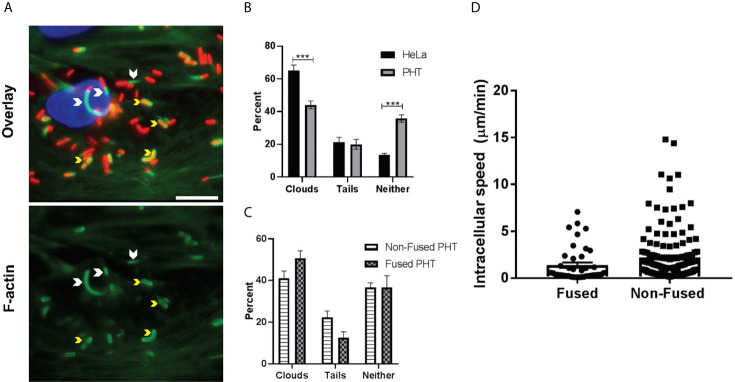
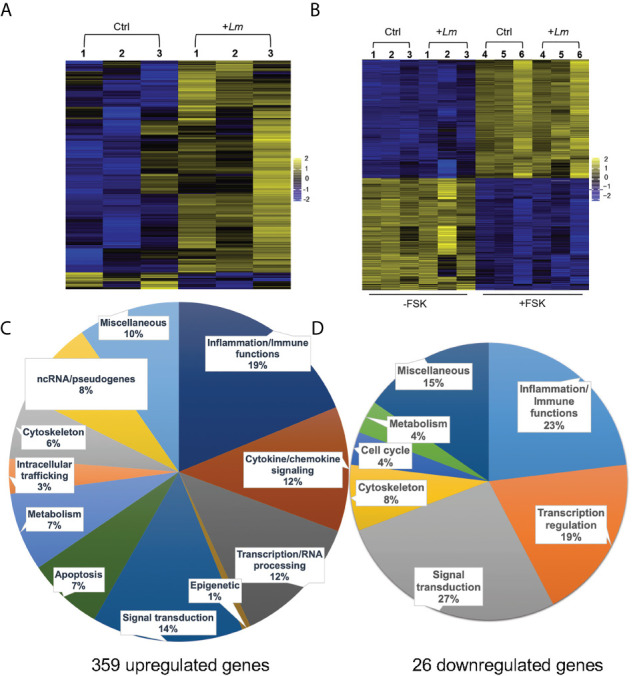
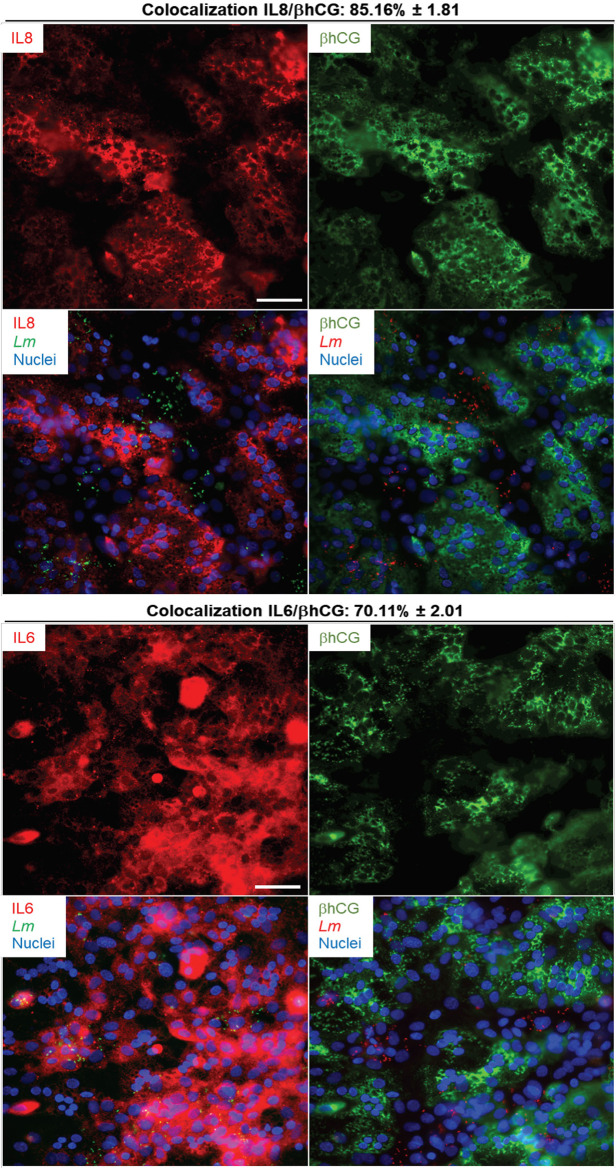
The placenta controls the growth of the fetus and ensures its immune protection. Key to these functions, the syncytiotrophoblast (SYN) is a syncytium formed by fusion of underlying mononuclear trophoblasts. The SYN covers the placental surface and is bathed in maternal blood to mediate nutritional and waste exchanges between the mother and fetus. The bacterial pathogen breaches the trophoblast barrier and infects the placental/fetal unit resulting in poor pregnancy outcomes. In this work, we analyzed the intracellular lifecycle in primary human trophoblasts. In accordance with previous studies, we found that the SYN is 20-fold more resistant to infection compared to mononuclear trophoblasts, forming a protective barrier to infection at the maternal interface. We show for the first time that this is due to a significant reduction in uptake by the SYN rather than inhibition of the bacterial intracellular division or motility. We here report the first transcriptomic analysis of -infected trophoblasts (RNA sequencing). Pathway analysis showed that infection upregulated TLR2, NOD-like, and cytosolic DNA sensing pathways, as well as downstream pro-inflammatory circuitry (NF-κB, AP-1, IRF4, IRF7) leading to the production of mediators known to elicit the recruitment and activation of maternal leukocytes (IL8, IL6, TNFα, MIP-1). Signature genes associated with poor pregnancy outcomes were also upregulated upon infection. Measuring the release of 54 inflammatory mediators confirmed the transcriptomic data and revealed sustained production of tolerogenic factors (IL-27, IL-10, IL-1RA, TSLP) despite infection. Both the SYN and mononuclear trophoblasts produced cytokines, but surprisingly, some cytokines were predominantly produced by the SYN (IL-8, IL-6) or by non-fused trophoblasts (TNFα). Collectively, our data support that trophoblasts act as placental gatekeepers that limit and detect infection resulting in a pro-inflammatory response, which may contribute to the poor pregnancy outcomes if the pathogen persists.
胎盘控制胎儿的生长并确保其免疫保护。胎盘合体滋养层(syncytiotrophoblast,SYN)是一种由下方单核滋养层融合形成的合胞体,是这些功能的关键。SYN 覆盖胎盘表面,并浸泡在母体血液中,介导母体与胎儿之间的营养物质和废物交换。细菌病原体突破滋养层屏障并感染胎盘/胎儿单位,导致妊娠结局不佳。在这项工作中,我们分析了原代人滋养层细胞的细胞内生命周期。与先前的研究一致,我们发现 SYN 对感染的抵抗力比单核滋养层高 20 倍,在母体界面形成了感染的保护屏障。我们首次表明,这是由于 SYN 摄取的显著减少,而不是抑制细菌的细胞内分裂或运动。我们在这里报告了首次对感染的滋养层细胞(RNA 测序)进行的转录组分析。通路分析表明,感染上调了 TLR2、NOD 样和细胞质 DNA 感应通路,以及下游促炎电路(NF-κB、AP-1、IRF4、IRF7),导致已知引发母体白细胞募集和激活的介质(IL8、IL6、TNFα、MIP-1)的产生。感染后也上调了与不良妊娠结局相关的特征基因。测量 54 种炎症介质的释放证实了转录组数据,并揭示了尽管存在感染,但仍持续产生耐受原性因子(IL-27、IL-10、IL-1RA、TSLP)。SYN 和单核滋养层都产生细胞因子,但令人惊讶的是,一些细胞因子主要由 SYN(IL-8、IL-6)或非融合滋养层(TNFα)产生。总的来说,我们的数据支持滋养层作为胎盘的守门员,限制和检测 感染,导致促炎反应,如果病原体持续存在,可能导致不良的妊娠结局。