Division of Maternal-Fetal Medicine, University of Pittsburgh Medical Center, Pittsburgh, PA.
Department of Obstetrics, Gynecology and Reproductive Sciences, University of Pittsburgh Medical School, Pittsburgh, PA.
J Exp Med. 2021 Jan 4;218(1). doi: 10.1084/jem.20200649.
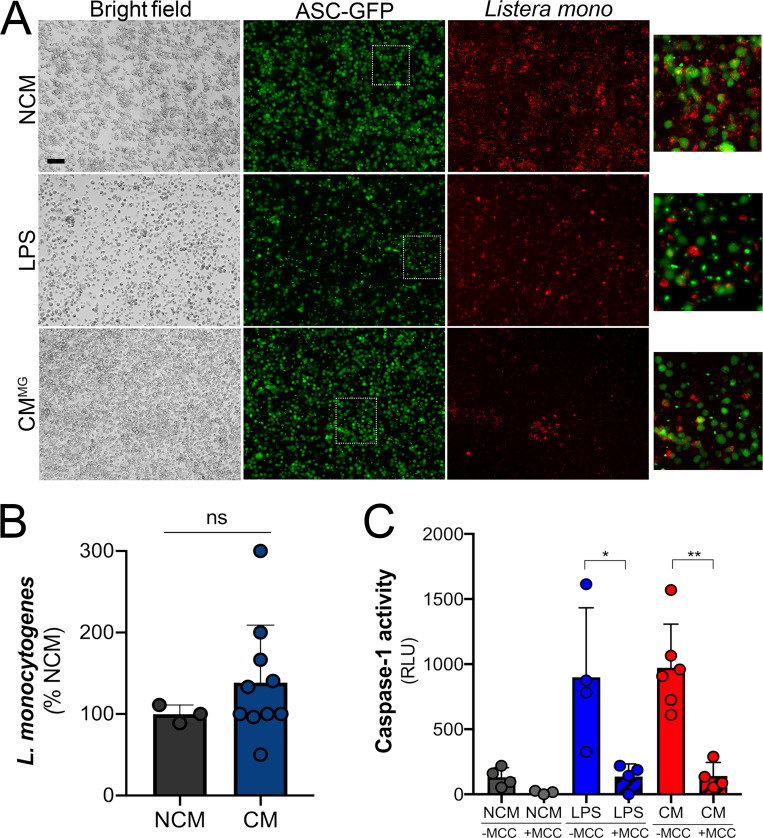
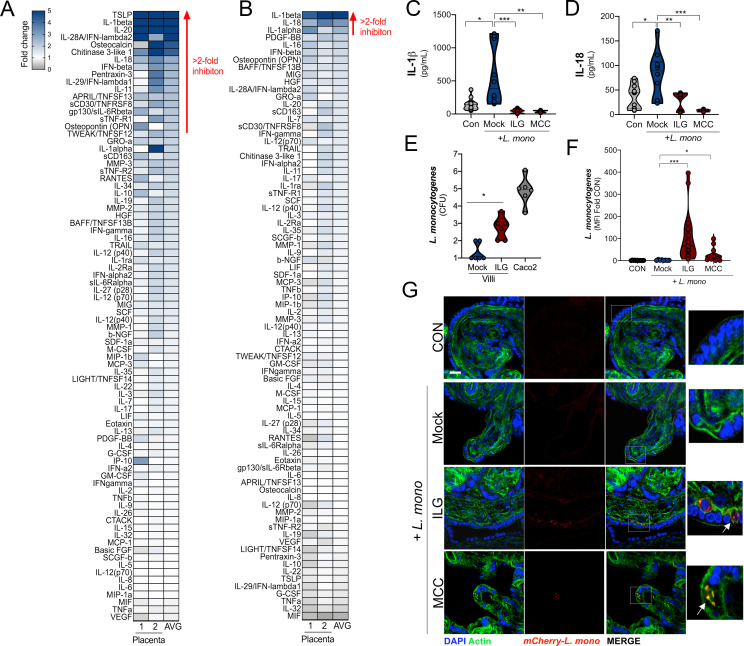
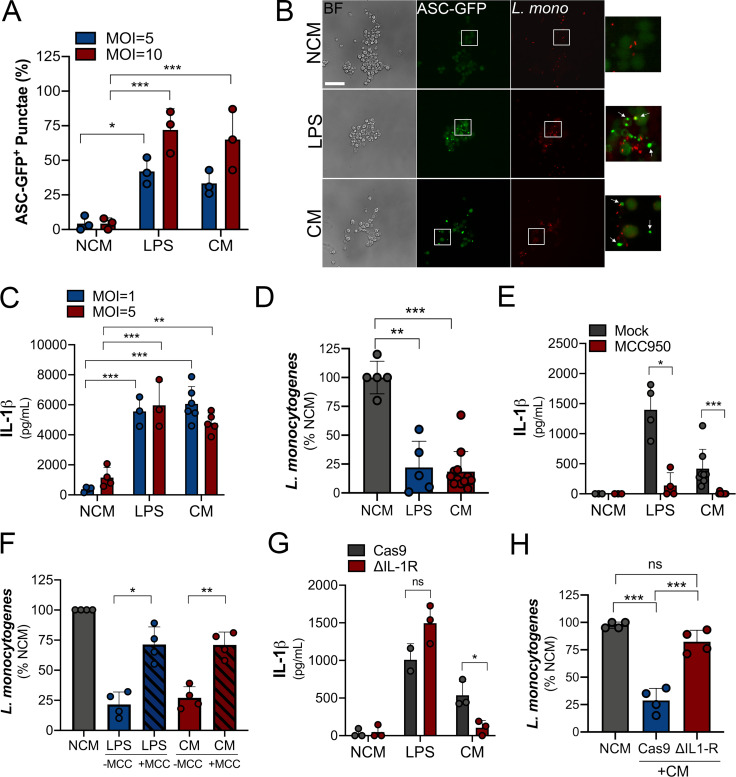
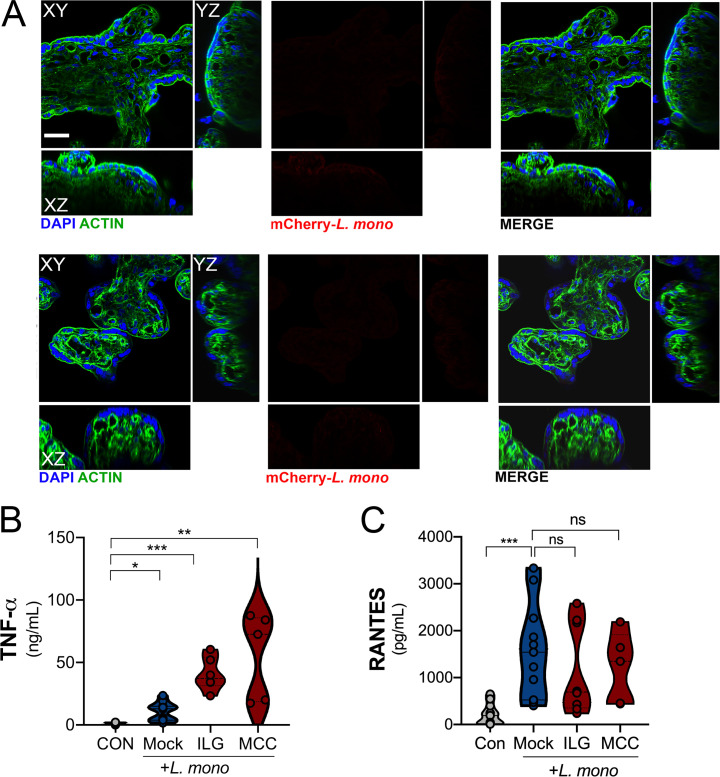
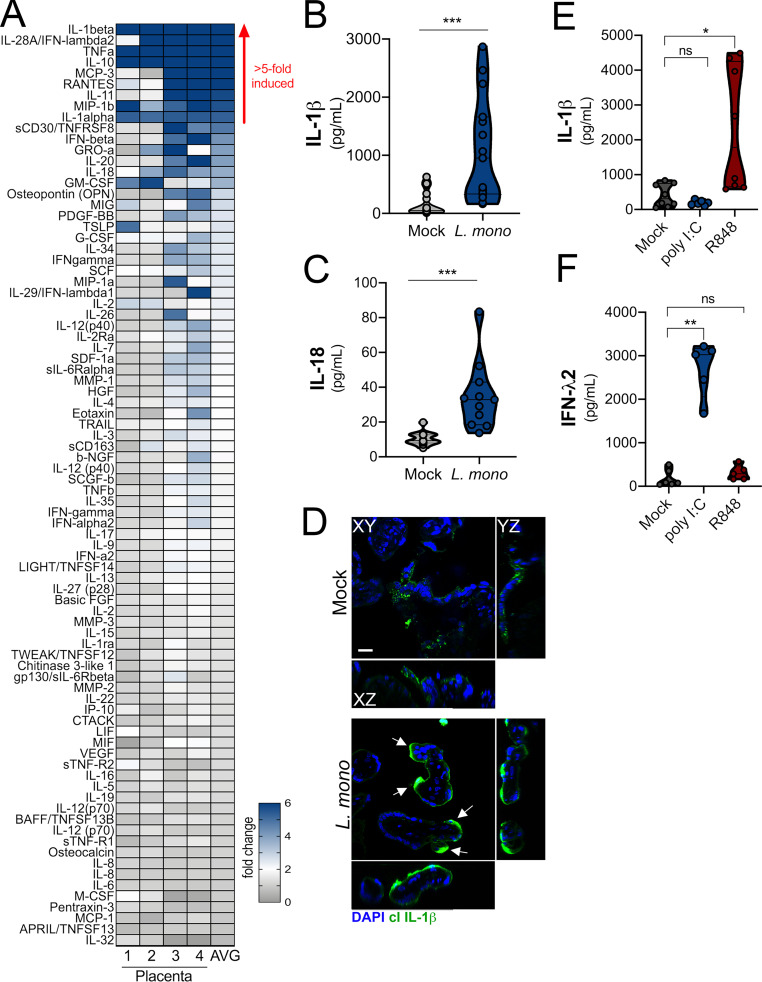
The human placenta is a dynamic organ that modulates physiological adaptations to pregnancy. To define the immunological signature of the human placenta, we performed unbiased profiling of secreted immune factors from human chorionic villi isolated from placentas at mid and late stages of pregnancy. We show that placental trophoblasts constitutively secrete the inflammasome-associated cytokines IL-1β and IL-18, which is blocked by NLRP3 inflammasome inhibitors and occurs without detectable gasdermin D cleavage. We further show that placenta-derived IL-1β primes monocytes for inflammasome induction to protect against Listeria monocytogenes infection. Last, we show that the human placenta responds to L. monocytogenes infection through additional inflammasome activation and that inhibition of this pathway sensitizes villi to infection. Our results thus identify the inflammasome as an important mechanism by which the human placenta regulates systemic and local immunity during pregnancy to defend against L. monocytogenes infection.
人类胎盘是一个动态器官,可调节妊娠期间的生理适应。为了定义人类胎盘的免疫学特征,我们对从中孕期和晚孕期胎盘分离的人绒毛膜绒毛中分泌的免疫因子进行了无偏分析。我们表明,滋养层细胞组成性地分泌与炎症小体相关的细胞因子 IL-1β 和 IL-18,这一过程可被 NLRP3 炎症小体抑制剂阻断,并且没有检测到天冬氨酸半胱氨酸酶 D 切割。我们进一步表明,胎盘来源的 IL-1β 可激活单核细胞中的炎症小体,从而诱导炎症小体的产生,以保护机体免受李斯特菌感染。最后,我们发现人类胎盘通过其他炎症小体激活来响应李斯特菌感染,并且抑制该途径会使绒毛对感染敏感。因此,我们的研究结果表明,炎症小体是人类胎盘在妊娠期间调节全身和局部免疫以抵御李斯特菌感染的重要机制。