Department of Clinical Pharmacy and Translational Science, College of Pharmacy, University of Tennessee Health Science Center, Memphis, Tennessee, United States of America.
Integrated Program in Biomedical Sciences, College of Graduate Health Sciences, University of Tennessee Health Science Center, Memphis, Tennessee, United States of America.
PLoS Pathog. 2021 Aug 9;17(8):e1009806. doi: 10.1371/journal.ppat.1009806. eCollection 2021 Aug.
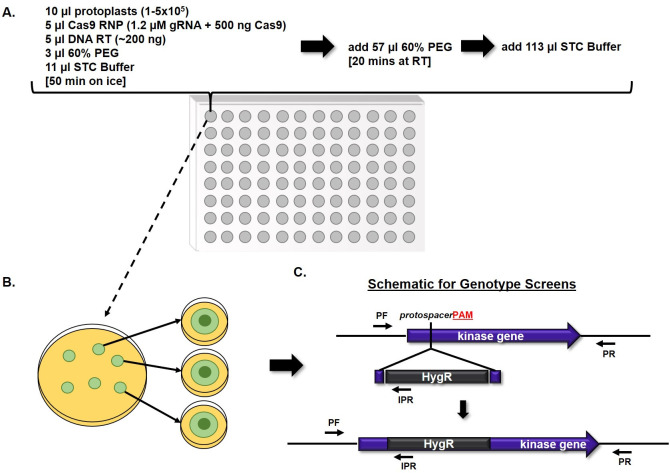
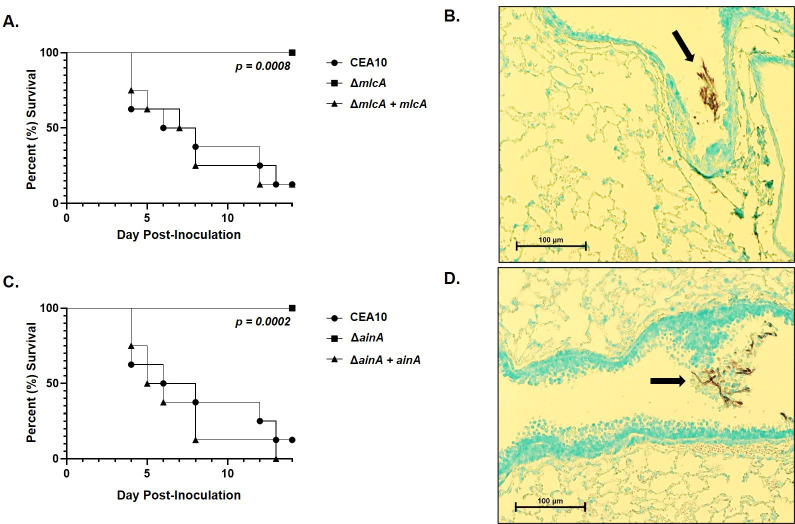
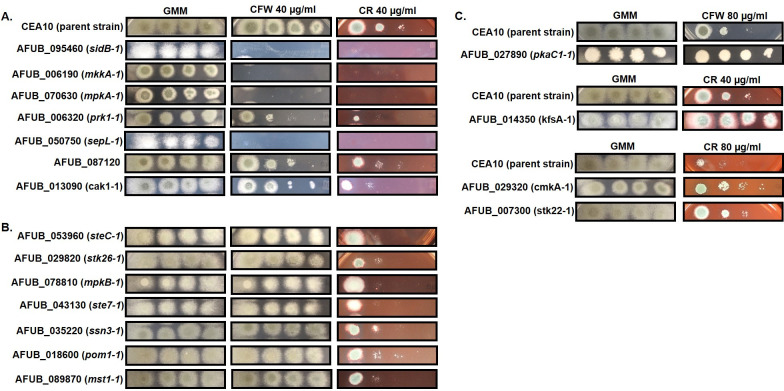
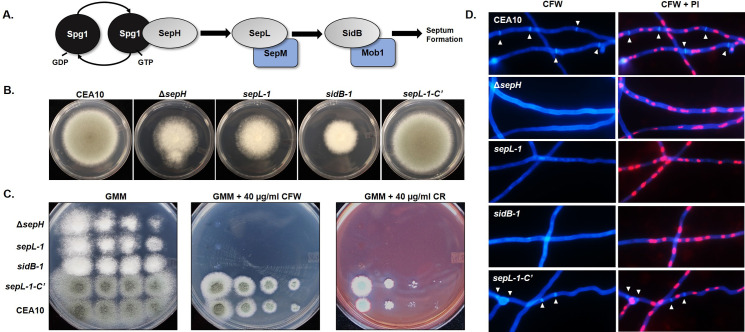
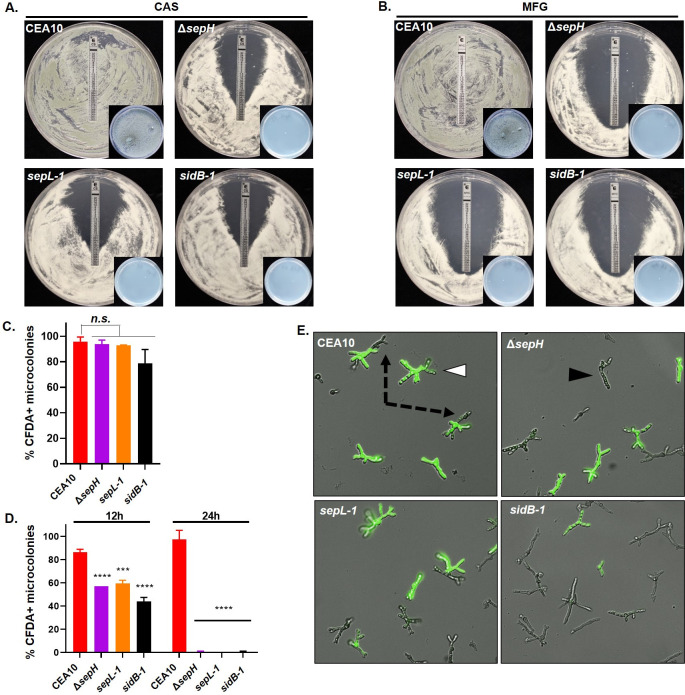
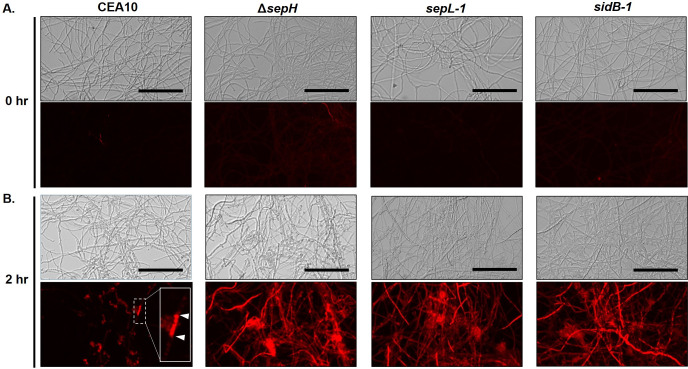
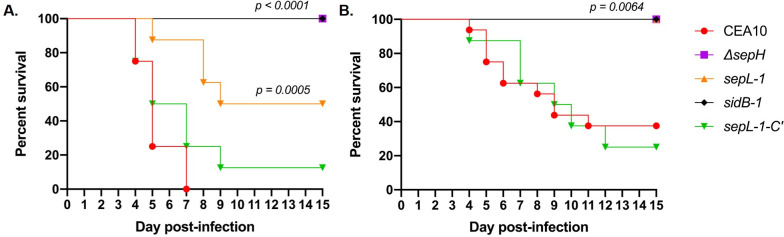
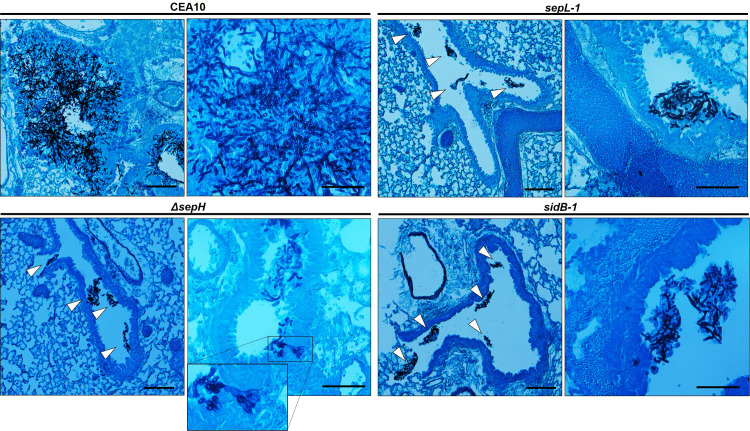
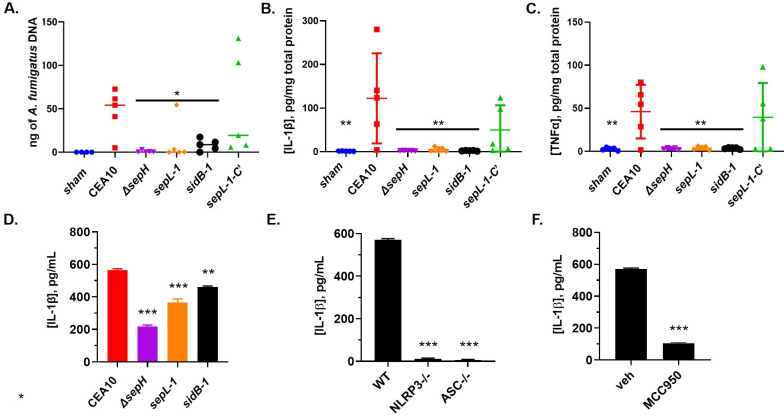
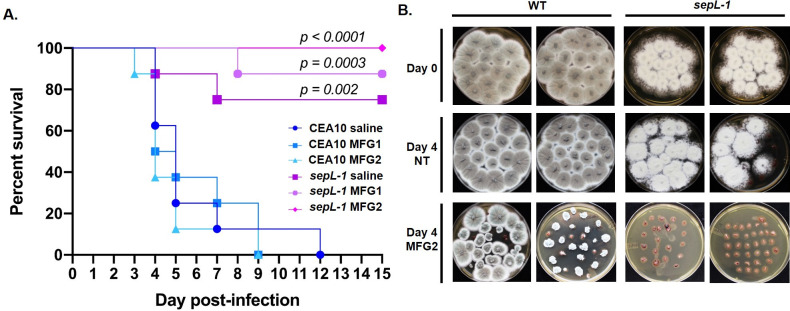
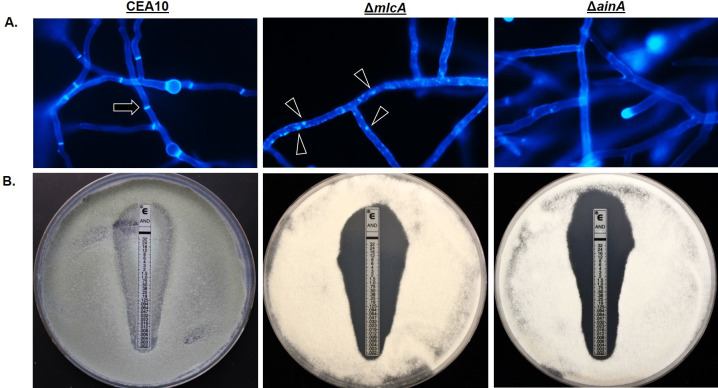
Although considered effective treatment for many yeast fungi, the therapeutic efficacy of the echinocandin class of antifungals for invasive aspergillosis (IA) is limited. Recent studies suggest intense kinase- and phosphatase-mediated echinocandin adaptation in A. fumigatus. To identify A. fumigatus protein kinases required for survival under echinocandin stress, we employed CRISPR/Cas9-mediated gene targeting to generate a protein kinase disruption mutant library in a wild type genetic background. Cell wall and echinocandin stress screening of the 118 disruption mutants comprising the library identified only five protein kinase disruption mutants displaying greater than 4-fold decreased echinocandin minimum effective concentrations (MEC) compared to the parental strain. Two of these mutated genes, the previously uncharacterized A. fumigatus sepL and sidB genes, were predicted to encode protein kinases functioning as core components of the Septation Initiation Network (SIN), a tripartite kinase cascade that is necessary for septation in fungi. As the A. fumigatus SIN is completely uncharacterized, we sought to explore these network components as effectors of echinocandin stress survival. Our data show that mutation of any single SIN kinase gene caused complete loss of hyphal septation and increased susceptibility to cell wall stress, as well as widespread hyphal damage and loss of viability in response to echinocandin stress. Strikingly, mutation of each SIN kinase gene also resulted in a profound loss of virulence characterized by lack of tissue invasive growth. Through the deletion of multiple novel regulators of hyphal septation, we show that the non-invasive growth phenotype is not SIN-kinase dependent, but likely due to hyphal septation deficiency. Finally, we also find that echinocandin therapy is highly effective at eliminating residual tissue burden in mice infected with an aseptate strain of A. fumigatus. Together, our findings suggest that inhibitors of septation could enhance echinocandin-mediated killing while simultaneously limiting the invasive potential of A. fumigatus hyphae.
尽管棘白菌素类抗真菌药被认为是治疗许多酵母真菌的有效方法,但它们在侵袭性曲霉菌病(IA)中的治疗效果有限。最近的研究表明,烟曲霉中的强烈的激酶和磷酸酶介导的棘白菌素适应性。为了鉴定在棘白菌素应激下生存所需的烟曲霉蛋白激酶,我们利用 CRISPR/Cas9 介导的基因靶向在野生型遗传背景下生成了一个蛋白激酶敲除突变体库。对文库中的 118 个敲除突变体进行细胞壁和棘白菌素应激筛选,仅发现 5 个蛋白激酶敲除突变体的棘白菌素最小有效浓度(MEC)比亲本菌株降低了 4 倍以上。这两个突变基因,以前未被描述的烟曲霉 sepL 和 sidB 基因,被预测编码作为有丝分裂起始网络(SIN)核心组成部分的蛋白激酶,该网络是真菌中隔膜形成所必需的三组分激酶级联。由于烟曲霉 SIN 完全没有特征,我们试图探索这些网络成分作为棘白菌素应激生存的效应物。我们的数据表明,任何单个 SIN 激酶基因的突变都会导致菌丝隔膜完全缺失,并增加对细胞壁应激的敏感性,以及对棘白菌素应激的广泛菌丝损伤和活力丧失。引人注目的是,每个 SIN 激酶基因的突变也导致了缺乏组织侵袭性生长的严重毒力丧失。通过删除多个新的隔膜形成调节因子,我们表明非侵袭性生长表型不是 SIN 激酶依赖性的,而是可能由于隔膜形成缺陷。最后,我们还发现棘白菌素治疗在消除感染无隔膜烟曲霉的小鼠的组织残余负担方面非常有效。总之,我们的研究结果表明,隔膜抑制剂可以增强棘白菌素介导的杀伤作用,同时限制烟曲霉菌丝的侵袭潜力。