School of pharmacy and Holistic Integrative Pharmacy Institutes, Hangzhou Normal University, Hangzhou, Zhejiang, 311121, China.
School of Mental Health, Wenzhou Medical University, Wenzhou, Zhejiang, 325035, China.
Theranostics. 2021 Jul 25;11(17):8480-8499. doi: 10.7150/thno.60031. eCollection 2021.
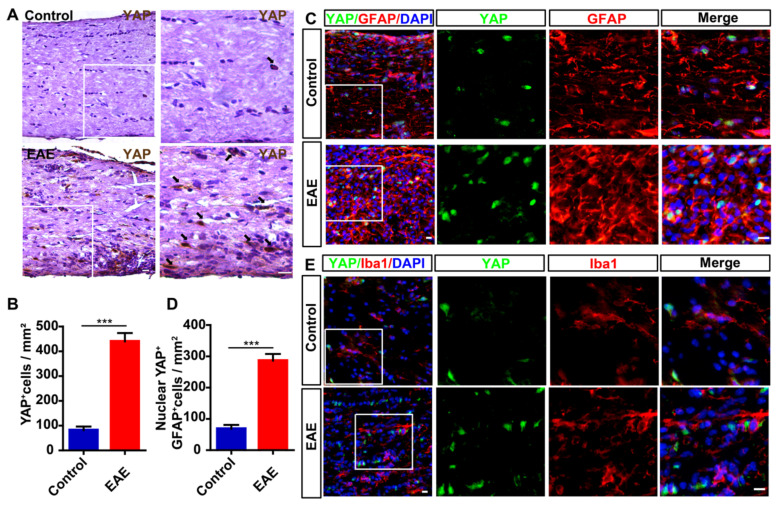
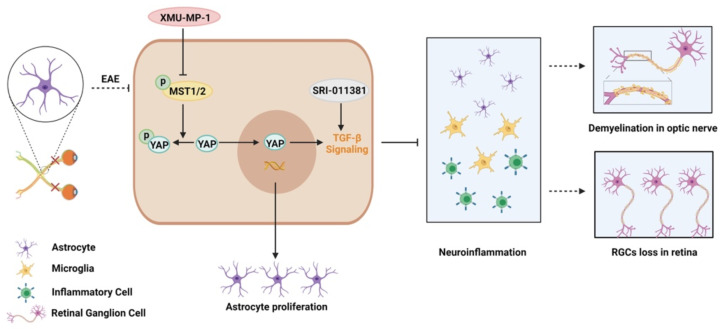
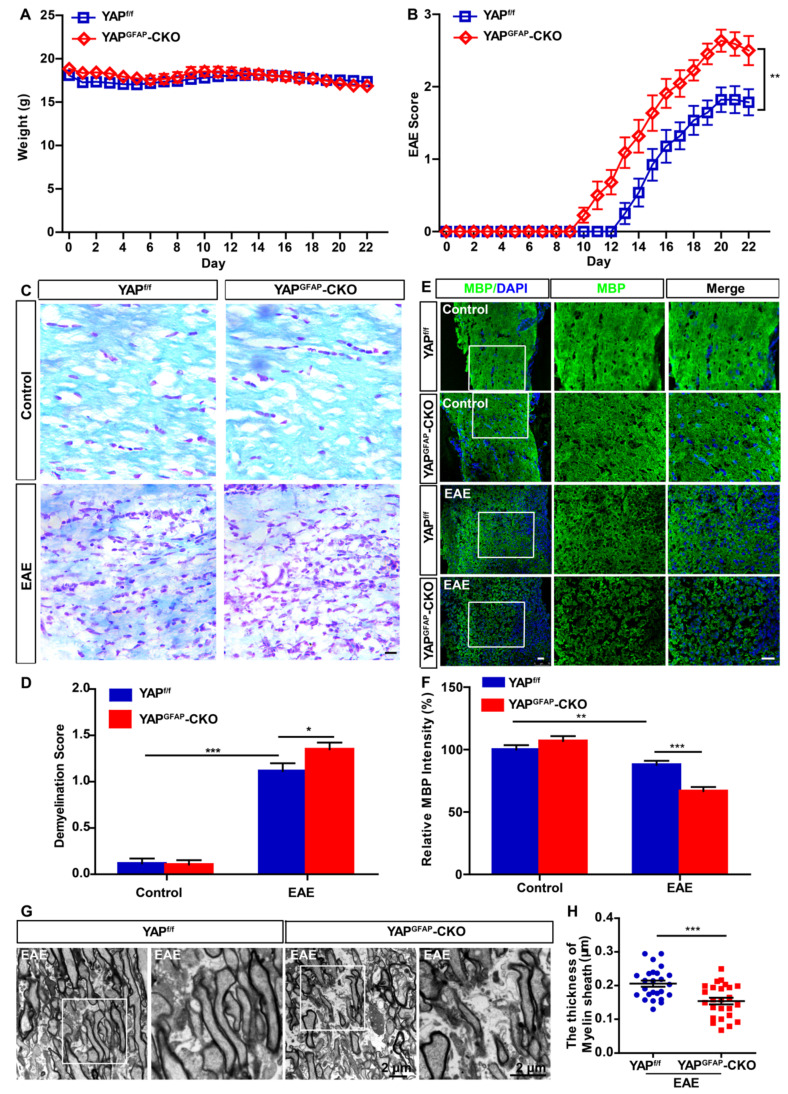
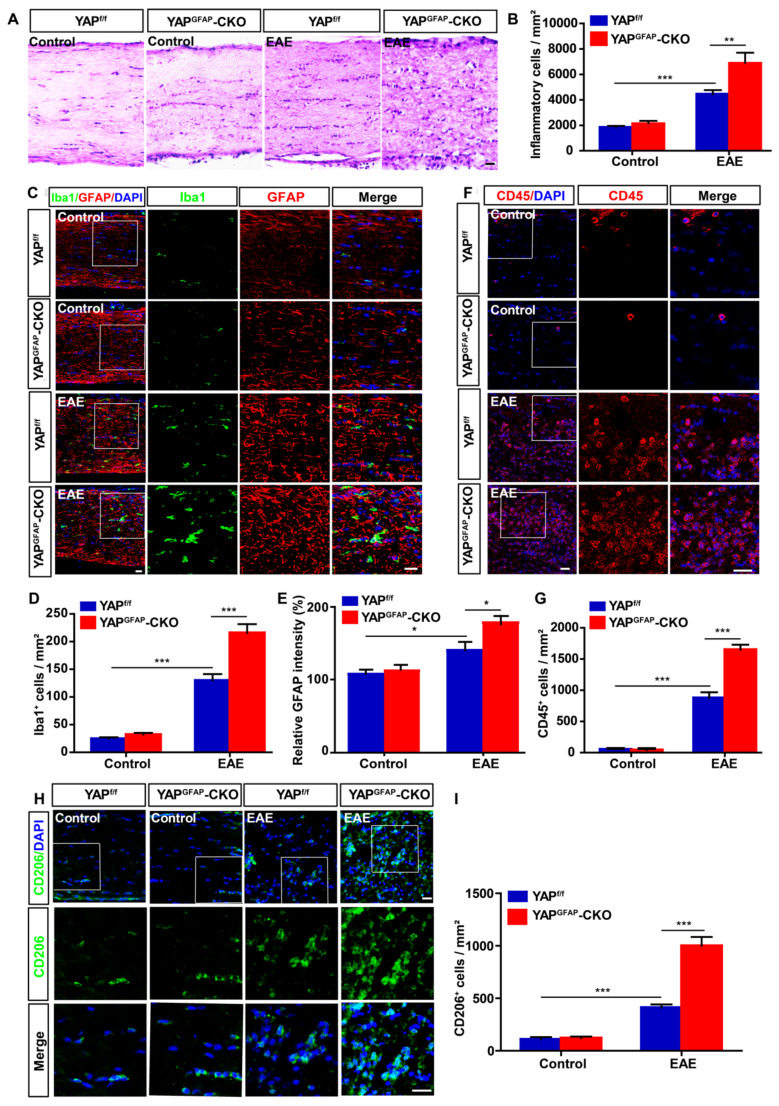
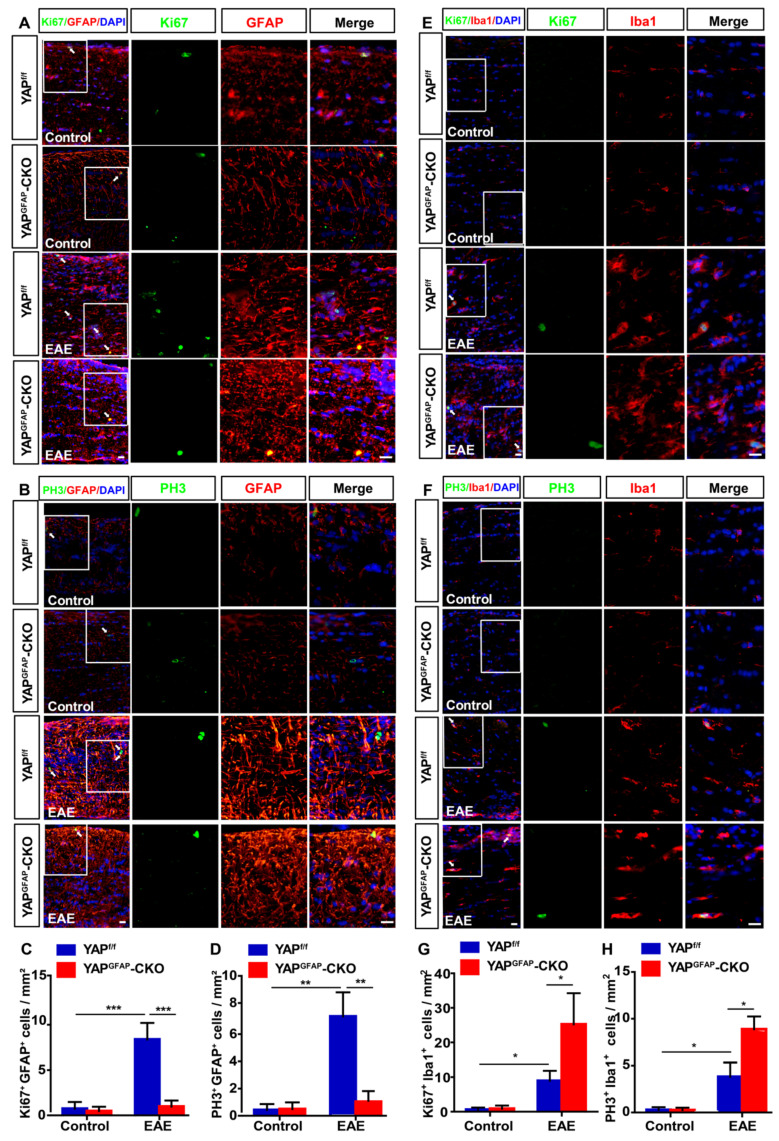
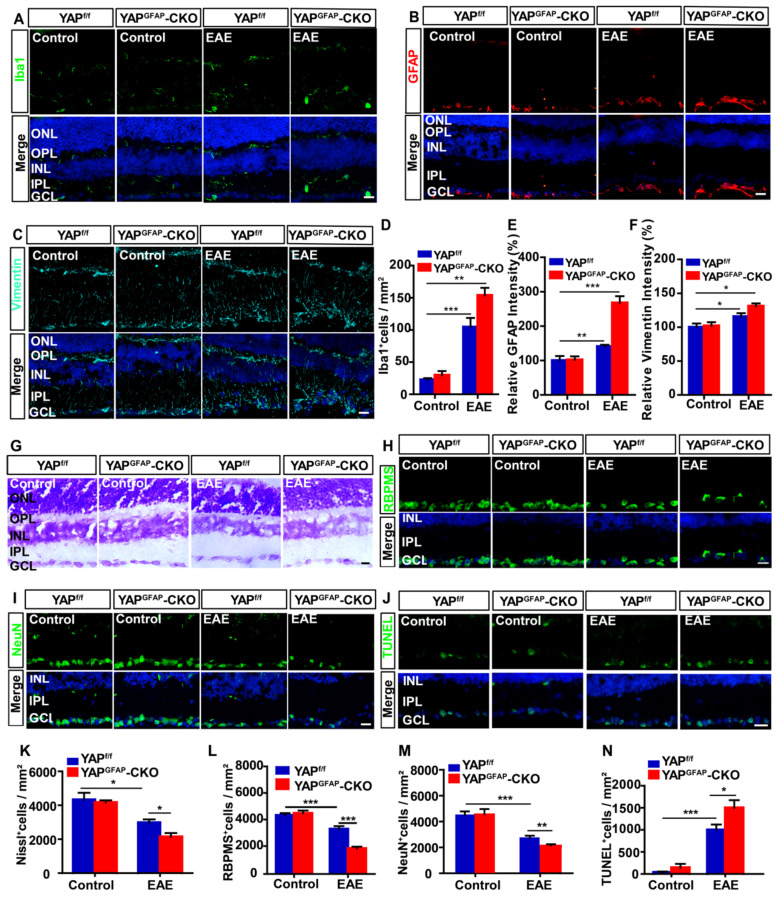
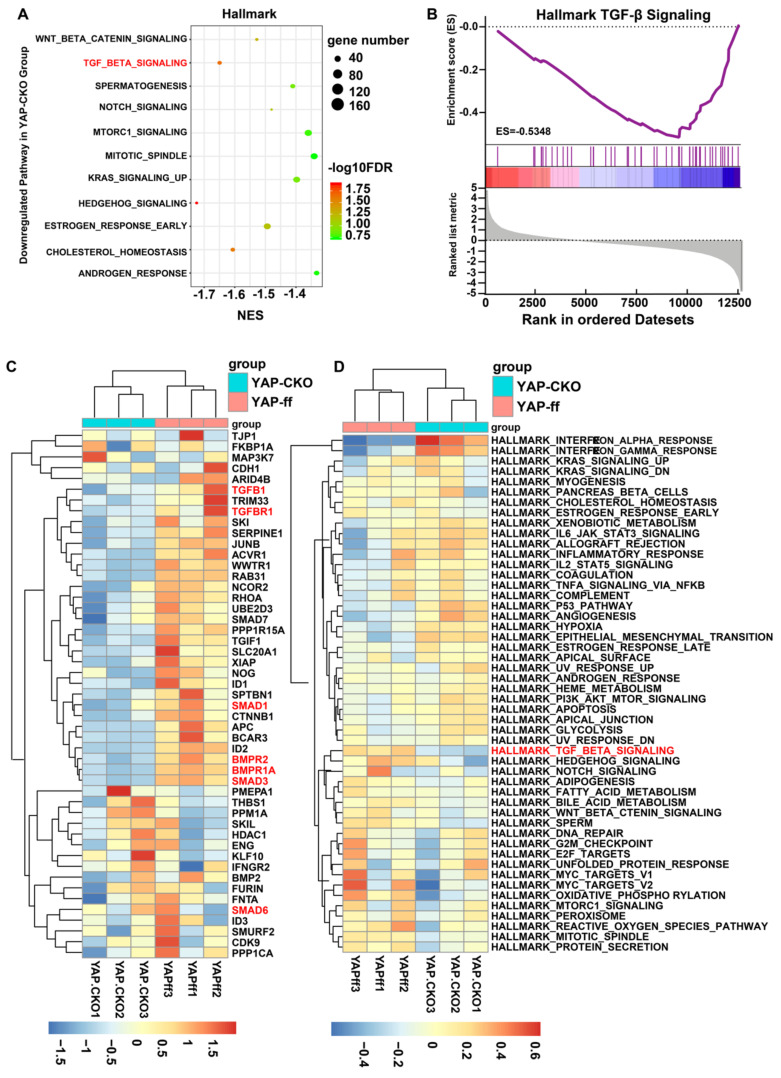
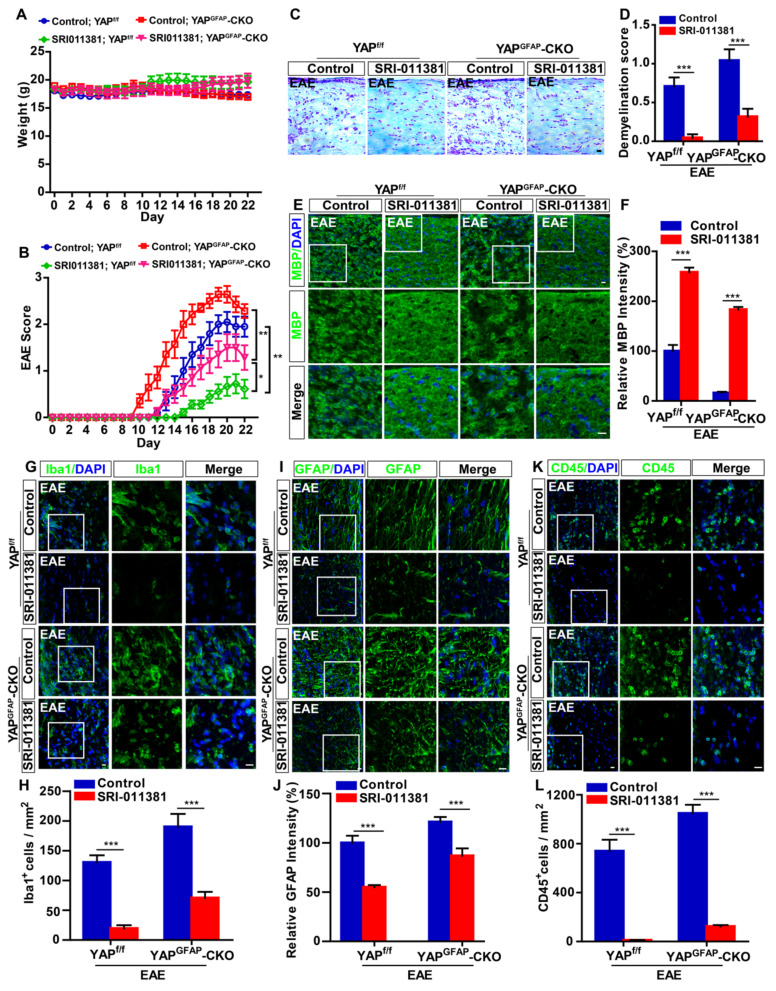
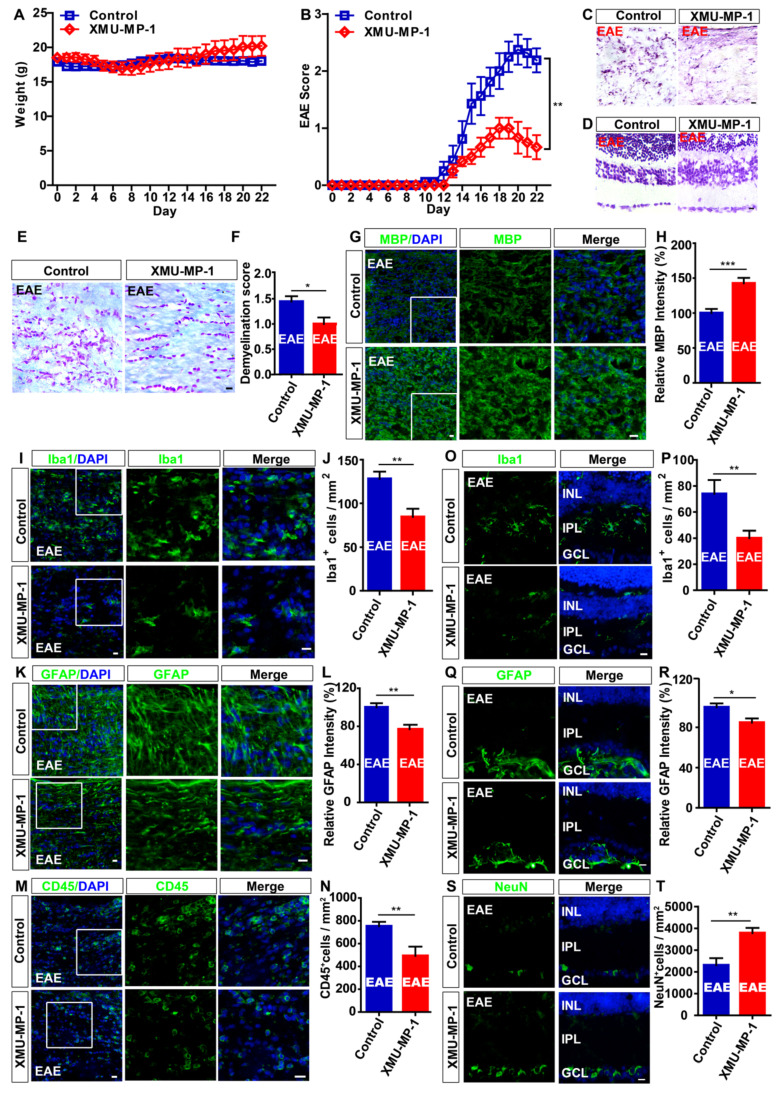
Optic neuritis is one of main symptoms in multiple sclerosis (MS) that causes visual disability. Astrocytes are pivotal regulators of neuroinflammation in MS, and astrocytic yes-associated protein (YAP) plays a critical role in neuroinflammation. Meanwhile, YAP signaling is involved in visual impairment, including glaucoma, retinal choroidal atrophy and retinal detachment. However, the roles and underlying mechanisms of astrocytic YAP in neuroinflammation and demyelination of MS-related optic neuritis (MS-ON) remains unclear. To assess the functions of YAP in MS-ON, experimental autoimmune encephalomyelitis (EAE, a common model of MS) was established, and mice that conditional knockout (CKO) of YAP in astrocytes, YAP-CKO mice, were successfully generated. Behavior tests, immunostaining, Nissl staining, Hematoxylin-Eosin (HE) staining, TUNEL staining, Luxol Fast Blue (LFB) staining, electron microscopy (EM), quantitative real-time PCR (qPCR), gene set enrichment analysis (GSEA) and gene set variation analysis (GSVA) by RNA sequencing were used to examine the function and mechanism of YAP signaling based on these YAP-CKO mice and EAE model mice. To further explore the potential treatment of YAP signaling in EAE, EAE mice were treated with various drugs, including SRI-011381 that is an agonist of transforming growth factor-β (TGF-β) pathway, and XMU-MP-1 which inhibits Hippo kinase MST1/2 to activate YAP. We found that YAP was significantly upregulated and activated in the astrocytes of optic nerve in EAE mice. Conditional knockout of YAP in astrocytes caused more severe inflammatory infiltration and demyelination in optic nerve, and damage of retinal ganglion cells (RGCs) in EAE mice. Moreover, YAP deletion in astrocytes promoted the activation of astrocytes and microglia, but inhibited the proliferation of astrocytes of optic nerve in EAE mice. Mechanically, TGF-β signaling pathway was significantly down-regulated after YAP deletion in astrocytes. Additionally, both qPCR and immunofluorescence assays confirmed the reduction of TGF-β signaling pathway in YAP-CKO EAE mice. Interestingly, SRI-011381 partially rescued the deficits in optic nerve and retina of YAP-CKO EAE mice. Finally, activation of YAP signaling by XMU-MP-1 relieved the neuroinflammation and demyelination in optic nerve of EAE mice. These results suggest astrocytic YAP may prevent the neuroinflammatory infiltration and demyelination through upregulation of TGF-β signaling and provide targets for the development of therapeutic strategies tailored for MS-ON.
视神经炎是多发性硬化症(MS)的主要症状之一,可导致视力障碍。星形胶质细胞是 MS 中神经炎症的关键调节因子,星形胶质细胞 YAP(yes-associated protein)在神经炎症中发挥着关键作用。同时,YAP 信号通路参与了包括青光眼、脉络膜视网膜萎缩和视网膜脱离在内的多种与视觉损伤相关的疾病。然而,星形胶质细胞 YAP 在 MS 相关视神经炎(MS-ON)的神经炎症和脱髓鞘中的作用及其潜在机制尚不清楚。为了评估 YAP 在 MS-ON 中的作用,我们建立了实验性自身免疫性脑脊髓炎(EAE,一种常见的 MS 模型),并成功生成了星形胶质细胞条件性敲除 YAP(YAP-CKO)的小鼠。通过行为测试、免疫染色、尼氏染色、苏木精-伊红(HE)染色、TUNEL 染色、卢索快速蓝(LFB)染色、电子显微镜(EM)、实时定量 PCR(qPCR)、基因集富集分析(GSEA)和 RNA 测序的基因集变异分析(GSVA),我们基于这些 YAP-CKO 小鼠和 EAE 模型小鼠来研究 YAP 信号通路的功能和机制。为了进一步探讨 YAP 信号通路在 EAE 中的潜在治疗作用,我们用各种药物处理 EAE 小鼠,包括 SRI-011381,一种转化生长因子-β(TGF-β)通路激动剂,和 XMU-MP-1,一种抑制 Hippo 激酶 MST1/2 从而激活 YAP 的药物。我们发现,EAE 小鼠视神经中的星形胶质细胞中 YAP 明显上调和激活。星形胶质细胞条件性敲除 YAP 导致 EAE 小鼠视神经中炎症浸润和脱髓鞘更严重,视网膜神经节细胞(RGCs)损伤更严重。此外,星形胶质细胞中 YAP 的缺失促进了 EAE 小鼠星形胶质细胞和小胶质细胞的激活,但抑制了视神经星形胶质细胞的增殖。机制上,星形胶质细胞中 YAP 缺失后 TGF-β 信号通路显著下调。此外,qPCR 和免疫荧光检测均证实 YAP-CKO EAE 小鼠 TGF-β 信号通路减少。有趣的是,SRI-011381 部分挽救了 YAP-CKO EAE 小鼠视神经和视网膜的缺陷。最后,XMU-MP-1 激活 YAP 信号通路缓解了 EAE 小鼠视神经的神经炎症和脱髓鞘。这些结果表明,星形胶质细胞 YAP 可能通过上调 TGF-β 信号通路来防止神经炎症浸润和脱髓鞘,并为 MS-ON 的治疗策略的发展提供了靶点。