Touchstone Diabetes Center, Department of Internal Medicine, University of Texas Southwestern Medical Center, Dallas, TX, USA.
Center for Regenerative Science and Medicine, University of Texas Southwestern Medical Center, Dallas, TX, USA; Department of Pediatric Cardiology, First Affiliated Hospital, Sun Yat-sen University, Guangzhou, China.
Cell Metab. 2021 Sep 7;33(9):1853-1868.e11. doi: 10.1016/j.cmet.2021.08.002. Epub 2021 Aug 20.
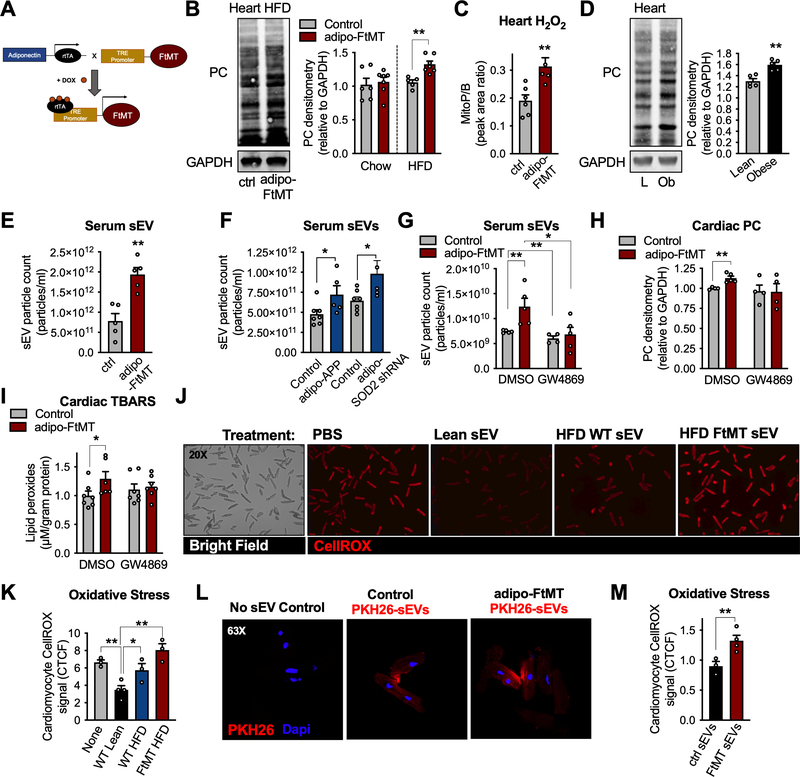
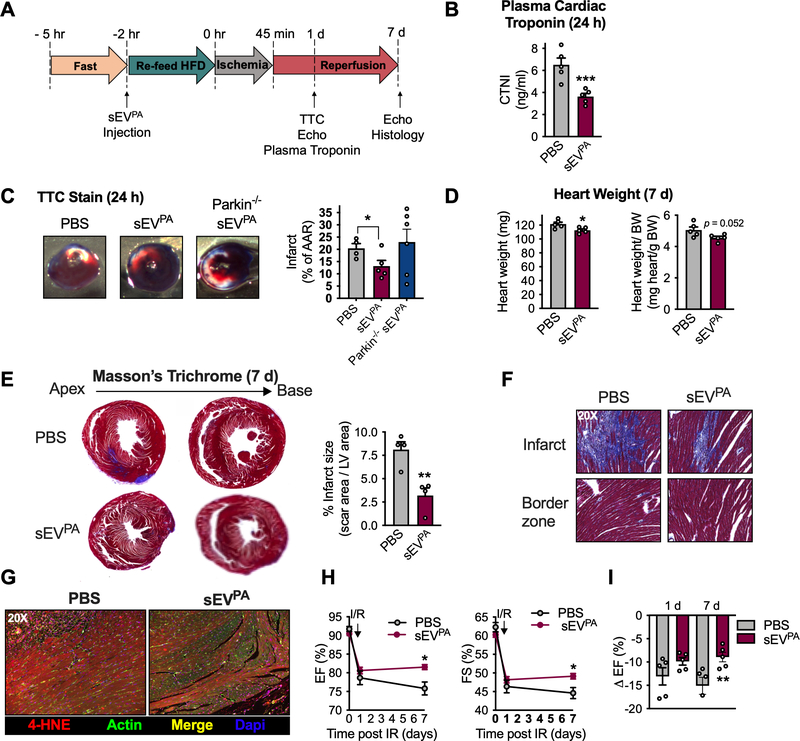
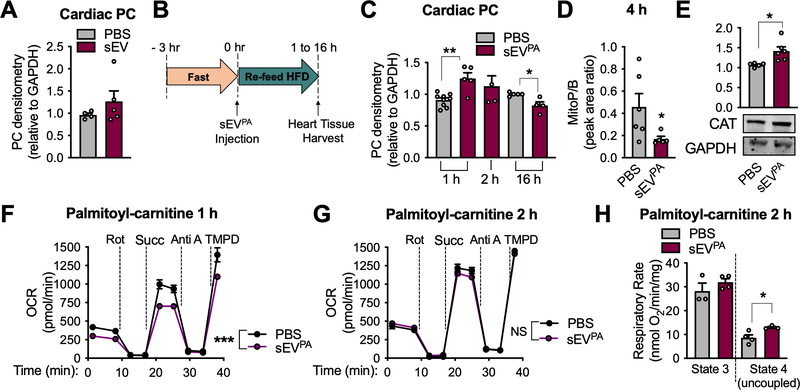
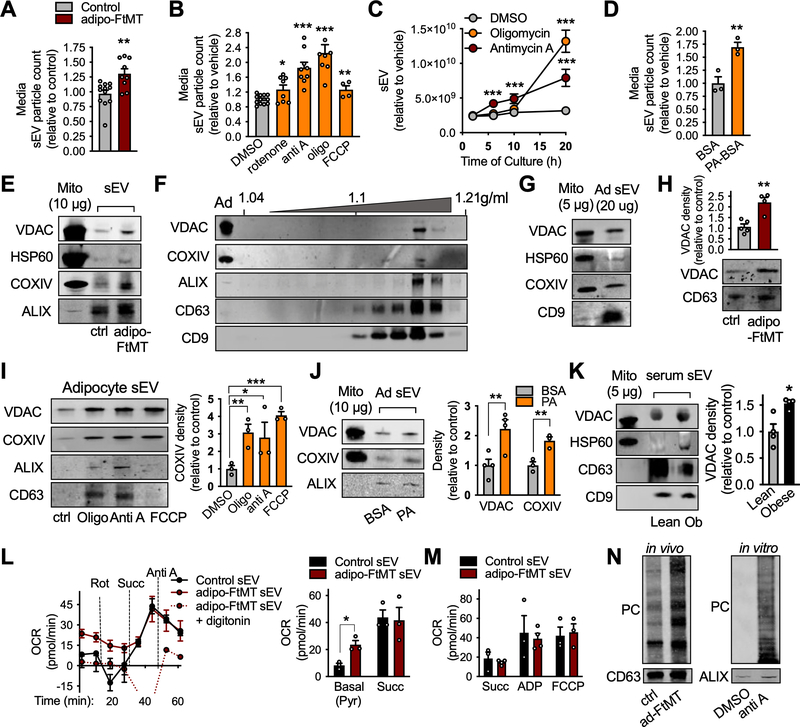
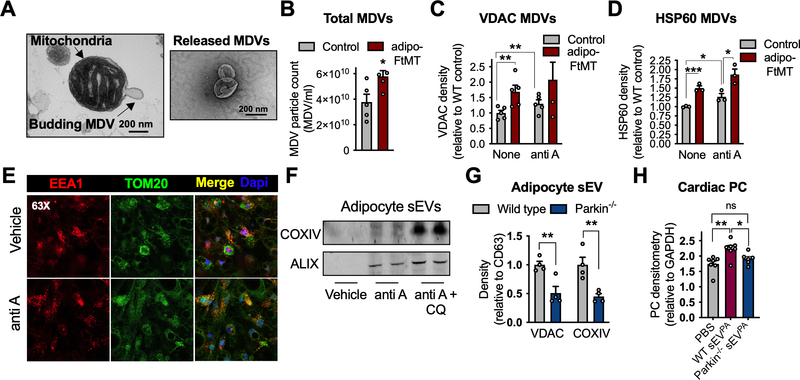
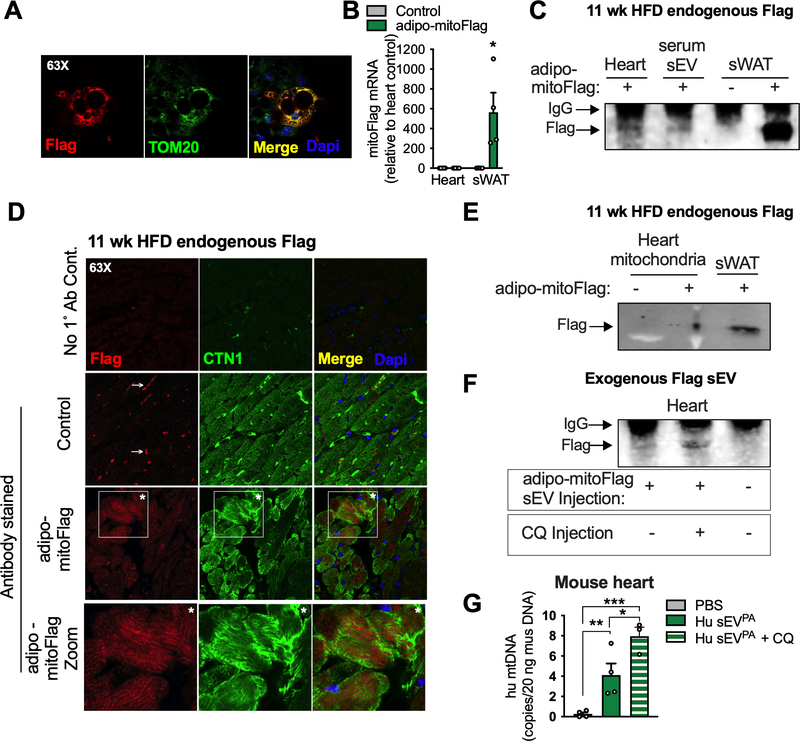
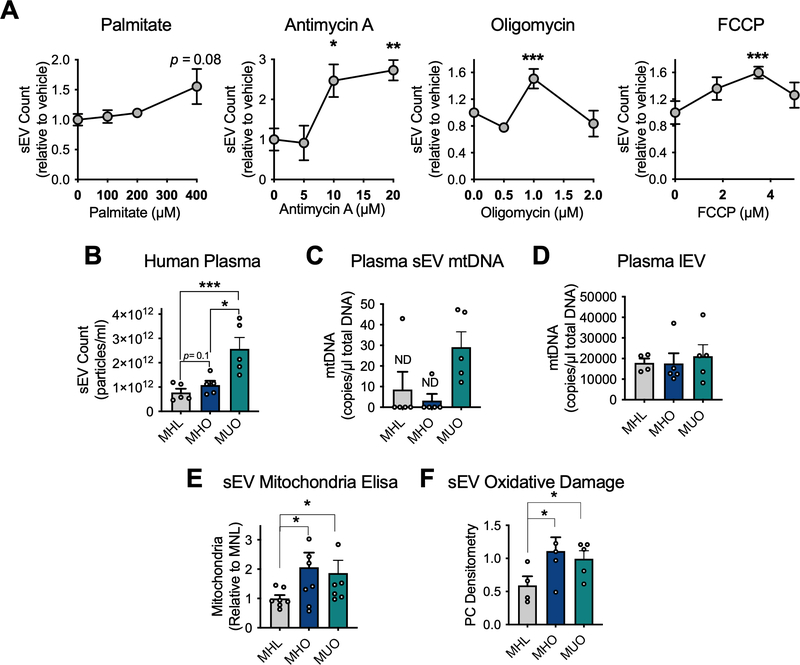
Adipocytes undergo intense energetic stress in obesity resulting in loss of mitochondrial mass and function. We have found that adipocytes respond to mitochondrial stress by rapidly and robustly releasing small extracellular vesicles (sEVs). These sEVs contain respiration-competent, but oxidatively damaged mitochondrial particles, which enter circulation and are taken up by cardiomyocytes, where they trigger a burst of ROS. The result is compensatory antioxidant signaling in the heart that protects cardiomyocytes from acute oxidative stress, consistent with a preconditioning paradigm. As such, a single injection of sEVs from energetically stressed adipocytes limits cardiac ischemia/reperfusion injury in mice. This study provides the first description of functional mitochondrial transfer between tissues and the first vertebrate example of "inter-organ mitohormesis." Thus, these seemingly toxic adipocyte sEVs may provide a physiological avenue of potent cardio-protection against the inevitable lipotoxic or ischemic stresses elicited by obesity.
肥胖症会导致脂肪细胞承受巨大的能量压力,从而导致线粒体质量和功能的丧失。我们发现,脂肪细胞通过快速而强烈地释放小细胞外囊泡(sEVs)来应对线粒体应激。这些 sEVs 包含呼吸功能正常但氧化受损的线粒体颗粒,这些颗粒进入循环并被心肌细胞摄取,在那里引发 ROS 的爆发。其结果是心脏中出现代偿性抗氧化信号,保护心肌细胞免受急性氧化应激,符合预处理范例。因此,单次注射来自能量应激脂肪细胞的 sEVs 可限制小鼠的心脏缺血/再灌注损伤。这项研究首次描述了组织间功能性线粒体转移,也是第一个脊椎动物“组织间mitohormesis”的例子。因此,这些看似有毒的脂肪细胞 sEVs 可能为肥胖引起的不可避免的脂肪毒性或缺血性应激提供了一种有效的心脏保护的生理途径。