Key Laboratory of Spine and Spinal Cord Injury Repair and Regeneration of Ministry of Education, Orthopaedic Department of Tongji Hospital, Tongji University School of Medicine, 389 Xincun Road, 200065, Shanghai, People's Republic of China.
Shanghai Clinical Research Center for Aging and Medicine, Shanghai, 200040, People's Republic of China.
J Orthop Surg Res. 2021 Aug 24;16(1):527. doi: 10.1186/s13018-021-02677-y.
Preexisting severe cervical spinal cord compression is a significant risk factor in cervical hyperextension injury, and the neurological function may deteriorate after a slight force to the forehead. There are few biomechanical studies regarding the influence of pathological factors in hyperextension loading condition. The aim of this study is to analyze the effects of preexisting different types of cervical disc herniation and different degrees of compression on the spinal cord in cervical hyperextension.
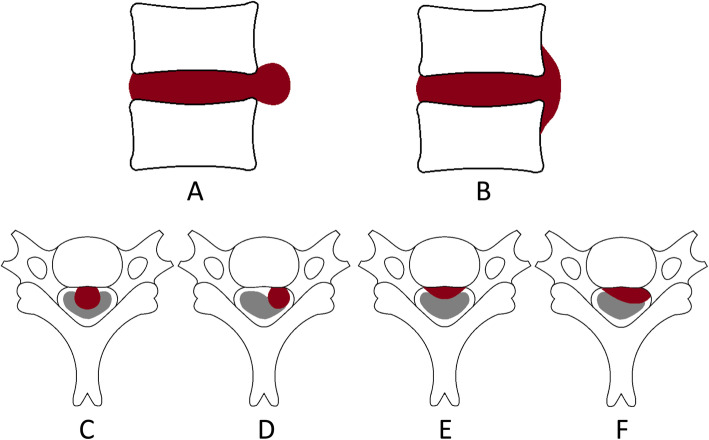
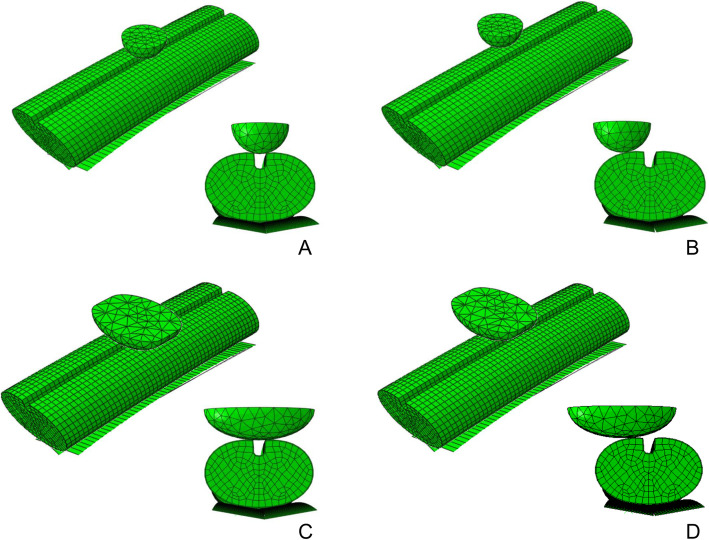
A 3D finite element (FE) model of cervical spinal cord was modeled. Local type with median herniation, local type with lateral herniation, diffuse type with median herniation, and diffuse type with lateral herniation were simulated in neutral and extention positions. The compressions which were equivalent to 10%, 20%, 30%, and 40% of the sagittal diameter of the spinal cord were modeled.
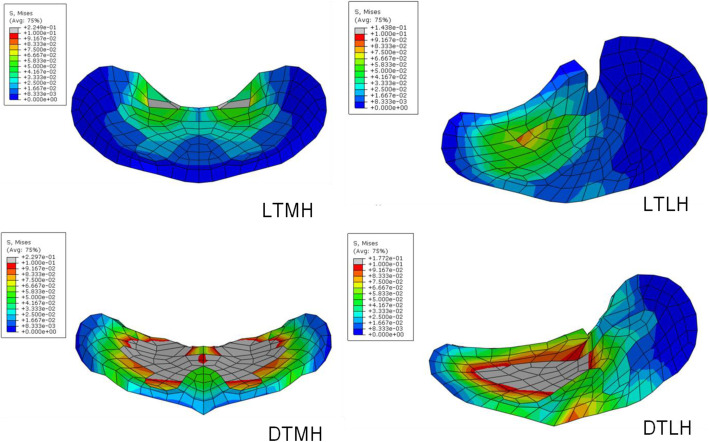
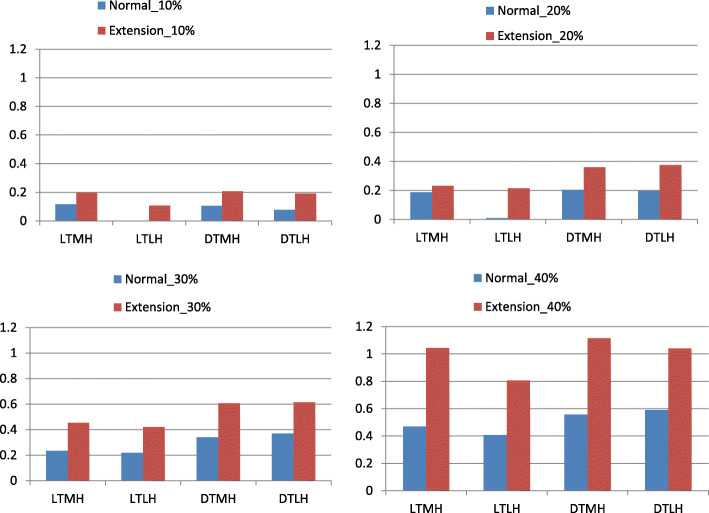
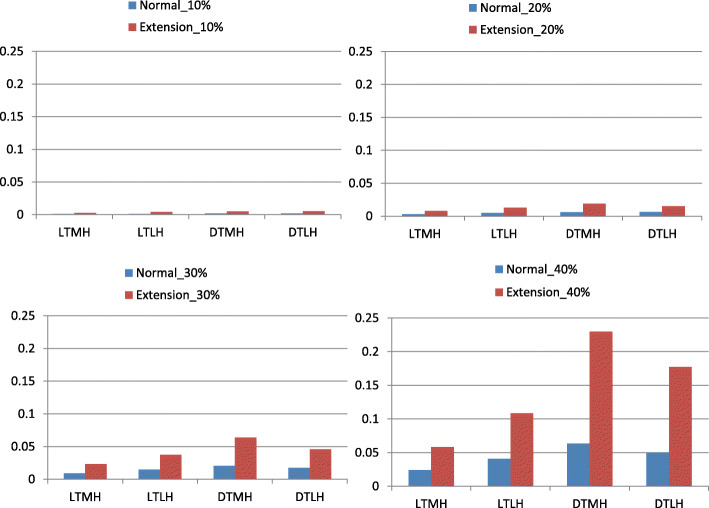
The results of normal FE model were consistent with those of previous studies. The maximum von Mises stresses appeared in the pia mater for all 32 loading conditions. The maximum von Mises stresses in extension position were much higher than in neutral position. In most cases, the maximum von Mises stresses in diffuse type were higher than in local type.
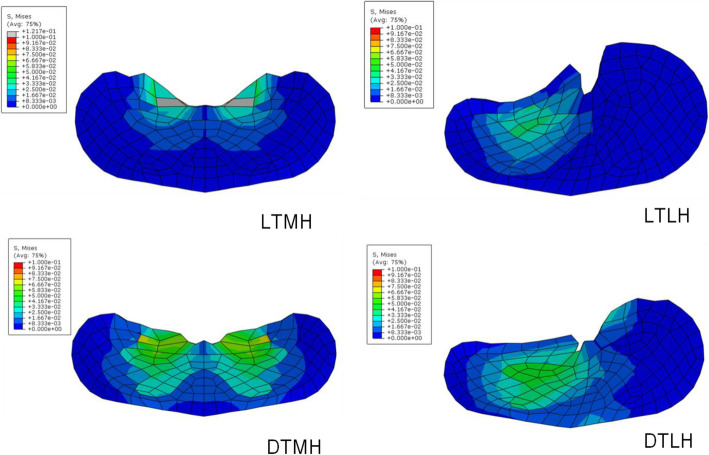
Cervical spinal cord with preexisting disc herniation is more likely to be compressed in hyperextension situation than in neutral position. Diffuse type with median herniation may cause more severe compression with higher von Mises stresses concentrated at the anterior horn and the peripheral white matter, resulting in acute central cord syndrome from biomechanical point of view.
颈椎原有严重脊髓压迫是颈椎过度伸展损伤的一个重要危险因素,轻微的额部受力后神经功能可能恶化。关于过度伸展负荷情况下病理因素的影响,很少有生物力学研究。本研究旨在分析颈椎原有不同类型椎间盘突出症和不同程度压迫对颈椎过度伸展时脊髓的影响。
建立颈椎脊髓的三维有限元(FE)模型。在中立位和伸展位模拟了中央型突出伴局部型、外侧型突出伴局部型、中央型突出伴弥漫型和外侧型突出伴弥漫型。模拟了相当于脊髓矢状径 10%、20%、30%和 40%的压缩。
正常 FE 模型的结果与以往研究一致。在所有 32 种加载情况下,最大 von Mises 应力均出现在软脊膜。伸展位的最大 von Mises 应力远高于中立位。在大多数情况下,弥漫型的最大 von Mises 应力高于局灶型。
颈椎原有椎间盘突出的脊髓在过度伸展情况下比在中立位更容易受压。弥漫型中央型突出可能会导致更严重的压迫,较高的 von Mises 应力集中在前角和外周白质,从生物力学角度来看,可能导致急性中央索综合征。