
糖苷水解酶活性和全基因组测序证明摩洛哥温泉CCMM B940对半纤维素生物质的转化作用
Hemicellulosic biomass conversion by Moroccan hot spring CCMM B940 evidenced by glycoside hydrolase activities and whole genome sequencing.
作者信息
Maski Soufiane, Ngom Serigne Inssa, Rached Bahia, Chouati Taha, Benabdelkhalek Mohamed, El Fahime Elmostafa, Amar Mohamed, Béra-Maillet Christel
机构信息
Laboratoire de Microbiologie et Biologie Moléculaire, Centre National pour la Recherche Scientifique et Technique, Rabat, Morocco.
Département de Biologie, Faculté des Sciences, Université Mohammed V, Rabat, Morocco.
出版信息
3 Biotech. 2021 Aug;11(8):379. doi: 10.1007/s13205-021-02919-0. Epub 2021 Jul 22.
UNLABELLED
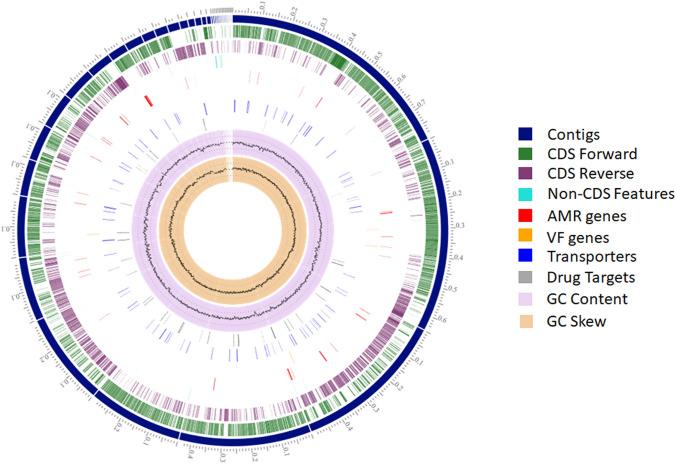
Thermophilic bacteria, especially from the genus , constitute a huge potential source of novel enzymes that could be relevant for biotechnological applications. In this work, we described the cellulose and hemicellulose-related enzymatic activities of the hot spring CCMM B940 from the Moroccan Coordinated Collections of Microorganisms (CCMM), and revealed its potential for hemicellulosic biomass utilization. Indeed, B940 was able to degrade complex polysaccharides such as xylan and lichenan and exhibited activity towards carboxymethylcellulose. The strain was also able to grow on agriculture waste such as orange and apple peels as the sole carbon source. Whole-genome sequencing allowed the reclassification of CCMM B940 previously known as into since the former species name has been rejected. The draft genome reported here is composed of 38 contigs resulting in a genome of 4,315,004 bp and an average G + C content of 45.87%, and is an important resource for illuminating the molecular mechanisms of carbohydrate metabolism. The annotated genomic sequences evidenced more than 52 genes encoding glycoside hydrolases and pectate lyases belonging to 27 different families of CAZymes that are involved in the degradation of plant cell wall carbohydrates. Genomic predictions in addition to in vitro experiments have revealed broad hydrolytic capabilities of the strain, thus reinforcing its relevance for biotechnology applications.
SUPPLEMENTARY INFORMATION
The online version contains supplementary material available at 10.1007/s13205-021-02919-0.
未标记
嗜热细菌,尤其是 属的嗜热细菌,构成了新型酶的巨大潜在来源,这些酶可能与生物技术应用相关。在这项工作中,我们描述了来自摩洛哥微生物协调保藏中心(CCMM)的温泉菌株CCMM B940的纤维素和半纤维素相关酶活性,并揭示了其利用半纤维素生物质的潜力。事实上,B940能够降解复杂的多糖,如木聚糖和地衣多糖,并对羧甲基纤维素表现出活性。该菌株还能够以农业废弃物如橙皮和苹果皮作为唯一碳源生长。全基因组测序使得先前被称为 的CCMM B940被重新分类为 ,因为前一个物种名称已被废弃。这里报道的基因组草图由38个重叠群组成,基因组大小为4,315,004 bp,平均G + C含量为45.87%,是阐明碳水化合物代谢分子机制的重要资源。注释的基因组序列证明有超过52个基因编码糖苷水解酶和果胶酸裂解酶,它们属于27个不同的碳水化合物活性酶(CAZyme)家族,参与植物细胞壁碳水化合物的降解。除了体外实验外,基因组预测还揭示了该菌株广泛的水解能力,从而增强了其在生物技术应用中的相关性。
补充信息
在线版本包含可在10.1007/s13205-021-02919-0获取的补充材料。


 Zotero 插件