Chiusano Maria Luisa, Incerti Guido, Colantuono Chiara, Termolino Pasquale, Palomba Emanuela, Monticolo Francesco, Benvenuto Giovanna, Foscari Alessandro, Esposito Alfonso, Marti Lucia, de Lorenzo Giulia, Vega-Muñoz Isaac, Heil Martin, Carteni Fabrizio, Bonanomi Giuliano, Mazzoleni Stefano
Department of Agricultural Sciences, University of Naples Federico II, Via Università 100, 80055 Portici, Italy.
Department of Research Infrastructures for Marine Biological Resources (RIMAR), Stazione Zoologica "Anton Dohrn", 80121 Napoli, Italy.
Plants (Basel). 2021 Aug 23;10(8):1744. doi: 10.3390/plants10081744.
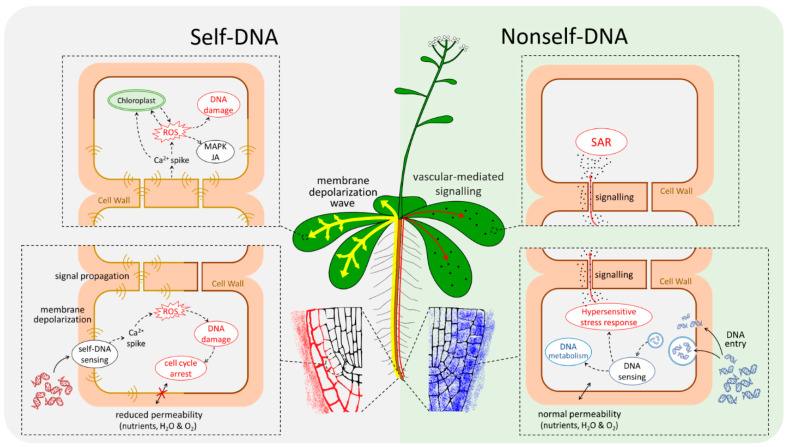
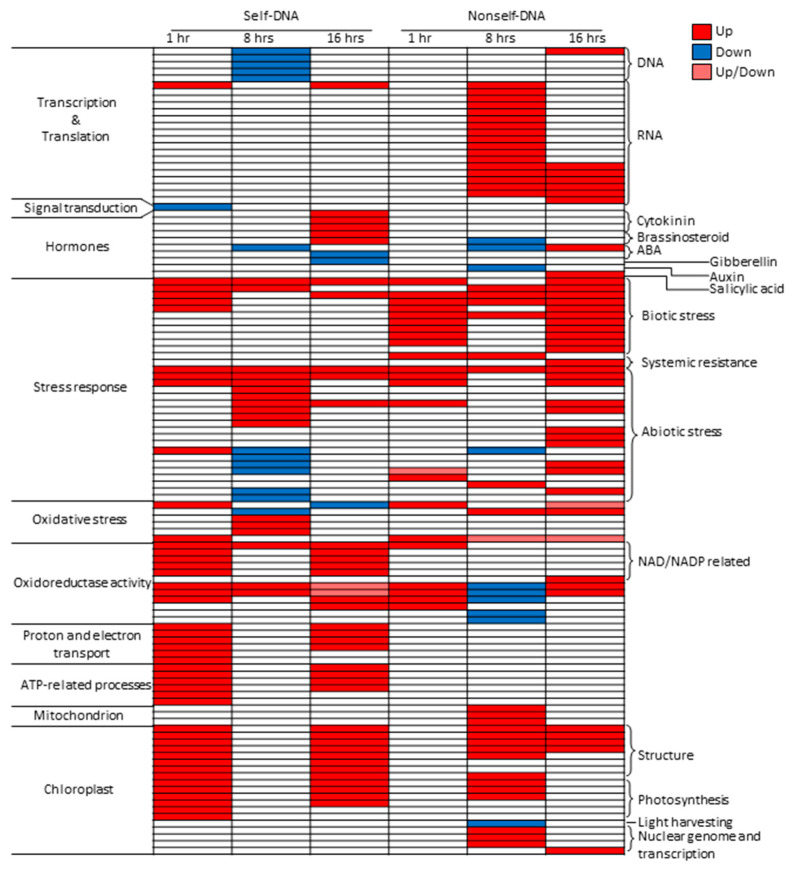
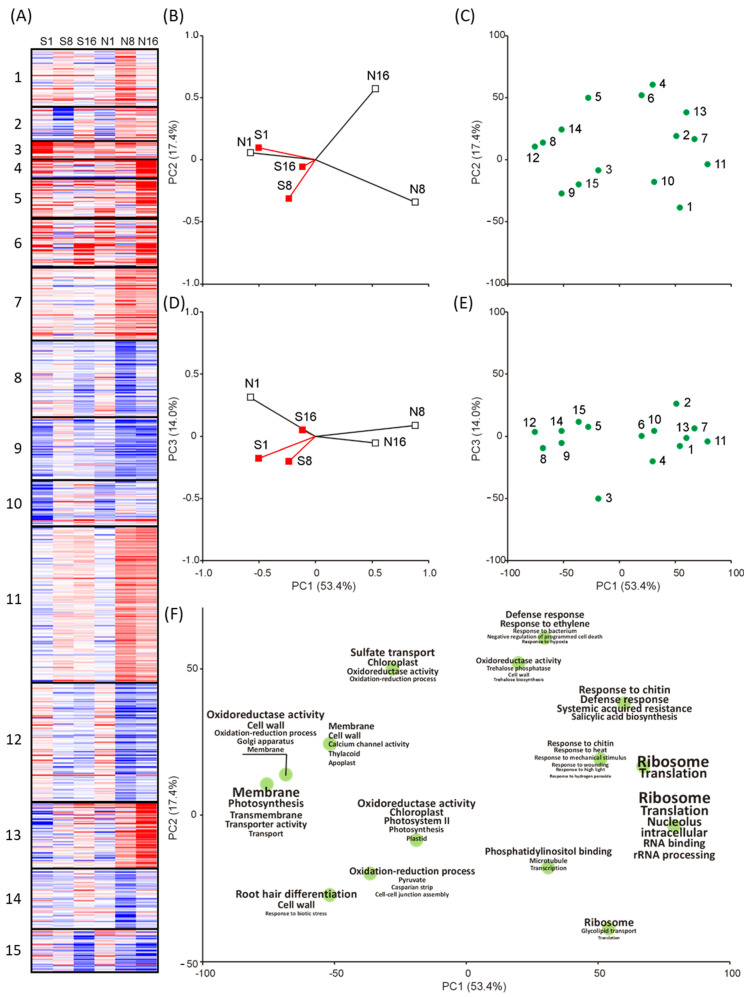
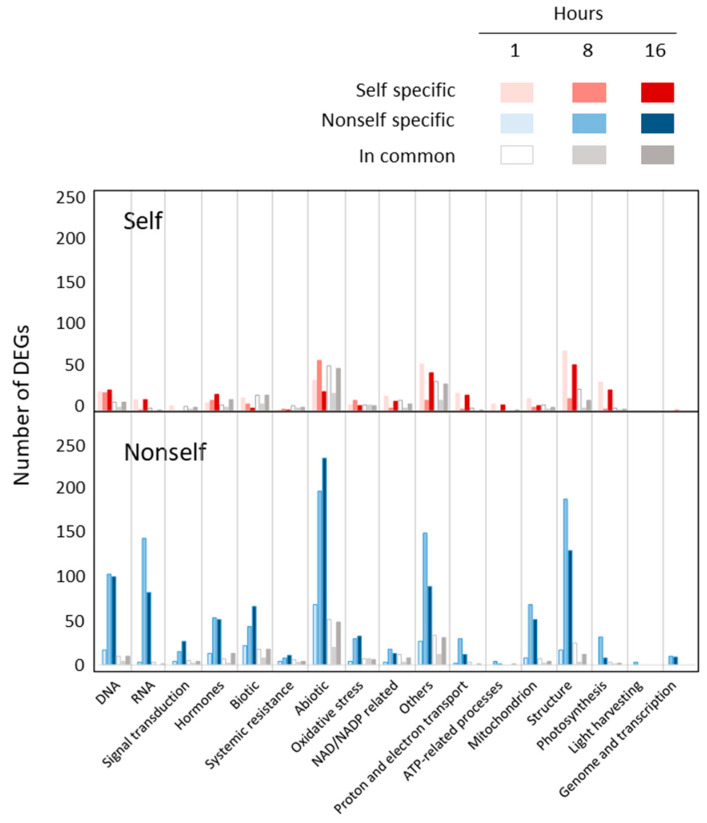
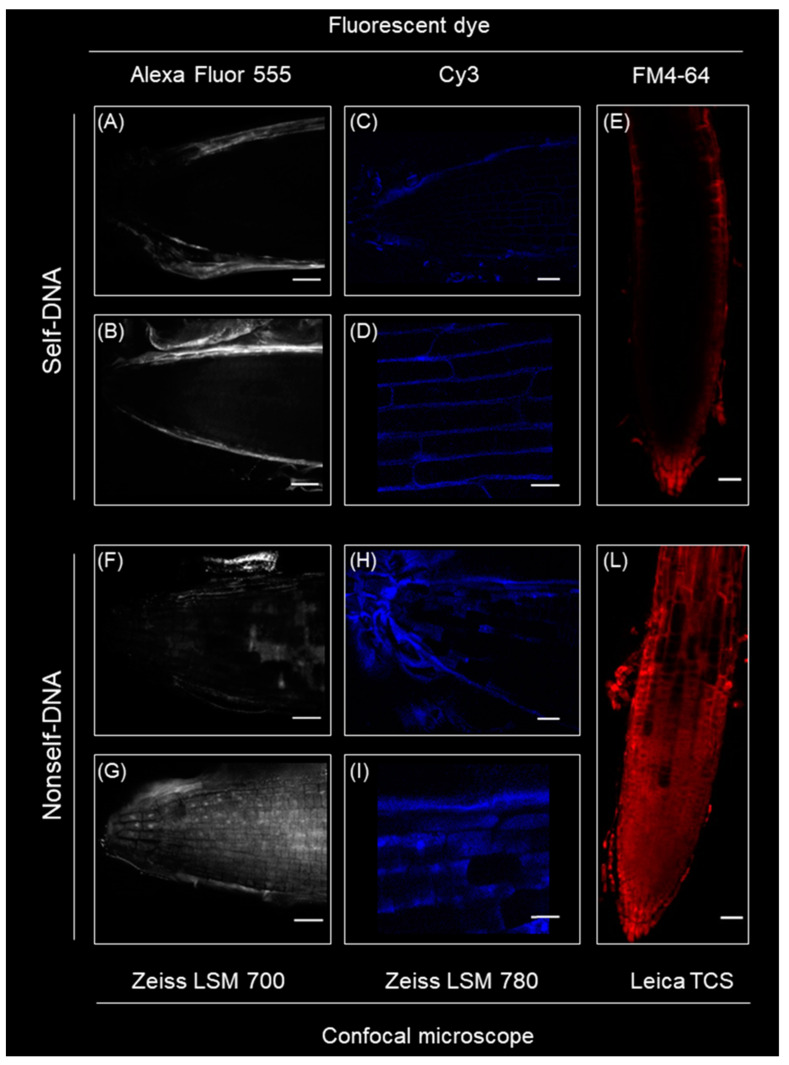
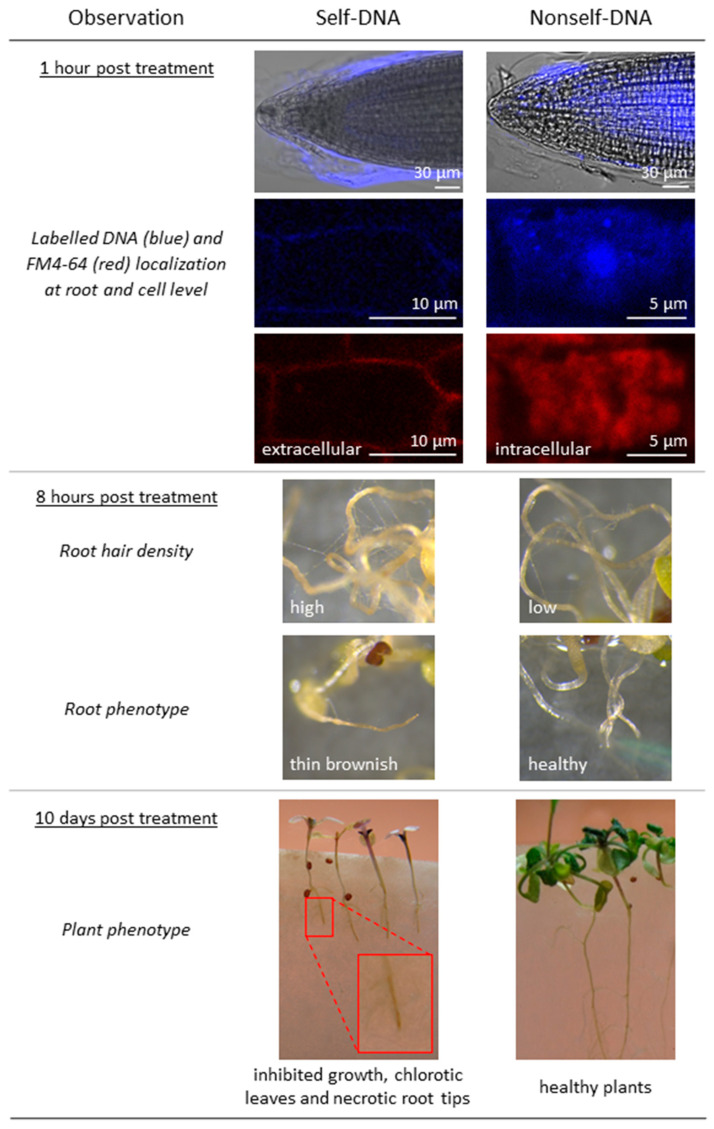
The inhibitory effect of extracellular DNA (exDNA) on the growth of conspecific individuals was demonstrated in different kingdoms. In plants, the inhibition has been observed on root growth and seed germination, demonstrating its role in plant-soil negative feedback. Several hypotheses have been proposed to explain the early response to exDNA and the inhibitory effect of conspecific exDNA. We here contribute with a whole-plant transcriptome profiling in the model species exposed to extracellular self- (conspecific) and nonself- (heterologous) DNA. The results highlight that cells distinguish self- from nonself-DNA. Moreover, confocal microscopy analyses reveal that nonself-DNA enters root tissues and cells, while self-DNA remains outside. Specifically, exposure to self-DNA limits cell permeability, affecting chloroplast functioning and reactive oxygen species (ROS) production, eventually causing cell cycle arrest, consistently with macroscopic observations of root apex necrosis, increased root hair density and leaf chlorosis. In contrast, nonself-DNA enters the cells triggering the activation of a hypersensitive response and evolving into systemic acquired resistance. Complex and different cascades of events emerge from exposure to extracellular self- or nonself-DNA and are discussed in the context of Damage- and Pathogen-Associated Molecular Patterns (DAMP and PAMP, respectively) responses.
细胞外DNA(exDNA)对同种个体生长的抑制作用已在不同生物界得到证实。在植物中,已观察到其对根系生长和种子萌发的抑制作用,证明了其在植物 - 土壤负反馈中的作用。人们提出了几种假设来解释对exDNA的早期反应以及同种exDNA的抑制作用。我们在此通过对模式物种暴露于细胞外自身(同种)和非自身(异源)DNA进行全植物转录组分析来提供相关研究。结果表明细胞能够区分自身DNA和非自身DNA。此外,共聚焦显微镜分析显示非自身DNA进入根组织和细胞,而自身DNA则留在外部。具体而言,暴露于自身DNA会限制细胞通透性,影响叶绿体功能和活性氧(ROS)产生,最终导致细胞周期停滞,这与根尖坏死、根毛密度增加和叶片黄化的宏观观察结果一致。相比之下,非自身DNA进入细胞会触发超敏反应的激活并发展为系统获得性抗性。暴露于细胞外自身或非自身DNA会引发复杂且不同的事件级联反应,并在损伤相关分子模式(DAMP)和病原体相关分子模式(PAMP)反应的背景下进行讨论。