Pitoyo Agus Joko, Aditya Bagas, Amri Ikhwan, Rokhim Akbar Abdul
Center for Population and Policy Study, Universitas Gadjah Mada, Yogyakarta, 55281 Indonesia.
Faculty of Geography, Universitas Gadjah Mada, Yogyakarta, 55281 Indonesia.
Indian J Labour Econ. 2021;64(3):641-661. doi: 10.1007/s41027-021-00333-x. Epub 2021 Aug 24.
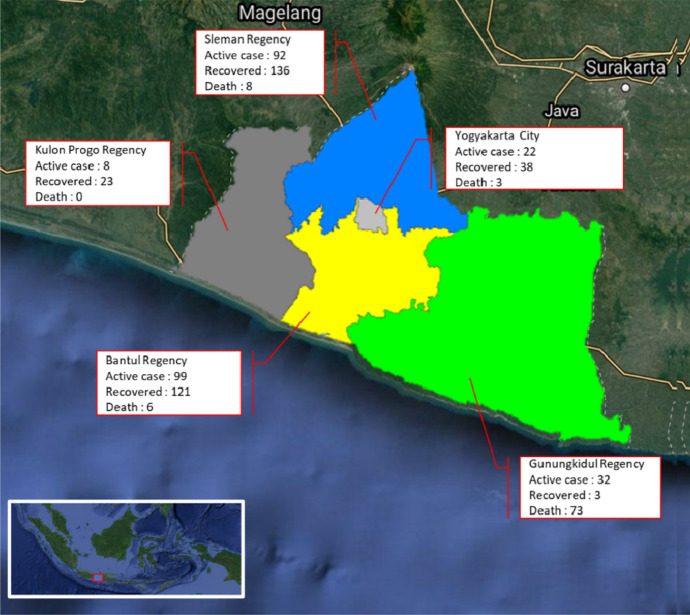
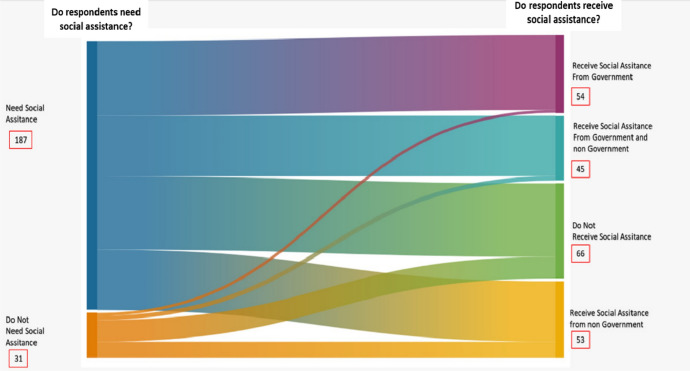
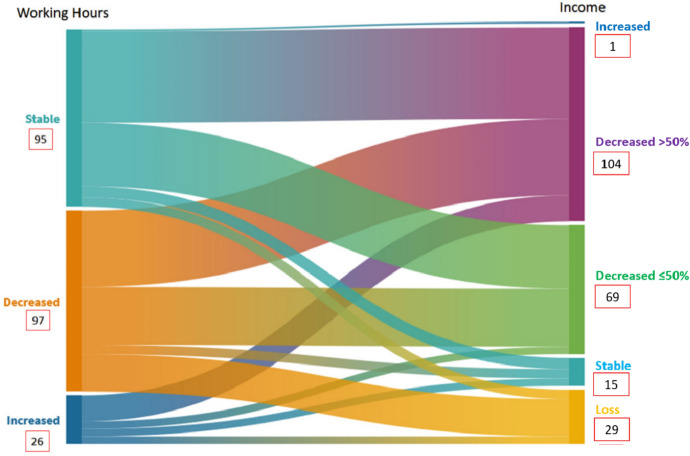
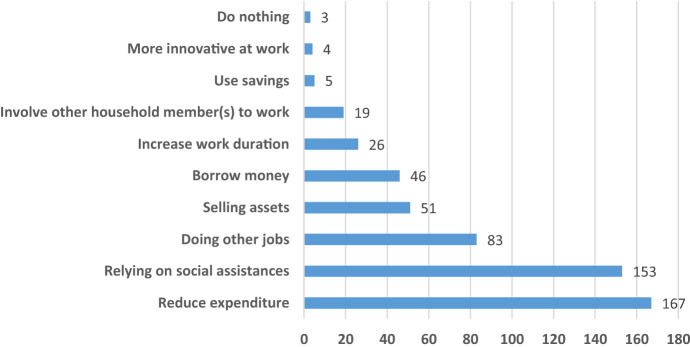
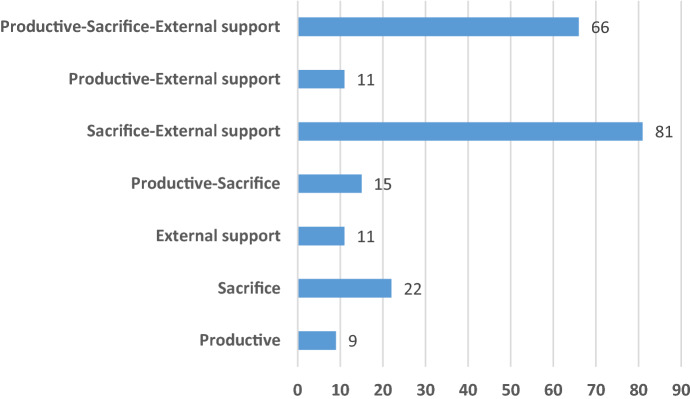
The COVID-19 pandemic has put pressure on the informal sector, especially in developing countries. Regarding the case study found in Yogyakarta Special Region (Indonesia), this research focuses on workers in the informal sector with the following objectives: (1) to assess the impacts of COVID-19 pandemic on informal workers' conditions, (2) to identify their strategies for surviving the crisis, and (3) to analyze the existing social safety net to support their livelihood. This study surveyed 218 respondents who worked in the informal, non-agricultural sector. The data were analyzed using descriptive statistical techniques. The results confirmed that most respondents underwent a decrease in working hours and incomes. In general, they have particular coping mechanisms to survive. The results also found that most respondents had high hopes for social assistance to stabilize their livelihood. Several government programs had been issued, either by improving policies before the pandemic or by creating new ones. However, there were many barriers and challenges to implementing them so that some recommendations had been suggested in this study to help the informal workers to become more resilient.
新冠疫情给非正规部门带来了压力,尤其是在发展中国家。关于在印度尼西亚日惹特区发现的案例研究,本研究聚焦于非正规部门的劳动者,目标如下:(1)评估新冠疫情对非正规劳动者状况的影响;(2)确定他们应对危机的策略;(3)分析现有的社会安全网以支持他们的生计。本研究调查了218名在非正规非农业部门工作的受访者。数据采用描述性统计技术进行分析。结果证实,大多数受访者的工作时间和收入都有所减少。总体而言,他们有特定的应对机制来维持生计。结果还发现,大多数受访者对社会援助以稳定生计寄予厚望。政府已经出台了多项计划,要么在疫情之前改进政策,要么制定新政策。然而,实施这些政策存在许多障碍和挑战,因此本研究提出了一些建议,以帮助非正规劳动者更具韧性。