Kashani Mojdeh Hosseinpoor, Ramezani Mina, Piravar Zeinab
Department of Biology, Faculty of Sciences, Central Tehran Branch, Islamic Azad University, Tehran, Iran.
Int J Reprod Biomed. 2021 Aug 16;19(7):625-636. doi: 10.18502/ijrm.v19i7.9473. eCollection 2021 Jul.
Acrylamide (AA) is a reactive molecule produced during food processing at temperatures above 120∘C.
To evaluate the impact of different concentrations of AA on human sperm parameters, oxidative stress and total antioxidant capacity (TAC).
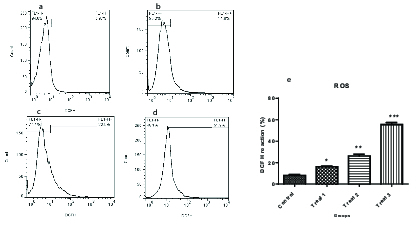
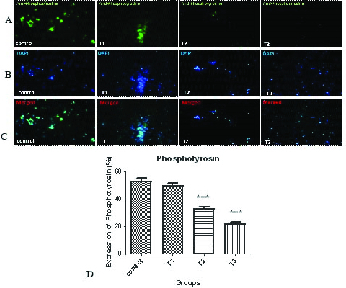
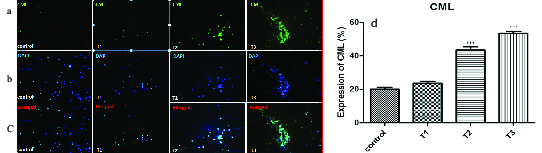
In this laboratory study, semen samples were obtained from healthy donors referred to the Taleghani Hospital, Tehran, Iran between June and July 2019. Samples were divided into four groups (n = 10/each): one control and three treatment groups (0.5, 1, and 2 mM of AA). After 2 hr of exposure to AA, the superoxide dismutase and malondialdehyde levels were measured based on colorimetric methods. The TAC was determined by the ferric-reducing antioxidant power assay. Flow cytometry was performed to measure the intracellular reactive oxygen species generation. Also, immunohistochemistry was done to determine the effect of AA on tyrosine phosphorylation and carboxymethyl-lysine expression.
Results of the study demonstrated that the motility and viability of spermatozoa were significantly decreased after AA exposure (p 0.001). This decrease was also seen in the TAC and superoxide dismutase activity as well as in the phosphotyrosine percentage compared with the control (p 0.01). However, the carboxymethyl-lysine and prooxidant activity including reactive oxygen species generation and lipid peroxidation level increased (p 0.001).
Overall, the results confirmed the detrimental effect of AA on human spermatozoa which may be due to oxidative stress and decreased total antioxidant levels. AA may reduce fertility by reducing sperm capacitation and motility.
丙烯酰胺(AA)是在食品加工过程中温度高于120摄氏度时产生的一种活性分子。
评估不同浓度的AA对人类精子参数、氧化应激和总抗氧化能力(TAC)的影响。
在这项实验室研究中,于2019年6月至7月间从伊朗德黑兰塔莱加尼医院的健康捐赠者处获取精液样本。样本分为四组(每组n = 10):一组为对照组,三组为治疗组(分别为0.5、1和2 mM的AA)。在暴露于AA 2小时后,采用比色法测量超氧化物歧化酶和丙二醛水平。通过铁还原抗氧化能力测定法测定TAC。进行流式细胞术以测量细胞内活性氧的产生。此外,进行免疫组织化学以确定AA对酪氨酸磷酸化和羧甲基赖氨酸表达的影响。
研究结果表明,AA暴露后精子的活力和存活率显著降低(p < 0.001)。与对照组相比,TAC、超氧化物歧化酶活性以及磷酸酪氨酸百分比也出现了这种降低(p < 0.01)。然而,羧甲基赖氨酸和促氧化活性,包括活性氧的产生和脂质过氧化水平增加(p < 0.001)。
总体而言,结果证实了AA对人类精子的有害影响,这可能是由于氧化应激和总抗氧化水平降低所致。AA可能通过降低精子获能和活力来降低生育能力。