Tso M O
University of Illinois College of Medicine at Chicago.
Trans Am Ophthalmol Soc. 1987;85:498-556.
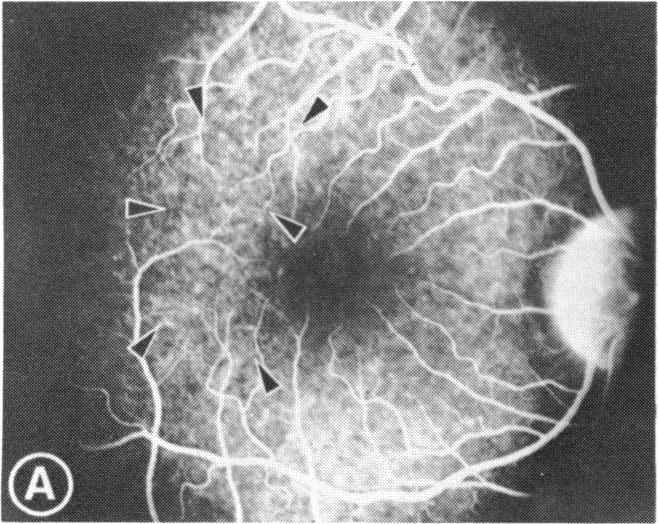
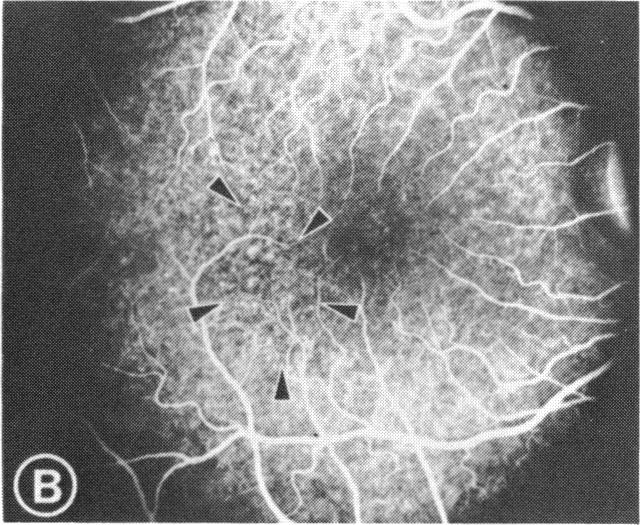
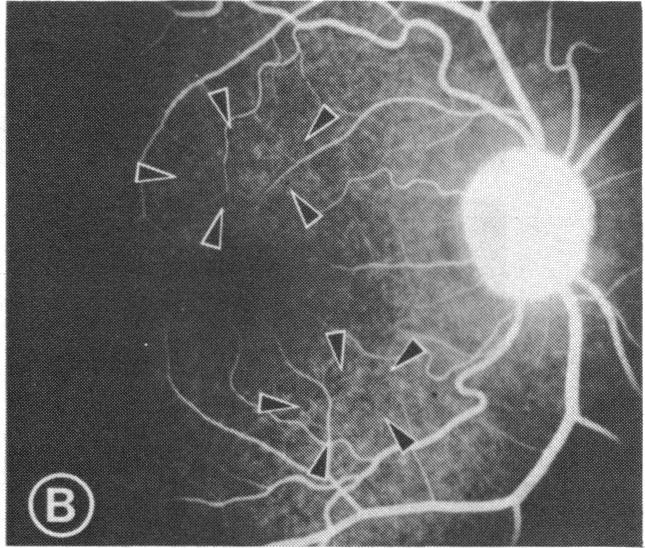
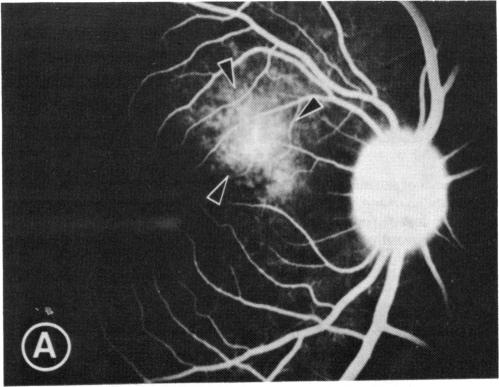
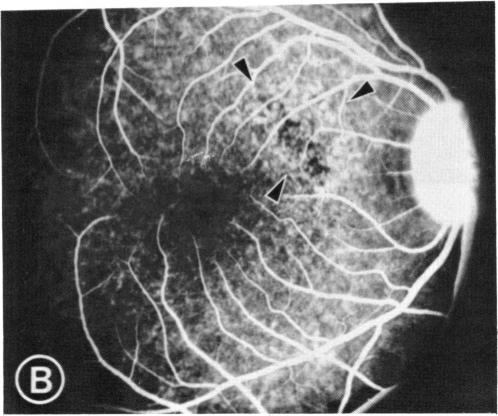
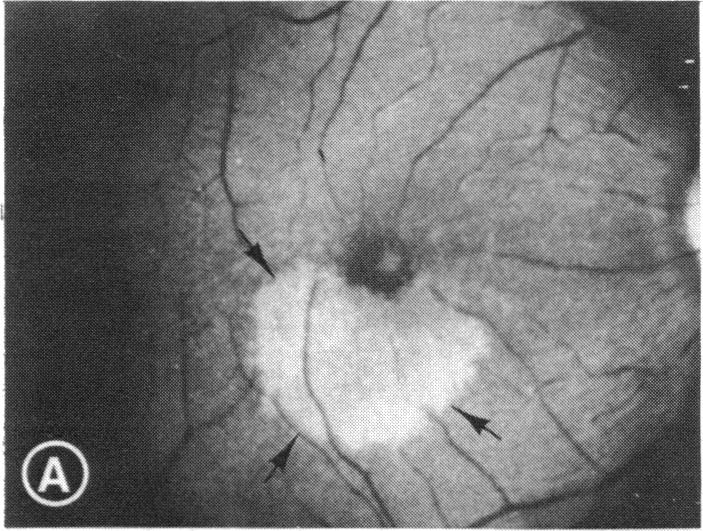
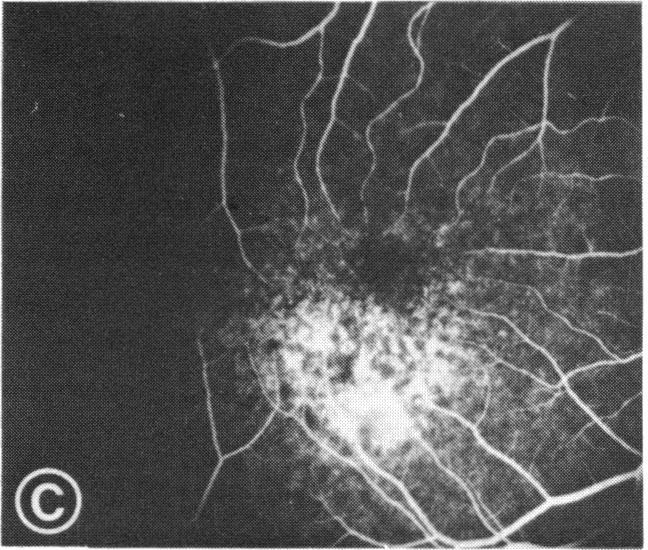
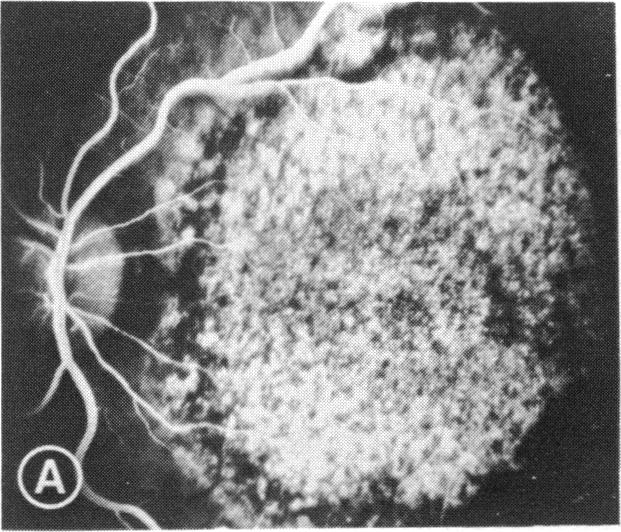
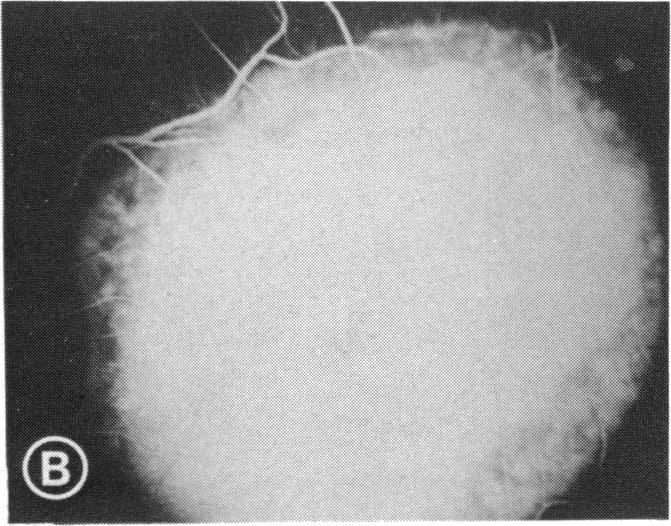
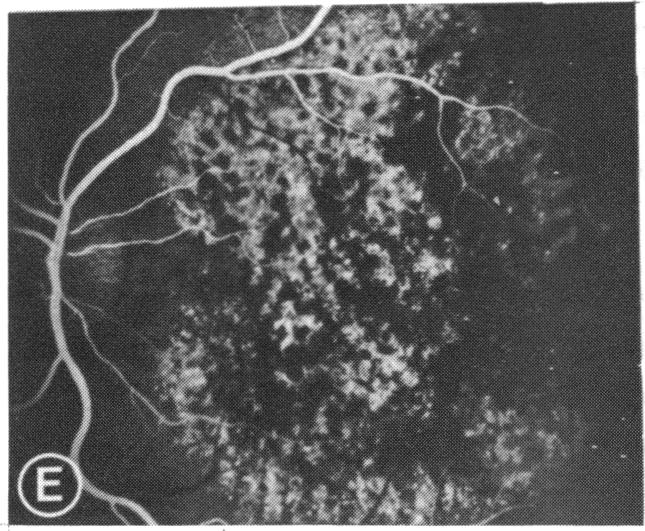
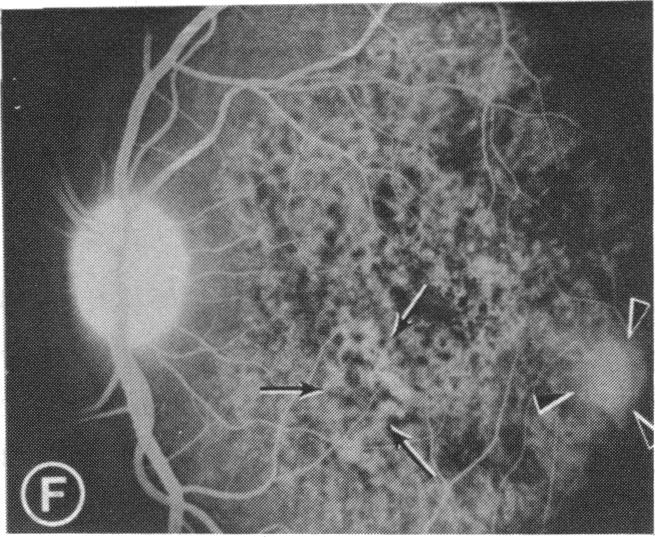
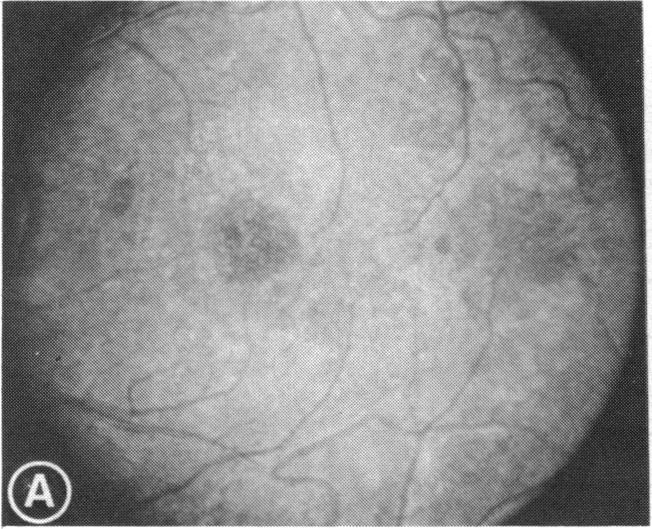
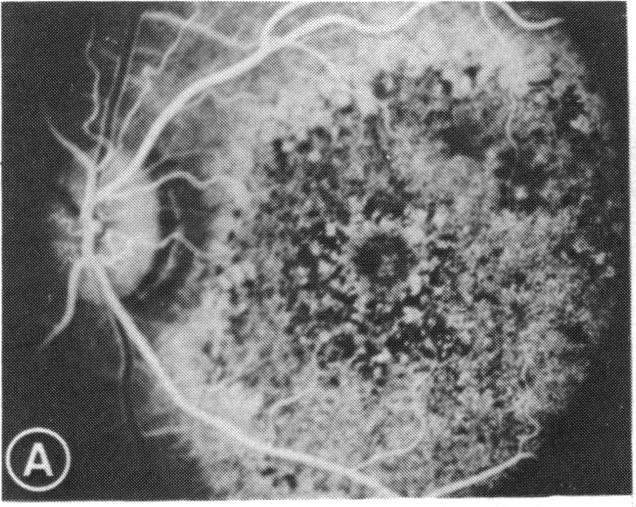
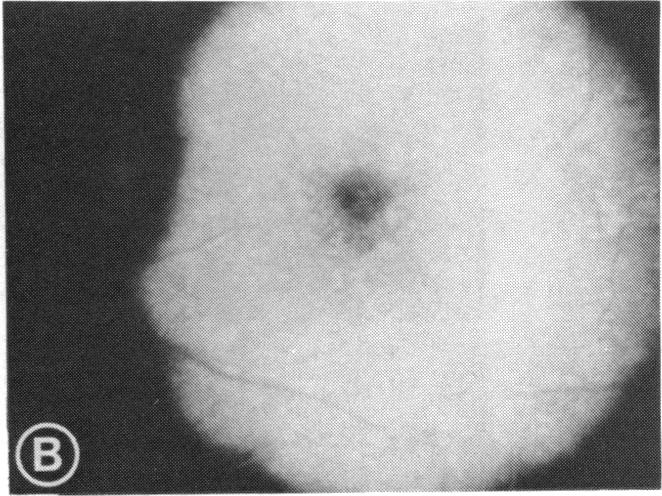
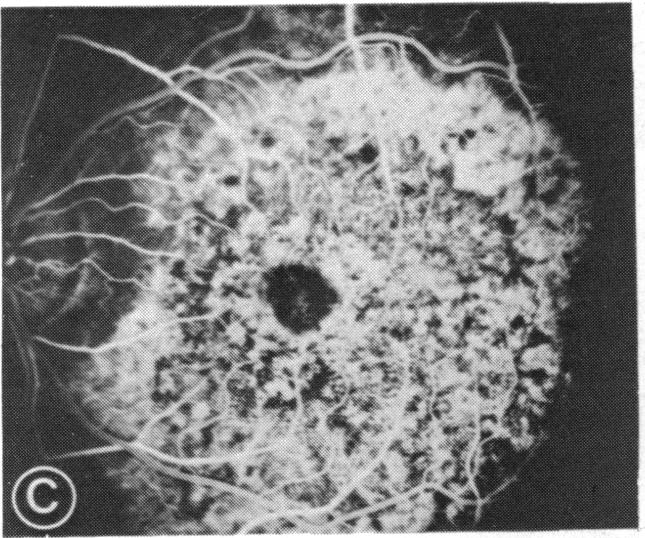
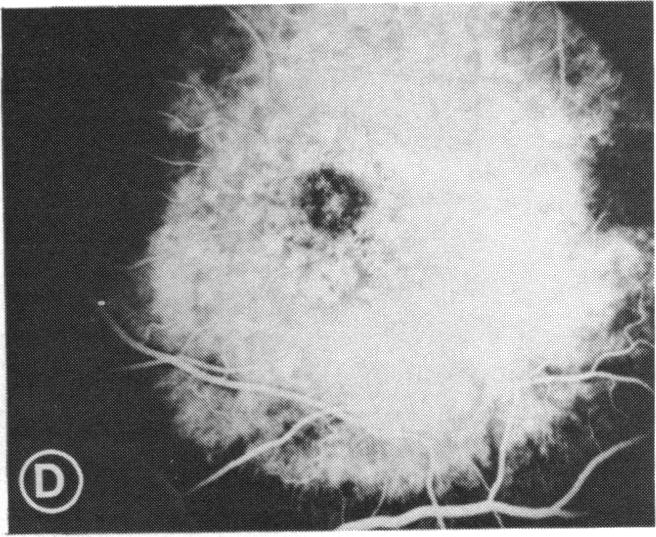
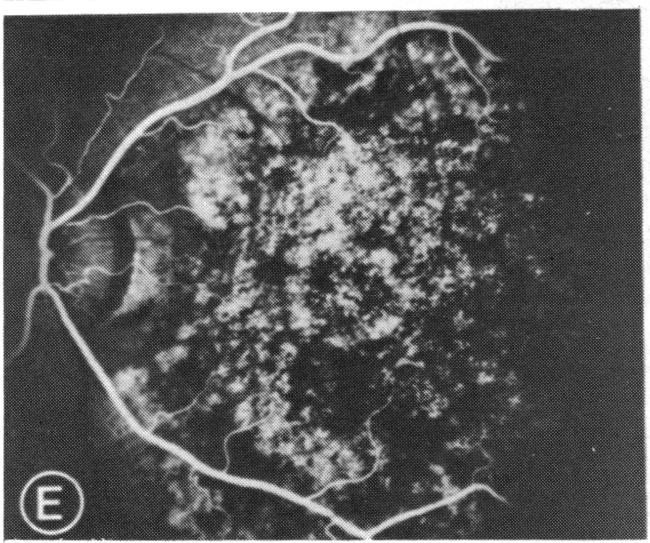
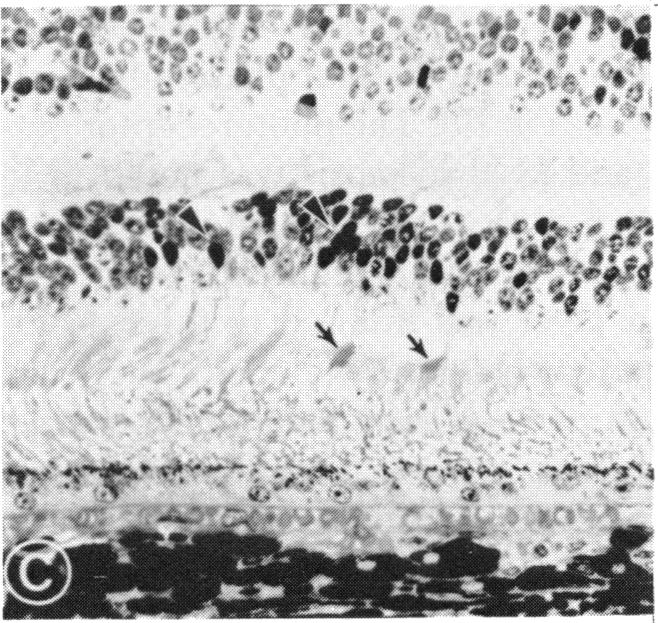
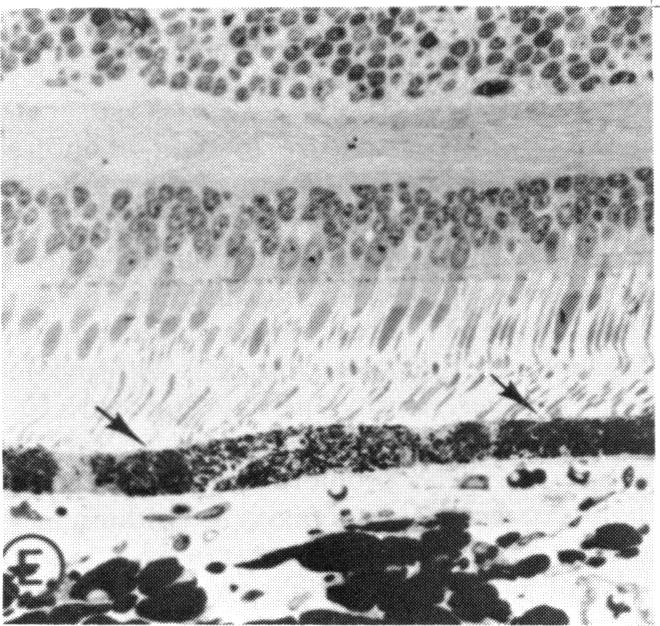
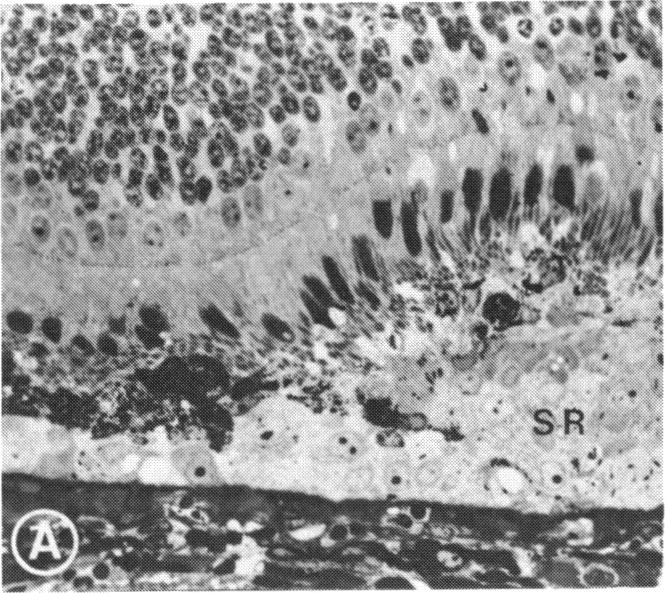
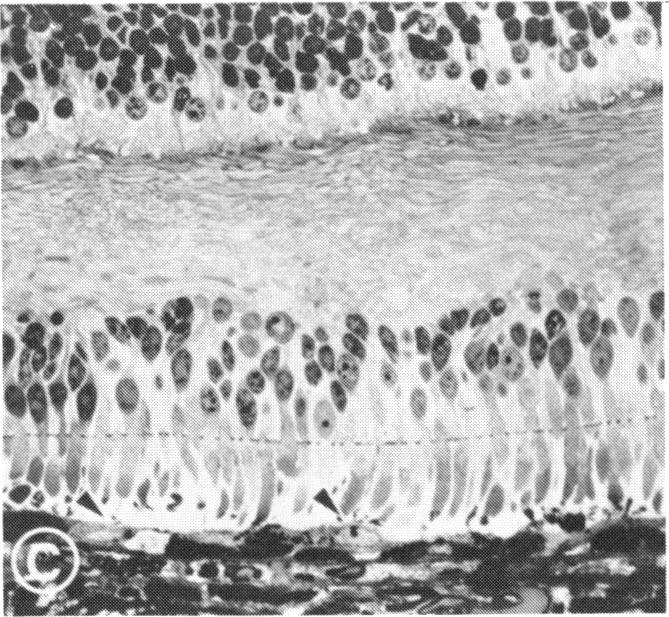
Mild and severe retinal photic injuries were inflicted on 22 eyes of seven monkeys fed a vitamin C-deficient diet and four monkeys given a vitamin C-enriched diet. The retinal lesions were studied by fundus examination, fluorescein angiography, and light and electron microscopy. While the general cellular response to photic injury in the retina of scorbutic animals was not different qualitatively from that in the normal animals, scurvy appeared to cause more severe tissue damage, an exaggerated repair response, and more advanced retinal degeneration. In the four groups of eyes, representing mild and severe photic injury in normal and scorbutic animals, a continuous spectrum of changes was produced. The least damage occurred from mild photic injury in the normal animals, and the most detrimental insult resulted from severe photic injury in the scorbutic animals. We propose that the basic mechanism by which ascorbate mitigates retinal photic injury depends on its redox properties. Ascorbate functions as an antioxidant in the retina. It scavenges superoxide radicals and hydroxyl radicals, quenches singlet oxygen, and reduces hydrogen peroxide, all of which are formed in retinal photic injury. This hypothesis provides an explanation for the high level of ascorbate in the retina. The pathogenetic mechanisms that correspond to the three distinct phases of pathologic changes observed in retinal photic injury are characterized. In phase 1, single oxygen is generated in a photodynamic reaction that damages the photoreceptor elements and pigment epithelium. In phase 2, macrophages attracted from the systemic circulation invade the subretinal space, and a photo-oxidative reaction generates superoxide radicals, hydrogen peroxide, and hydroxyl radicals. These free radicals attack the photoreceptor cells and pigment epithelium to cause further retinal damage. In phase 3, macrophages remain in the subretinal space for as long as 8 months after injury, causing persistent disruption of the blood-retinal barrier. The photo-oxidative reaction appears to linger, resulting in chronic retinal degeneration. It is hypothesized that in some forms of age-related macular degeneration, patients suffer from repeated mild photic insult throughout their lifetime. Aging has been associated with subclinical scurvy, which leads to even greater susceptibility to photic injury. Although ascorbate moderates many biochemical functions of the body and helps the retina ameliorate photo-oxidative injury, it should be regarded as a nutritional supplement to maintain health when consumed in appropriate amounts and not as a therapeutic agent for the treatment of severe insults.
对7只喂食缺乏维生素C饮食的猴子的22只眼睛以及4只喂食富含维生素C饮食的猴子的眼睛造成轻度和重度视网膜光损伤。通过眼底检查、荧光素血管造影以及光镜和电镜对视网膜病变进行研究。虽然坏血病动物视网膜对光损伤的一般细胞反应在性质上与正常动物没有差异,但坏血病似乎会导致更严重的组织损伤、过度的修复反应以及更严重的视网膜变性。在四组眼睛中,分别代表正常和坏血病动物的轻度和重度光损伤,产生了一系列连续的变化。损伤最小的是正常动物的轻度光损伤,而最具破坏性的损伤是坏血病动物的重度光损伤。我们提出抗坏血酸减轻视网膜光损伤的基本机制取决于其氧化还原特性。抗坏血酸在视网膜中起抗氧化剂的作用。它清除超氧自由基和羟自由基,淬灭单线态氧,并还原过氧化氢,所有这些都是在视网膜光损伤中形成的。这一假设为视网膜中高水平的抗坏血酸提供了解释。描述了与视网膜光损伤中观察到的三个不同病理变化阶段相对应的发病机制。在第1阶段,光动力反应中产生单线态氧,损害光感受器元件和色素上皮。在第2阶段,从全身循环吸引来的巨噬细胞侵入视网膜下间隙,光氧化反应产生超氧自由基、过氧化氢和羟自由基。这些自由基攻击光感受器细胞和色素上皮,导致进一步的视网膜损伤。在第3阶段,巨噬细胞在损伤后长达8个月的时间内一直留在视网膜下间隙,导致血视网膜屏障持续破坏。光氧化反应似乎持续存在,导致慢性视网膜变性。据推测,在某些形式的年龄相关性黄斑变性中,患者一生中会遭受反复的轻度光损伤。衰老与亚临床坏血病有关,这导致对光损伤的易感性更高。虽然抗坏血酸调节身体的许多生化功能并帮助视网膜减轻光氧化损伤,但当适量摄入时,它应被视为维持健康的营养补充剂,而不是用于治疗严重损伤的治疗剂。