Van Serena, Pal Soumiya, Garner Brittney R, Steed Kate, Sridharan Vijayalakshmi, Mu Shengyu, Rusch Nancy J, Stolarz Amanda J
Department of Pharmaceutical Sciences, College of Pharmacy, University of Arkansas for Medical Sciences, Little Rock, AR, United States.
Department of Pharmacology and Toxicology, College of Medicine, University of Arkansas for Medical Sciences, Little Rock, AR, United States.
Front Pharmacol. 2021 Aug 16;12:727526. doi: 10.3389/fphar.2021.727526. eCollection 2021.
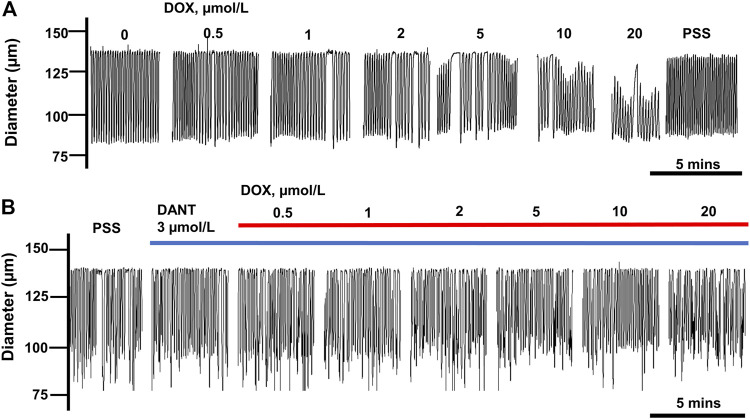
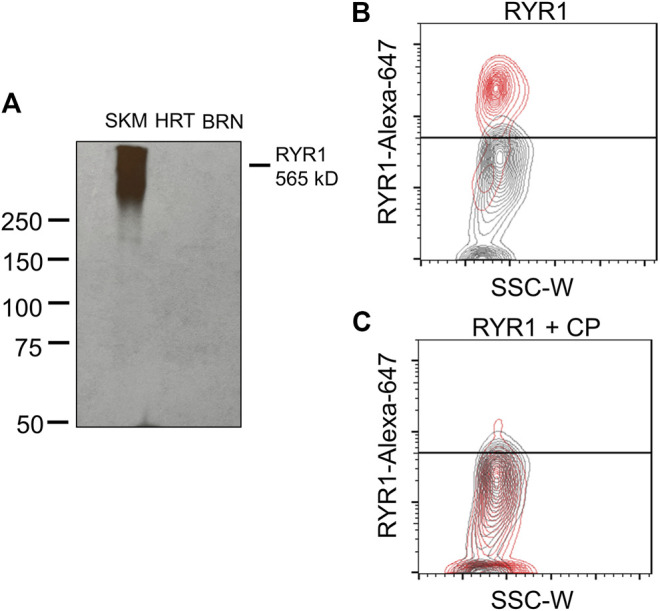
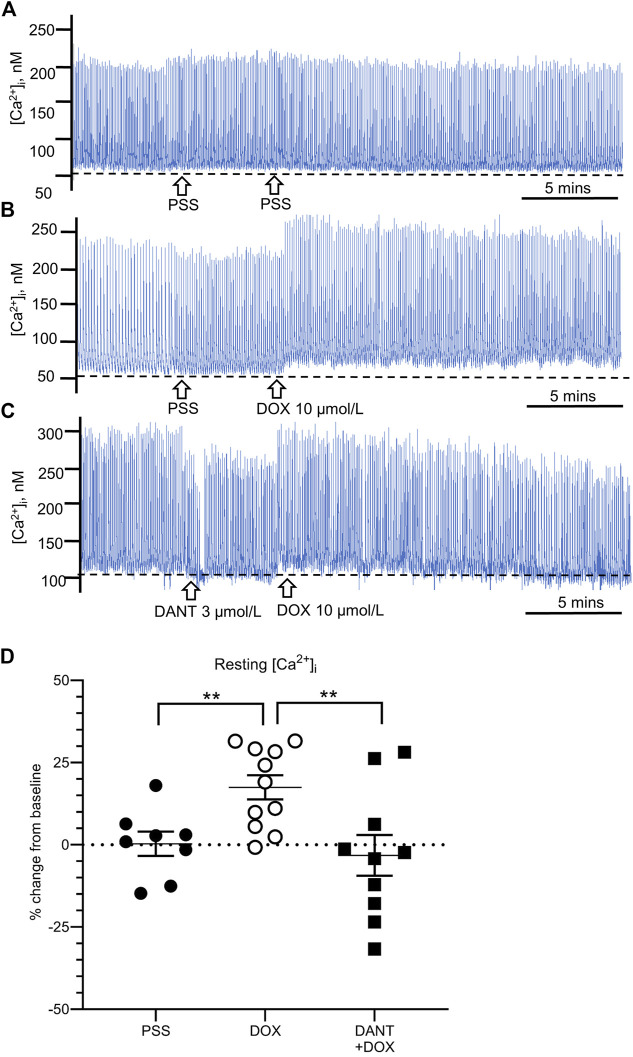
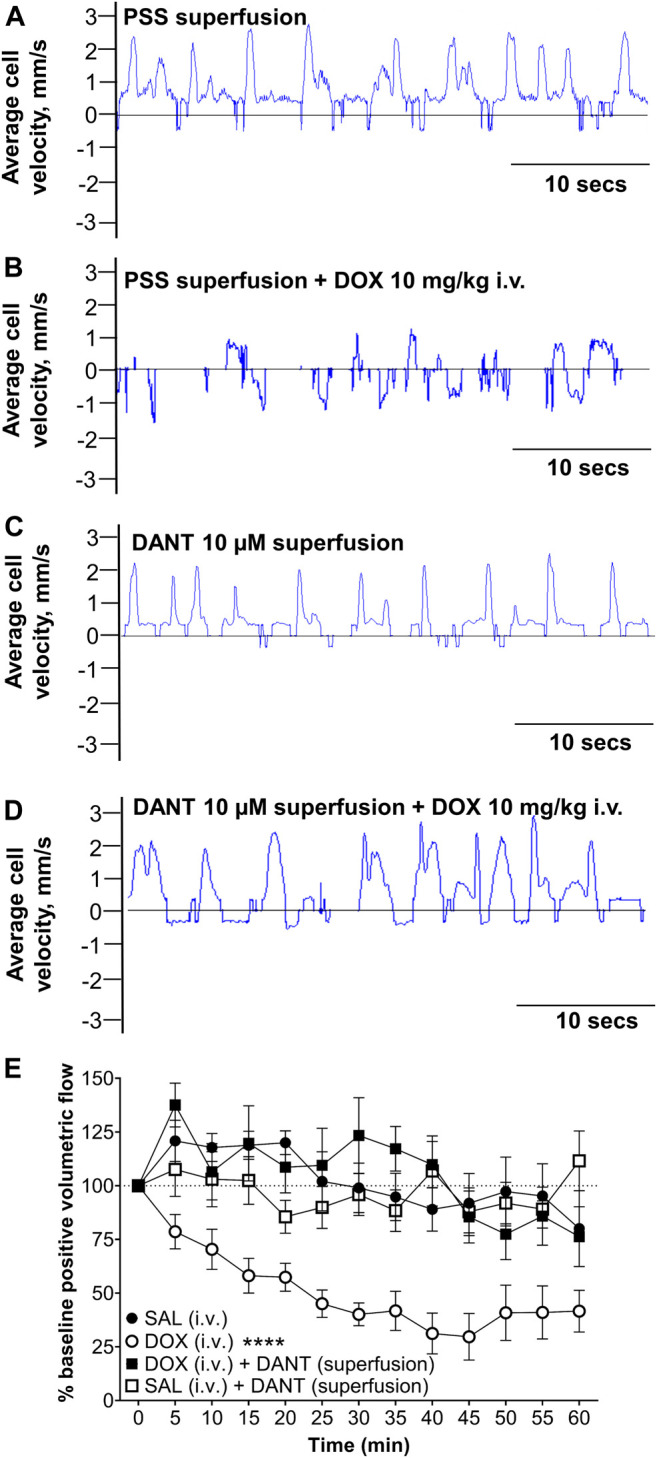
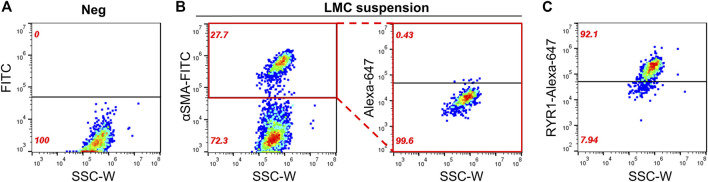
Doxorubicin (DOX) is a risk factor for arm lymphedema in breast cancer patients. We reported that DOX opens ryanodine receptors (RYRs) to enact "calcium leak," which disrupts the rhythmic contractions of lymph vessels (LVs) to attenuate lymph flow. Here, we evaluated whether dantrolene, a clinically available RYR1 subtype antagonist, prevents the detrimental effects of DOX on lymphatic function. Isolated rat mesenteric LVs were cannulated, pressurized (4-5 mm Hg) and equilibrated in physiological salt solution and Fura-2AM. Video microscopy recorded changes in diameter and Fura-2AM fluorescence tracked cytosolic free calcium ([Ca ]). High-speed microscopy assessed mesenteric lymph flow in anesthetized rats. Flow cytometry evaluated RYR1 expression in freshly isolated mesenteric lymphatic muscle cells (LMCs). DOX (10 μmol/L) increased resting [Ca ] by 17.5 ± 3.7% in isolated LVs ( = 11). The rise in [Ca ] was prevented by dantrolene (3 μmol/L; n = 10). A single rapid infusion of DOX (10 mg/kg i.v.) reduced positive volumetric lymph flow to 29.7 ± 10.8% ( = 7) of baseline in mesenteric LVs . In contrast, flow in LVs superfused with dantrolene (10 μmol/L) only decreased to 76.3 ± 14.0% ( = 7) of baseline in response to DOX infusion. Subsequently, expression of the RYR1 subtype protein as the presumed dantrolene binding site was confirm in isolated mesenteric LMCs by flow cytometry. We conclude that dantrolene attenuates the acute impairment of lymph flow by DOX and suggest that its prophylactic use in patients subjected to DOX chemotherapy may lower lymphedema risk.
阿霉素(DOX)是乳腺癌患者发生手臂淋巴水肿的一个风险因素。我们曾报道,DOX可打开兰尼碱受体(RYRs)引发“钙泄漏”,从而破坏淋巴管(LVs)的节律性收缩,减弱淋巴液流动。在此,我们评估了临床上可用的RYR1亚型拮抗剂丹曲林是否能预防DOX对淋巴功能的有害影响。将分离的大鼠肠系膜LVs插管,加压(4 - 5 mmHg)并在生理盐溶液和Fura - 2AM中平衡。视频显微镜记录直径变化,Fura - 2AM荧光追踪胞质游离钙([Ca])。高速显微镜评估麻醉大鼠的肠系膜淋巴液流动。流式细胞术评估新鲜分离的肠系膜淋巴肌细胞(LMCs)中RYR1的表达。DOX(10 μmol/L)使分离的LVs中的静息[Ca]增加了17.5 ± 3.7%(n = 11)。丹曲林(3 μmol/L;n = 10)可阻止[Ca]的升高。单次快速静脉注射DOX(10 mg/kg)使肠系膜LVs的正向容积淋巴液流动减少至基线的29.7 ± 10.8%(n = 7)。相比之下,用丹曲林(10 μmol/L)灌流的LVs在DOX输注后仅降至基线的76.3 ± 14.0%(n = 7)。随后,通过流式细胞术在分离的肠系膜LMCs中证实了作为推测的丹曲林结合位点的RYR1亚型蛋白的表达。我们得出结论,丹曲林可减轻DOX对淋巴液流动的急性损害,并建议在接受DOX化疗的患者中预防性使用丹曲林可能会降低淋巴水肿风险。