Shanghai Institute of Hematology, State Key Laboratory of Medical Genomics, National Research Centre for Translational Medicine at Shanghai, Ruijin Hospital Affiliated to Shanghai Jiao Tong University School of Medicine, Shanghai, China.
Bristol Renal Unit, Translational Health Sciences, University of Bristol, Bristol, United Kingdom.
Front Immunol. 2021 Aug 20;12:687291. doi: 10.3389/fimmu.2021.687291. eCollection 2021.
Formation of kidney stones resulting in urological disorders remains a major cause of morbidity in renal diseases and many others. Innate immunity, mainly inflammasome, has demonstrated a key role in the development of kidney stone disease (or "nephrolithiasis"), but a molecular rationale for therapeutic intervention targeting immunity is far from clear. We reason that identifying inflammatory gene networks underlying disease risk would inform immunotherapeutic targets for candidate drug discovery.
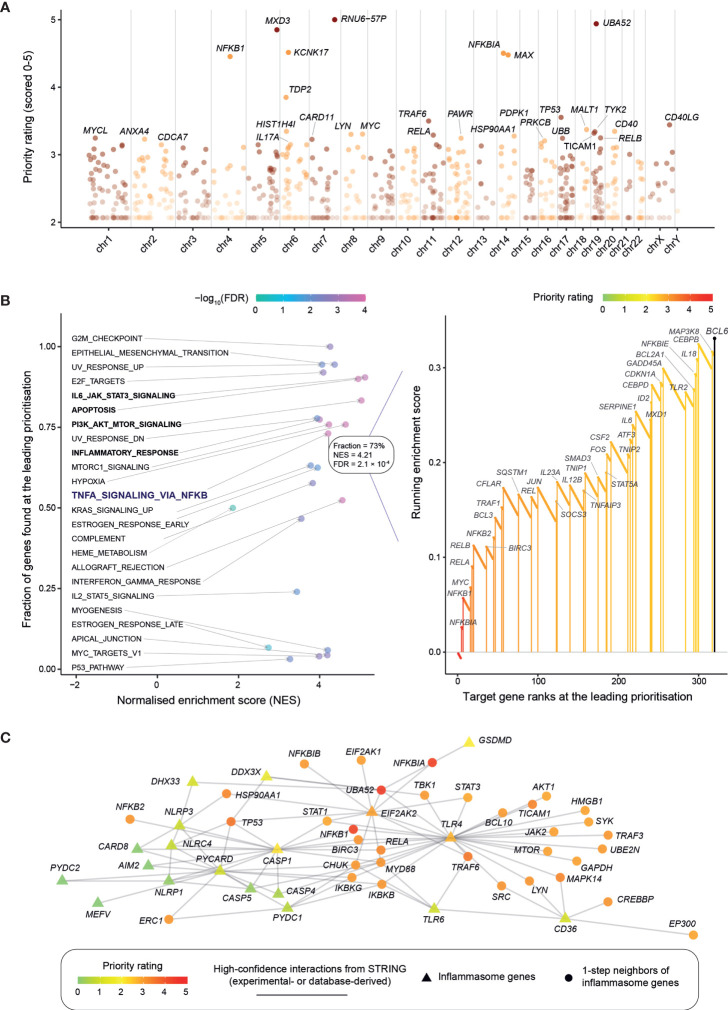
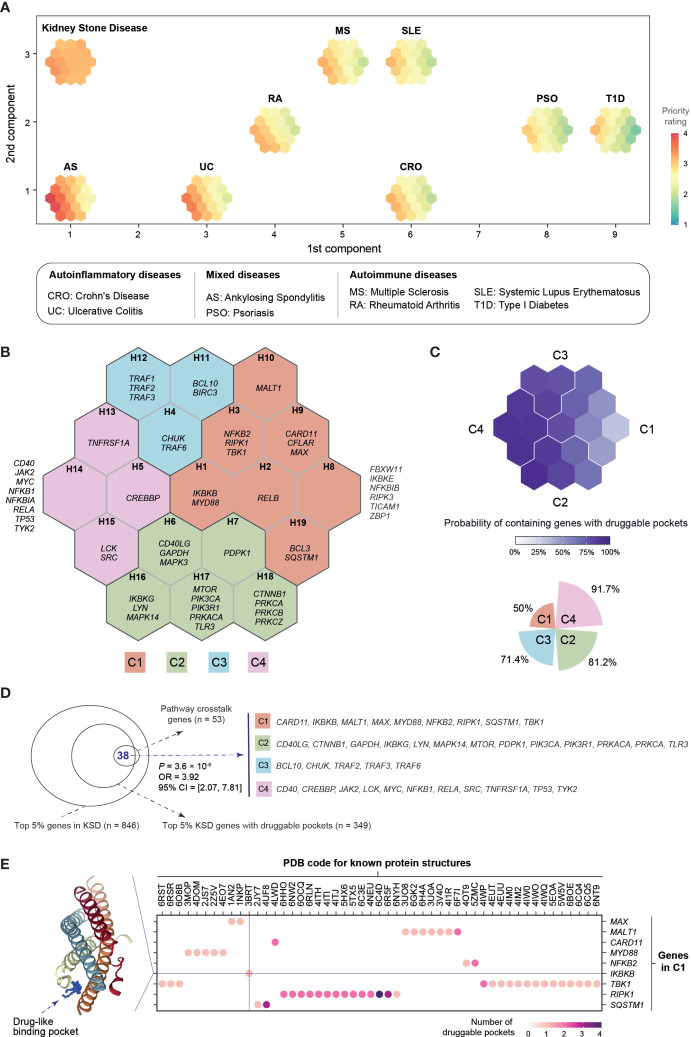
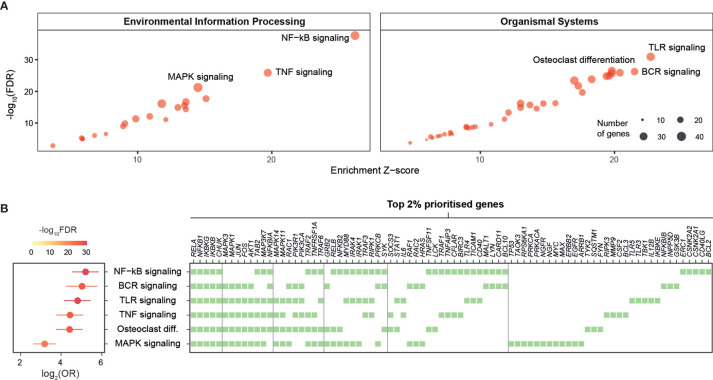
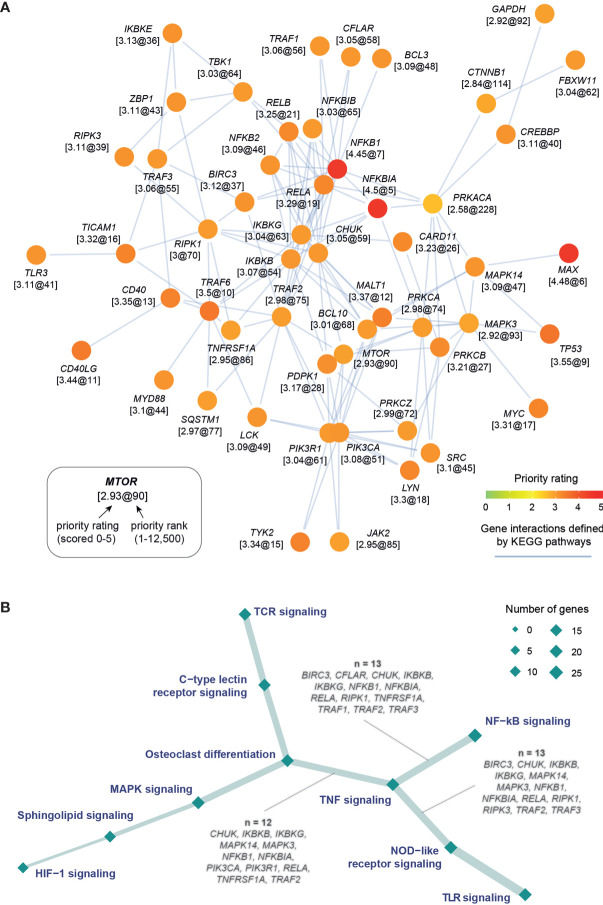
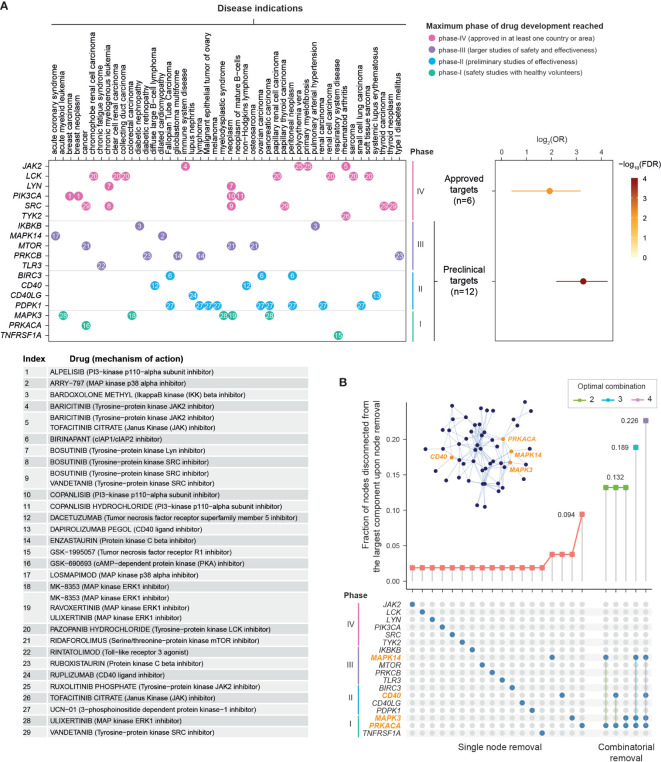
We generated an atlas of genetic target prioritization, with the top targets highly enriched for genes involved in the NF-kB regulation, including interaction neighbors of inflammasome genes. We identified a network of highly ranked and interconnecting genes that are of functional relevance to nephrolithiasis and mediate crosstalk between inflammatory pathways. Crosstalk genes can be utilized for therapeutic repositioning, as highlighted by identification of ulixertinib and losmapimod that are both under clinical investigation as inhibitors of inflammatory mediators. Finally, we performed cross-disease comparisons and druggable pocket predictions, identifying inflammatory targets that are specific to and tractable for nephrolithiasis.
Genetic targets and candidate drugs, identified in this study, provide the rich information of how to target innate immune pathways, with the potential of advancing immunotherapeutic strategies for nephrolithiasis.
泌尿系统疾病导致的肾结石形成仍然是肾脏疾病和许多其他疾病发病率的主要原因。先天免疫,主要是炎症小体,已经证明在肾结石病(或“肾结石”)的发展中起着关键作用,但是针对免疫的治疗干预的分子原理还远不清楚。我们认为,确定疾病风险的炎症基因网络将为候选药物发现的免疫治疗靶点提供信息。
我们生成了一个遗传靶点优先排序图谱,其中排名最高的靶点高度富集了参与 NF-kB 调节的基因,包括炎症小体基因的相互作用邻居。我们确定了一个高度排名和相互连接的基因网络,这些基因与肾结石具有功能相关性,并介导炎症途径之间的串扰。串扰基因可用于治疗重定位,如识别出乌利替尼和洛索帕米,它们都在作为炎症介质抑制剂的临床研究中。最后,我们进行了跨疾病比较和可药用口袋预测,确定了针对肾结石的特异性和可治疗性的炎症靶点。
本研究中鉴定的遗传靶点和候选药物提供了有关如何靶向先天免疫途径的丰富信息,有可能推进肾结石的免疫治疗策略。