Department of Biomedical Sciences, University of Sassari, Sassari, Italy.
Department of Medical, Surgical and Experimental Sciences, University of Sassari, Sassari, Italy.
Front Public Health. 2021 Aug 18;9:705916. doi: 10.3389/fpubh.2021.705916. eCollection 2021.
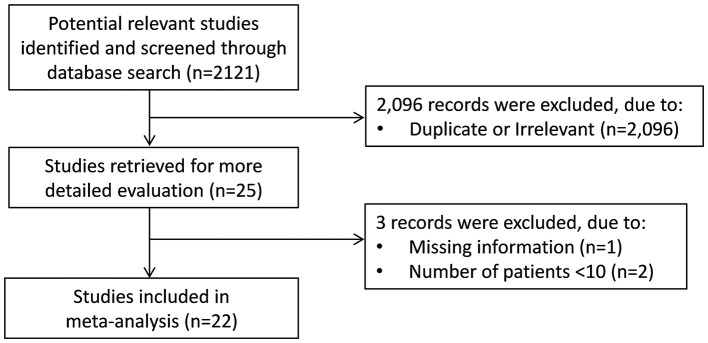
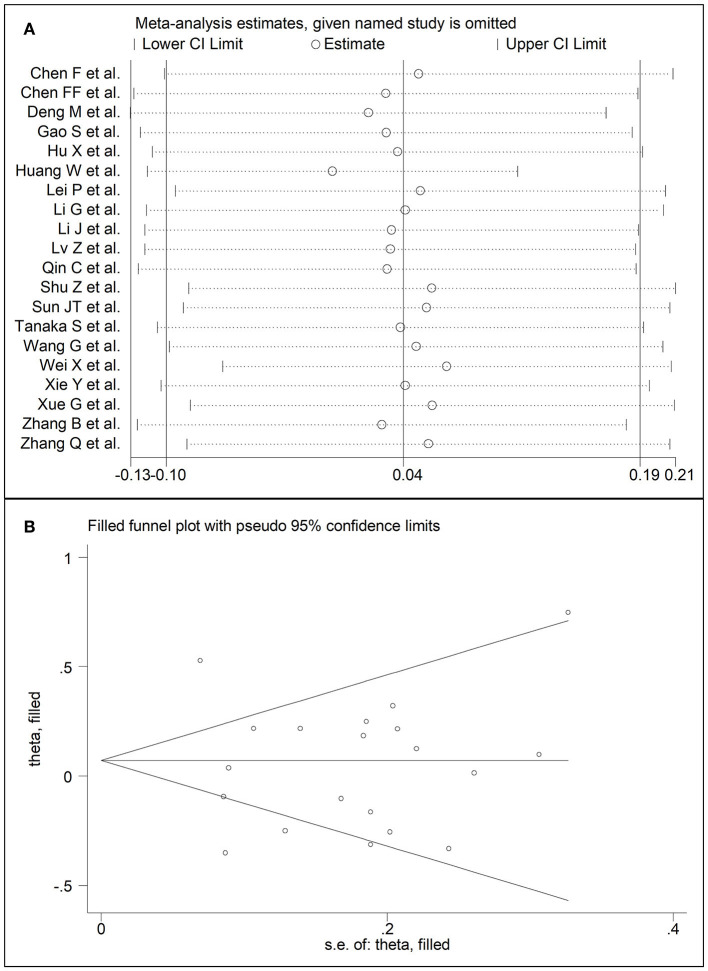
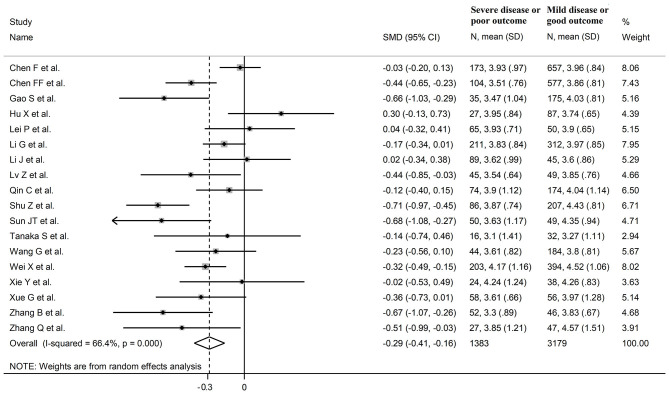
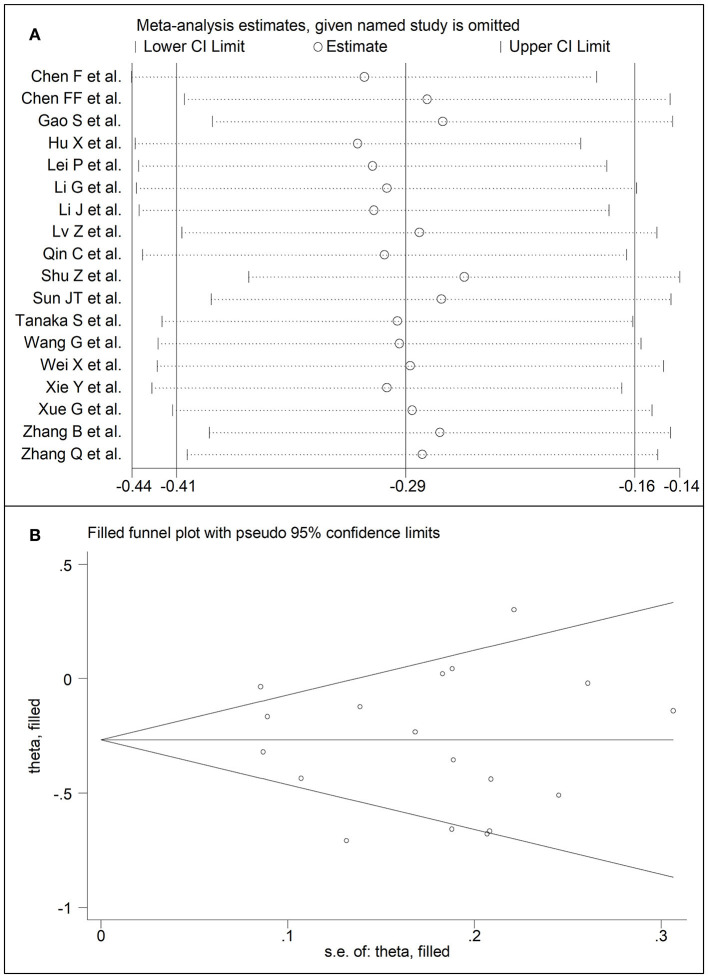
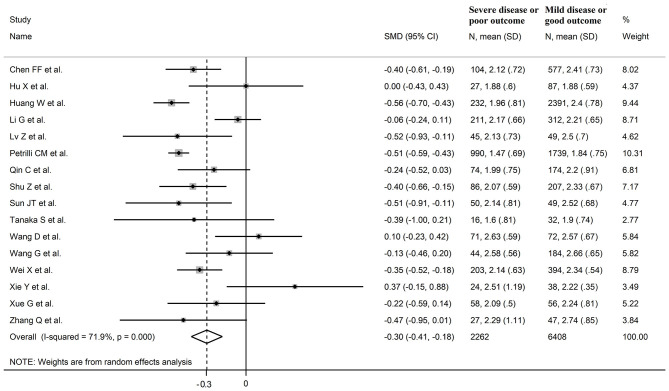
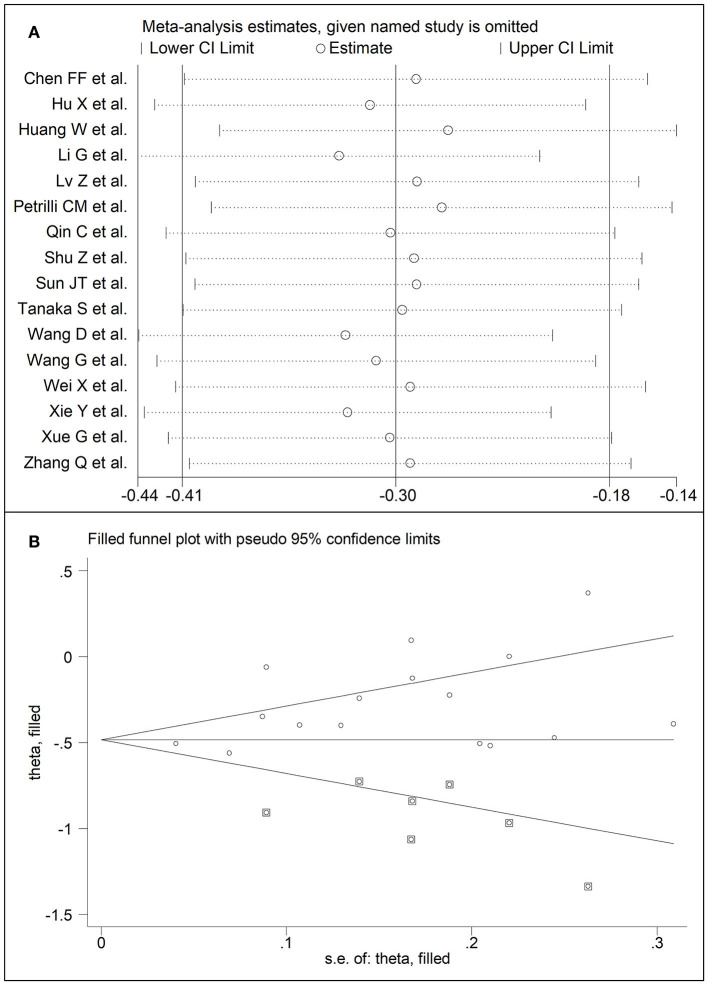
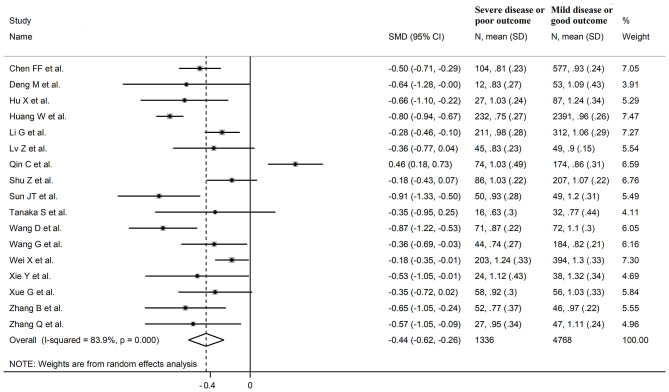
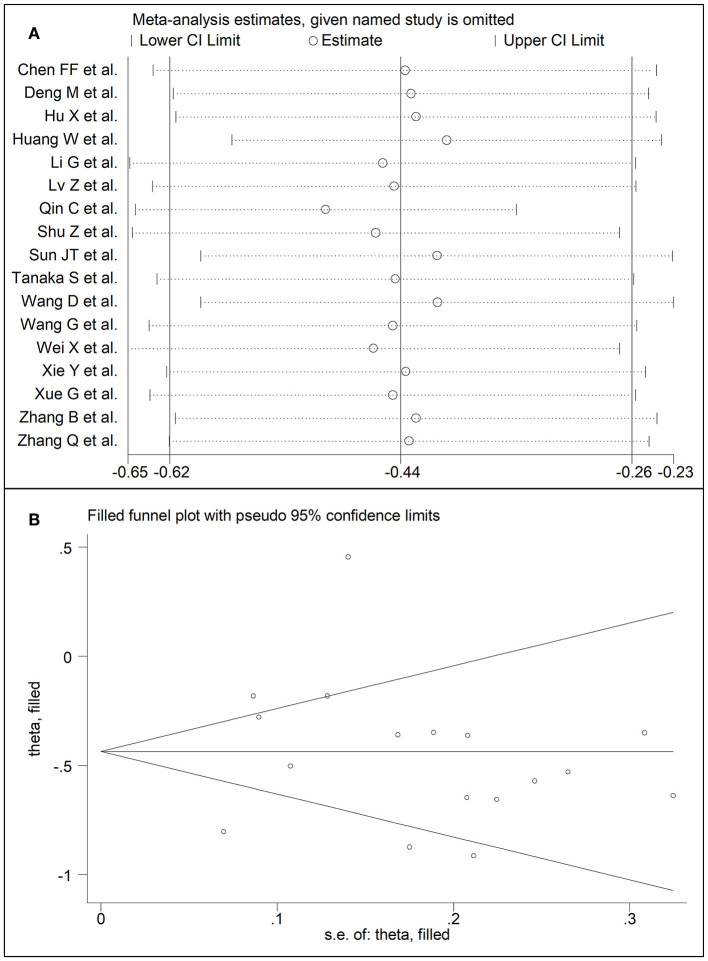
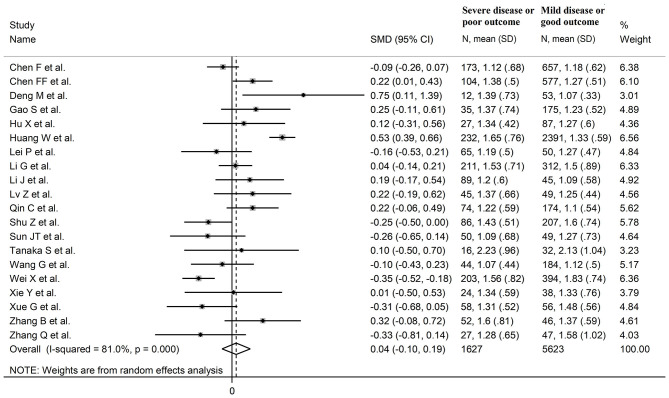
Lipid profile alterations have been observed in patients with coronavirus disease 2019 (COVID-19) in relation to disease severity and mortality. We conducted a systematic review and meta-analysis with meta-regression of studies reporting total, HDL, and LDL-cholesterol, and triglyceride concentrations in hospitalized patients with COVID-19. We searched PubMed, Web of Science and Scopus, between January 2020 and January 2021, for studies describing lipid concentrations, COVID-19 severity, and survival status (PROSPERO registration number: CRD42021253401). Twenty-two studies in 10,122 COVID-19 patients were included in the meta-analysis. Pooled results showed that hospitalized patients with severe disease or non-survivor status had significantly lower total cholesterol (standardized mean difference, SMD = -0.29, 95% CI -0.41 to -0.16, < 0.001), LDL-cholesterol (SMD = -0.30, 95% CI -0.41 to -0.18, < 0.001), and HDL-cholesterol (SMD = -0.44, 95% CI -0.62 to -0.26, < 0.001), but not triglyceride (SMD = 0.04, 95% CI -0.10 to -0.19, = 0.57), concentrations compared to patients with milder disease or survivor status during follow up. Between-study heterogeneity was large-to-extreme. In sensitivity analysis, the effect size of different lipid fractions was not affected when each study was in turn removed. The Begg's and Egger's -tests did not show evidence of publication bias, except for studies investigating LDL-cholesterol. In meta-regression, significant associations were observed between the SMD of LDL-cholesterol and age and hypertension, and between the SMD of triglycerides and study endpoint and aspartate aminotransferase. In our systematic review and meta-analysis, lower total, HDL, and LDL-cholesterol, but not triglyceride, concentrations were significantly associated with COVID-19 severity and mortality. Cholesterol concentrations might be useful, in combination with other clinical and demographic variables, for risk stratification and monitoring in this group. PROSPERO registration number: CRD42021253401.
在与疾病严重程度和死亡率相关的 2019 年冠状病毒病(COVID-19)患者中,已经观察到脂质谱改变。我们对报告 COVID-19 住院患者总胆固醇、高密度脂蛋白胆固醇和低密度脂蛋白胆固醇及甘油三酯浓度的研究进行了系统评价和荟萃分析,并进行了荟萃回归分析。我们于 2020 年 1 月至 2021 年 1 月期间在 PubMed、Web of Science 和 Scopus 上检索描述脂质浓度、COVID-19 严重程度和生存状态的研究(PROSPERO 注册号:CRD42021253401)。荟萃分析纳入了 22 项涉及 10122 例 COVID-19 患者的研究。汇总结果表明,重症或非幸存者的住院患者总胆固醇(标准化均数差,SMD=-0.29,95%CI-0.41 至-0.16,<0.001)、低密度脂蛋白胆固醇(SMD=-0.30,95%CI-0.41 至-0.18,<0.001)和高密度脂蛋白胆固醇(SMD=-0.44,95%CI-0.62 至-0.26,<0.001)水平明显降低,但甘油三酯(SMD=0.04,95%CI-0.10 至-0.19,=0.57)水平无差异,与病情较轻或存活患者相比,随访期间。研究间异质性较大至极高。在敏感性分析中,当逐个排除每项研究时,不同脂质亚群的效应大小不受影响。贝格(Begg)和埃格(Egger)检验未显示存在发表偏倚,除了研究低密度脂蛋白胆固醇的研究外。在荟萃回归中,观察到 LDL 胆固醇的 SMD 与年龄和高血压以及甘油三酯的 SMD 与研究终点和天冬氨酸氨基转移酶之间存在显著相关性。在我们的系统评价和荟萃分析中,总胆固醇、高密度脂蛋白胆固醇和低密度脂蛋白胆固醇水平降低与 COVID-19 严重程度和死亡率显著相关,但甘油三酯水平无差异。胆固醇浓度可能与其他临床和人口统计学变量结合,用于该人群的风险分层和监测。PROSPERO 注册号:CRD42021253401。