Zinellu Angelo, Paliogiannis Panagiotis, Carru Ciriaco, Mangoni Arduino A
Department of Biomedical Sciences, University of Sassari, Sassari, Italy.
Department of Medical, Surgical and Experimental Sciences, University of Sassari, Sassari, Italy.
Int J Infect Dis. 2021 Apr;105:668-674. doi: 10.1016/j.ijid.2021.03.025. Epub 2021 Mar 15.
An excessive inflammatory response in patients with coronavirus disease 2019 (COVID-19) is associated with high disease severity and mortality. Specific acute phase reactants might be useful for risk stratification. A systematic review and meta-analysis was conducted of studies on serum amyloid A (SAA) in patients with COVID-19.
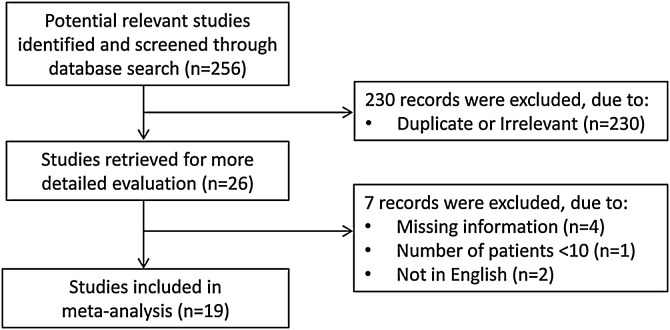
The PubMed, Web of Science, and Scopus databases were searched, covering the period January 2020 to December 2020, for studies reporting SAA concentrations, COVID-19 severity, and survival status.
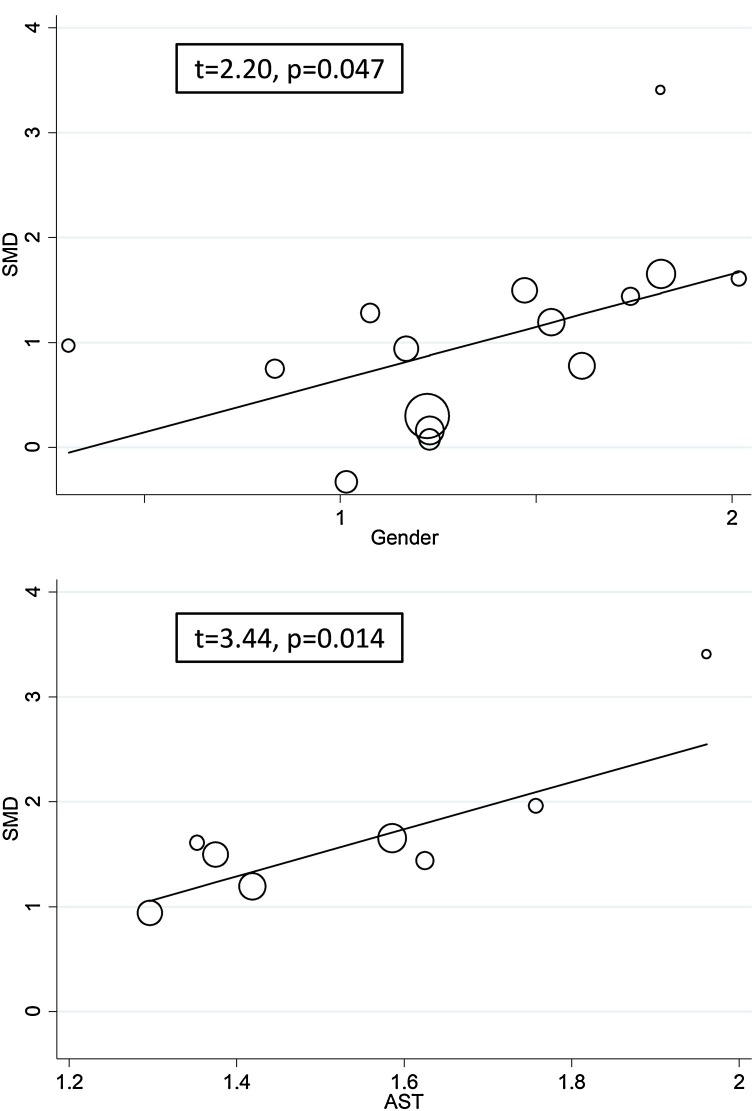
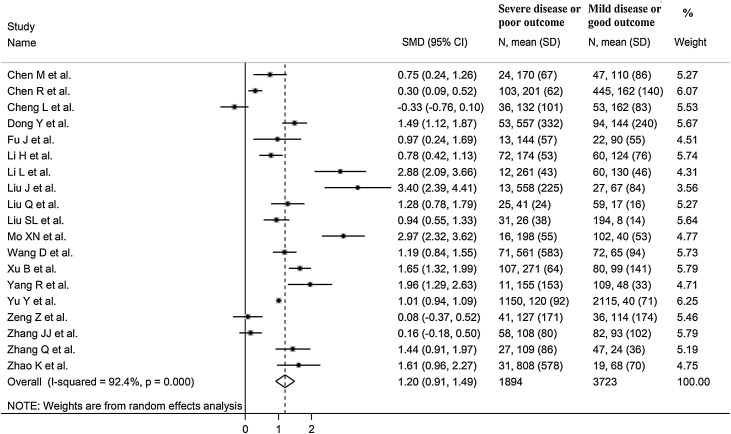
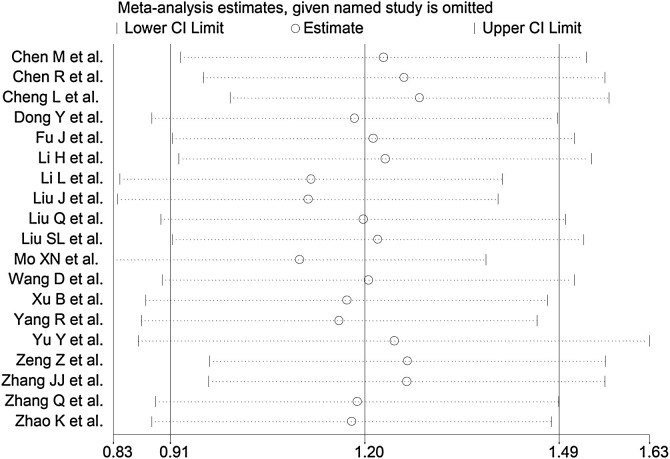
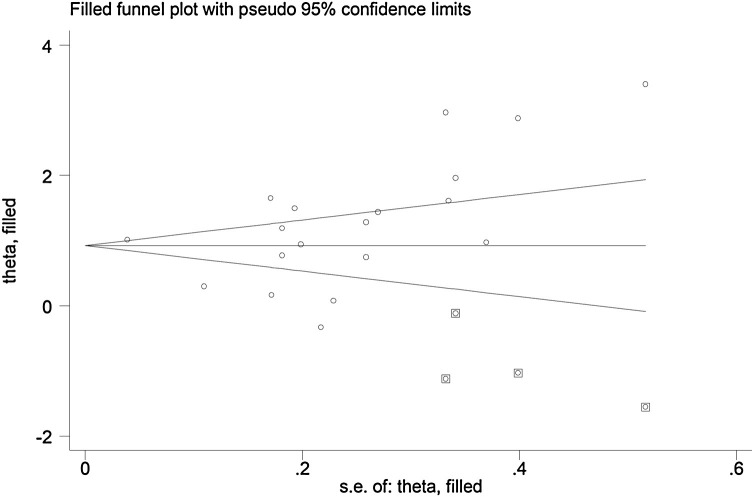
Nineteen studies involving 5617 COVID-19 patients were included in the meta-analysis. Pooled results showed that SAA concentrations were significantly higher in patients with severe disease and non-survivors (standard mean difference (SMD) 1.20, 95% confidence interval 0.91-1.49, P < 0.001). Extreme between-study heterogeneity was observed (I = 92.4%, P < 0.001). In the sensitivity analysis, the effect size was not significantly affected when each study was removed in turn (range 1.10-1.29). The Begg test (P = 0.030), but not the Egger test (P = 0.385), revealed the presence of publication bias. Pooled SMD values were significantly and positively associated with sex (t = 2.20, P = 0.047) and aspartate aminotransferase (t = 3.44, P = 0.014).
SAA concentrations were significantly and positively associated with higher COVID-19 severity and mortality. This acute phase reactant might assist with risk stratification and monitoring in this group.
2019冠状病毒病(COVID-19)患者过度的炎症反应与高疾病严重程度和死亡率相关。特定的急性期反应物可能有助于风险分层。我们对COVID-19患者血清淀粉样蛋白A(SAA)的研究进行了系统评价和荟萃分析。
检索PubMed、科学网和Scopus数据库,涵盖2020年1月至2020年12月期间报告SAA浓度、COVID-19严重程度和生存状态的研究。
荟萃分析纳入了19项涉及5617例COVID-19患者的研究。汇总结果显示,重症患者和非幸存者的SAA浓度显著更高(标准均数差(SMD)1.20,95%置信区间0.91-1.49,P<0.001)。观察到研究间存在极大的异质性(I=92.4%,P<0.001)。在敏感性分析中,依次剔除每项研究时,效应量未受到显著影响(范围1.10-1.29)。Begg检验(P=0.030)显示存在发表偏倚,而Egger检验(P=0.385)未显示。汇总的SMD值与性别(t=2.20,P=0.047)和天冬氨酸转氨酶(t=3.44,P=0.014)显著正相关。
SAA浓度与更高的COVID-19严重程度和死亡率显著正相关。这种急性期反应物可能有助于该组患者的风险分层和监测。