University of Pittsburghgrid.21925.3d, School of Medicine, Department of Pediatrics, Division of Pediatric Infectious Disease, and Center for Vaccine Research, Pittsburgh, Pennsylvania, USA.
mSphere. 2021 Oct 27;6(5):e0055621. doi: 10.1128/mSphere.00556-21. Epub 2021 Sep 8.
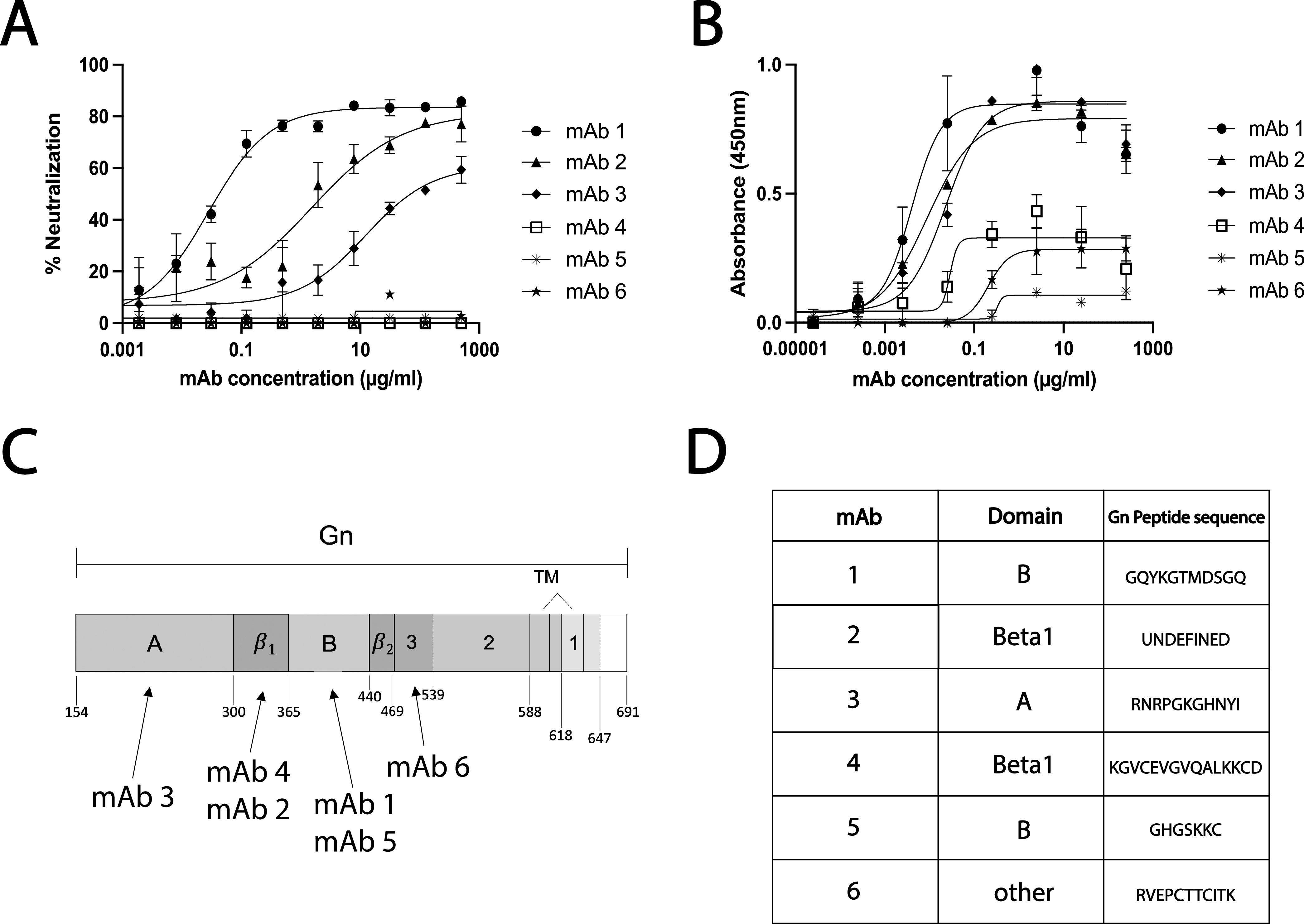
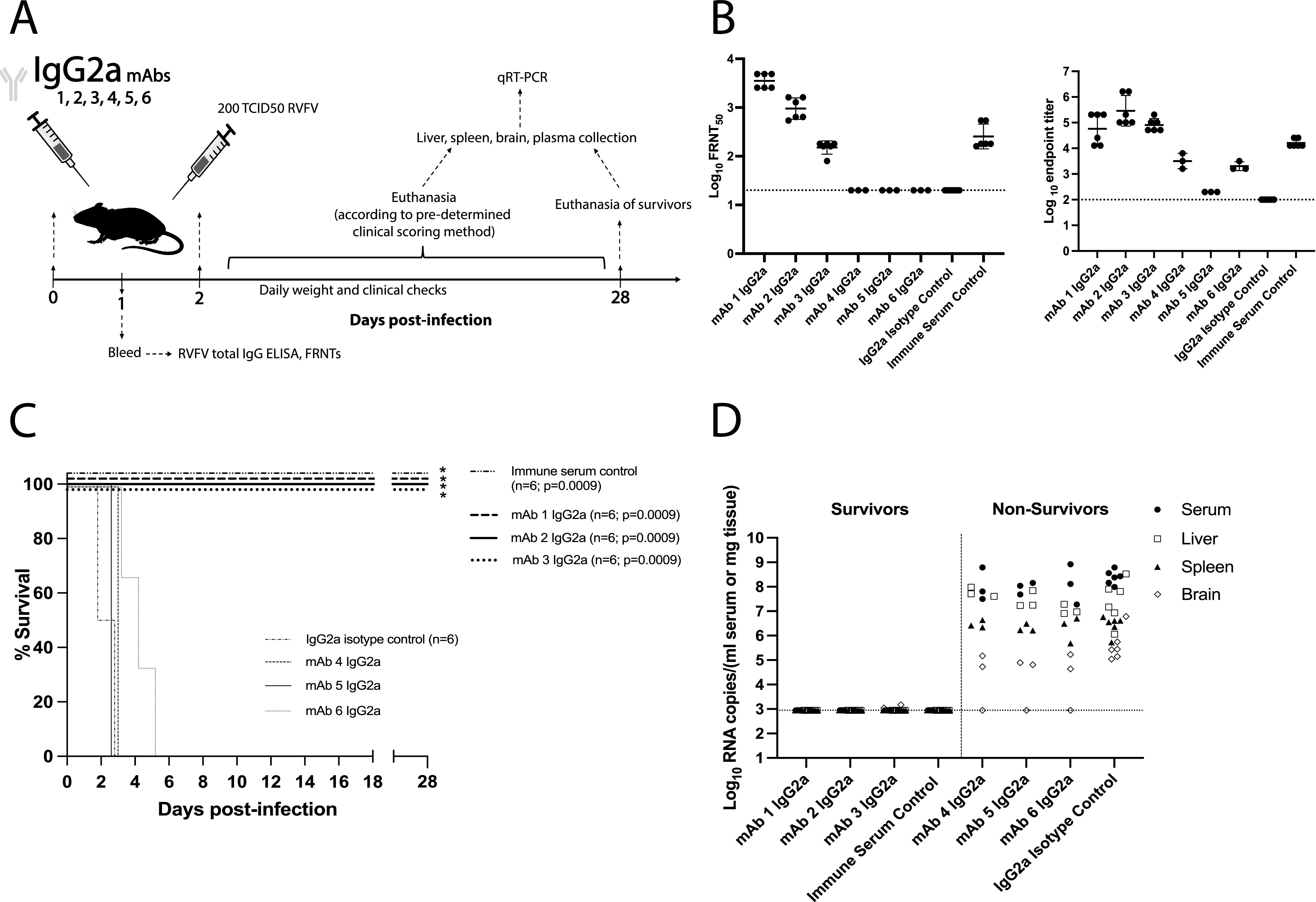
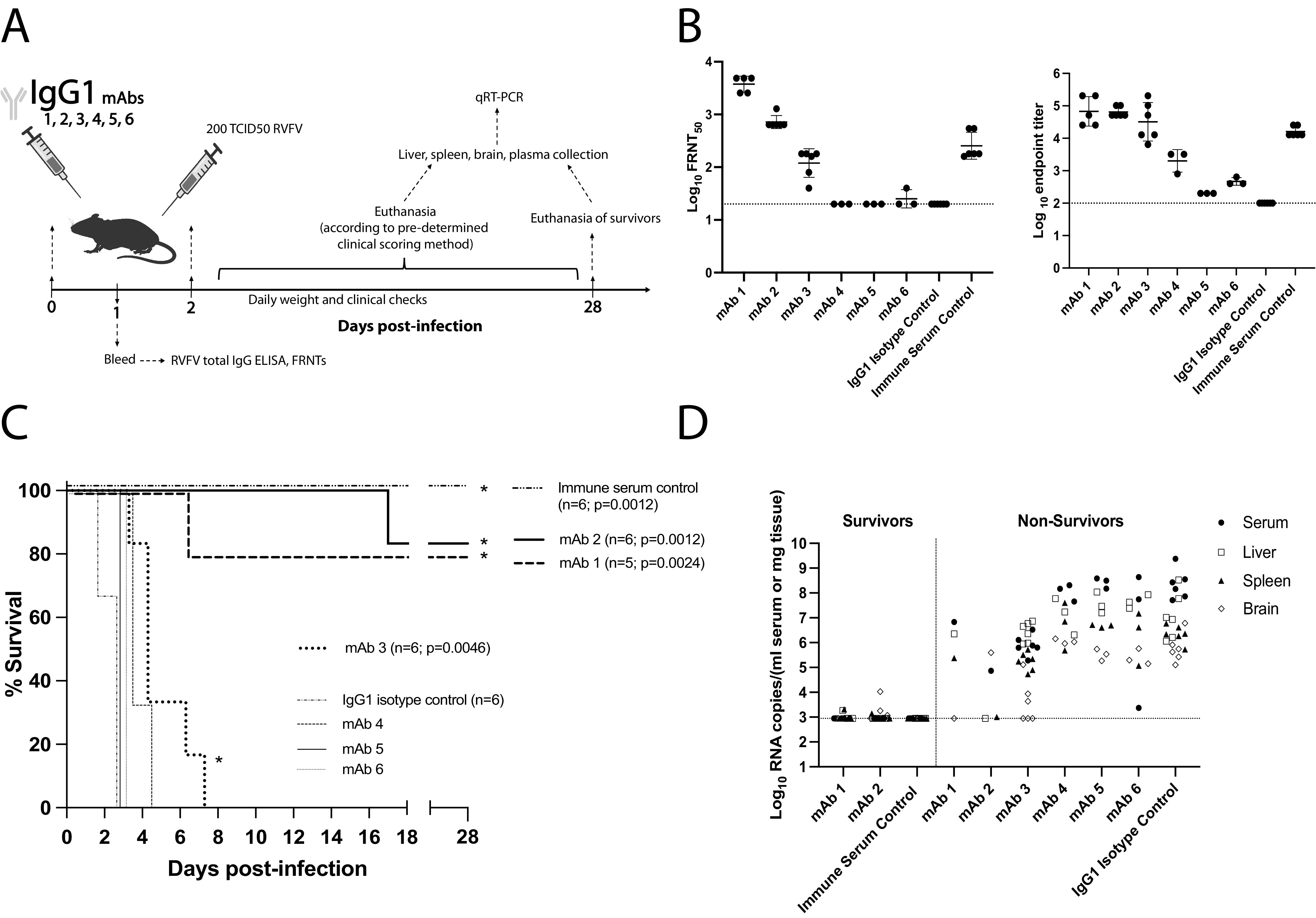
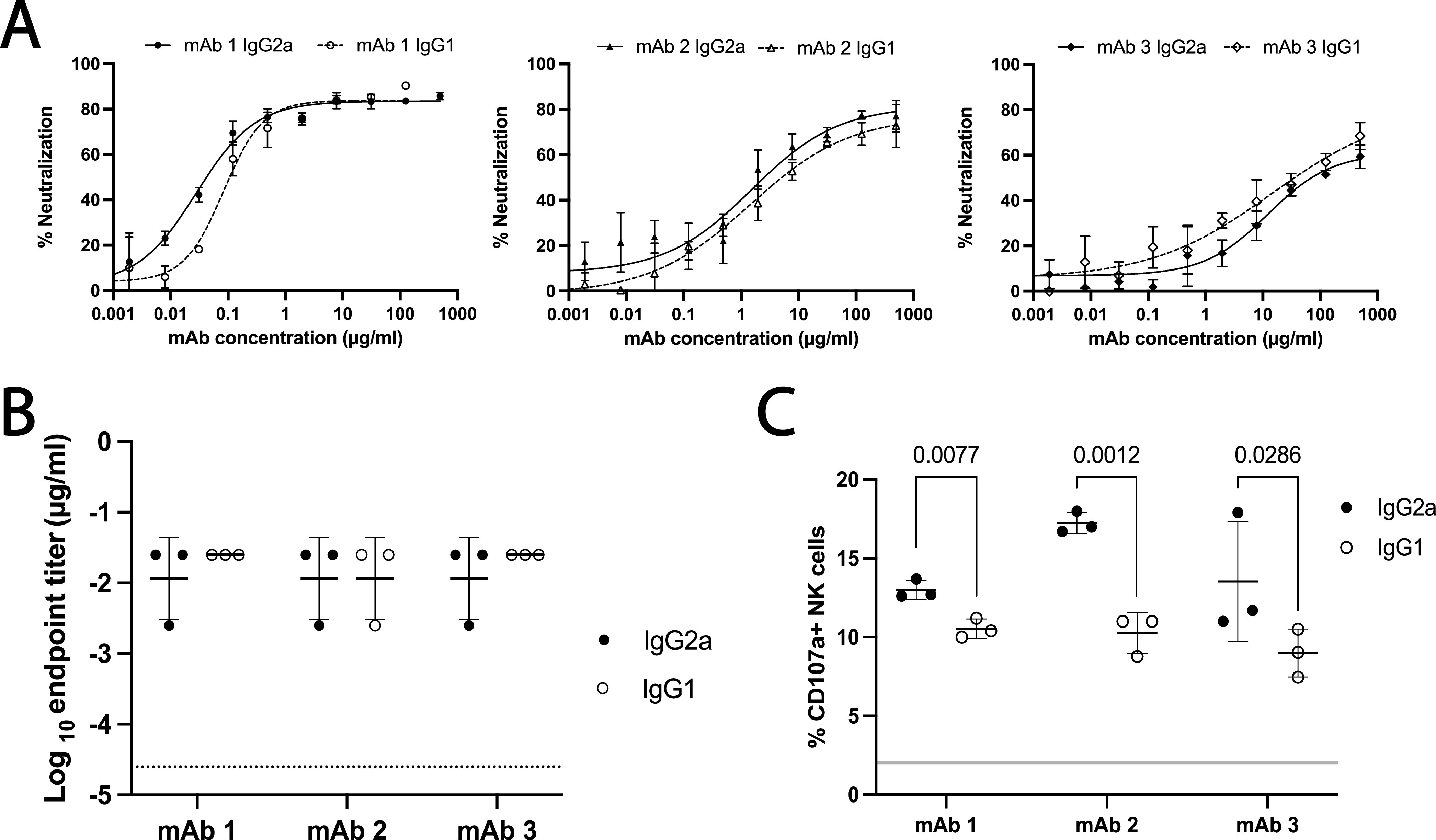
Discovered in 1931, Rift Valley fever virus (RVFV) is an arbovirus that causes disease in humans and livestock. In humans, disease ranges from a self-limiting febrile illness to a more severe hepatitis or encephalitis. There are currently no licensed human therapeutics for RVFV disease. Given the recent advances in the use of monoclonal antibodies (MAbs) for treating infectious disease, a panel of anti-RVFV Gn glycoprotein MAbs was developed and characterized. RVFV MAbs spanned a range of neutralizing abilities and mapped to distinct epitopes along Gn. The contribution of Fc effector functions in providing MAb-mediated protection from RVFV was assessed. IgG2a version MAbs had increased capacity to induce effector functions and conferred better protection from RVFV challenge in a lethal mouse model than IgG1 version MAbs. Overall, this study shows that Fc-mediated functions are a critical component of humoral protection from RVFV. Rift Valley fever virus (RVFV) is a mosquito-borne virus found throughout Africa and into the Middle East. It has a substantial disease burden; in areas of endemicity, up to 60% of adults are seropositive. With a case fatality rate of up to 3% and the ability to cause hemorrhagic fever and encephalitis, RVFV poses a serious threat to human health. Despite the known human disease burden and the fact that it is a NIAID category A priority pathogen and a WHO priority disease for research and development, there are no vaccines or therapeutics available for RVF. In this study, we developed and characterized a panel of monoclonal antibodies against the RVFV surface glycoprotein, Gn. We then demonstrated therapeutic efficacy in the prevention of RVF in an otherwise lethal mouse model. Finally, we revealed a role for Fc-mediated function in augmenting the protection provided by these antibodies.
裂谷热病毒(RVFV)于 1931 年被发现,是一种引起人类和牲畜疾病的虫媒病毒。在人类中,疾病的范围从自限性发热疾病到更严重的肝炎或脑炎。目前尚无针对 RVFV 疾病的许可人类治疗方法。鉴于最近在使用单克隆抗体(MAbs)治疗传染病方面的进展,开发并鉴定了一组针对 RVFV Gn 糖蛋白的抗 RVFV MAb。RVFV MAb 具有广泛的中和能力,并沿着 Gn 映射到不同的表位。评估了 Fc 效应功能在提供 MAb 介导的 RVFV 保护中的作用。与 IgG1 版本的 MAb 相比,IgG2a 版本的 MAb 具有增加的诱导效应功能的能力,并在致命的小鼠模型中提供了更好的 RVFV 攻击保护。总的来说,这项研究表明,Fc 介导的功能是 RVFV 体液保护的一个关键组成部分。
裂谷热病毒(RVFV)是一种通过蚊子传播的病毒,遍布非洲和中东地区。它有很大的疾病负担;在流行地区,高达 60%的成年人呈血清阳性。由于其病死率高达 3%,并且能够引起出血热和脑炎,RVFV 对人类健康构成严重威胁。尽管已知对人类疾病的负担,并且它是 NIAID 类别 A 优先病原体和世界卫生组织优先研究和开发的疾病,但目前尚无针对 RVF 的疫苗或治疗方法。在这项研究中,我们开发并鉴定了一组针对 RVFV 表面糖蛋白 Gn 的单克隆抗体。然后,我们在另一个致命的小鼠模型中证明了它们在预防 RVF 方面的治疗效果。最后,我们揭示了 Fc 介导的功能在增强这些抗体提供的保护中的作用。