Quality and Patient Safety Central Functional Unit, Gerència d'Atenció Primària Camp de Tarragona, Institut Català de la Salut, 43005 Tarragona, Spain.
Primary Health-Care Centre, Institut Català de la Salut, 43005 Tarragona, Spain.
Int J Environ Res Public Health. 2021 Aug 25;18(17):8941. doi: 10.3390/ijerph18178941.
(1) To describe the epidemiology of patient safety (PS) incidents registered in an electronic notification system in primary care (PC) health centres; (2) to define a risk map; and (3) to identify the critical areas where intervention is needed.
Descriptive analytical study of incidents reported from 1 January to 31 December 2018, on the TPSC Cloud™ platform (The Patient Safety Company) accessible from the corporate website (Intranet) of the regional public health service.
24 Catalan Institute of Health PC health centres of the Tarragona region (Spain).
Professionals from the PC health centres and a Patient Safety Functional Unit.
Data obtained from records voluntarily submitted to an electronic, standardised and anonymised form. Data recorded: healthcare unit, notifier, type of incident, risk matrix, causal and contributing factors, preventability, level of resolution and improvement actions.
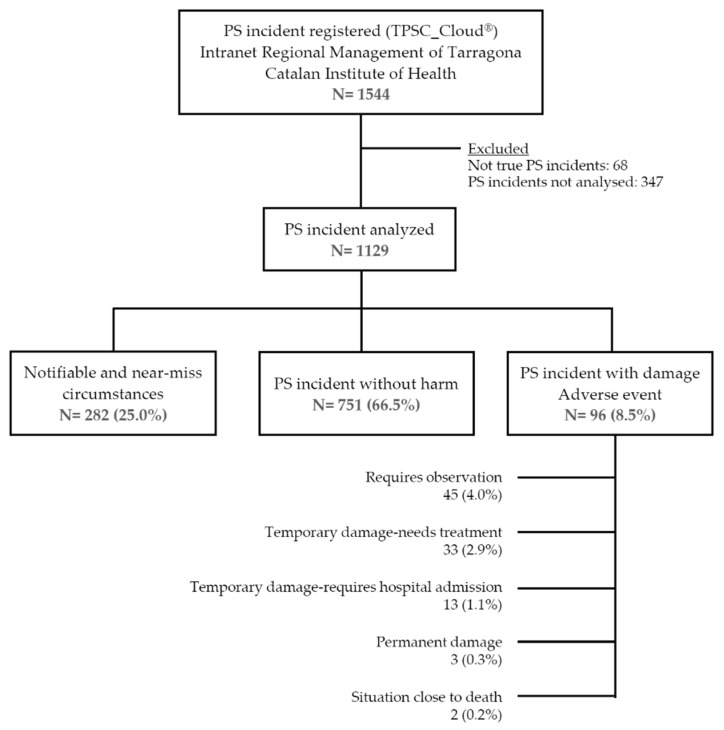
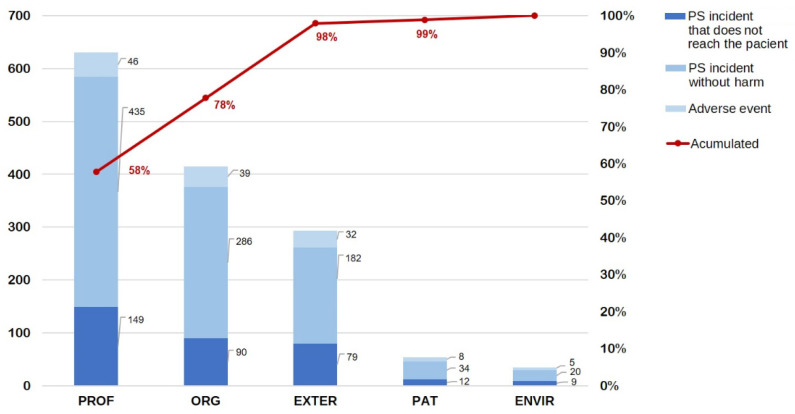
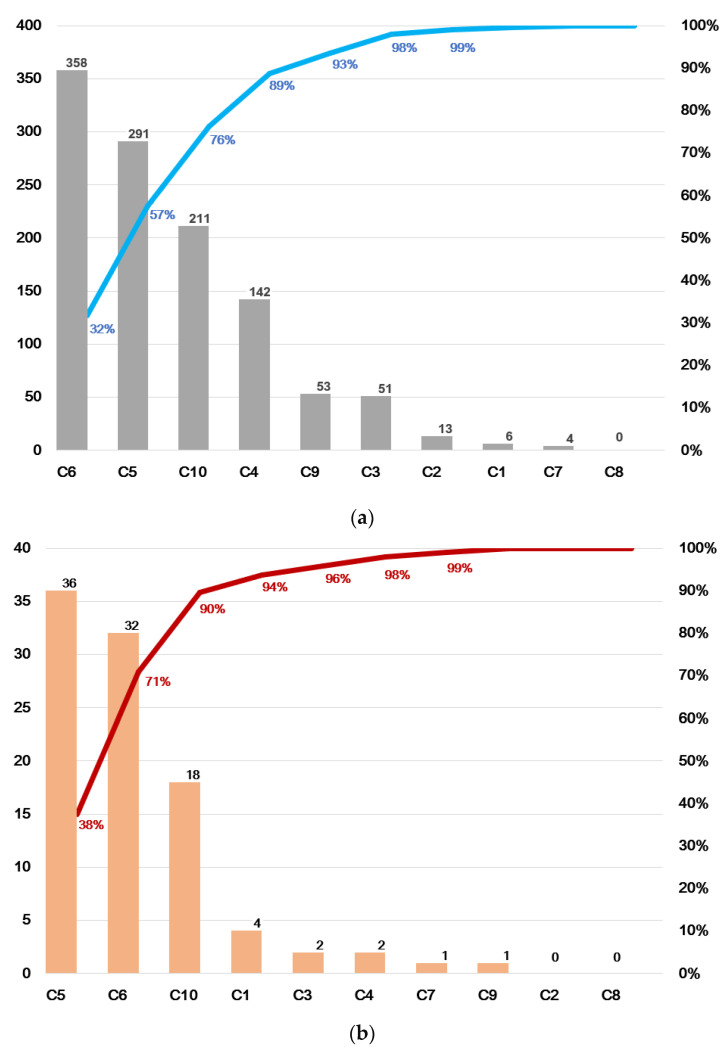
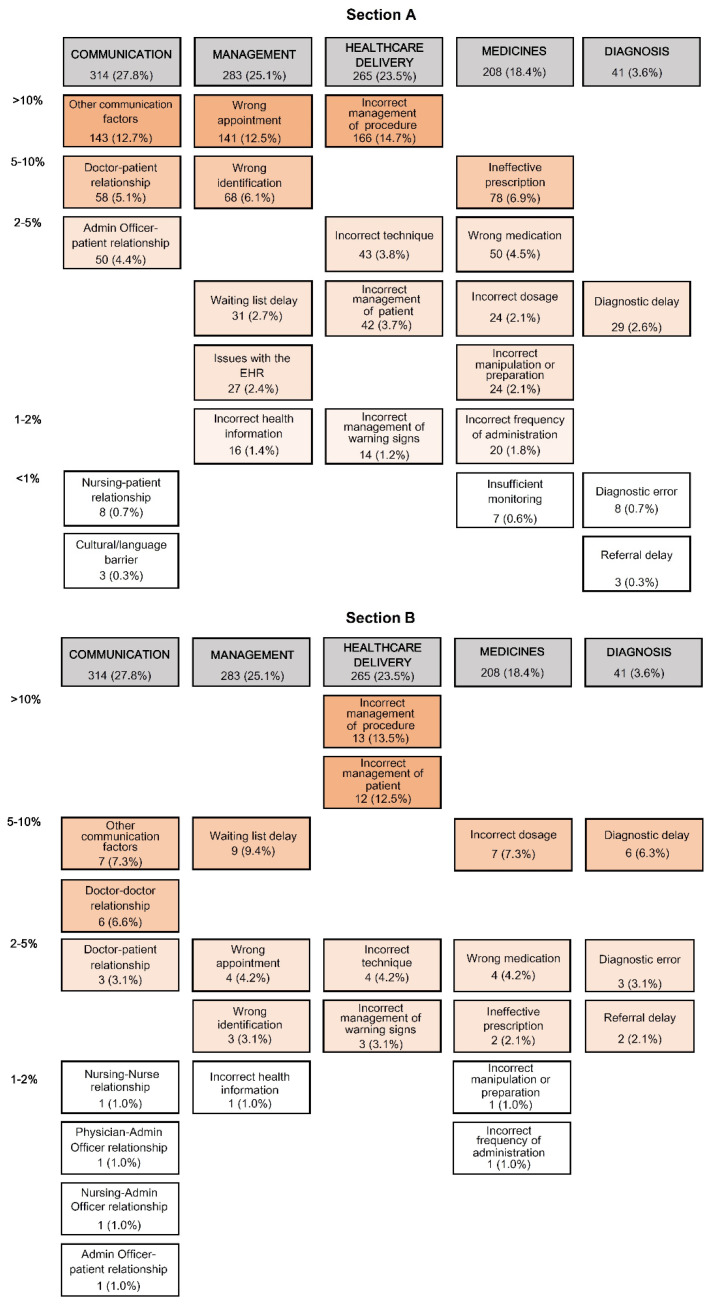
A total of 1544 reports were reviewed and 1129 PS incidents were analysed: 25.0% of incidents did not reach the patient; 66.5% reached the patient without causing harm, and 8.5% caused adverse events. Nurses provided half of the reports (48.5%), while doctors reported more adverse events (70.8%; < 0.01). Of the 96 adverse events, 46.9% only required observation, 34.4% caused temporary damage that required treatment, 13.5% required (or prolonged) hospitalization, and 5.2% caused severe permanent damage and/or a situation close to death. Notably, 99.2% were considered preventable. The main critical areas were: communication (27.8%), clinical-administrative management (25.1%), care delivery (23.5%) and medicines (18.4%); few incidents were related to diagnosis (3.6%).
PS incident notification applications are adequate for reporting incidents and adverse events associated with healthcare. Approximately 75% and 10% of incidents reach the patient and cause some damage, respectively, and most cases are considered preventable. Adequate and strengthened risk management of critical areas is required to improve PS.
(1)描述初级保健中心(PC)电子通知系统中登记的患者安全(PS)事件的流行病学;(2)定义风险图;(3)确定需要干预的关键领域。
对 2018 年 1 月 1 日至 12 月 31 日期间在 TPSC Cloud™平台(The Patient Safety Company)上报告的事件进行描述性分析研究,该平台可从区域公共卫生服务的公司网站(内部网)访问。
西班牙塔拉戈纳地区的 24 个加泰罗尼亚健康研究所 PC 保健中心。
来自 PC 保健中心和患者安全功能单元的专业人员。
从自愿提交给电子、标准化和匿名表格的记录中获得的数据。记录的数据:医疗单位、通知者、事件类型、风险矩阵、因果和促成因素、可预防、解决程度和改进措施。
共审查了 1544 份报告,分析了 1129 例 PS 事件:25.0%的事件未涉及患者;66.5%的事件未造成伤害,但患者已受影响,8.5%的事件造成不良事件。护士提供了一半的报告(48.5%),而医生报告的不良事件更多(70.8%;<0.01)。在 96 例不良事件中,46.9%仅需要观察,34.4%造成需要治疗的暂时损害,13.5%需要(或延长)住院治疗,5.2%造成严重的永久性损害和/或接近死亡的情况。值得注意的是,99.2%被认为是可以预防的。主要的关键领域是:沟通(27.8%)、临床管理(25.1%)、护理提供(23.5%)和药物(18.4%);只有少数事件与诊断有关(3.6%)。
PS 事件通知应用程序适合报告与医疗保健相关的事件和不良事件。大约 75%和 10%的事件分别到达患者并造成一定的损害,大多数情况被认为是可以预防的。需要加强对关键领域的适当风险管理,以提高 PS。