Department of Landscape Architecture, Chung Yuan Christian University, Taoyuan City 32023, Taiwan.
Liberal Arts Center/Department of Nursing, Da-Yeh University, Changhua 51591, Taiwan.
Int J Environ Res Public Health. 2021 Aug 26;18(17):9012. doi: 10.3390/ijerph18179012.
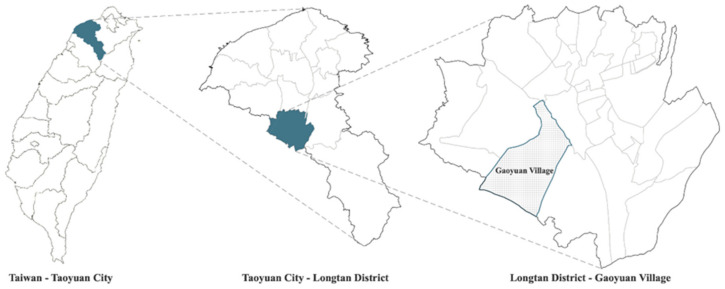
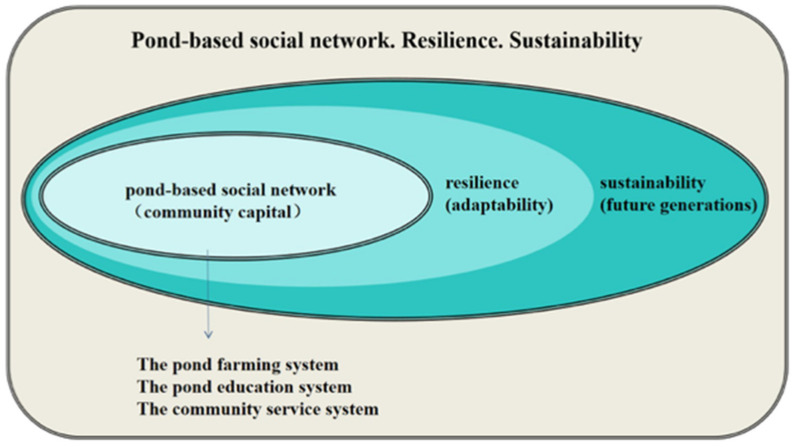
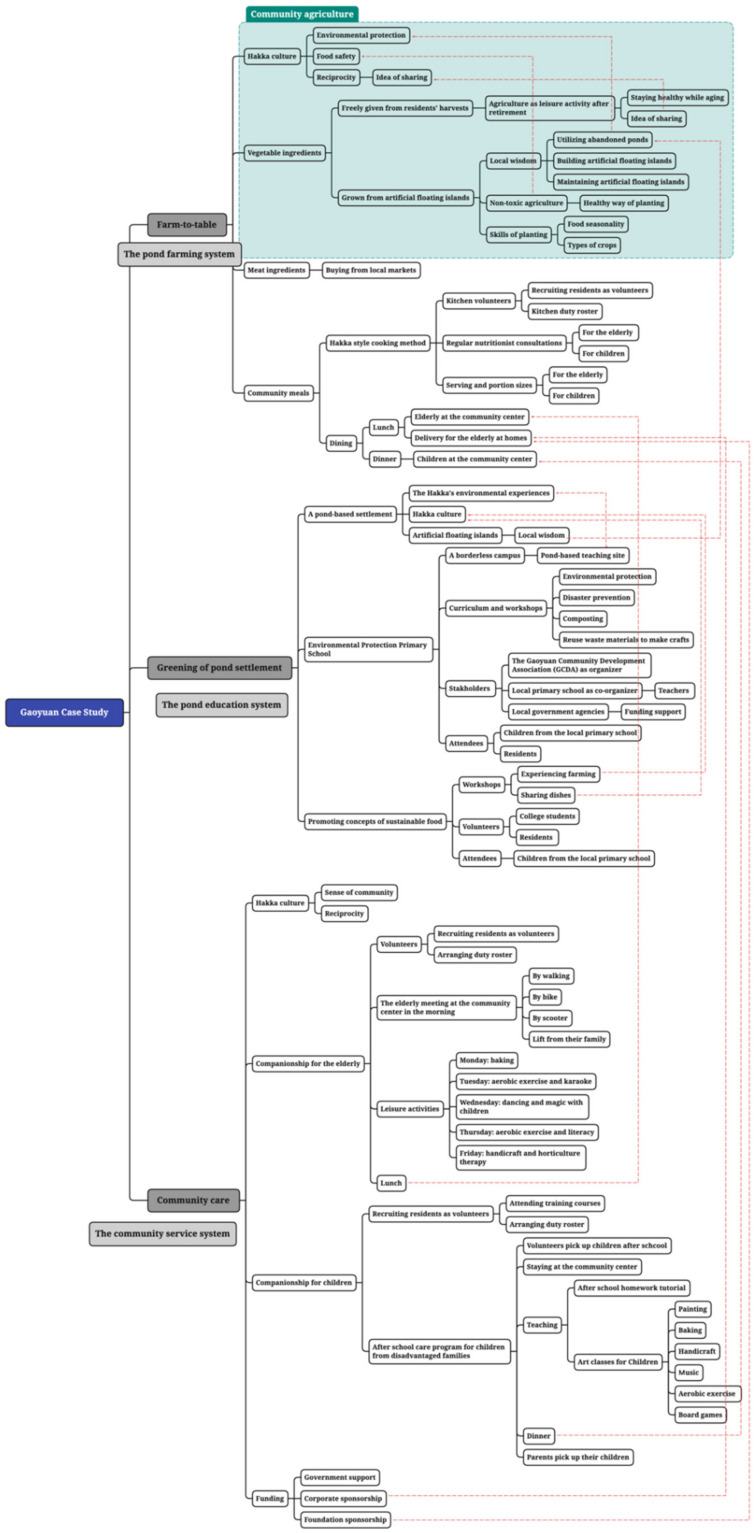
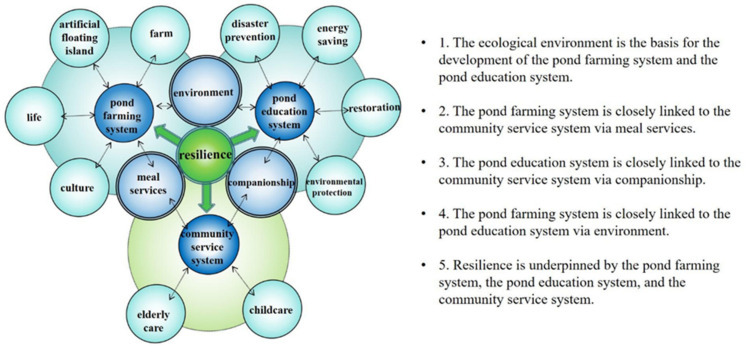
Developing community capital is widely viewed as a way to address community resilience-related issues toward sustainability. Based on a Taiwanese, peri-urban, Hakka settlement, this article presents findings on the practical factors in the development of community capital via farm-to-table and community care, and their implications for a resilient, healthy community. It shows that community capital arising from the pond farming, pond education, and community service systems can interact to support its diversity and linkability. The pond-based social network is identified as the key to mitigating the impacts of community challenges regarding food safety concerns, environmental degradation, and aging population. It argues that the pond-based food landscape, communal network, and a borderless campus can enhance community capital as well as play significant parts in achieving community sustainability by promoting residents' health and well-being.
发展社区资本被广泛认为是解决社区韧性相关问题以实现可持续性的一种方式。本文以台湾近郊的客家聚落为例,介绍了通过从农场到餐桌和社区关怀来发展社区资本的实际因素,以及它们对有韧性、健康社区的意义。研究表明,源于池塘养殖、池塘教育和社区服务系统的社区资本可以相互作用,支持其多样性和连接性。基于池塘的社会网络被确定为减轻社区面临的食品安全问题、环境恶化和人口老龄化等挑战影响的关键。本文认为,基于池塘的食物景观、公共网络和无边界校园可以增强社区资本,并通过促进居民的健康和福祉,在实现社区可持续性方面发挥重要作用。