Department of Pharmacology & Cancer Biology, Duke University, Durham, NC, USA.
Integrative Biology & Pharmacology, McGovern Medical School, University of Texas Health Science Center, Houston, TX, USA.
Nat Commun. 2021 Sep 9;12(1):5248. doi: 10.1038/s41467-021-25523-5.
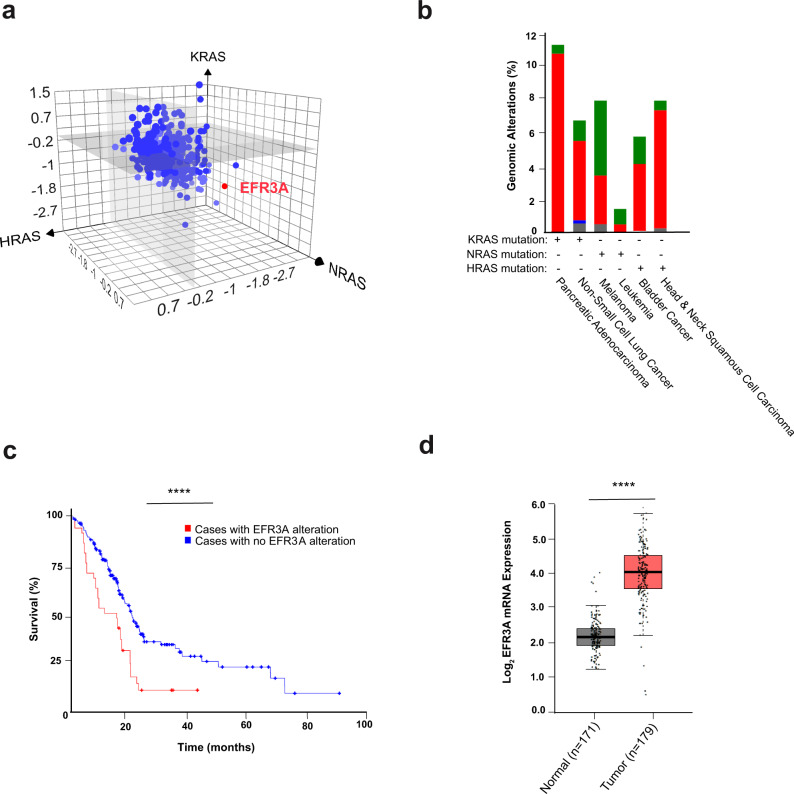
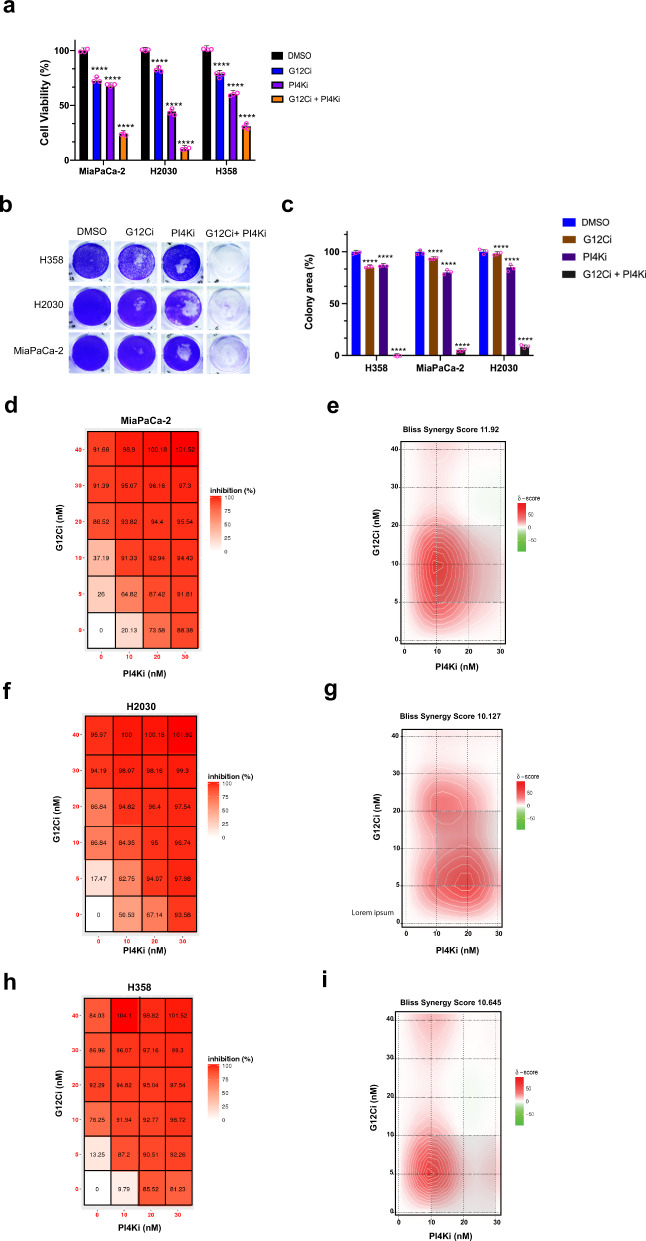
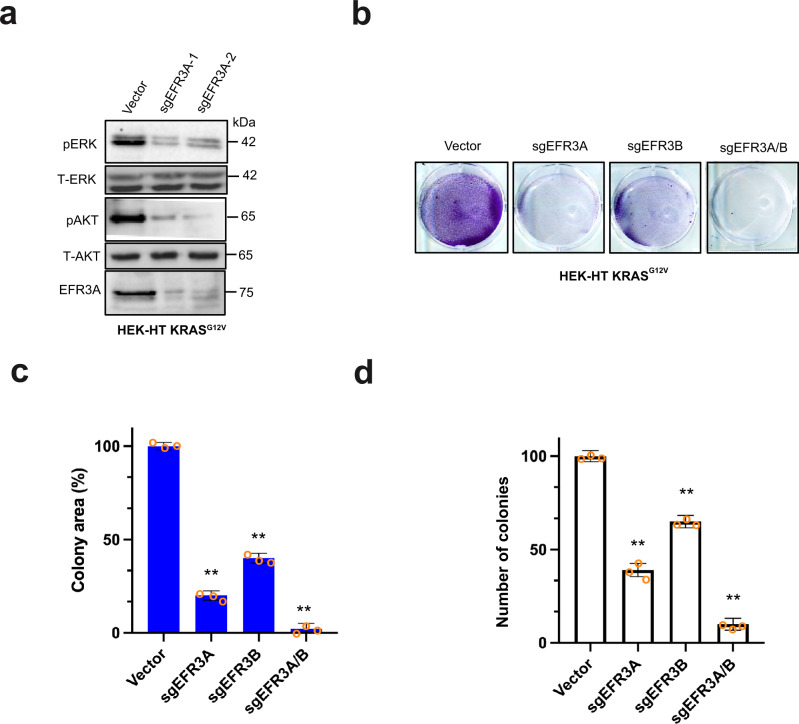
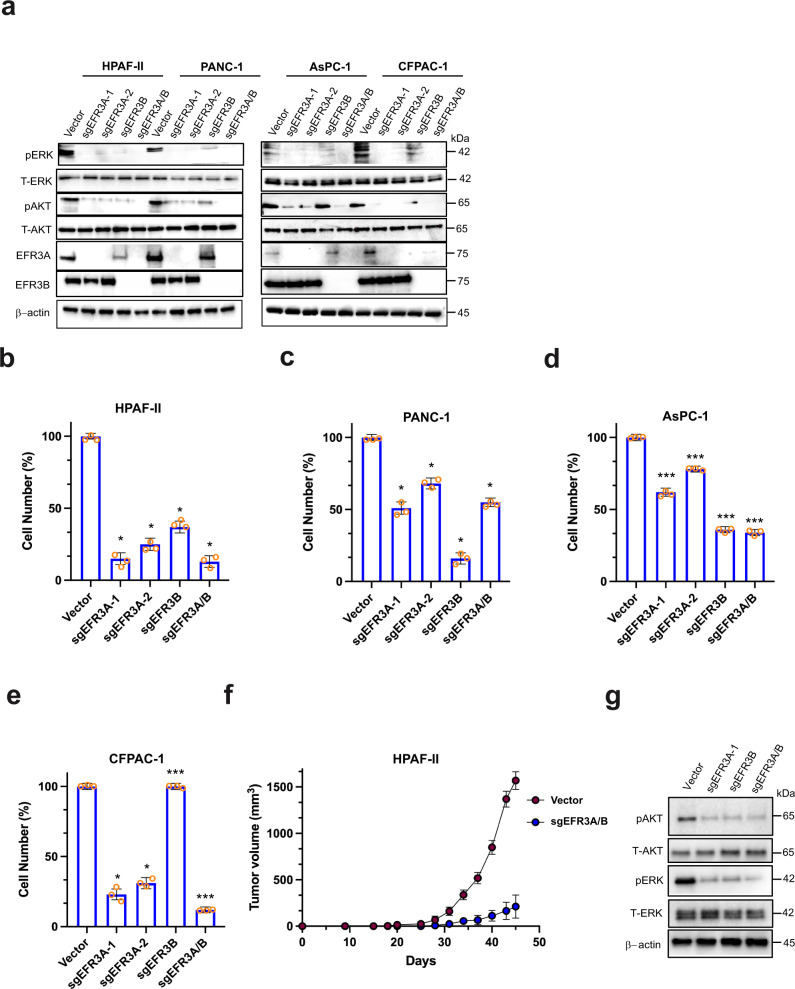
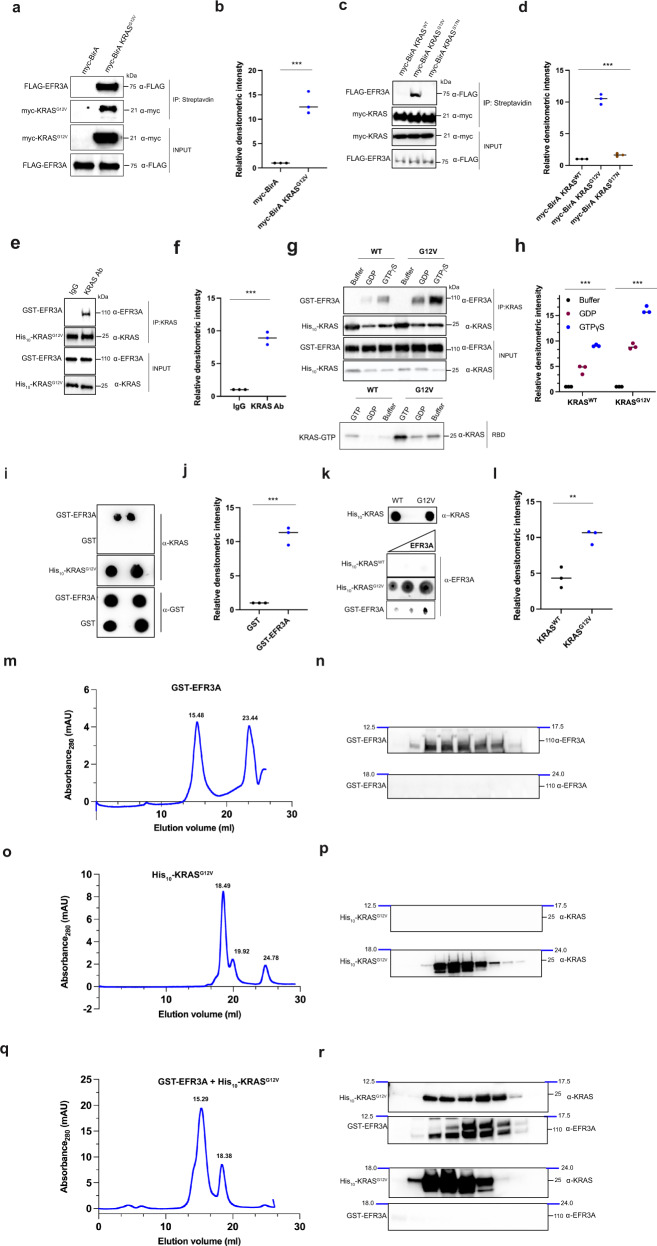
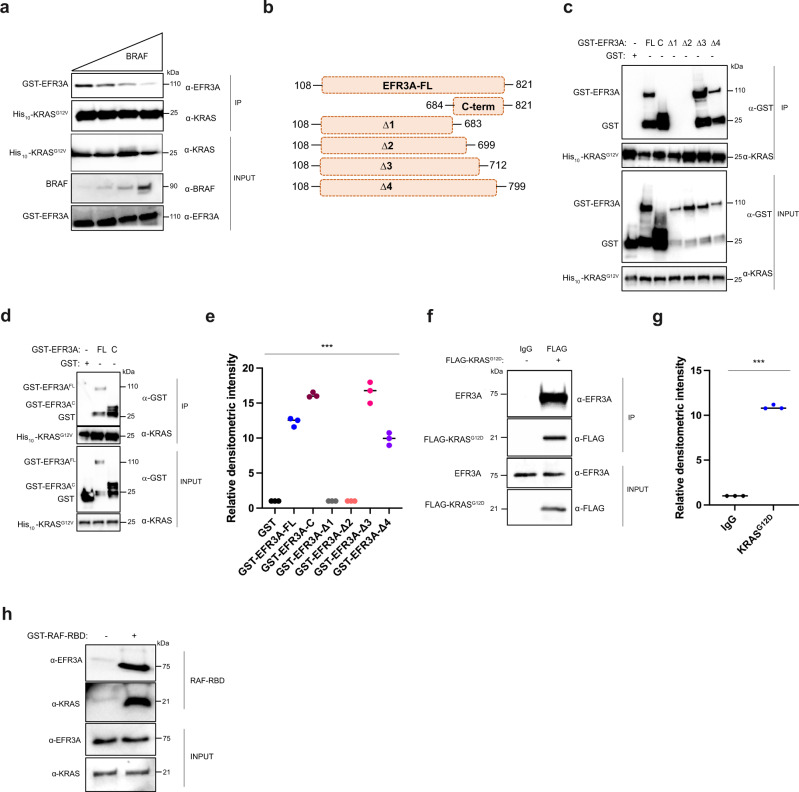
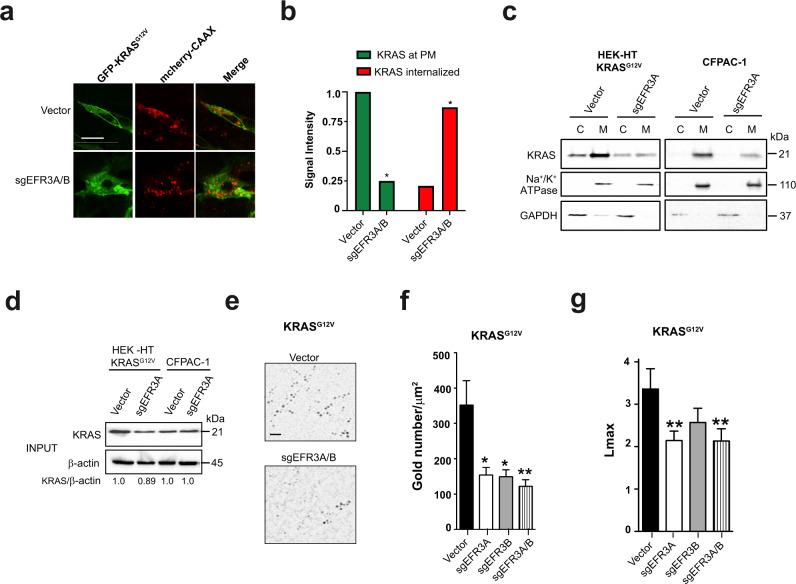
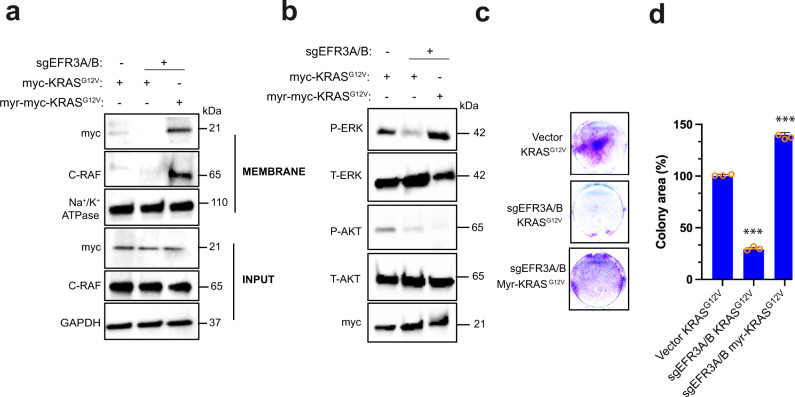
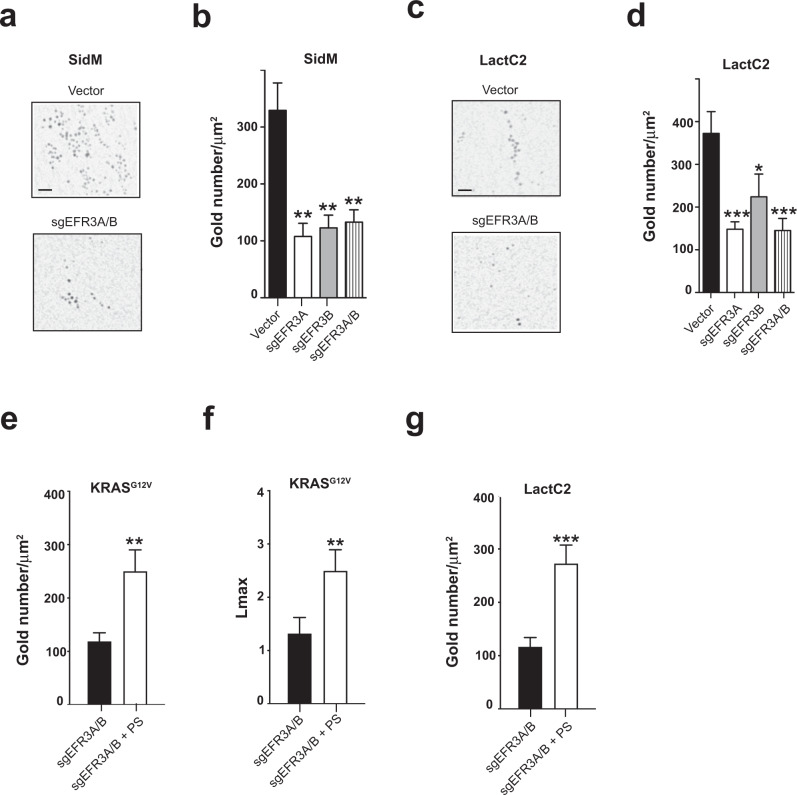
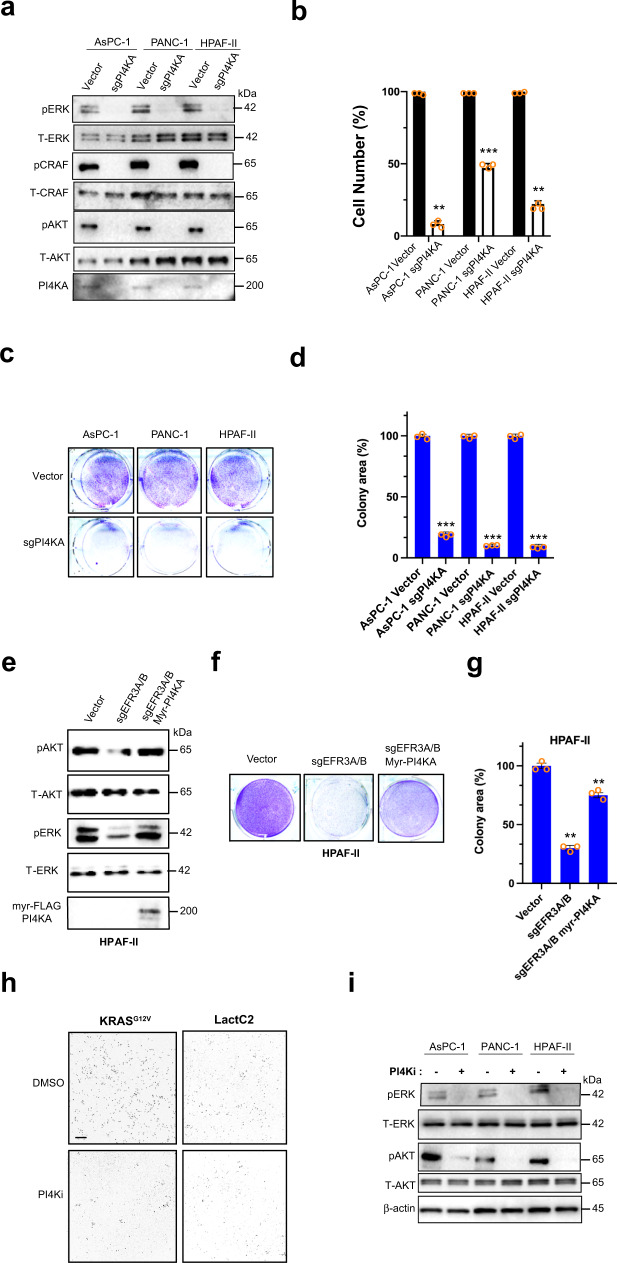
The HRAS, NRAS, and KRAS genes are collectively mutated in a fifth of all human cancers. These mutations render RAS GTP-bound and active, constitutively binding effector proteins to promote signaling conducive to tumorigenic growth. To further elucidate how RAS oncoproteins signal, we mined RAS interactomes for potential vulnerabilities. Here we identify EFR3A, an adapter protein for the phosphatidylinositol kinase PI4KA, to preferentially bind oncogenic KRAS. Disrupting EFR3A or PI4KA reduces phosphatidylinositol-4-phosphate, phosphatidylserine, and KRAS levels at the plasma membrane, as well as oncogenic signaling and tumorigenesis, phenotypes rescued by tethering PI4KA to the plasma membrane. Finally, we show that a selective PI4KA inhibitor augments the antineoplastic activity of the KRAS inhibitor sotorasib, suggesting a clinical path to exploit this pathway. In sum, we have discovered a distinct KRAS signaling axis with actionable therapeutic potential for the treatment of KRAS-mutant cancers.
HRAS、NRAS 和 KRAS 基因在所有人类癌症的五分之一中发生突变。这些突变使 RAS 与 GTP 结合并处于活性状态,持续结合效应蛋白以促进有利于致癌生长的信号传导。为了进一步阐明 RAS 癌蛋白如何发出信号,我们挖掘了 RAS 相互作用组以寻找潜在的弱点。在这里,我们确定了 EFR3A,一种磷酸肌醇激酶 PI4KA 的衔接蛋白,它优先与致癌性 KRAS 结合。破坏 EFR3A 或 PI4KA 会降低质膜上的磷脂酰肌醇-4-磷酸、磷脂酰丝氨酸和 KRAS 水平,以及致癌信号和肿瘤发生,这些表型可通过将 PI4KA 固定在质膜上来挽救。最后,我们表明,选择性 PI4KA 抑制剂增强了 KRAS 抑制剂索托拉西布的抗肿瘤活性,这表明了利用该途径的临床途径。总之,我们发现了一个独特的 KRAS 信号轴,具有治疗 KRAS 突变型癌症的可行治疗潜力。