Division of Gastroenterology and Hepatology, Stanford University School of Medicine, Stanford, CA, USA.
Division of Oncology, Department of Medicine and Department of Pathology, Stanford University School of Medicine, Stanford, CA, USA.
Nat Rev Clin Oncol. 2022 Jan;19(1):23-36. doi: 10.1038/s41571-021-00549-2. Epub 2021 Sep 10.
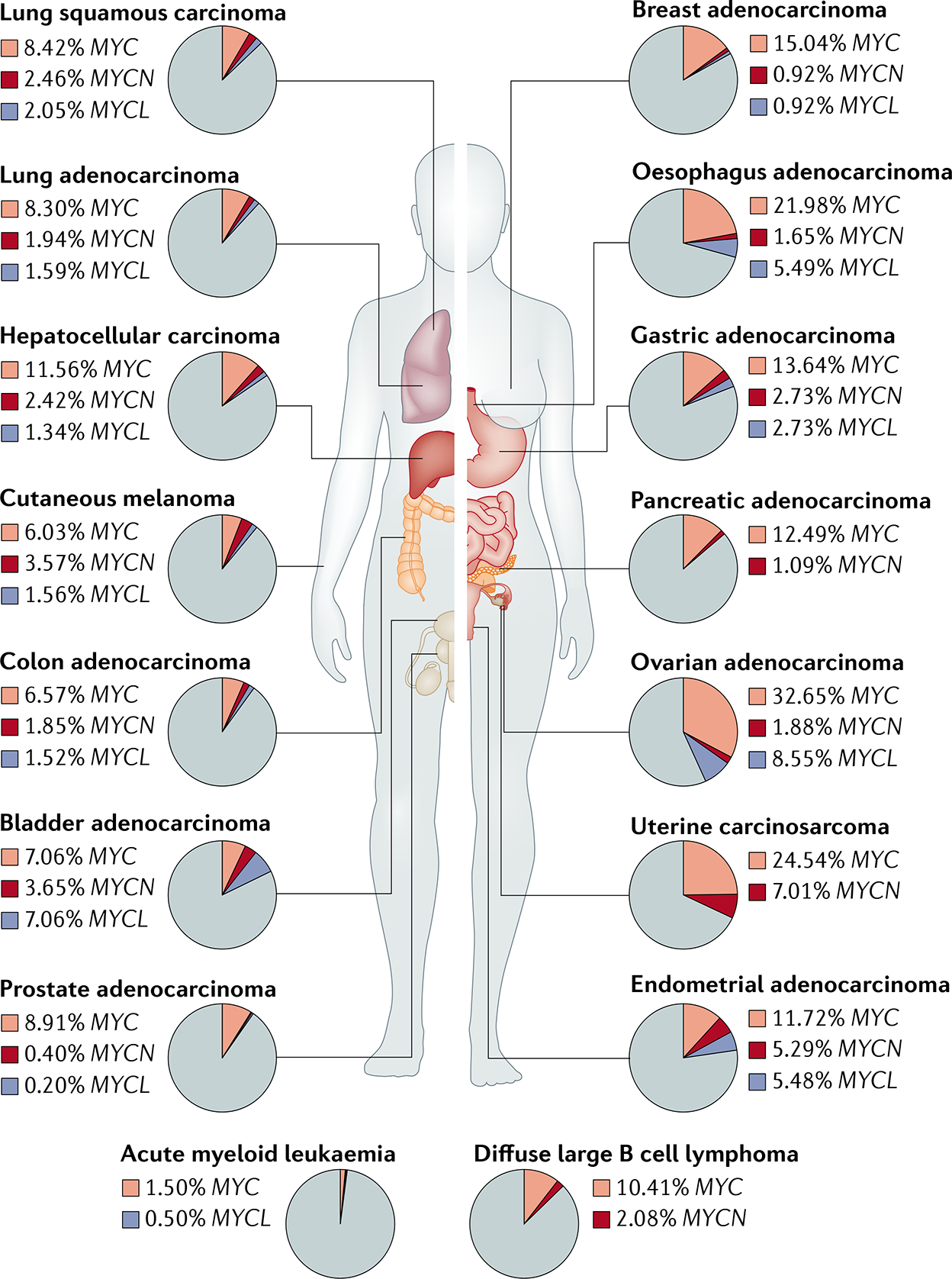
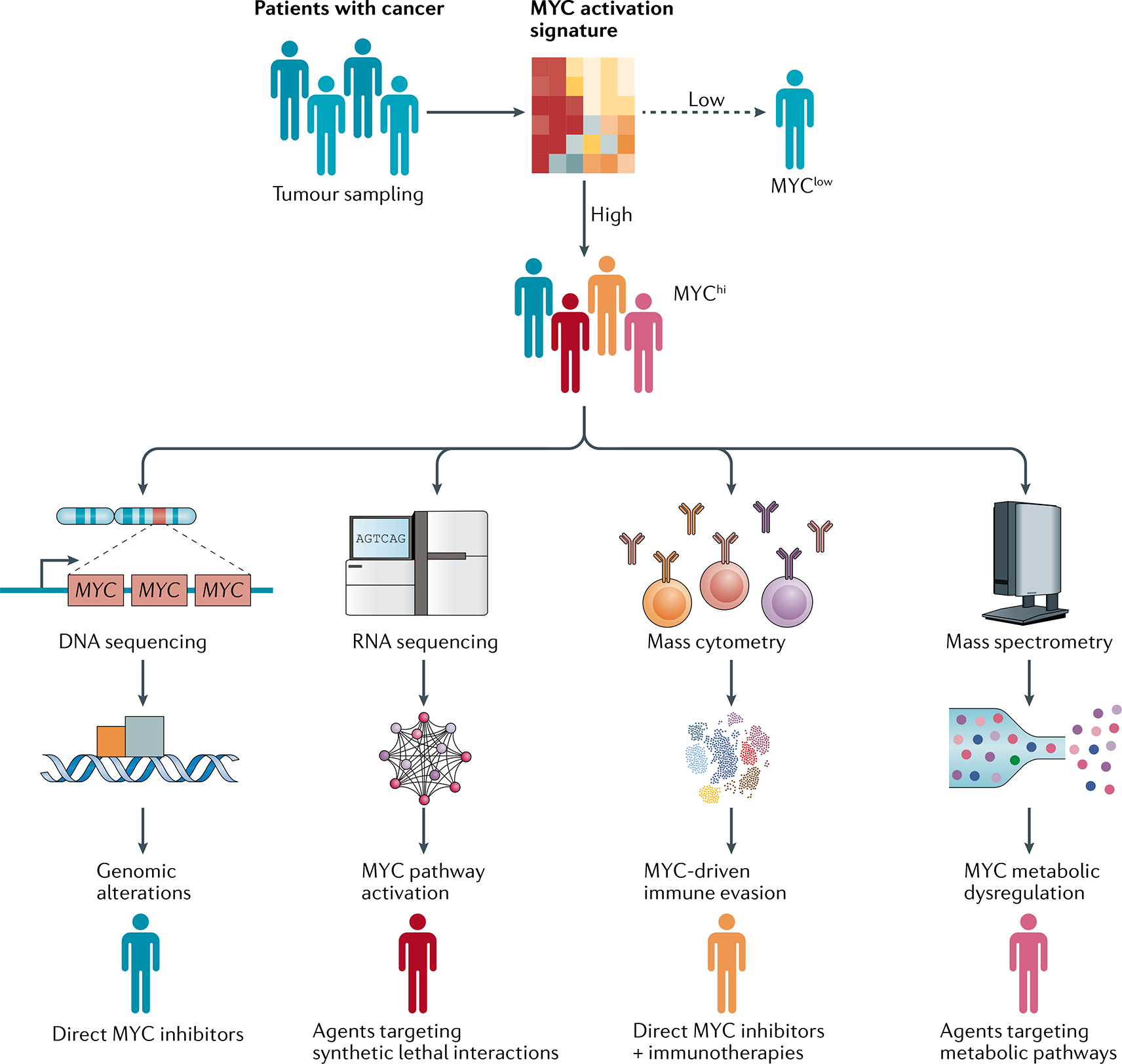
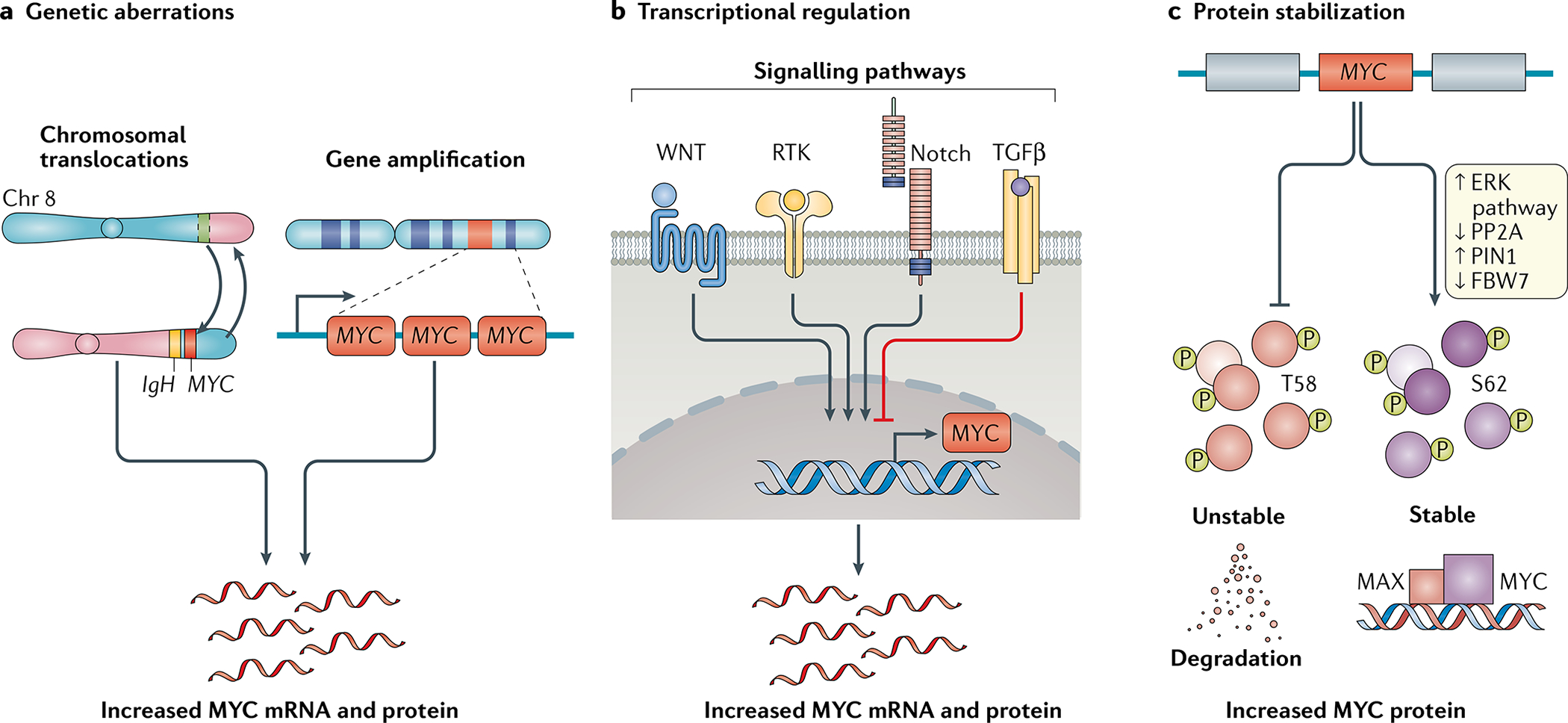
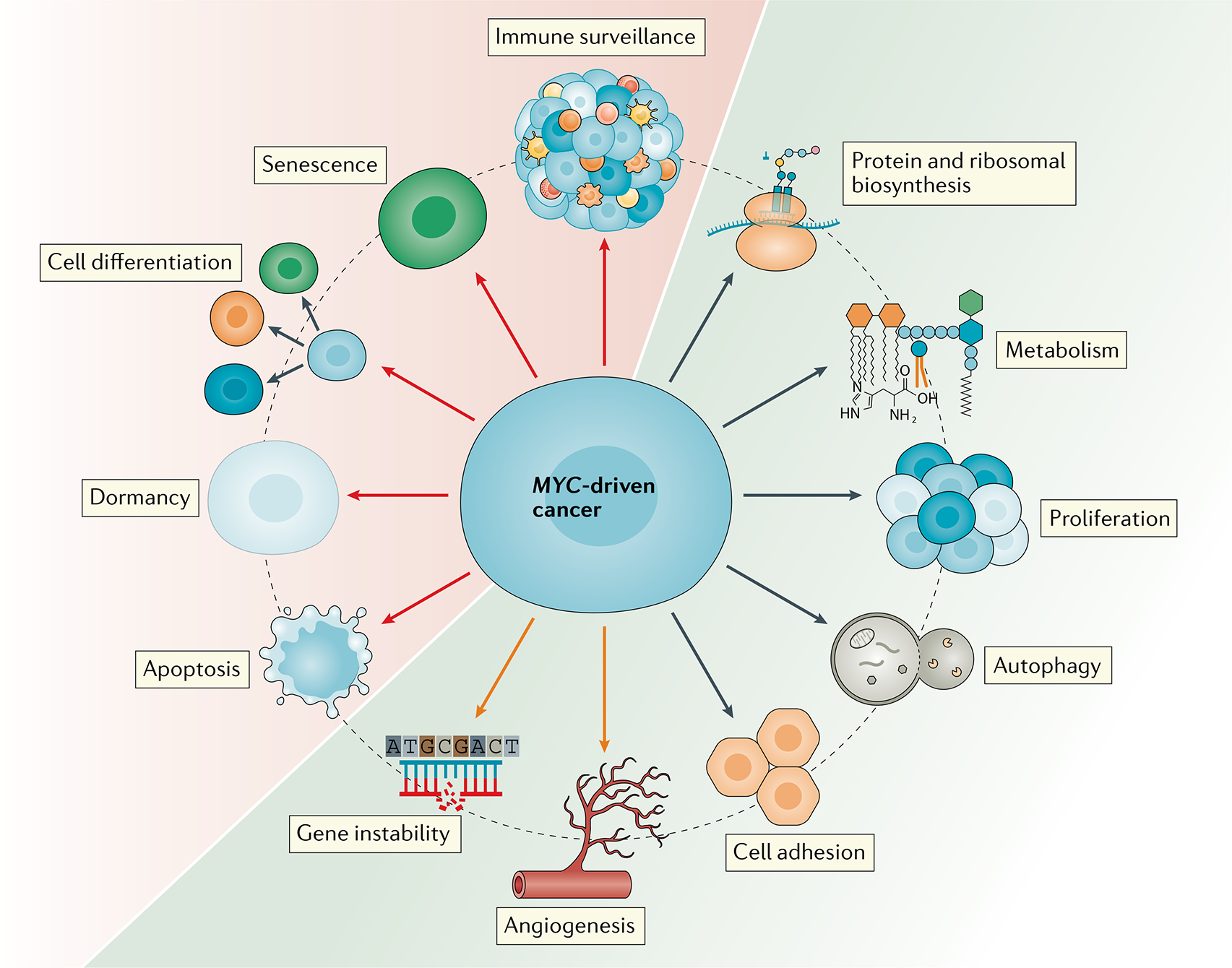
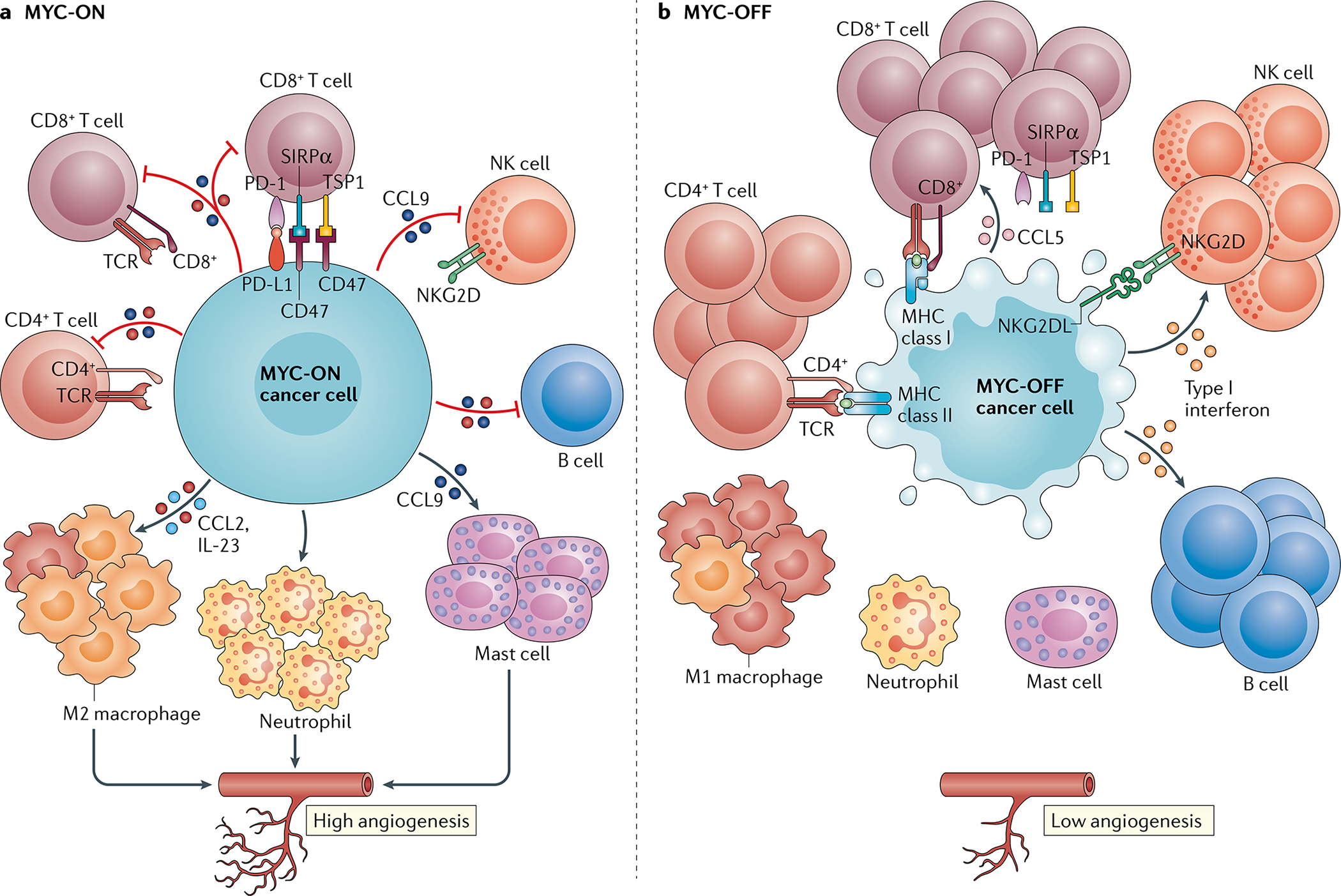
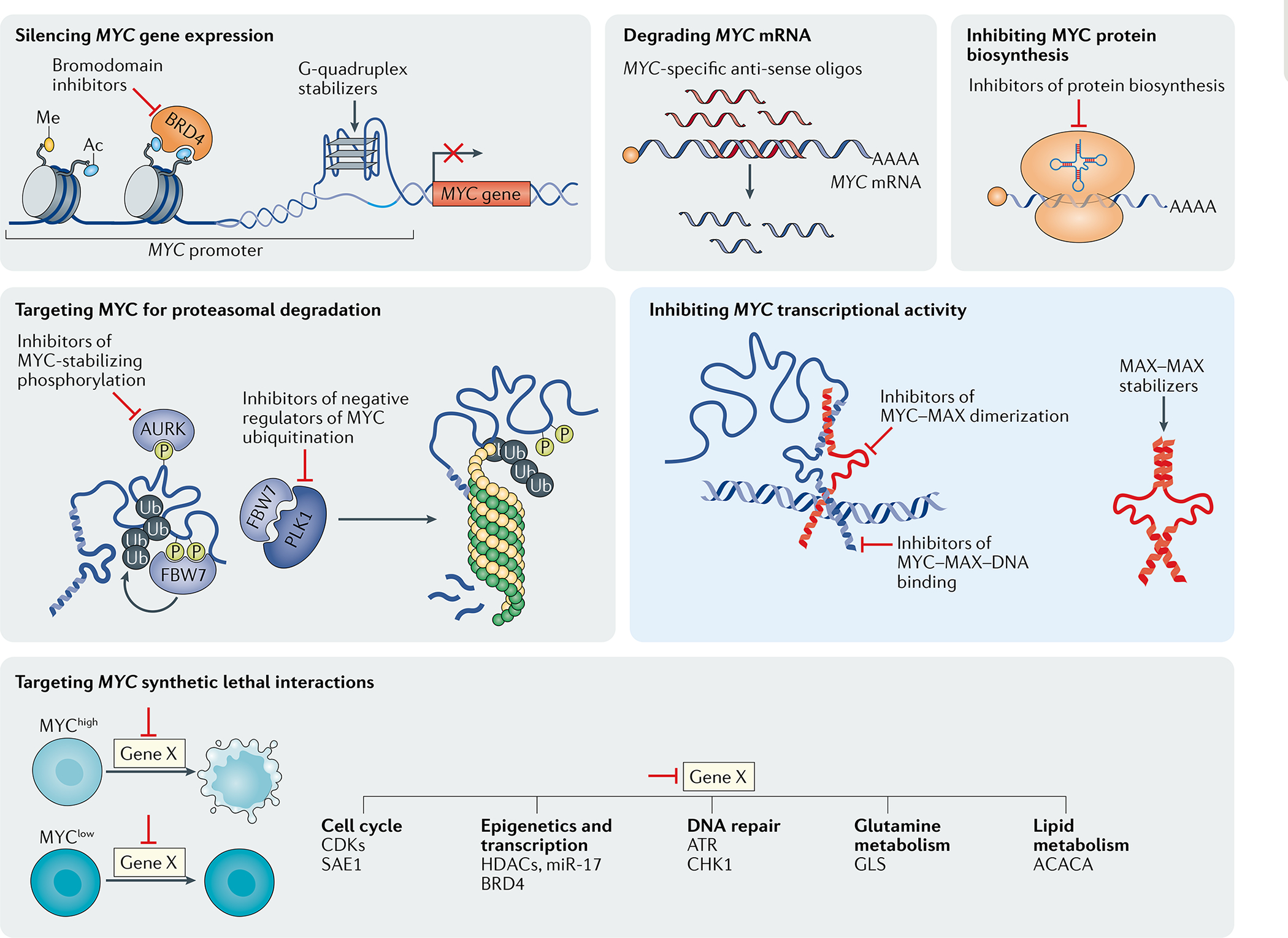
The MYC proto-oncogenes encode a family of transcription factors that are among the most commonly activated oncoproteins in human neoplasias. Indeed, MYC aberrations or upregulation of MYC-related pathways by alternate mechanisms occur in the vast majority of cancers. MYC proteins are master regulators of cellular programmes. Thus, cancers with MYC activation elicit many of the hallmarks of cancer required for autonomous neoplastic growth. In preclinical models, MYC inactivation can result in sustained tumour regression, a phenomenon that has been attributed to oncogene addiction. Many therapeutic agents that directly target MYC are under development; however, to date, their clinical efficacy remains to be demonstrated. In the past few years, studies have demonstrated that MYC signalling can enable tumour cells to dysregulate their microenvironment and evade the host immune response. Herein, we discuss how MYC pathways not only dictate cancer cell pathophysiology but also suppress the host immune response against that cancer. We also propose that therapies targeting the MYC pathway will be key to reversing cancerous growth and restoring antitumour immune responses in patients with MYC-driven cancers.
原癌基因 MYC 编码一组转录因子,它们是人类肿瘤中最常见的激活致癌蛋白之一。事实上,MYC 异常或通过其他机制上调 MYC 相关途径在绝大多数癌症中发生。MYC 蛋白是细胞程序的主要调节剂。因此,激活 MYC 的癌症会引发许多自主肿瘤生长所需的癌症特征。在临床前模型中,MYC 失活可导致肿瘤持续消退,这种现象归因于致癌基因成瘾。许多直接针对 MYC 的治疗药物正在开发中;然而,迄今为止,它们的临床疗效仍有待证明。在过去的几年中,研究表明 MYC 信号通路不仅可以使肿瘤细胞失调其微环境并逃避宿主免疫反应。在此,我们讨论了 MYC 通路不仅如何决定癌细胞的病理生理学,还如何抑制宿主对该癌症的免疫反应。我们还提出,针对 MYC 通路的治疗方法将是逆转癌症生长和恢复 MYC 驱动的癌症患者抗肿瘤免疫反应的关键。