Department of Chemical, Biological, Pharmaceutical and Environmental Sciences, University of Messina, Messina, Italy.
CNR-ISTEC, Institute of Science and Technology for Ceramics, National Research Council of Italy, Faenza, RA, Italy.
Int J Nanomedicine. 2021 Aug 31;16:5981-6002. doi: 10.2147/IJN.S321329. eCollection 2021.
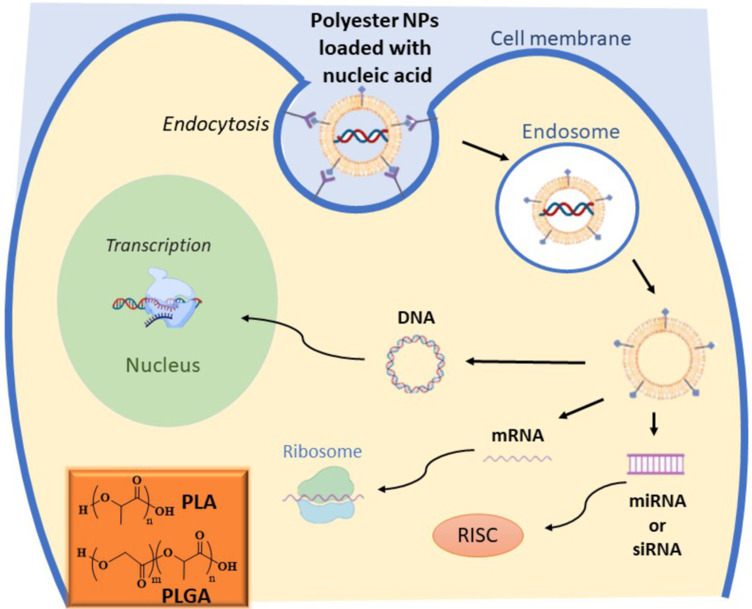
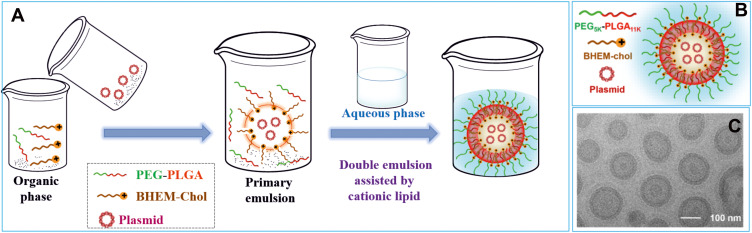
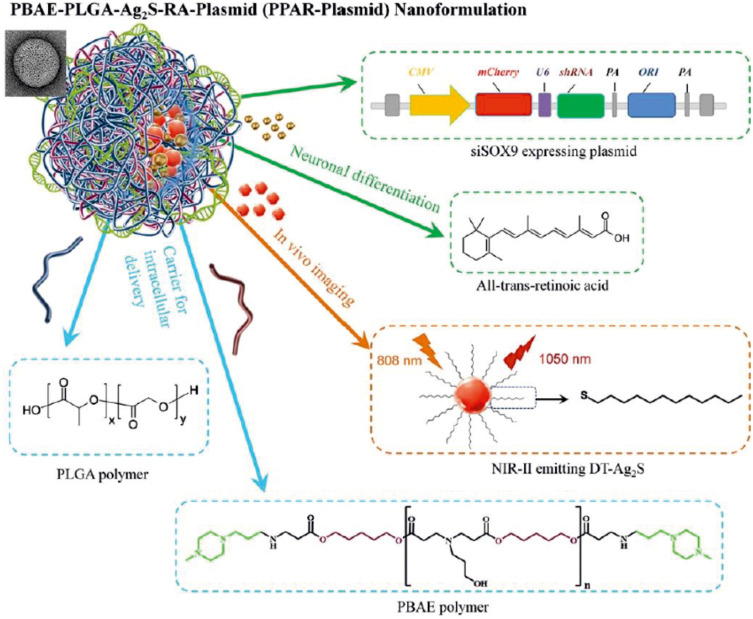
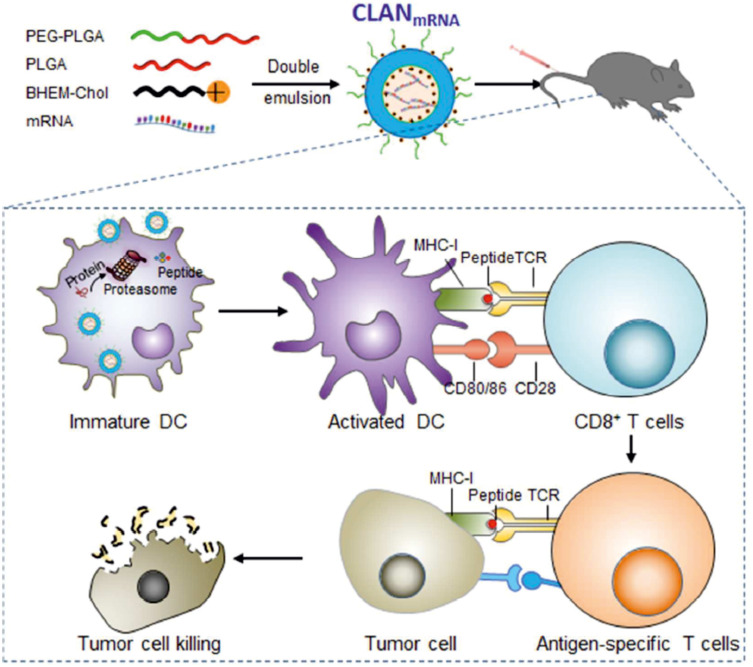
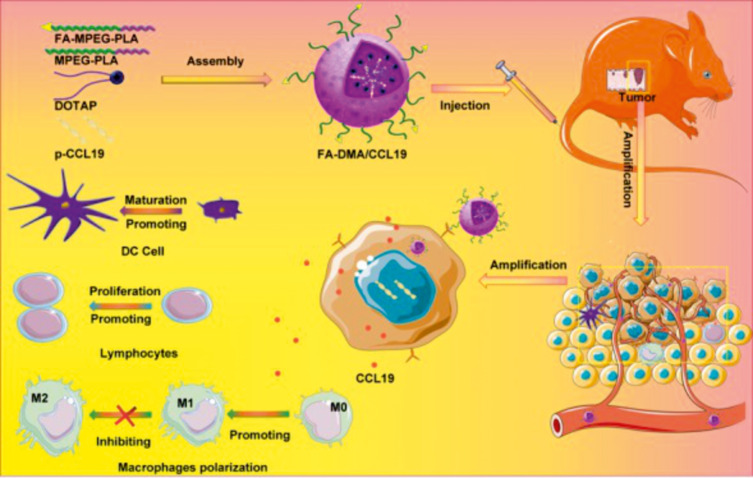
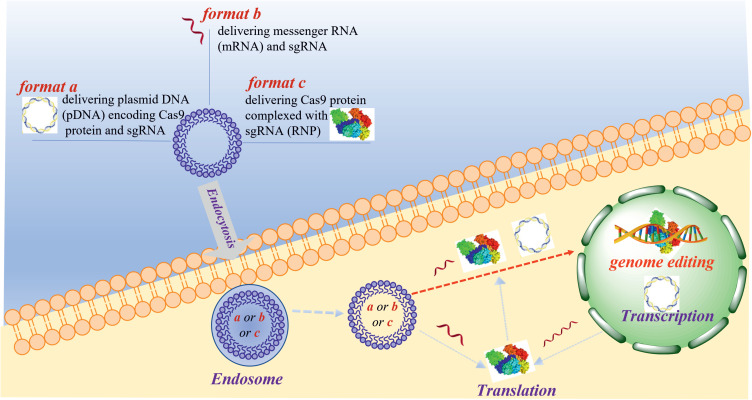
Gene therapy is a promising approach for the treatment of several diseases, such as chronic or viral infections, inherited disorders, and cancer. The cellular internalization of exogenous nucleic acids (NA) requires efficient delivery vehicles to overcome their inherent pharmacokinetic drawbacks, e.g. electrostatic repulsions, enzymatic degradation, limited cellular uptake, fast clearance, etc. Nanotechnological advancements have enabled the use of polymer-based nanostructured biomaterials as safe and effective gene delivery systems, in addition to viral vector delivery methods. Among the plethora of polymeric nanoparticles (NPs), this review will provide a comprehensive and in-depth summary of the polyester-based nanovehicles, including poly(lactic-co-glycolic acid) (PLGA) and polylactic acid (PLA) NPs, used to deliver a variety of foreign NA, e.g. short interfering RNA (siRNA), messenger RNA (mRNA), and plasmid DNA (pDNA). The article will review the versatility of polyester-based nanocarriers including their recent application in the delivery of the clustered, regularly-interspaced, short palindromic repeats/Cas (CRISPR/Cas) genome editing system for treating gene-related diseases. The remaining challenges and future trend of the targeted delivery of this revolutionary genome-editing system will be discussed. Special attention will be given to the pivotal role of nanotechnology in tackling emerging infections such as coronavirus disease 2019 (COVID-19): ground-breaking mRNA vaccines delivered by NPs are currently used worldwide to fight the pandemic, pushing the boundaries of gene therapy.
基因治疗是治疗多种疾病的一种有前途的方法,例如慢性或病毒性感染、遗传疾病和癌症。外源性核酸 (NA) 的细胞内化需要高效的输送载体来克服其固有的药代动力学缺陷,例如静电排斥、酶降解、有限的细胞摄取、快速清除等。纳米技术的进步使得可以将基于聚合物的纳米结构生物材料用作安全有效的基因传递系统,除了病毒载体传递方法。在众多聚合物纳米粒子 (NP) 中,本综述将全面深入地总结聚酯基纳米载体,包括聚 (乳酸-共-乙醇酸) (PLGA) 和聚乳酸 (PLA) NP,用于传递各种外源 NA,例如短干扰 RNA (siRNA)、信使 RNA (mRNA) 和质粒 DNA (pDNA)。本文将回顾聚酯基纳米载体的多功能性,包括它们在最近用于递送簇状、规则间隔、短回文重复/Cas (CRISPR/Cas) 基因组编辑系统以治疗与基因相关疾病的应用。将讨论该革命性基因组编辑系统靶向递送的剩余挑战和未来趋势。特别关注纳米技术在应对新兴感染(如 2019 年冠状病毒病 (COVID-19))方面的关键作用:通过 NP 递送的突破性 mRNA 疫苗目前在全球范围内用于抗击大流行,推动了基因治疗的发展。