Pearson James Alexander, Voisey Alexander Christopher, Boest-Bjerg Kathrine, Wong F Susan, Wen Li
Diabetes Research Group, Division of Infection and Immunity, School of Medicine, Cardiff University, Cardiff, United Kingdom.
Section of Endocrinology, Internal Medicine, School of Medicine, Yale University, New Haven, CT, United States.
Front Microbiol. 2021 Aug 27;12:721004. doi: 10.3389/fmicb.2021.721004. eCollection 2021.
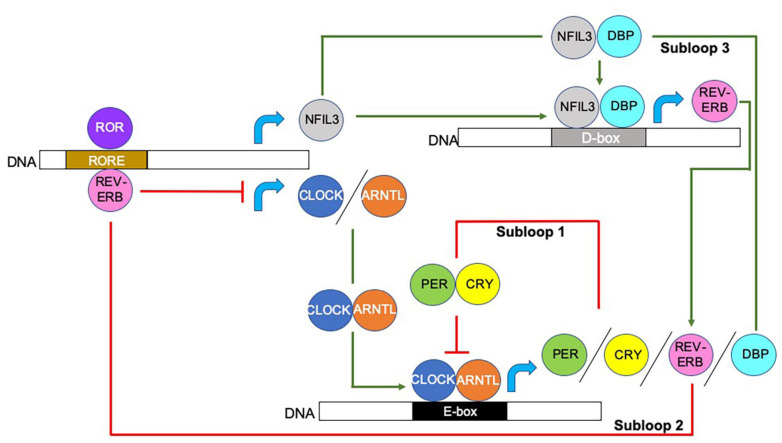
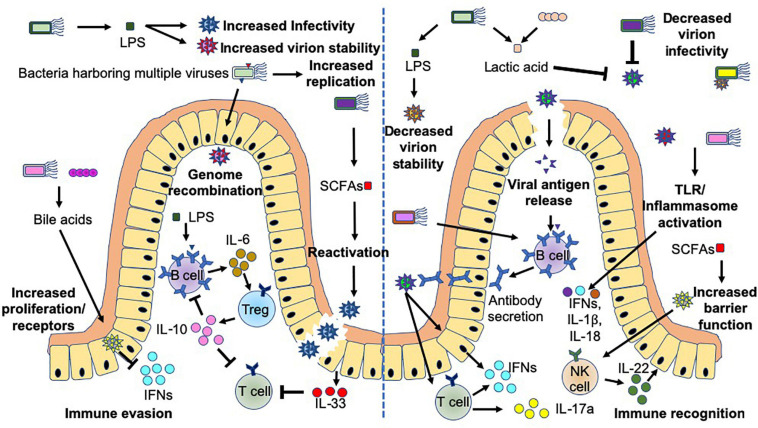
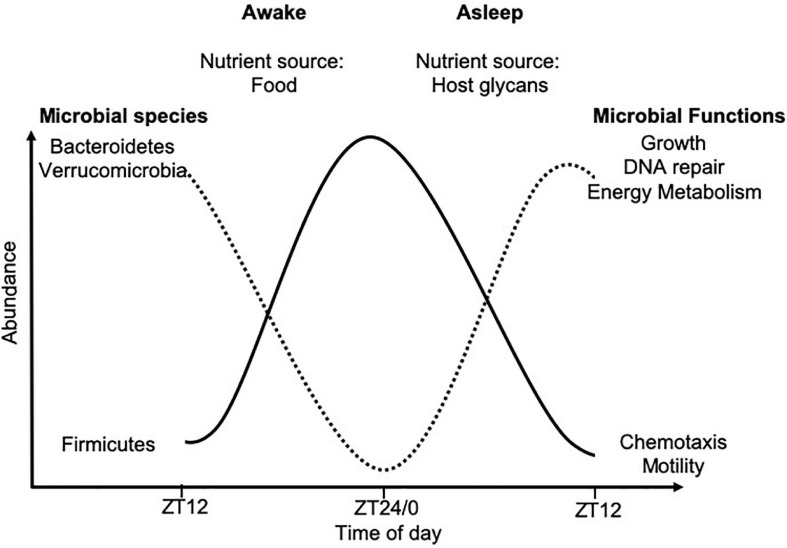
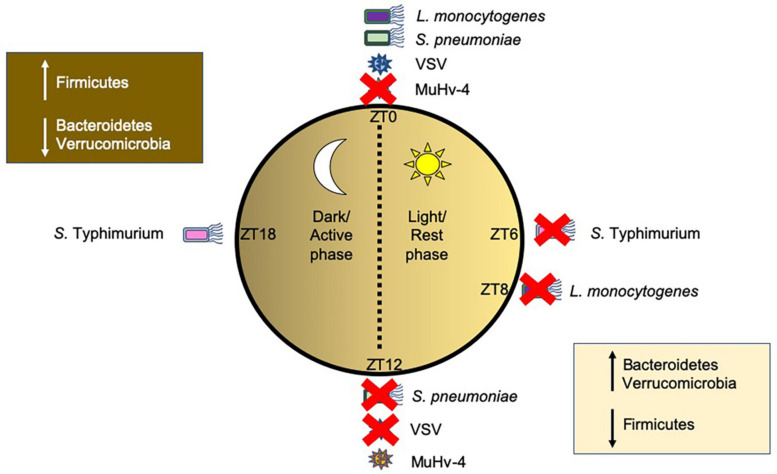
Circadian rhythms, referring to 24-h daily oscillations in biological and physiological processes, can significantly regulate host immunity to pathogens, as well as commensals, resulting in altered susceptibility to disease development. Furthermore, vaccination responses to microbes have also shown time-of-day-dependent changes in the magnitude of protective immune responses elicited in the host. Thus, understanding host circadian rhythm effects on both gut bacteria and viruses during infection is important to minimize adverse effects on health and identify optimal times for therapeutic administration to maximize therapeutic success. In this review, we summarize the circadian modulations of gut bacteria, viruses and their interactions, both in health and during infection. We also discuss the importance of chronotherapy (i.e., time-specific therapy) as a plausible therapeutic administration strategy to enhance beneficial therapeutic responses.
昼夜节律是指生物和生理过程中每天24小时的振荡,它可以显著调节宿主对病原体以及共生菌的免疫力,从而改变疾病发展的易感性。此外,针对微生物的疫苗接种反应在宿主中引发的保护性免疫反应强度也呈现出昼夜依赖性变化。因此,了解宿主昼夜节律在感染期间对肠道细菌和病毒的影响,对于将对健康的不利影响降至最低以及确定治疗给药的最佳时间以最大化治疗成功率至关重要。在这篇综述中,我们总结了健康状态和感染期间肠道细菌、病毒及其相互作用的昼夜调节。我们还讨论了时间疗法(即特定时间的治疗)作为一种可行的治疗给药策略以增强有益治疗反应的重要性。