Babaie Soraya, Taghvimi Arezou, Charkhpour Mohammad, Zarebkohan Amir, Keyhanvar Peyman, Hamishehkar Hamed
Pharmaceutical Analysis Research Center, Student Research Committee, and Faculty of Advanced Medical Science, Tabriz University of Medical Sciences, Tabriz, Iran.
Biotechnology Research Center, Tabriz University of Medical Sciences, Tabriz, Iran.
Adv Pharm Bull. 2021 May;11(3):522-529. doi: 10.34172/apb.2021.060. Epub 2020 Sep 19.
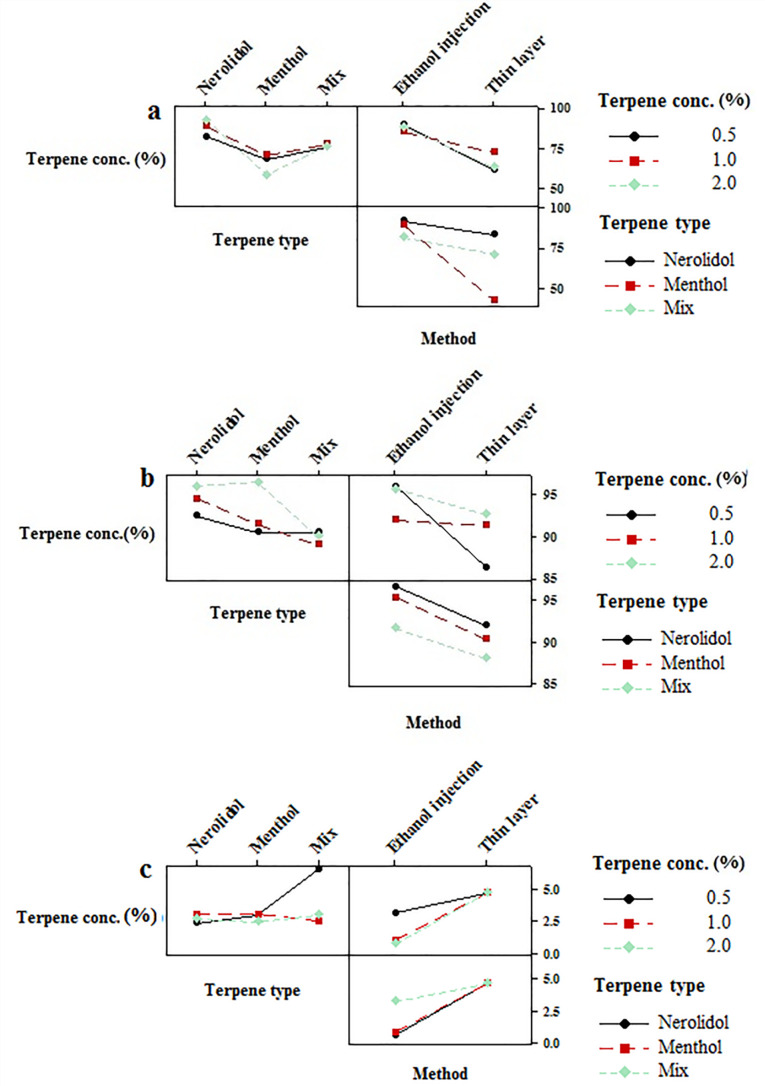
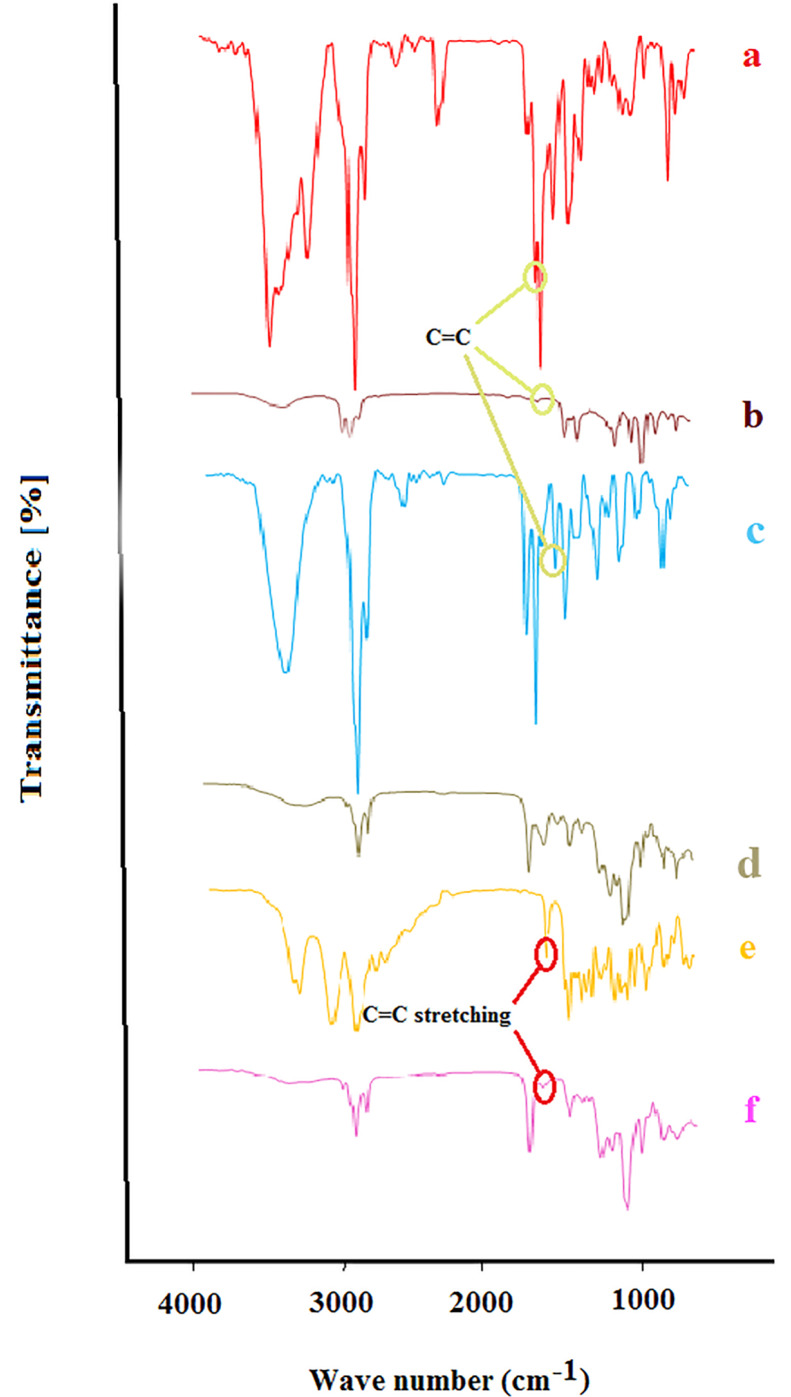
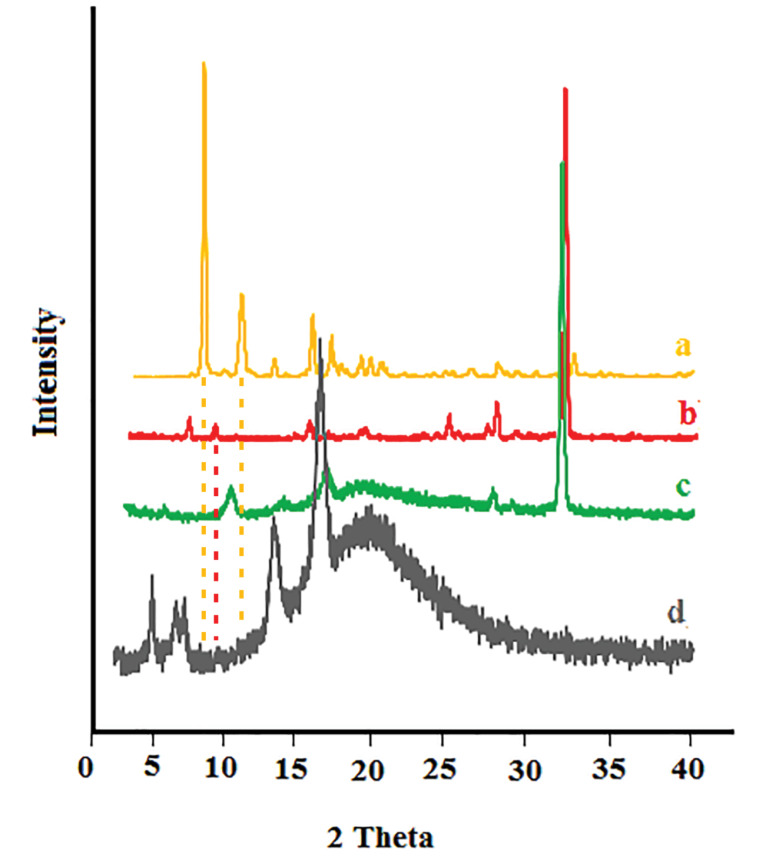
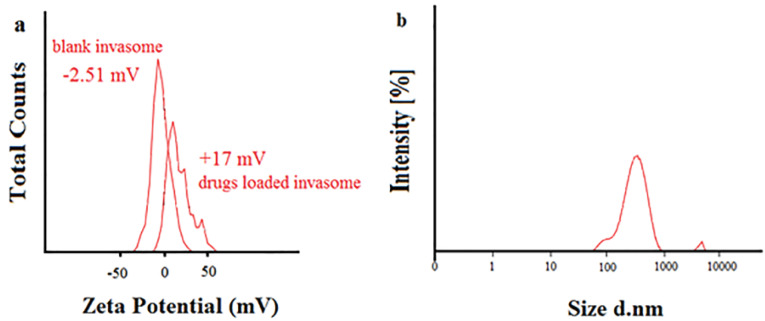
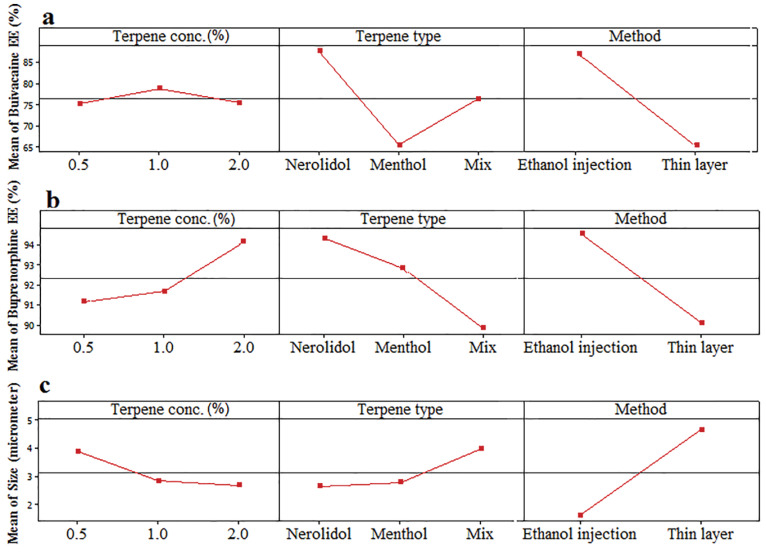
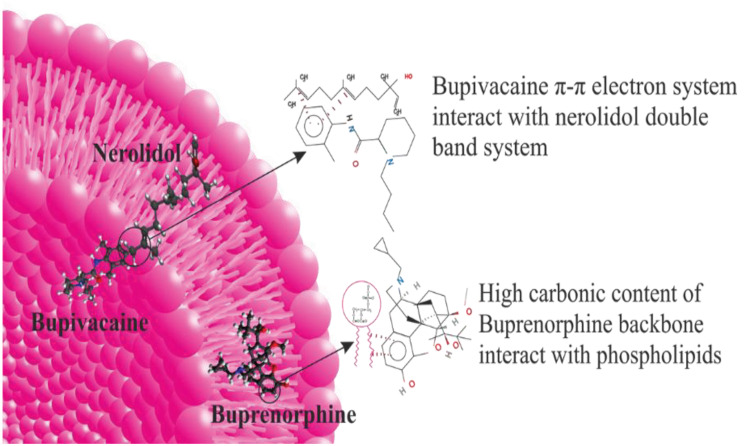
Hydrophilic drugs are extensively applied in clinical applications. Inadequate dermal penetration of these drugs is a great challenge. Incorporation of drugs into nano-carrier systems overcomes lower penetration drawbacks. Invasomes are novel nano-carrier systems which enhance transdermal penetration by using terpene and ethanol in their structures. buprenorphine and bupivacaine hydrochlorides are two potent analgesic drugs that are loaded simultaneously in the nano-invasome structure as opioid and non-opioid drugs. The full factorial experimental design was used for planning and estimating optimum formulations of invasome systems. Three influential factors like terpene type, terpene concentration and preparation method were comprehensively analyzed for achieving high encapsulation efficiency (EE) and optimum size. The mean sizes of designed invasomes were in the range of 0.39-5.86 µm and high values of EE and loading capacity (LC) were reported as 98.77 and 19.75 for buprenorphine-loaded invasome, respectively. Zeta potential measurements confirmed that the obtained high value of EE might be as a result of reversible ionic interactions between positively charged drugs and negatively charged phospholipidic part of invasome structure. Another characterization of the prepared formulations was carried out by Fourier transform infrared (FTIR), X-ray diffraction (XRD) and dynamic light scattering (DLS) technique. The satisfactory obtained results of formulations encourage researchers to get optimum topical analgesic formulations with potent and rapid onset time properties required in invasive cutaneous procedures.
亲水性药物在临床应用中被广泛使用。这些药物的皮肤渗透不足是一个巨大的挑战。将药物纳入纳米载体系统可克服渗透较低的缺点。侵入体是新型纳米载体系统,其通过在结构中使用萜烯和乙醇来增强透皮渗透。丁丙诺啡和盐酸布比卡因是两种强效镇痛药,作为阿片类和非阿片类药物同时负载在纳米侵入体结构中。全因子实验设计用于规划和评估侵入体系统的最佳配方。为了实现高包封率(EE)和最佳尺寸,对萜烯类型、萜烯浓度和制备方法这三个影响因素进行了综合分析。设计的侵入体的平均尺寸在0.39 - 5.86 µm范围内,载有丁丙诺啡的侵入体的EE和载药量(LC)的高值分别报告为98.77和19.75。zeta电位测量证实,获得的高EE值可能是由于带正电的药物与侵入体结构中带负电的磷脂部分之间的可逆离子相互作用。通过傅里叶变换红外(FTIR)、X射线衍射(XRD)和动态光散射(DLS)技术对制备的制剂进行了另一项表征。制剂获得的令人满意的结果鼓励研究人员获得具有侵入性皮肤手术所需的强效和快速起效特性的最佳局部镇痛制剂。