State Key Laboratory of Agricultural Microbiology, College of Veterinary Medicine, Huazhong Agricultural University, Wuhan, China.
Key Laboratory of Preventive Veterinary Medicine in Hubei Province, The Cooperative Innovation Center for Sustainable Pig Production, Wuhan, China.
Front Cell Infect Microbiol. 2021 Aug 31;11:701820. doi: 10.3389/fcimb.2021.701820. eCollection 2021.
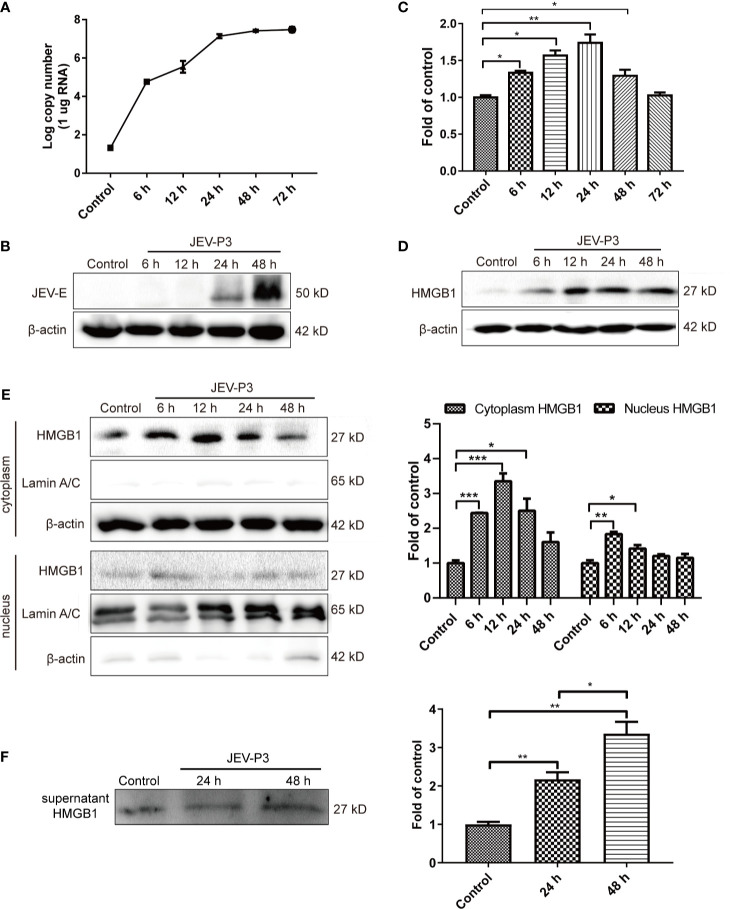
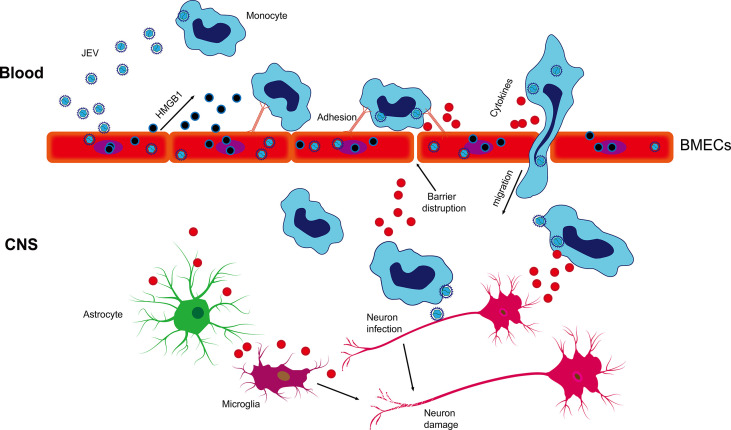
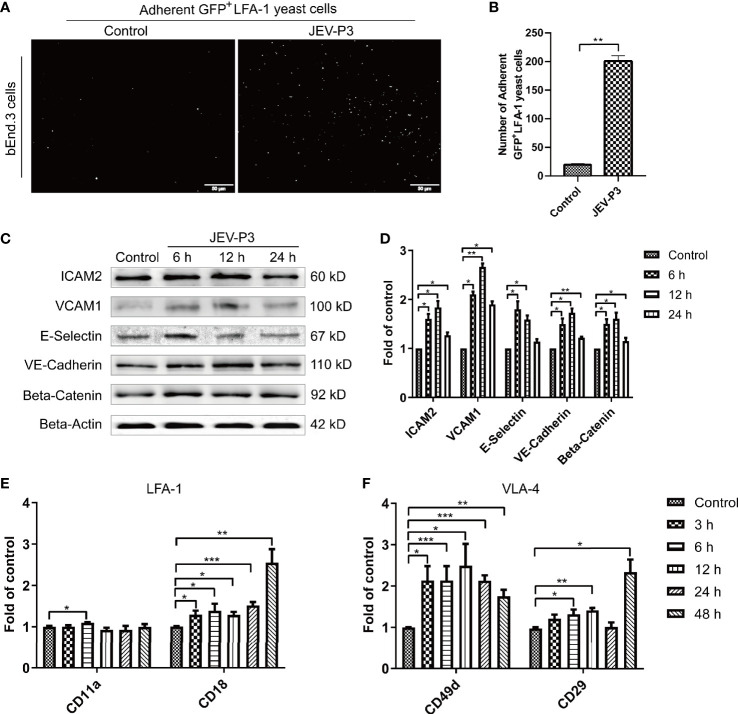
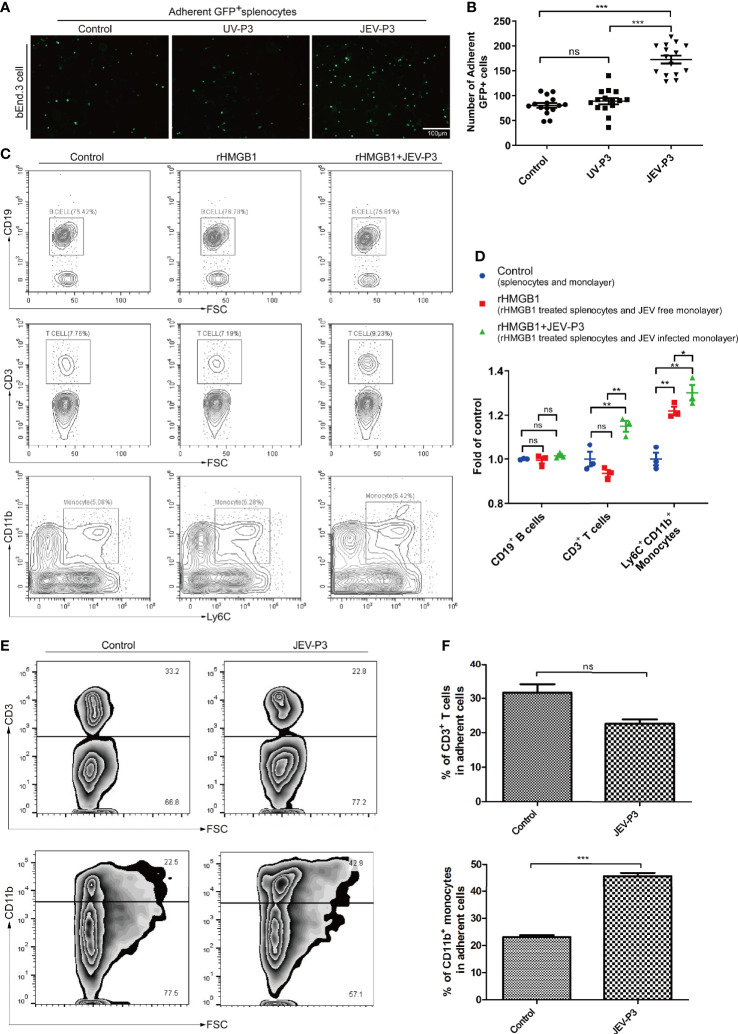
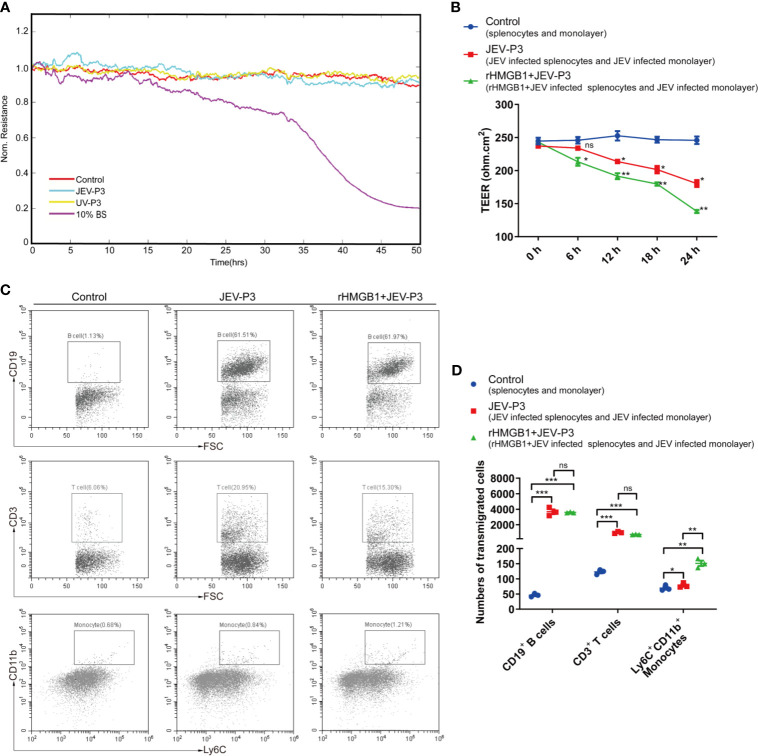
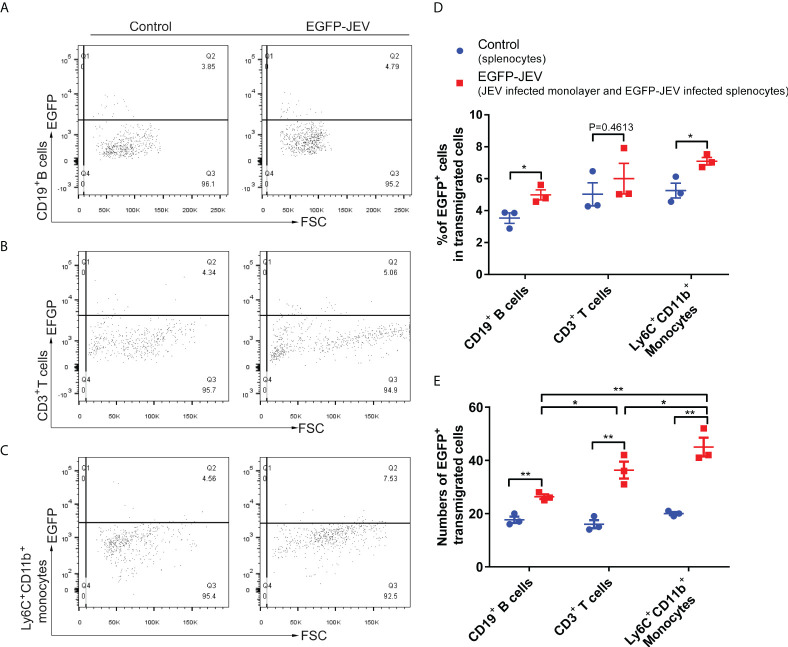
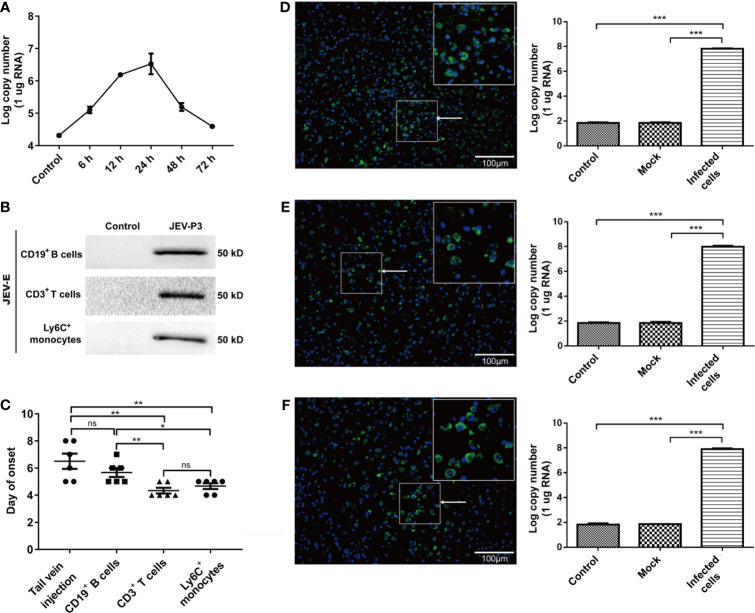
Infection with Japanese encephalitis virus (JEV) induces high morbidity and mortality, including potentially permanent neurological sequelae. However, the mechanisms by which viruses cross the blood-brain barrier (BBB) and invade into the central nervous system (CNS) remain unclear. Here, we show that extracellular HMGB1 facilitates immune cell transmigration. Furthermore, the migration of immune cells into the CNS dramatically increases during JEV infection which may enhance viral clearance, but paradoxically expedite the onset of Japanese encephalitis (JE). In this study, brain microvascular endothelial cells (BMECs) were utilized for the detection of HMGB1 release, and leucocyte, adhesion, and the integrity of the BBB . Genetically modified JEV-expressing EGFP (EGFP-JEV) and the BBB model were established to trace JEV-infected immune cell transmigration, which mimics the process of viral neuroinfection. We find that JEV causes HMGB1 release from BMECs while increasing adhesion molecules. Recombinant HMGB1 enhances leukocyte-endothelium adhesion, facilitating JEV-infected monocyte transmigration across endothelia. Thus, JEV successfully utilizes infected monocytes to spread into the brain, expanding inside of the brain, and leading to the acceleration of JE onset, which was facilitated by HMGB1. HMGB1-promoted monocyte transmigration may represent the mechanism of JEV neuroinvasion, revealing potential therapeutic targets.
日本脑炎病毒(JEV)感染可导致高发病率和死亡率,包括潜在的永久性神经后遗症。然而,病毒如何穿过血脑屏障(BBB)并侵入中枢神经系统(CNS)的机制尚不清楚。在这里,我们表明细胞外 HMGB1 有助于免疫细胞迁移。此外,JEV 感染期间,免疫细胞向中枢神经系统的迁移显著增加,这可能增强病毒清除,但矛盾的是,会加速日本脑炎(JE)的发作。在这项研究中,脑微血管内皮细胞(BMEC)用于检测 HMGB1 的释放以及白细胞、粘附和 BBB 的完整性。建立了表达 EGFP 的基因修饰 JEV(EGFP-JEV)和 BBB 模型来追踪 JEV 感染的免疫细胞迁移,这模拟了病毒神经感染的过程。我们发现 JEV 可导致 BMEC 释放 HMGB1,同时增加粘附分子。重组 HMGB1 增强白细胞-内皮细胞粘附,促进 JEV 感染的单核细胞穿过内皮迁移。因此,JEV 成功地利用感染的单核细胞扩散到大脑中,在大脑内部扩张,并加速 JE 的发作,这是由 HMGB1 促进的。HMGB1 促进单核细胞迁移可能代表 JEV 神经侵袭的机制,揭示了潜在的治疗靶点。