Rostami Soodabeh, Moeineddini Leila, Ghandehari Fereshteh, Khorasani Marzieh Rahim, Shoaei Parisa, Ebrahimi Nasim
Nosocomial Infection Research Center, Isfahan University of Medical Sciences, Isfahan, Iran.
Department of Microbiology, Falavarjan Islamic Azad University, Isfahan, Iran.
Iran J Microbiol. 2021 Apr;13(2):183-189. doi: 10.18502/ijm.v13i2.5979.
Group B streptococcus (GBS) can cause severe and invasive infections in pregnant women, infants, and adults. This study aimed to investigate the risk factors of GBS colonization in pregnant women and determine the macrolide resistance and capsular type of isolates.
In a cross-sectional study, a total of 200 pregnant women were screened for GBS colonization by phenotypic methods. Antibiotic susceptibility pattern of colonizing isolates and B, TR, A/E genes were detected. Also, molecular capsular types of isolates were distinguished.
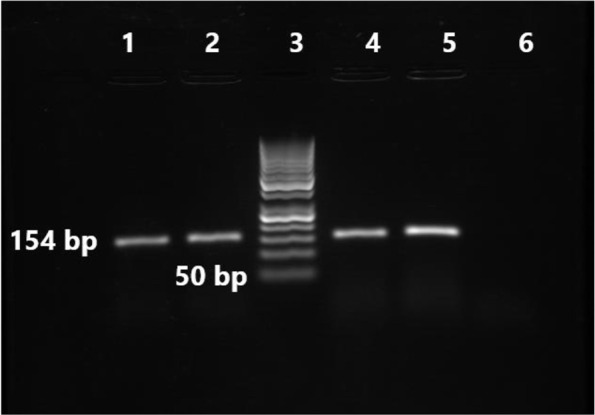
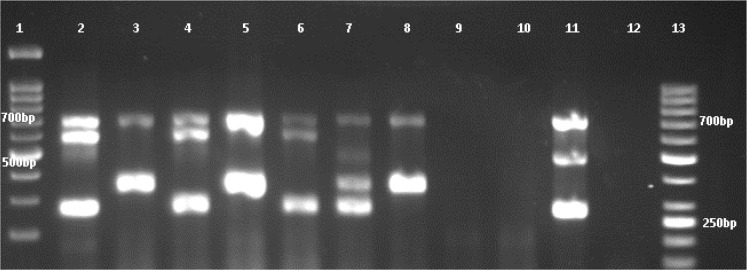
The overall prevalence of colonization of participates with GBS was 13.5%. Statistical analysis showed that there was no association between risk factors and colonization with GBS. The highest resistance was observed to erythromycin (44.4%) followed by clindamycin (29.6%), penicillin, ampicillin, and ceftriaxone (18.5%), levofloxacin (11.1%), and 29.6% isolates were multidrug-resistant. TR and A/E genes were detected in 37% and 11.1% isolates; respectively and the B gene was not detected. The most common capsular type was type Ib (44.4%) followed by type III (40.7%), type II (11.1), and type Ia (3.7%).
In the present study, the prevalence of GBS was in the medium range. Resistance to key antibiotic agents was relatively high. Also, capsular serotype Ib was the predominant serotype, which emphasizes the importance of monitoring the molecular typing of the GBS isolates regularly.
B族链球菌(GBS)可在孕妇、婴儿及成人中引起严重的侵袭性感染。本研究旨在调查孕妇GBS定植的危险因素,并确定分离株的大环内酯类耐药性及荚膜类型。
在一项横断面研究中,采用表型方法对200名孕妇进行GBS定植筛查。检测定植分离株的抗生素敏感性模式以及B、TR、A/E基因。此外,区分分离株的分子荚膜类型。
参与者GBS定植的总体患病率为13.5%。统计分析表明,危险因素与GBS定植之间无关联。观察到对红霉素的耐药率最高(44.4%),其次是克林霉素(29.6%)、青霉素、氨苄西林和头孢曲松(18.5%)、左氧氟沙星(11.1%),29.6%的分离株为多重耐药。分别在37%和11.1%的分离株中检测到TR和A/E基因;未检测到B基因。最常见的荚膜类型是Ib型(44.4%),其次是III型(40.7%)、II型(11.1%)和Ia型(3.7%)。
在本研究中,GBS的患病率处于中等范围。对关键抗生素的耐药性相对较高。此外,荚膜血清型Ib是主要血清型,这强调了定期监测GBS分离株分子分型的重要性。