Smith Stephanie, Septer Alecia N
Department of Earth, Marine, and Environmental Sciences, University of North Carolina.
Department of Earth, Marine, and Environmental Sciences, University of North Carolina;
J Vis Exp. 2021 Sep 2(175). doi: 10.3791/62851.
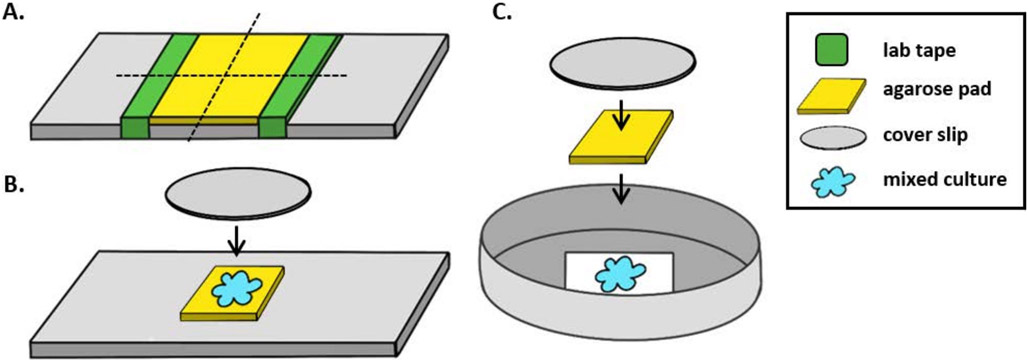
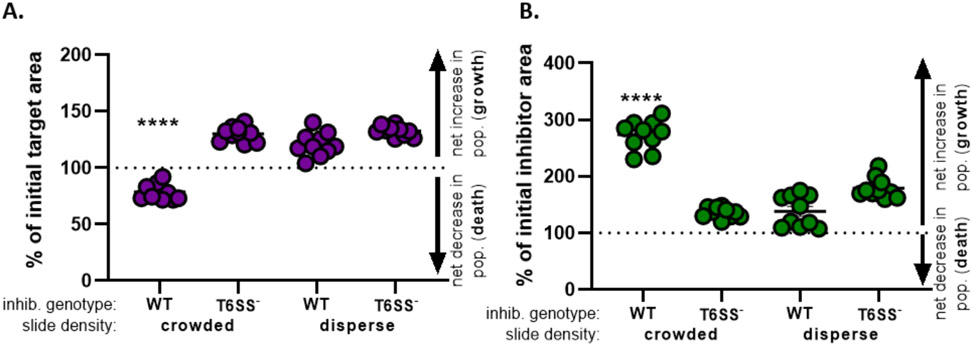
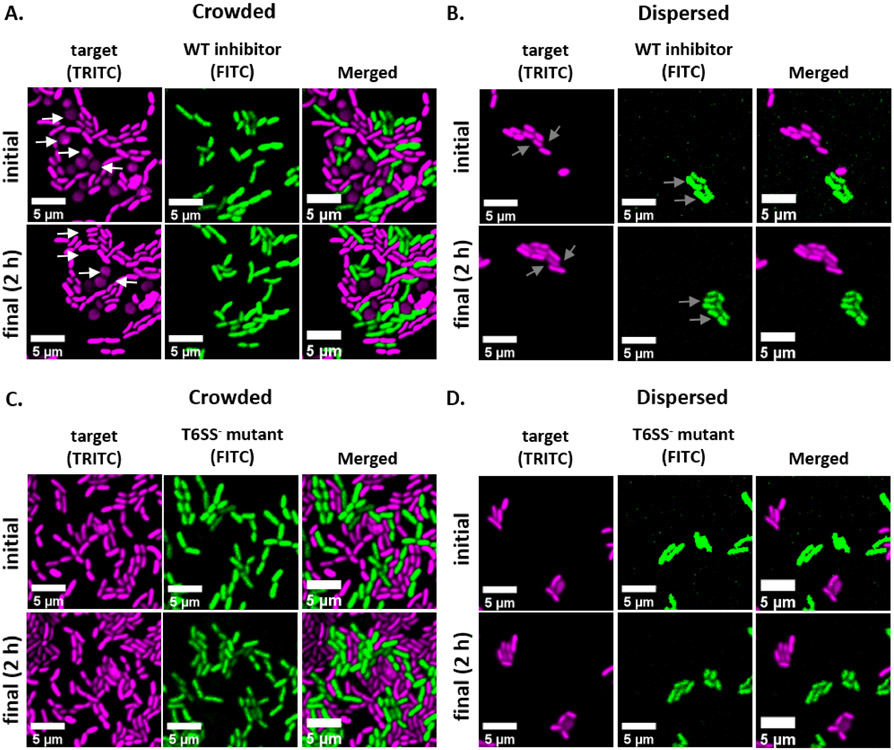
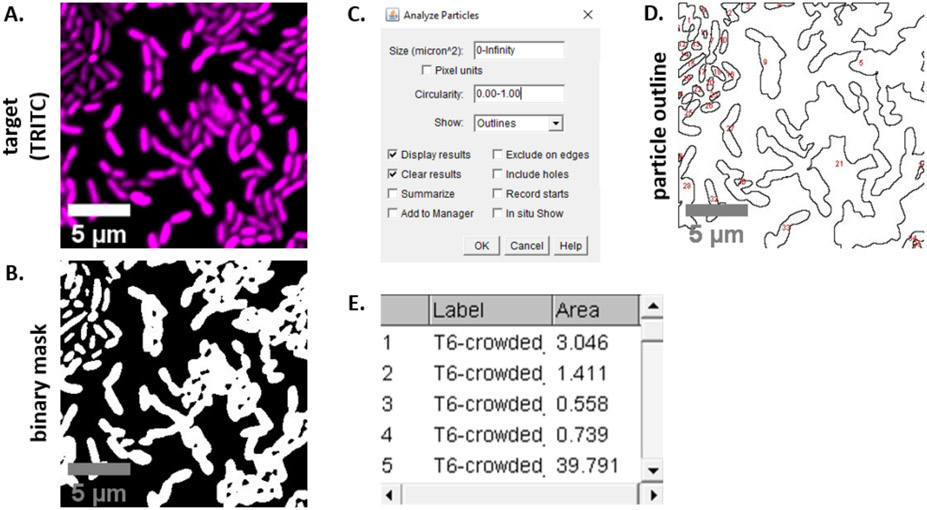
Interbacterial competition can directly impact the structure and function of microbiomes. This work describes a fluorescence microscopy approach that can be used to visualize and quantify competitive interactions between different bacterial strains at the single-cell level. The protocol described here provides methods for advanced approaches in slide preparation on both upright and inverted epifluorescence microscopes, live-cell and time-lapse imaging techniques, and quantitative image analysis using the open-source software FIJI. The approach in this manuscript outlines the quantification of competitive interactions between symbiotic Vibrio fischeri populations by measuring the change in area over time for two coincubated strains that are expressing different fluorescent proteins from stable plasmids. Alternative methods are described for optimizing this protocol in bacterial model systems that require different growth conditions. Although the assay described here uses conditions optimized for V. fischeri, this approach is highly reproducible and can easily be adapted to study competition among culturable isolates from diverse microbiomes.
细菌间竞争可直接影响微生物群落的结构和功能。本研究描述了一种荧光显微镜方法,可用于在单细胞水平可视化和量化不同细菌菌株之间的竞争相互作用。此处所述的方案提供了在正立和倒置落射荧光显微镜上进行玻片制备的先进方法、活细胞和延时成像技术,以及使用开源软件FIJI进行定量图像分析的方法。本手稿中的方法概述了通过测量来自稳定质粒表达不同荧光蛋白的两种共培养菌株随时间的面积变化,对共生费氏弧菌群体之间的竞争相互作用进行量化。还描述了在需要不同生长条件的细菌模型系统中优化该方案的替代方法。尽管此处所述的测定使用了针对费氏弧菌优化的条件,但该方法具有高度可重复性,并且可以很容易地适用于研究来自不同微生物群落的可培养分离株之间的竞争。