Neurology Service, "Juan P. Garrahan" National Children's Hospital, Buenos Aires, Argentina.
Institute for Research in Physiopathology and Clinical Biochemistry (INFIBIOC), Clinical Biochemistry Department, School of Pharmacy and Biochemistry, University of Buenos Aires, Buenos Aires, Argentina.
Epilepsia Open. 2022 Aug;7 Suppl 1(Suppl 1):S34-S46. doi: 10.1002/epi4.12537. Epub 2021 Oct 29.
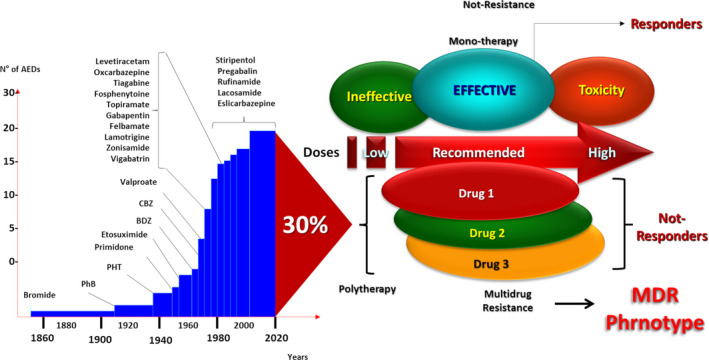
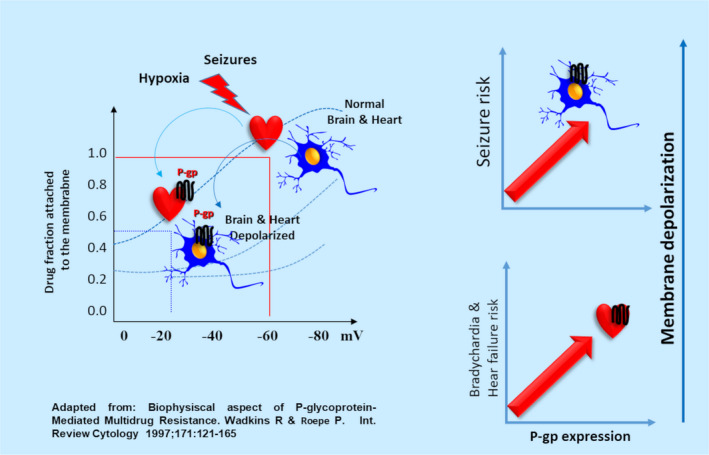
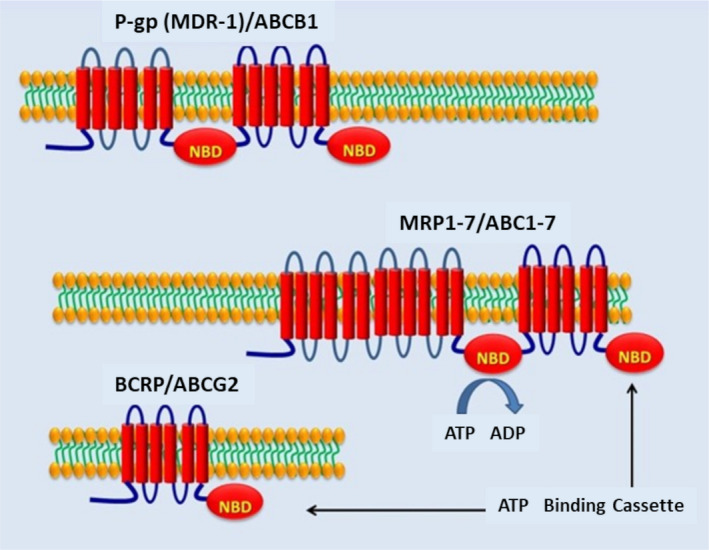
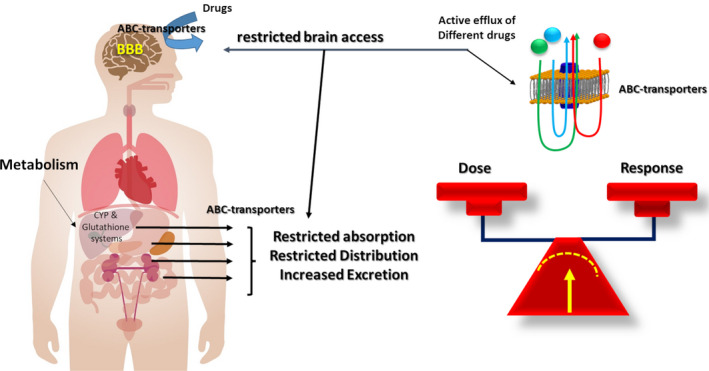
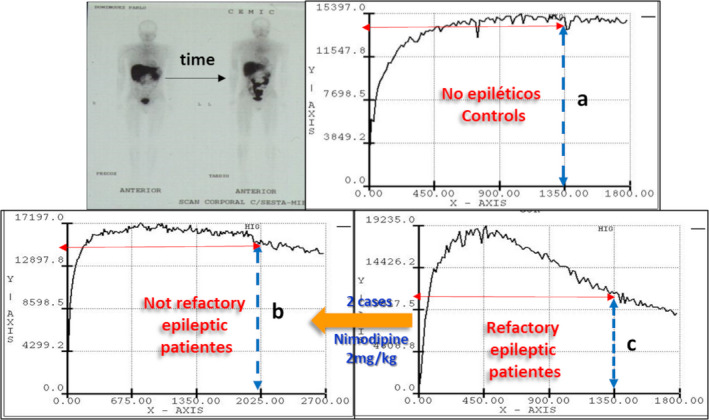
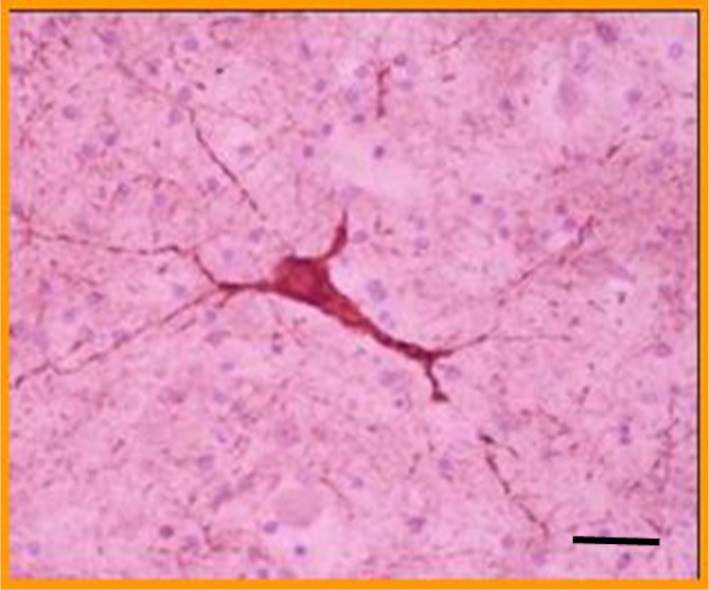
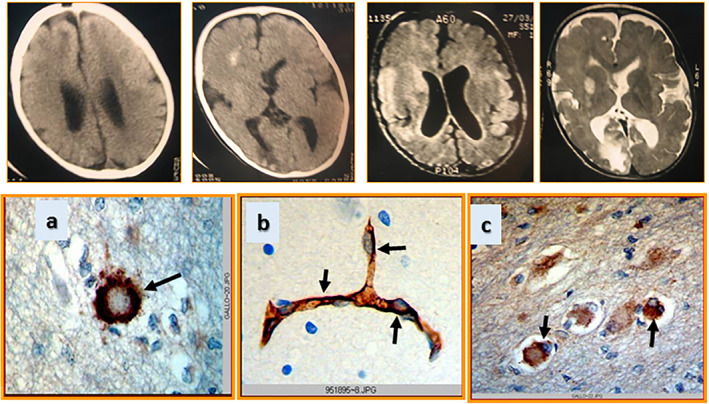
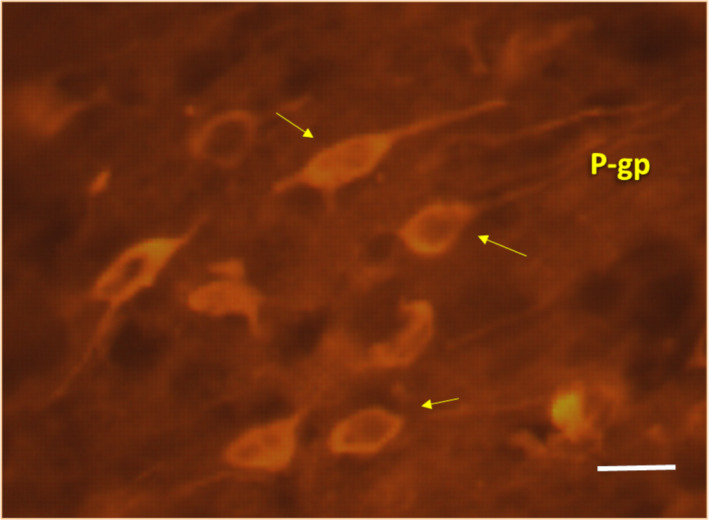
The multidrug-resistance (MDR) phenotype is typically observed in patients with refractory epilepsy (RE) whose seizures are not controlled despite receiving several combinations of more than two antiseizure medications (ASMs) directed against different ion channels or neurotransmitter receptors. Since the use of bromide in 1860, more than 20 ASMs have been developed; however, historically ~30% of cases of RE with MDR phenotype remains unchanged. Irrespective of metabolic biotransformation, the biodistribution of ASMs and their metabolites depends on the functional expression of some ATP-binding cassette transporters (ABC-t) in different organs, such as the blood-brain barrier (BBB), bowel, liver, and kidney, among others. ABC-t, such as P-glycoprotein (P-gp), multidrug resistance-associated protein (MRP-1), and breast cancer-resistance protein (BCRP), are mainly expressed in excretory organs and play a critical role in the pharmacokinetics (PK) of all drugs. The transporter hypothesis can explain pharmacoresistance to a broad spectrum of ASMs, even when administered simultaneously. Since ABC-t expression can be induced by hypoxia, inflammation, or seizures, a high frequency of uncontrolled seizures increases the risk of RE. These stimuli can induce ABC-t expression in excretory organs and in previously non-expressing (electrically responsive) cells, such as neurons or cardiomyocytes. In this regard, an alternative mechanism to the classical pumping function of P-gp indicates that P-gp activity can also produce a significant reduction in resting membrane potential (ΔΨ0 = -60 to -10 mV). P-gp expression in neurons and cardiomyocytes can produce membrane depolarization and participate in epileptogenesis, heart failure, and sudden unexpected death in epilepsy. On this basis, ABC-t play a peripheral role in controlling the PK of ASMs and their access to the brain and act at a central level, favoring neuronal depolarization by mechanisms independent of ion channels or neurotransmitters that current ASMs cannot control.
多药耐药(MDR)表型通常见于难治性癫痫(RE)患者,这些患者尽管接受了针对不同离子通道或神经递质受体的两种以上抗癫痫药物(ASM)的多种组合治疗,但癫痫发作仍未得到控制。自 1860 年溴化物使用以来,已经开发了超过 20 种 ASM;然而,历史上有约 30%的 MDR 表型 RE 病例没有变化。无论代谢生物转化如何,ASM 及其代谢物的生物分布都取决于一些 ATP 结合盒转运体(ABC-t)在不同器官中的功能表达,如血脑屏障(BBB)、肠道、肝脏和肾脏等。ABC-t,如 P 糖蛋白(P-gp)、多药耐药相关蛋白 1(MRP-1)和乳腺癌耐药蛋白(BCRP),主要在排泄器官中表达,并在所有药物的药代动力学(PK)中发挥关键作用。转运体假说可以解释对广泛的 ASM 的药物耐药性,即使同时给药也是如此。由于 ABC-t 的表达可以被缺氧、炎症或癫痫发作诱导,因此不受控制的癫痫发作频率增加了 RE 的风险。这些刺激可以在排泄器官和以前非表达(电响应)的细胞(如神经元或心肌细胞)中诱导 ABC-t 的表达。在这方面,除了 P-gp 的经典泵功能外,一种替代机制表明 P-gp 活性也可以导致静息膜电位(ΔΨ0=-60 至-10 mV)显著降低。神经元和心肌细胞中的 P-gp 表达可导致膜去极化并参与癫痫发作、心力衰竭和癫痫猝死。在此基础上,ABC-t 在控制 ASM 的 PK 及其进入大脑的过程中发挥外周作用,并在中枢水平发挥作用,通过当前 ASM 无法控制的独立于离子通道或神经递质的机制促进神经元去极化。