Department of Clinical Immunology, Microbiology and Immunology, Institute of Infection and Global Health, University of Liverpool, Liverpool, UK.
Faculty of Applied Medical Sciences, University of Al Baha, Al Baha, Saudi Arabia.
Sci Rep. 2021 Sep 24;11(1):19011. doi: 10.1038/s41598-021-97866-4.
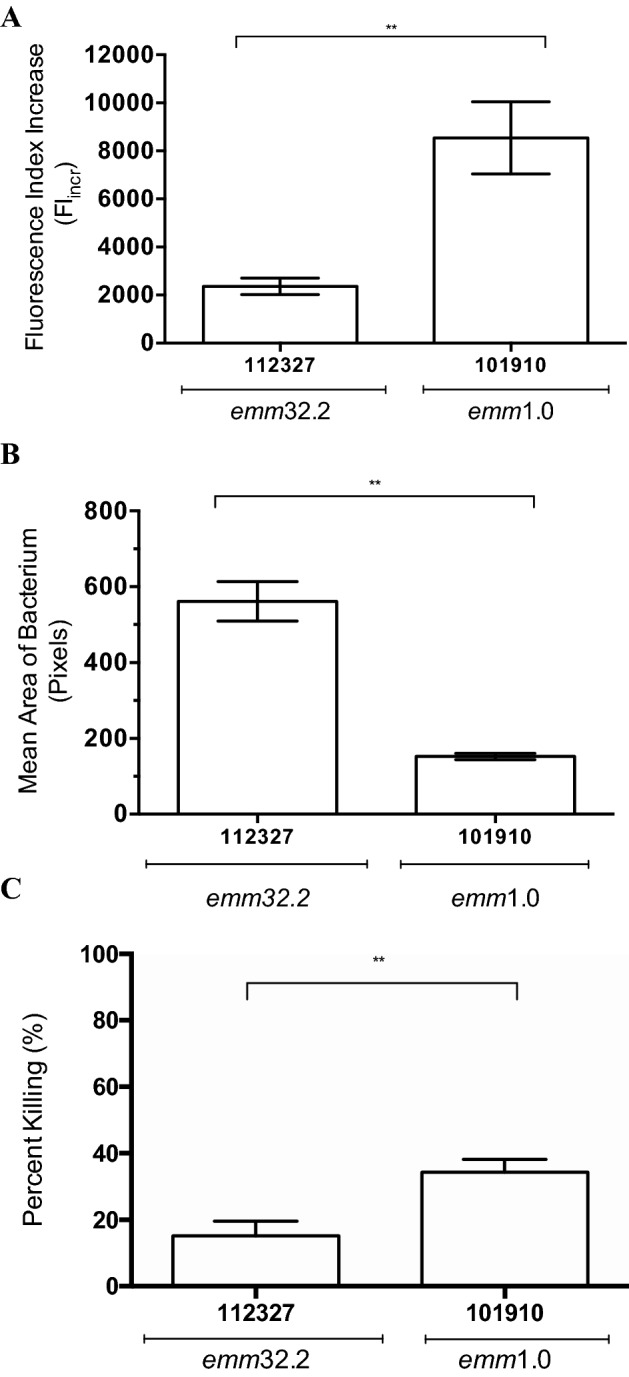
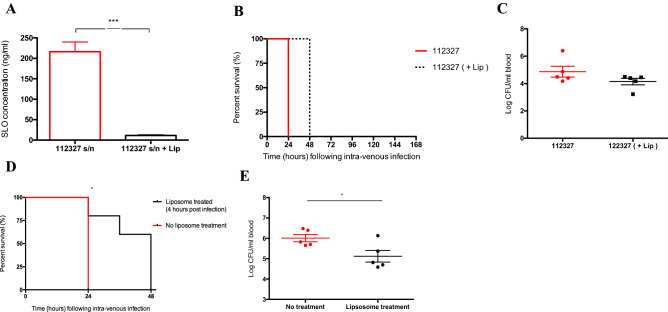
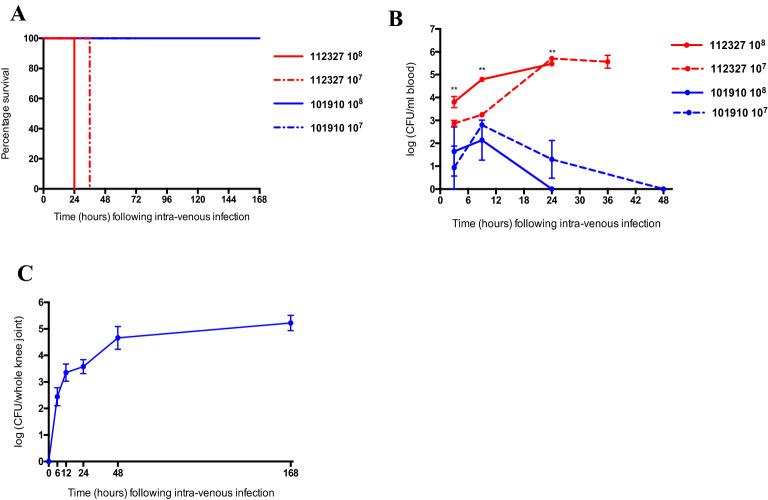
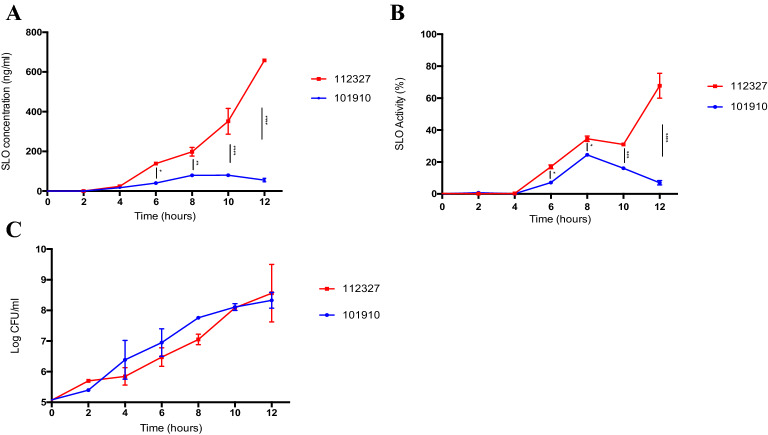
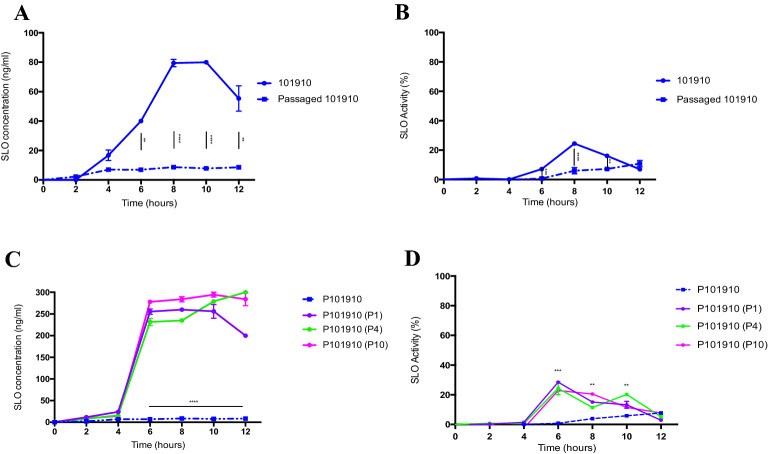
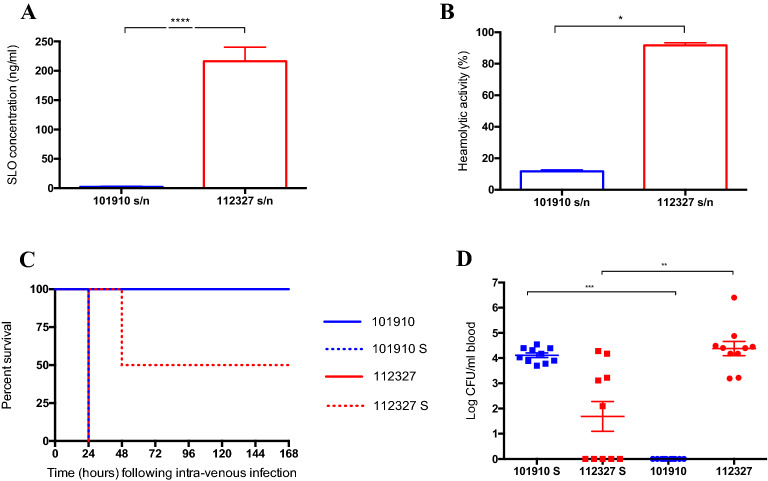
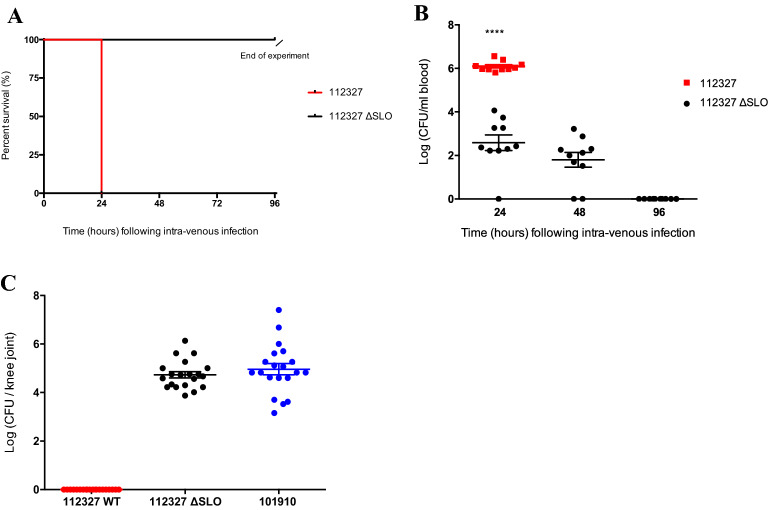
Group A Streptoccocus (GAS) is among the most diverse of all human pathogens, responsible for a range of clinical manifestations, from mild superficial infections such as pharyngitis to serious invasive infections such as necrotising fasciitis and sepsis. The drivers of these different disease phenotypes are not known. The GAS cholesterol-dependent cytolysin, Streptolysin O (SLO), has well established cell and tissue destructive activity. We investigated the role of SLO in determining disease outcome in vivo, by using two different clinical lineages; the recently emerged hypervirulent outbreak emm type 32.2 strains, which result in sepsis, and the emm type 1.0 strains which cause septic arthritis. Using clinically relevant in vivo mouse models of sepsis and a novel septic arthritis model, we found that the amount and activity of SLO was vital in determining the course of infection. The emm type 32.2 strain produced large quantities of highly haemolytic SLO that resulted in rapid development of sepsis. By contrast, the reduced concentration and lower haemolytic activity of emm type 1.0 SLO led to translocation of bacteria from blood to joints. Importantly, sepsis associated strains that were attenuated by deletion or inhibition of SLO, then also translocated to the joint, confirming the key role of SLO in determining infection niche. Our findings demonstrate that SLO is key to in vivo phenotype and disease outcome. Careful consideration should be given to novel therapy or vaccination strategies that target SLO. Whilst neutralising SLO activity may reduce severe invasive disease, it has the potential to promote chronic inflammatory conditions such as septic arthritis.
A 群链球菌(GAS)是所有人类病原体中最多样化的一种,可引起多种临床表现,从轻度浅表感染(如咽炎)到严重侵袭性感染(如坏死性筋膜炎和败血症)。导致这些不同疾病表型的驱动因素尚不清楚。GAS 胆固醇依赖性细胞溶素,链球菌溶血素 O(SLO),具有明确的细胞和组织破坏活性。我们通过使用两种不同的临床谱系,即最近出现的高毒力爆发性emm 型 32.2 株,导致败血症,和 emm 型 1.0 株,引起败血性关节炎,来研究 SLO 在体内确定疾病结局中的作用。使用与临床相关的败血症体内小鼠模型和一种新型败血性关节炎模型,我们发现 SLO 的数量和活性对确定感染过程至关重要。emm 型 32.2 株产生大量高度溶血的 SLO,导致败血症迅速发展。相比之下,emm 型 1.0 SLO 的浓度降低和较低的溶血活性导致细菌从血液转移到关节。重要的是,SLO 缺失或抑制导致的败血症相关菌株也转移到关节,证实了 SLO 在确定感染部位中的关键作用。我们的研究结果表明,SLO 是体内表型和疾病结局的关键。应该仔细考虑针对 SLO 的新型治疗或疫苗接种策略。虽然中和 SLO 活性可能会减少严重侵袭性疾病,但它有可能促进慢性炎症性疾病,如败血性关节炎。