Biomedical Engineering Department, University of Michigan, Ann Arbor, MI 48109, USA.
Emergency Medicine, Michigan Medicine, University of Michigan, Ann Arbor, MI 48109, USA.
Biosensors (Basel). 2021 Sep 7;11(9):319. doi: 10.3390/bios11090319.
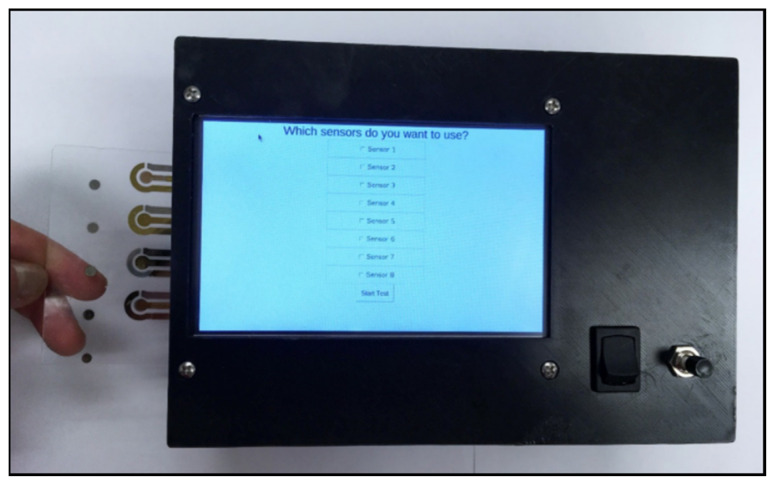
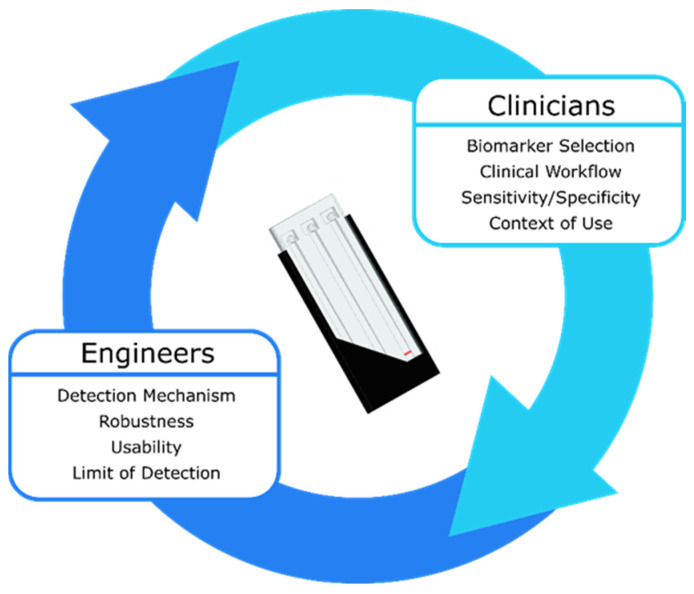
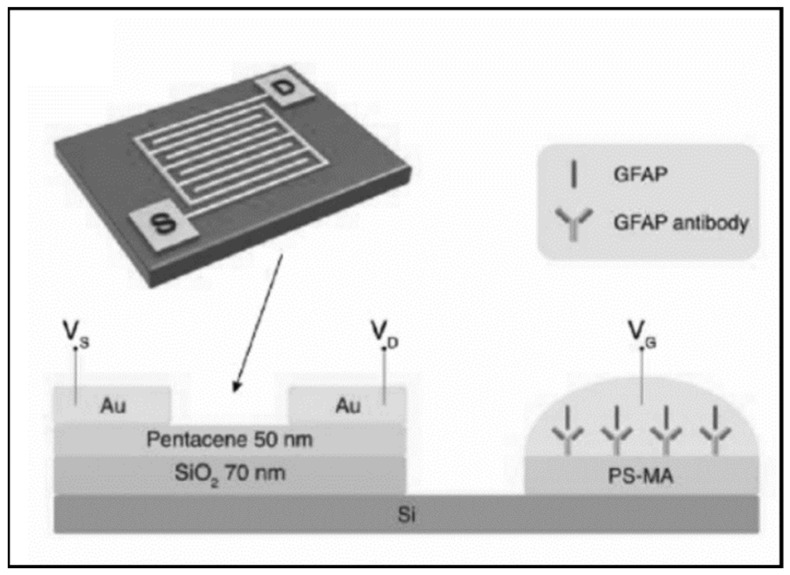
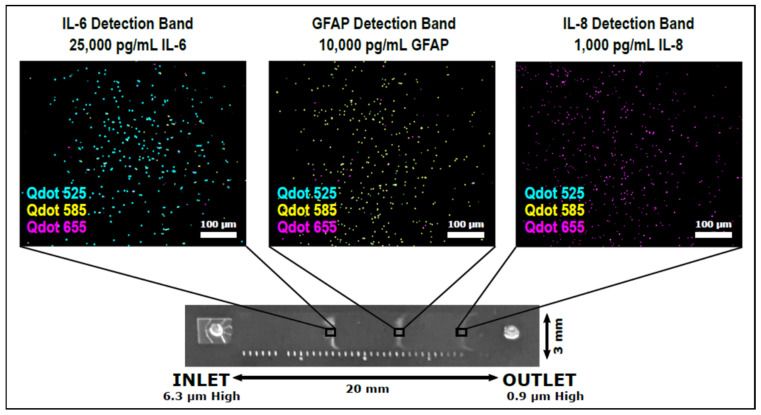
Traumatic brain injury (TBI) is associated with high rates of morbidity and mortality partially due to the limited tools available for diagnosis and classification. Measuring panels of protein biomarkers released into the bloodstream after injury has been proposed to diagnose TBI, inform treatment decisions, and monitor the progression of the injury. Being able to measure these protein biomarkers at the point-of-care would enable assessment of TBIs from the point-of-injury to the patient's hospital bedside. In this review, we provide a detailed discussion of devices reported in the academic literature and available on the market that have been designed to measure TBI protein biomarkers in various biofluids and contexts. We also assess the challenges associated with TBI biomarker measurement devices and suggest future research directions to encourage translation of these devices to clinical use.
创伤性脑损伤(TBI)的发病率和死亡率较高,部分原因是现有的诊断和分类工具有限。有研究提出,测量损伤后释放到血液中的蛋白质生物标志物组合,可用于诊断 TBI、为治疗决策提供信息,并监测损伤的进展。如果能够在护理点测量这些蛋白质生物标志物,那么就可以在从受伤点到患者病床边的整个过程中对 TBI 进行评估。在本综述中,我们详细讨论了学术文献中报道的和市场上可获得的设备,这些设备旨在测量各种生物流体和不同情况下的 TBI 蛋白质生物标志物。我们还评估了与 TBI 生物标志物测量设备相关的挑战,并提出了未来的研究方向,以鼓励将这些设备转化为临床应用。