Li Le, Xu Weiyi, Zhang Lilei
Department of Molecular and Human Genetics, Baylor College of Medicine, Houston, TX 77004, USA.
Metabolites. 2021 Sep 13;11(9):620. doi: 10.3390/metabo11090620.
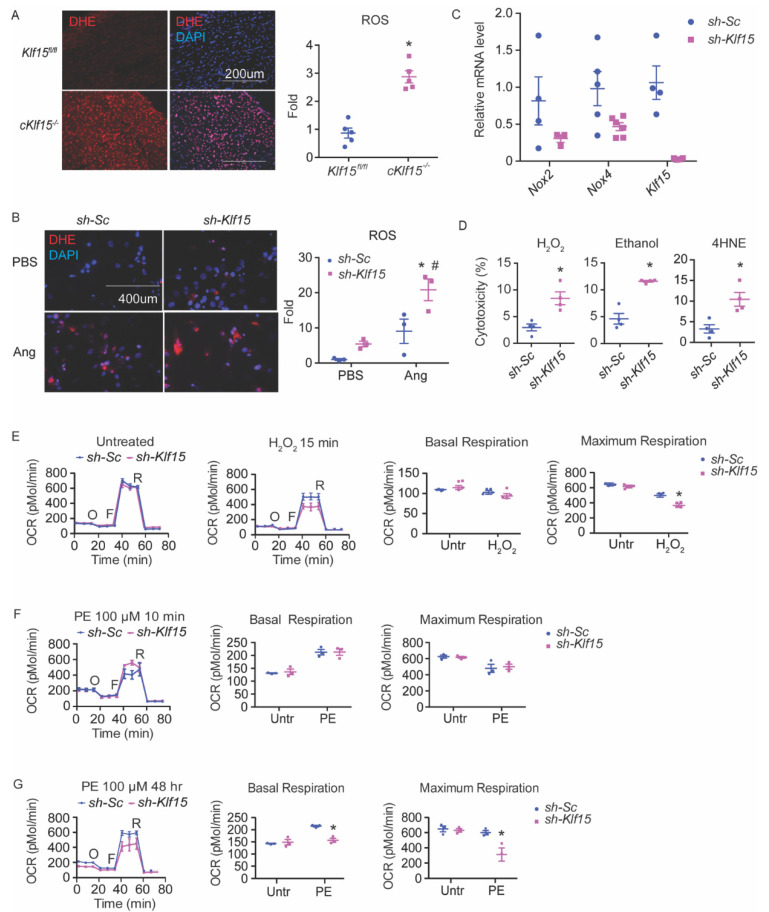
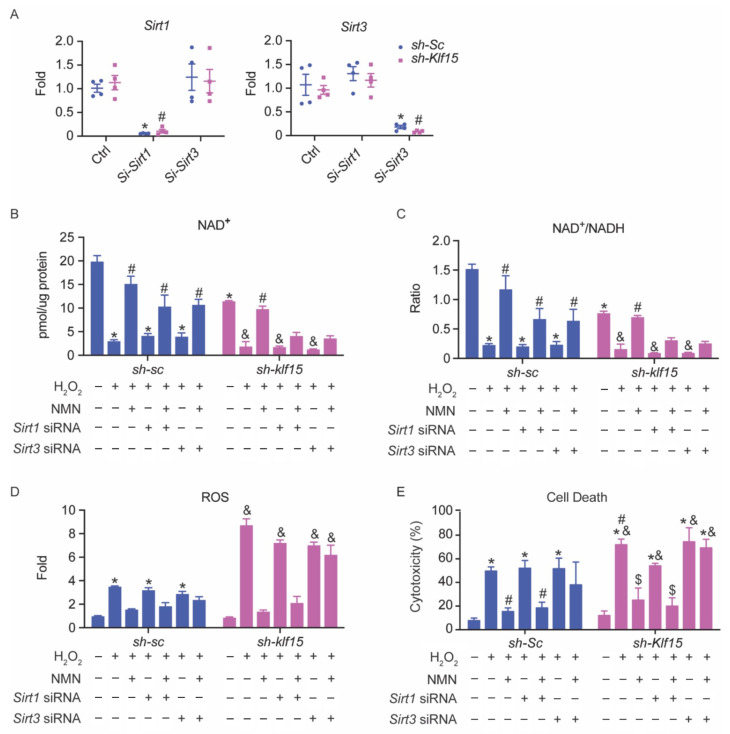
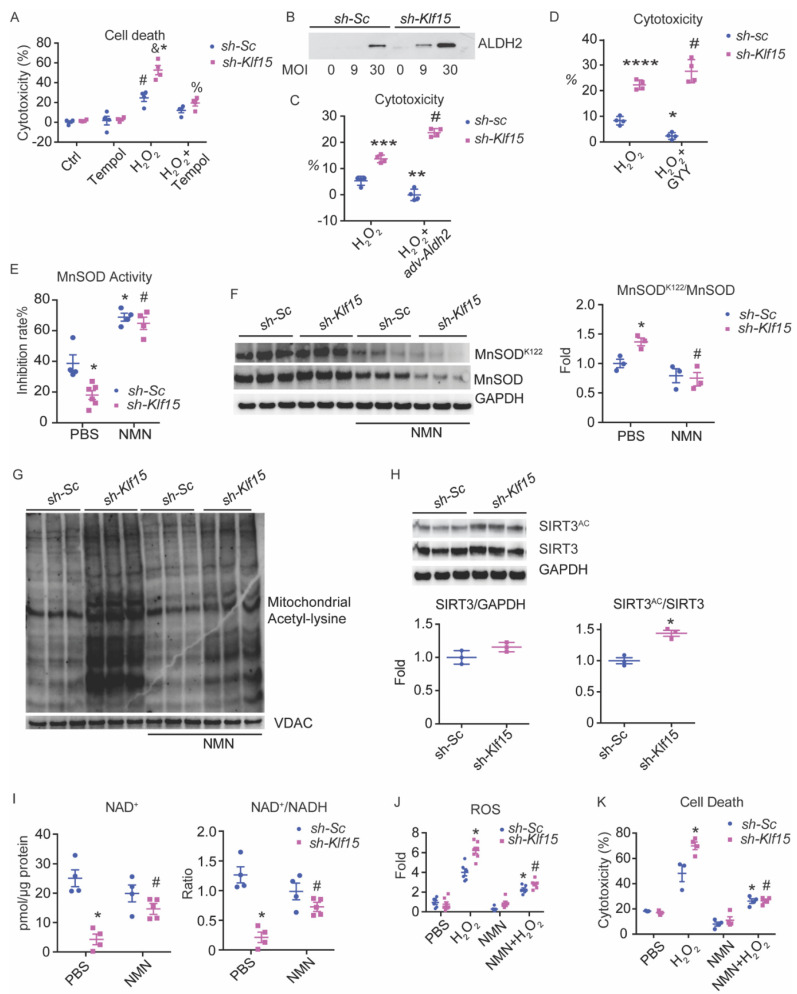
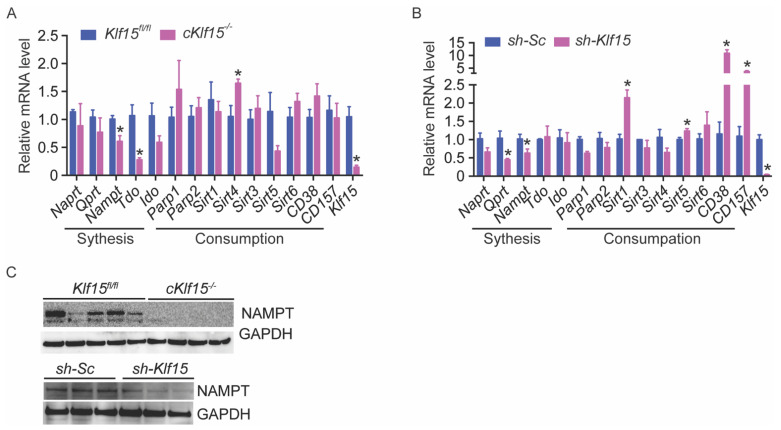
KLF15 has recently emerged as a central regulator of metabolism. Although its connection to oxidative stress has been suspected, there has not been any study to date that directly demonstrates the molecular link. In this study, we sought to determine the role of KLF15 in cardiac oxidative stress. We found that KLF15 deficiency in the heart is associated with increased oxidative stress. Acute deficiency of KLF15 in neonatal rat ventricular myocytes (NRVMs) leads to the defective clearance of reactive oxygen species (ROS) and an exaggerated cell death following a variety of oxidative stresses. Mechanistically, we found that KLF15 deficiency leads to reduced amounts of the rate-limiting NAD salvage enzyme NAMPT and to NAD deficiency. The resultant SIRT3-dependent hyperacetylation and the inactivation of mitochondrial antioxidants can be rescued by MnSOD mimetics or NAD precursors. Collectively, these findings suggest that KLF15 regulates cardiac ROS clearance through the regulation of NAD levels. Our findings establish KLF15 as a central coordinator of cardiac metabolism and ROS clearance.
KLF15最近已成为新陈代谢的核心调节因子。尽管人们怀疑它与氧化应激有关,但迄今为止尚未有任何研究直接证明其分子联系。在本研究中,我们试图确定KLF15在心脏氧化应激中的作用。我们发现心脏中KLF15的缺乏与氧化应激增加有关。新生大鼠心室肌细胞(NRVMs)中KLF15的急性缺乏会导致活性氧(ROS)清除缺陷,并在各种氧化应激后导致细胞死亡加剧。从机制上讲,我们发现KLF15缺乏会导致限速NAD补救酶NAMPT的量减少以及NAD缺乏。通过MnSOD模拟物或NAD前体可以挽救由此产生的依赖SIRT3的超乙酰化和线粒体抗氧化剂的失活。总的来说,这些发现表明KLF15通过调节NAD水平来调节心脏ROS清除。我们的发现确立了KLF15作为心脏代谢和ROS清除的核心协调者的地位。