Ma Qingming, Ma Haixia, Xu Fenglan, Wang Xinyu, Sun Wentao
School of Pharmacy, Qingdao University, Qingdao, 266071 China.
Center for Prenatal Diagnosis, Zibo Maternal and Child Health Care Hospital, Zibo, 255000 China.
Microsyst Nanoeng. 2021 Mar 3;7:19. doi: 10.1038/s41378-021-00245-2. eCollection 2021.
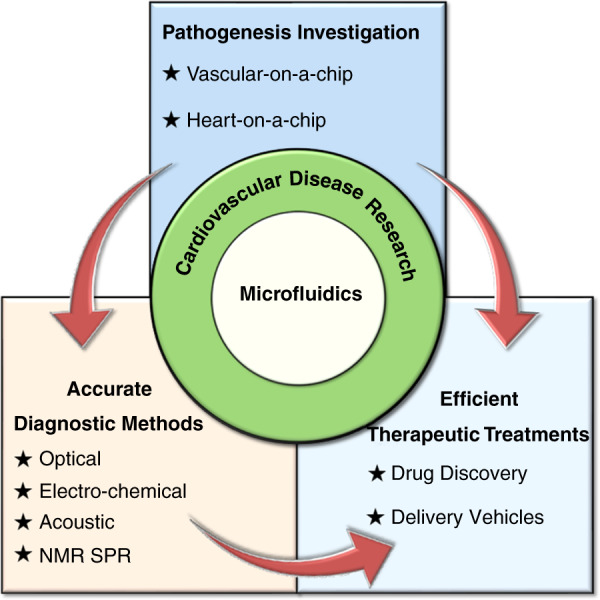
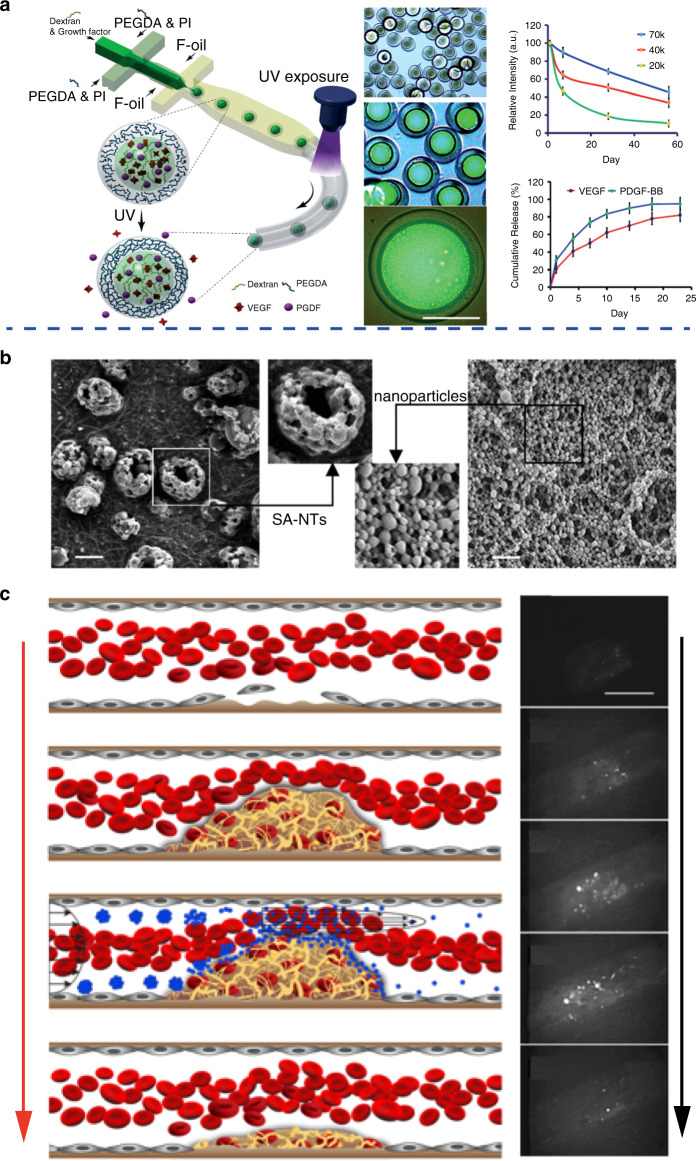
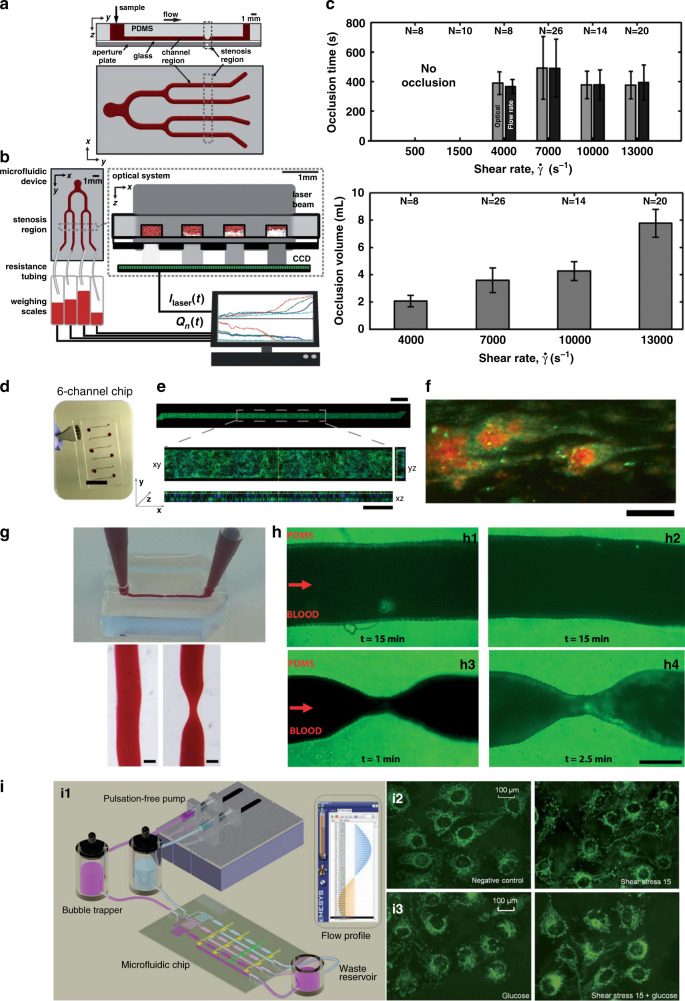
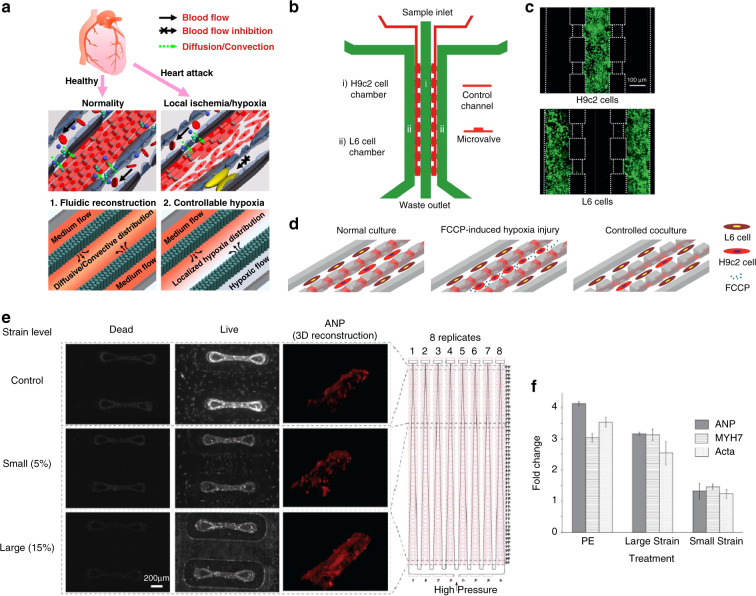
Due to extremely severe morbidity and mortality worldwide, it is worth achieving a more in-depth and comprehensive understanding of cardiovascular diseases. Tremendous effort has been made to replicate the cardiovascular system and investigate the pathogenesis, diagnosis and treatment of cardiovascular diseases. Microfluidics can be used as a versatile primary strategy to achieve a holistic picture of cardiovascular disease. Here, a brief review of the application of microfluidics in comprehensive cardiovascular disease research is presented, with specific discussions of the characteristics of microfluidics for investigating cardiovascular diseases integrally, including the study of pathogenetic mechanisms, the development of accurate diagnostic methods and the establishment of therapeutic treatments. Investigations of critical pathogenetic mechanisms for typical cardiovascular diseases by microfluidic-based organ-on-a-chip are categorized and reviewed, followed by a detailed summary of microfluidic-based accurate diagnostic methods. Microfluidic-assisted cardiovascular drug evaluation and screening as well as the fabrication of novel delivery vehicles are also reviewed. Finally, the challenges with and outlook on further advancing the use of microfluidics technology in cardiovascular disease research are highlighted and discussed.
由于全球范围内极高的发病率和死亡率,深入全面地了解心血管疾病是很有必要的。人们已经付出巨大努力来复制心血管系统并研究心血管疾病的发病机制、诊断和治疗方法。微流控技术可作为一种通用的主要策略,以全面了解心血管疾病。在此,本文简要回顾了微流控技术在心血管疾病综合研究中的应用,并具体讨论了微流控技术在整体研究心血管疾病方面的特点,包括发病机制研究、精确诊断方法的开发以及治疗方法的建立。对基于微流控芯片的器官模型研究典型心血管疾病关键发病机制的情况进行了分类和综述,随后详细总结了基于微流控技术的精确诊断方法。还综述了微流控辅助的心血管药物评估和筛选以及新型给药载体的制备。最后,强调并讨论了在心血管疾病研究中进一步推进微流控技术应用所面临的挑战和前景。