School of Basic Medical Science, Guangzhou University of Chinese Medicine, Guangzhou, China.
The Fourth Clinical Medicine School, Guangzhou University of Chinese Medicine, Guangzhou, China.
Front Cell Infect Microbiol. 2021 Sep 10;11:657807. doi: 10.3389/fcimb.2021.657807. eCollection 2021.
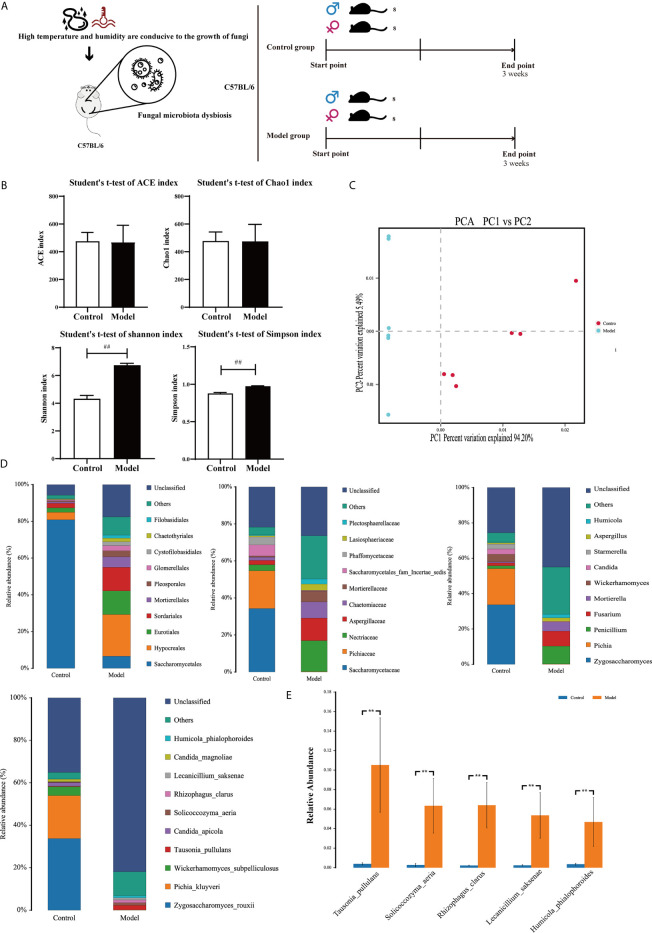
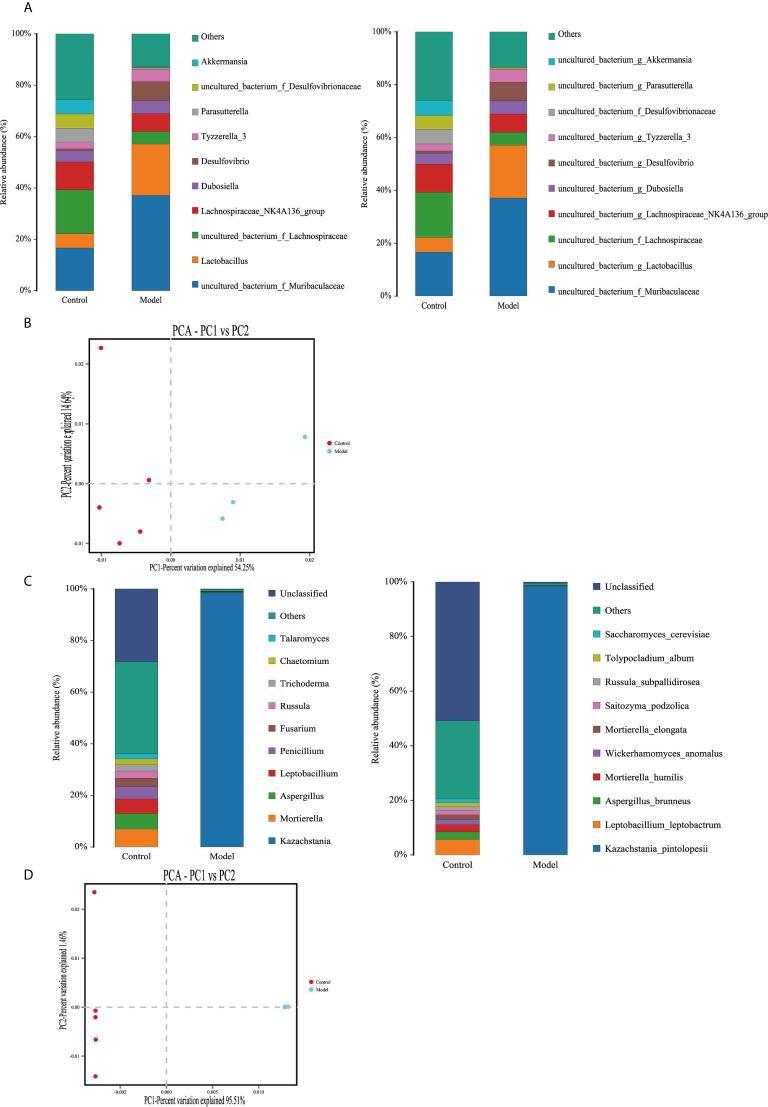
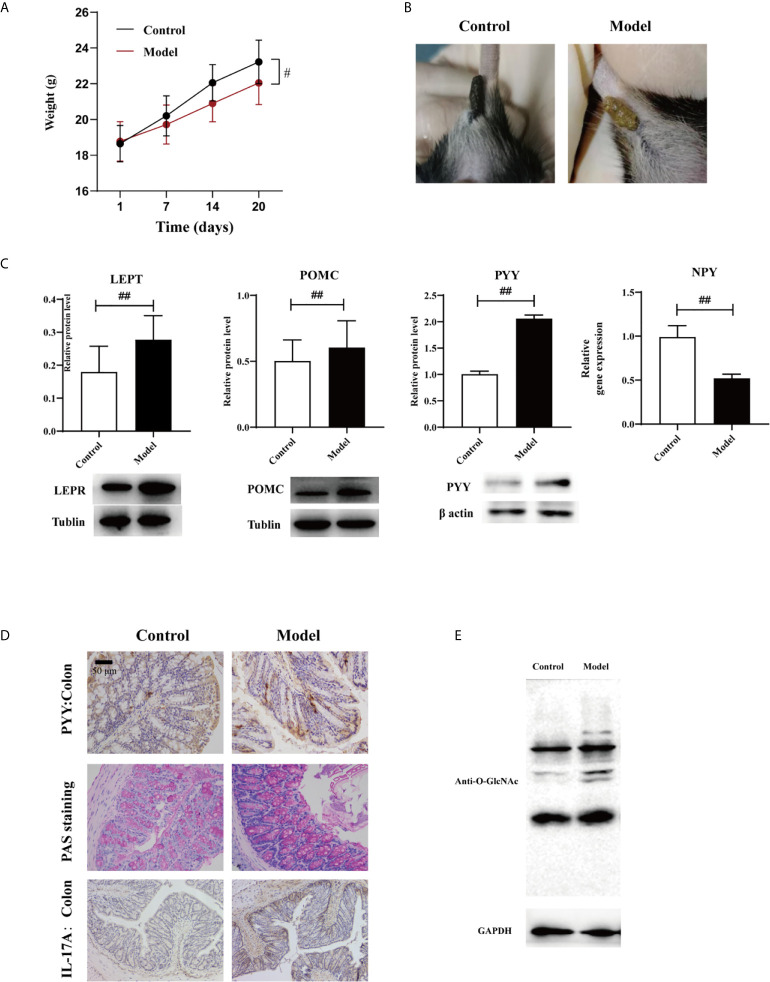
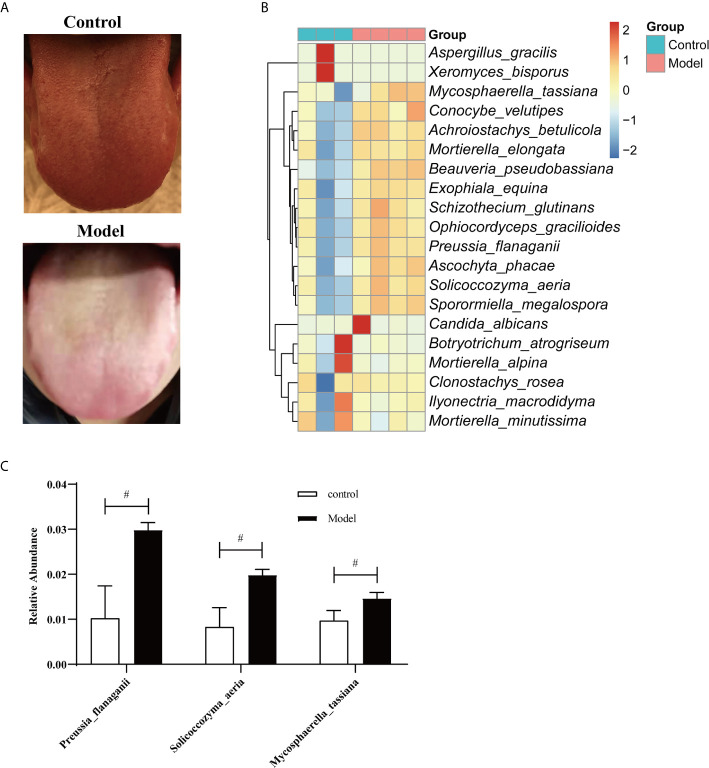
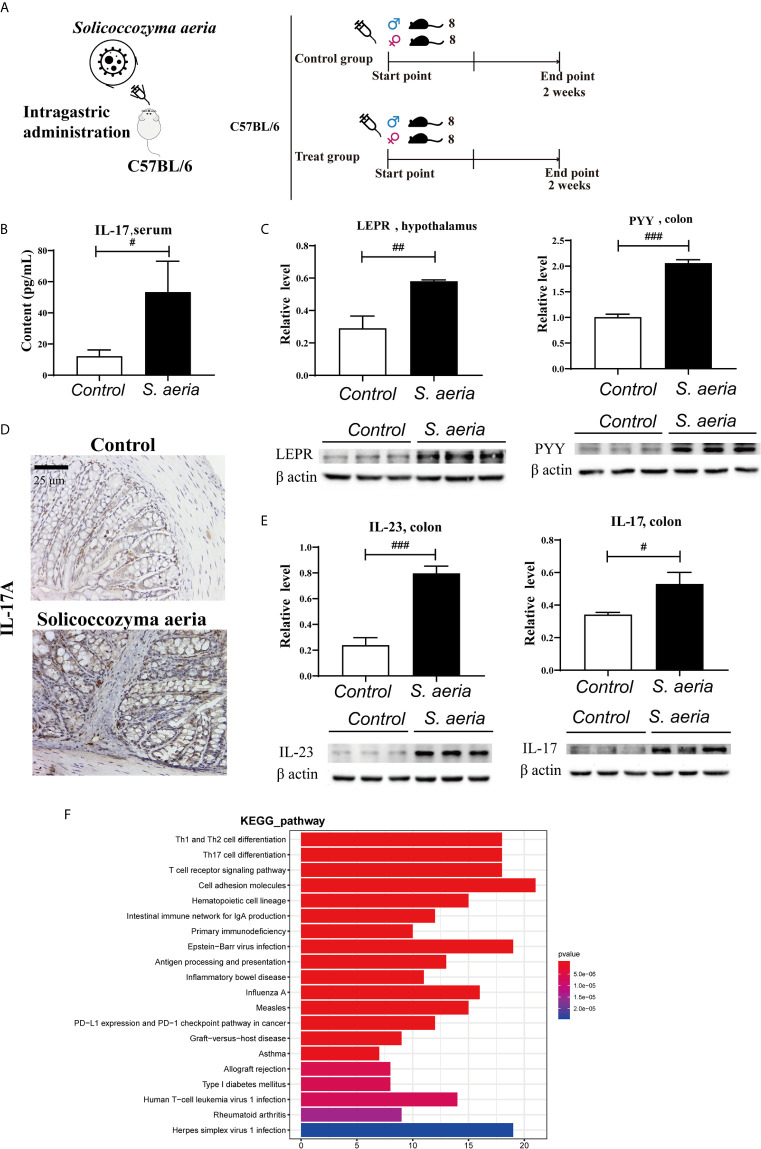
It is known that the microbiome affects human physiology, emotion, disease, growth, and development. Most humans exhibit reduced appetites under high temperature and high humidity (HTHH) conditions, and HTHH environments favor fungal growth. Therefore, we hypothesized that the colonic mycobiota may affect the host's appetite under HTHH conditions. Changes in humidity are also associated with autoimmune diseases. In the current study mice were fed in an HTHH environment (32°C ± 2°C, relative humidity 95%) maintained an artificial climate box for 8 hours per day for 21 days. Food intake, the colonic fungal microbiome, the feces metabolome, and appetite regulators were monitored. Components of the interleukin 17 pathway were also examined. In the experimental groups food intake and body weight were reduced, and the colonic mycobiota and fecal metabolome were substantially altered compared to control groups maintained at 25°C ± 2°C and relative humidity 65%. The appetite-related proteins LEPT and POMC were upregulated in the hypothalamus ( < 0.05), and gene expression was downregulated ( < 0.05). The expression levels of PYY and O-linked β-N-acetylglucosamine were altered in colonic tissues ( < 0.05), and interleukin 17 expression was upregulated in the colon. There was a strong correlation between colonic fungus and sugar metabolism. some metabolites of cholesterol, tromethamine, and cadaverine were significantly increased. There was significant elevation of the characteristic fungi , and associated appetite suppression and interleukin 17 receptor signaling activation in some susceptible hosts, and disturbance of gut bacteria and fungi. The results indicate that the gut mycobiota plays an important role in the hypothalamus endocrine system with respect to appetite regulation the gut-brain axis, and also plays an indispensable role in the stability of the gut microbiome and immunity. The mechanisms involved in these associations require extensive further studies.
已知微生物组会影响人类的生理机能、情绪、疾病、生长和发育。大多数人在高温高湿(HTHH)环境下会降低食欲,而 HTHH 环境有利于真菌生长。因此,我们假设肠道真菌群落在 HTHH 条件下可能会影响宿主的食欲。湿度的变化也与自身免疫性疾病有关。在本研究中,将小鼠置于 HTHH 环境(32°C±2°C,相对湿度 95%)中饲养,每天在人工气候箱中维持 8 小时,持续 21 天。监测了食物摄入量、结肠真菌微生物群、粪便代谢组以及食欲调节因子。还检查了白细胞介素 17 途径的组成部分。在实验组中,与对照组相比,食物摄入量和体重均降低,结肠真菌群和粪便代谢组也发生了实质性改变,对照组在 25°C±2°C 和相对湿度 65%下饲养。下丘脑的 LEPT 和 POMC 等与食欲相关的蛋白质上调(<0.05),基因表达下调(<0.05)。结肠组织中 PYY 和 O-连接的 β-N-乙酰氨基葡萄糖的表达发生改变(<0.05),而结肠中白细胞介素 17 的表达上调。结肠真菌与糖代谢之间存在很强的相关性。胆固醇、三甲胺和尸胺的一些代谢物显著增加。特征性真菌显著升高,一些易感宿主的食欲受到抑制,白细胞介素 17 受体信号通路被激活,同时肠道细菌和真菌受到干扰。结果表明,肠道真菌群在食欲调节的下丘脑内分泌系统中发挥重要作用,即肠-脑轴,在肠道微生物组和免疫的稳定性方面也发挥着不可或缺的作用。这些关联的机制需要进一步广泛研究。