De Meyer Margaux, Fijalkowski Igor, Jonckheere Veronique, De Sutter Delphine, Eyckerman Sven, Van Damme Petra
iRIP Unit, Department of Biochemistry and Microbiology, Ghent University, Ghent, Belgium.
Vlaams Instituut voor Biotechnologie Center for Medical Biotechnology, Vlaams Instituut voor Biotechnologie, Ghent, Belgium.
Front Med (Lausanne). 2021 Sep 8;8:725072. doi: 10.3389/fmed.2021.725072. eCollection 2021.
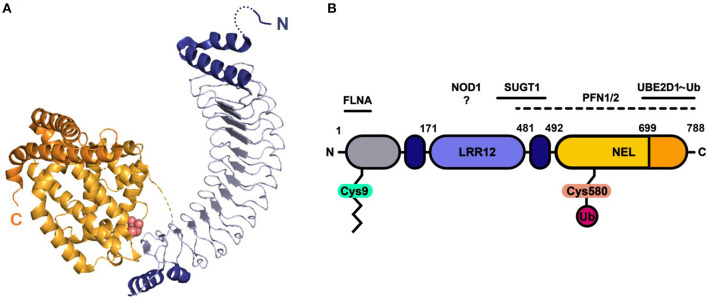
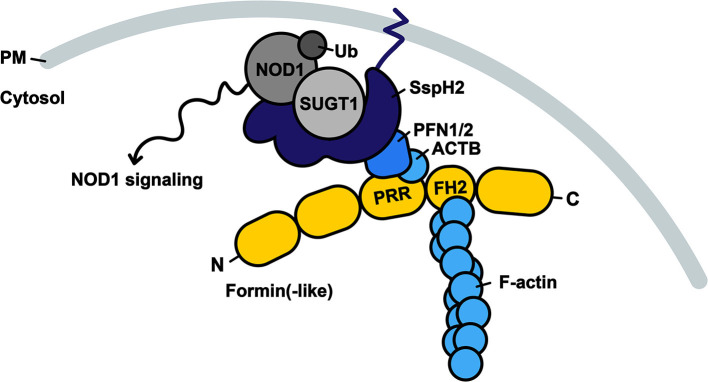
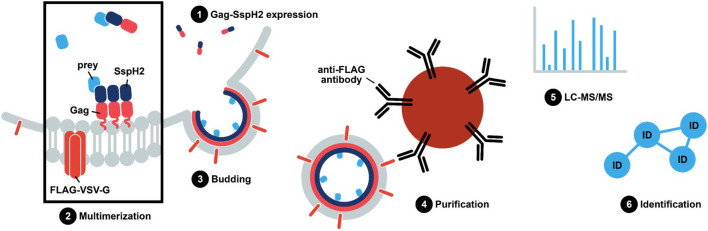
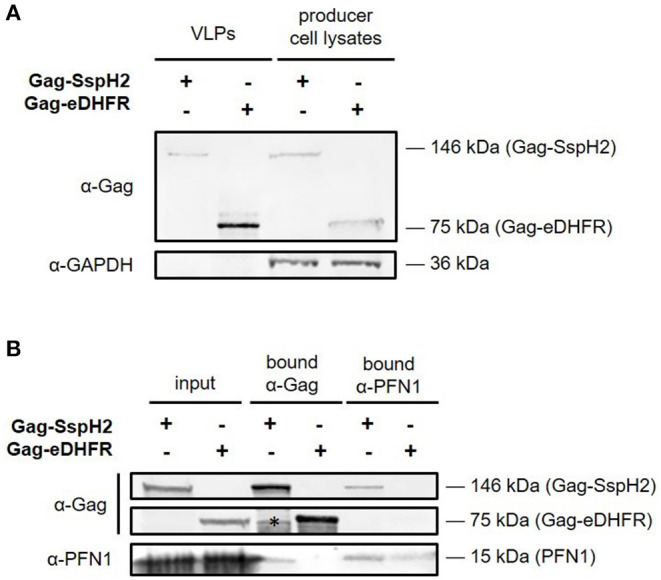
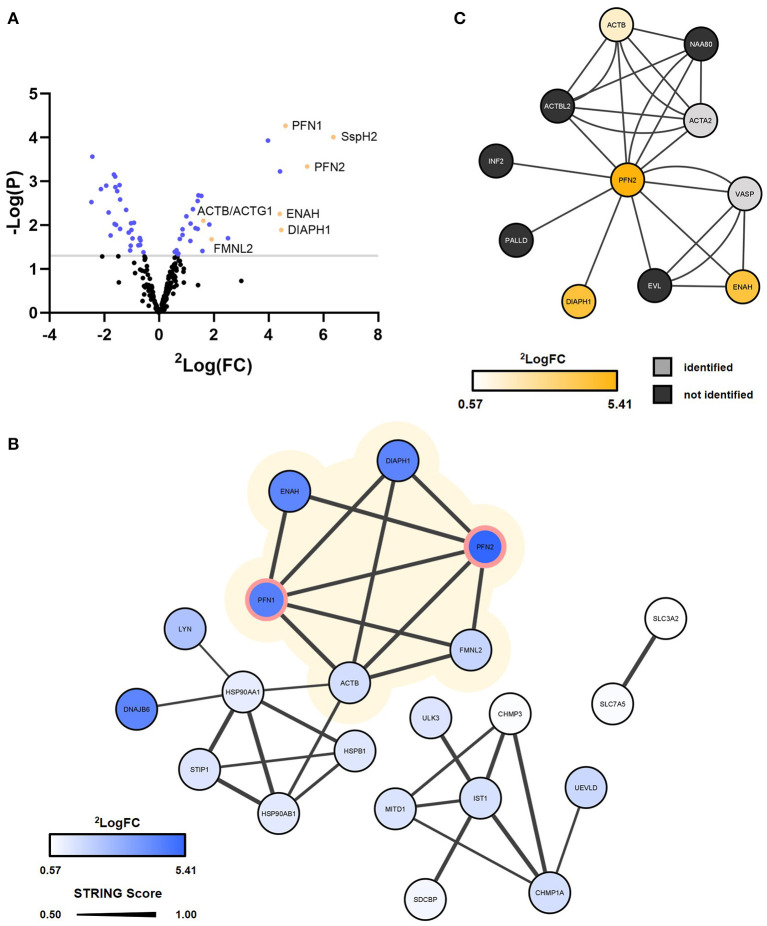
In the context of host-pathogen interactions, gram-negative bacterial virulence factors, such as effectors, may be transferred from bacterial to eukaryotic host cytoplasm by multicomponent Type III protein secretion systems (T3SSs). Central to serovar Typhimurium (. Typhimurium) pathogenesis is the secretion of over 40 effectors by two T3SSs encoded within pathogenicity islands SPI-1 and SPI-2. These effectors manipulate miscellaneous host cellular processes, such as cytoskeleton organization and immune signaling pathways, thereby permitting host colonization and bacterial dissemination. Recent research on effector biology provided mechanistic insights for some effectors. However, for many effectors, clearly defined roles and host target repertoires-further clarifying effector interconnectivity and virulence networks-are yet to be uncovered. Here we demonstrate the utility of the recently described viral-like particle trapping technology Virotrap as an effective approach to catalog . Typhimurium effector-host protein complexes (EH-PCs). Mass spectrometry-based Virotrap analysis of the novel E3 ubiquitin ligase SspH2 previously shown to be implicated in modulating actin dynamics and immune signaling, exposed known host interactors PFN1 and-2 besides several putative novel, interconnected host targets. Network analysis revealed an actin (-binding) cluster among the significantly enriched hits for SspH2, consistent with the known localization of the -palmitoylated effector with actin cytoskeleton components in the host. We show that Virotrap complements the current state-of-the-art toolkit to study protein complexes and represents a valuable means to screen for effector host targets in a high-throughput manner, thereby bridging the knowledge gap between effector-host interplay and pathogenesis.
在宿主-病原体相互作用的背景下,革兰氏阴性菌的毒力因子,如效应蛋白,可能通过多组分III型蛋白分泌系统(T3SSs)从细菌转移至真核宿主细胞质中。鼠伤寒血清型沙门氏菌(. Typhimurium)致病机制的核心是由位于毒力岛SPI-1和SPI-2中的两个T3SSs分泌超过40种效应蛋白。这些效应蛋白操控各种宿主细胞过程,如细胞骨架组织和免疫信号通路,从而实现宿主定殖和细菌传播。最近对效应蛋白生物学的研究为一些效应蛋白提供了机制上的见解。然而,对于许多效应蛋白而言,其明确的作用和宿主靶标库——进一步阐明效应蛋白的相互联系和毒力网络——仍有待揭示。在此,我们展示了最近描述的病毒样颗粒捕获技术Virotrap作为一种有效方法来编目. Typhimurium效应蛋白-宿主蛋白复合物(EH-PCs)的效用。基于质谱的Virotrap分析先前已证明参与调节肌动蛋白动力学和免疫信号传导的新型E3泛素连接酶SspH2,除了几个假定的新型相互连接的宿主靶标外,还揭示了已知的宿主相互作用蛋白PFN1和-2。网络分析显示在SspH2显著富集的命中结果中有一个肌动蛋白(结合)簇,这与宿主中棕榈酰化效应蛋白与肌动蛋白细胞骨架成分的已知定位一致。我们表明Virotrap补充了当前研究蛋白复合物的先进工具包,并代表了一种以高通量方式筛选效应蛋白宿主靶标的有价值手段,从而弥合效应蛋白-宿主相互作用与发病机制之间的知识差距。